Tax Liens and Agent Responsibilities
Not sure you’re ready?
Take the ~3-minute readiness diagnostic and see where you stand.
Imagine a brilliant piece of engineering—a soaring skyscraper built with flawless steel and glass—that collapses overnight because a silent, invisible fracture in the bedrock was ignored. In the realm of real estate finance, municipal property taxes are that bedrock. A transaction can feature a willing buyer, an eager seller, and a pristine physical structure, but if the foundational tax obligations are misunderstood or neglected, the entire legal edifice shatters. The municipality holds the ultimate trump card over property ownership.
To navigate real estate in New York, you cannot simply be a matchmaker of homes and buyers; you must be a meticulous guardian of municipal reality. Property taxes fund the lifeblood of a local government, from public schools to emergency services, and the law grants local authorities extraordinary, unyielding powers to ensure these debts are paid. If you fail to understand the mechanics of property assessments, the lethal priority of a tax lien, or your strict fiduciary duties in disclosing them, you are guiding your clients through a minefield without a map.
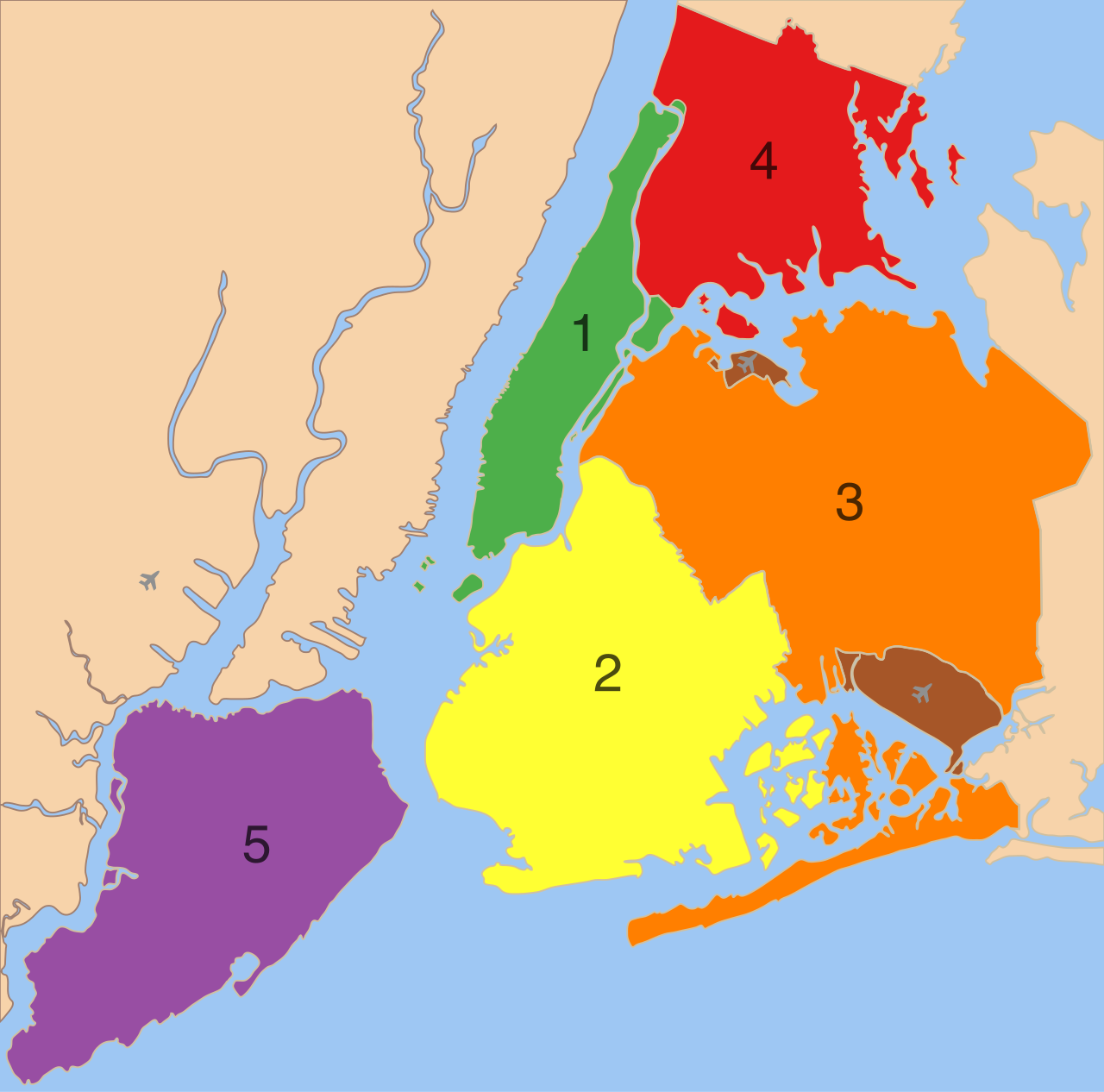
Here, we will dissect the anatomy of property taxes, the arithmetic of New York assessments, the agent's professional boundaries, and the absolute consequences of unpaid municipal debt.
To understand a property tax bill, we must first understand how a municipality decides it needs money. The process begins with the tax levy, which represents the total amount of revenue a municipality must raise through property taxes to meet its operating budget for the year. The municipality essentially looks at its required budget, subtracts other revenue sources (like parking tickets or state aid), and whatever is left is the levy.
But how is that massive levy divided among individual property owners? It requires two variables: the total taxable value of all properties in the jurisdiction, and a standardized rate.
The local property tax rate is determined by a simple equation: dividing the total tax levy by the total taxable assessed value of all properties in the jurisdiction.
The Tax Rate Formula Local Property Tax Rate = Total Tax Levy ÷ Total Taxable Assessed Value
In New York State, property tax rates are generally expressed as a dollar amount per one thousand dollars ($1,000) of assessed value.
The Assessment Roll and the Math of Taxable Value
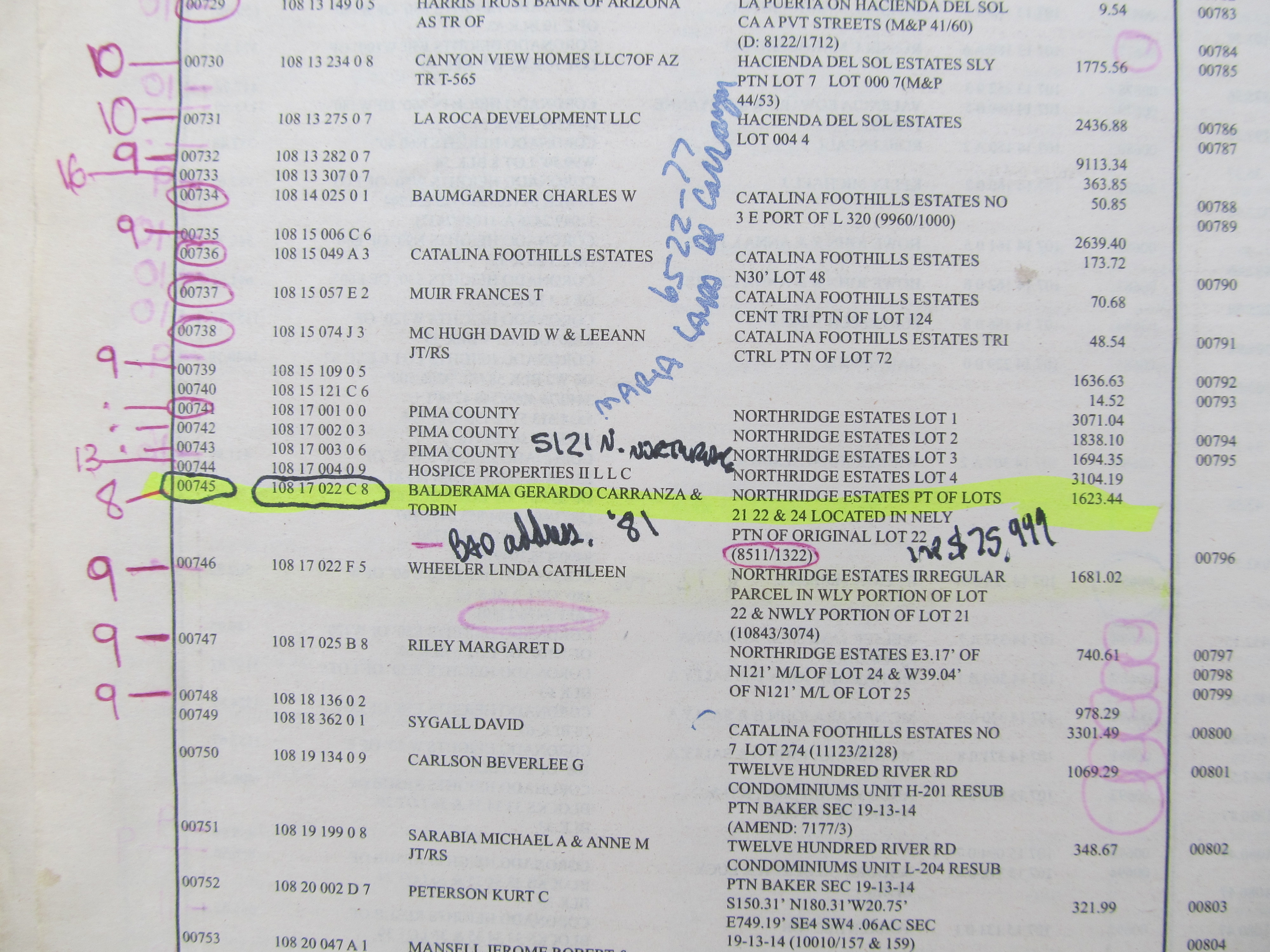
Every taxing jurisdiction maintains an assessment roll, which is a public record listing the assessed value of all properties within its borders.
However, the "overall assessed value" is not necessarily the number used to calculate the tax bill. To accurately estimate annual property taxes, the taxable assessed value of the property must be multiplied by the current tax rate.
What is the difference? Reductions in the burden occur in two distinct ways, and understanding the mathematical difference between them is vital:
- Property tax exemptions lower a property's taxable assessed value before the tax rate is applied. (e.g., subtracting $50,000 from the assessed value for a senior citizen exemption).
- Property tax abatements, by contrast, directly reduce the annual property tax bill for an eligible property after the taxes have been calculated.
Furthermore, you will frequently encounter special assessments. These are not general property taxes; they are specific taxes levied only on properties that directly benefit from a local public improvement project, such as a newly paved sidewalk or updated street lighting in a specific neighborhood.
New York does not treat all real estate equally. The state recognizes that a single-family homeowner and a massive commercial landlord operate under fundamentally different economic realities. Local governments in New York State use a Residential Assessment Ratio (RAR) to represent the relationship between assessed values and current market values, but the specific rules hinge heavily on the property "Class."
In New York City, Class 1 properties include one-family, two-family, and three-family residential homes. For these properties, the city establishes a target assessment ratio set at just six percent of the property's market value. By stark contrast, the target assessment ratio for commercial buildings and larger apartment buildings is forty-five percent of market value.
Because property values can spike wildly in a booming market, New York law imposes strict mathematical governors—caps—on how fast assessed values can rise, protecting owners from sudden, unpayable tax shocks.
| Property Type | Maximum Annual Assessment Increase | Maximum Assessment Increase Over Time |
|---|---|---|
| NYS Class 1 Residential | Cannot increase by more than 6% in a single year | Cannot increase by more than 20% over any five-year period |
| NYS Class 2 (10 units or less) | Cannot increase by more than 8% per year | N/A |
When a buyer looks at a listing, one of their first questions is, "What are the taxes?" Answering this question correctly is not merely a matter of customer service; it is a legal imperative.
Real estate licensees have a fiduciary duty to honestly and accurately disclose known property tax amounts to prospective buyers. A real estate agent's failure to accurately disclose known property tax obligations constitutes a breach of the fiduciary duty of reasonable care.
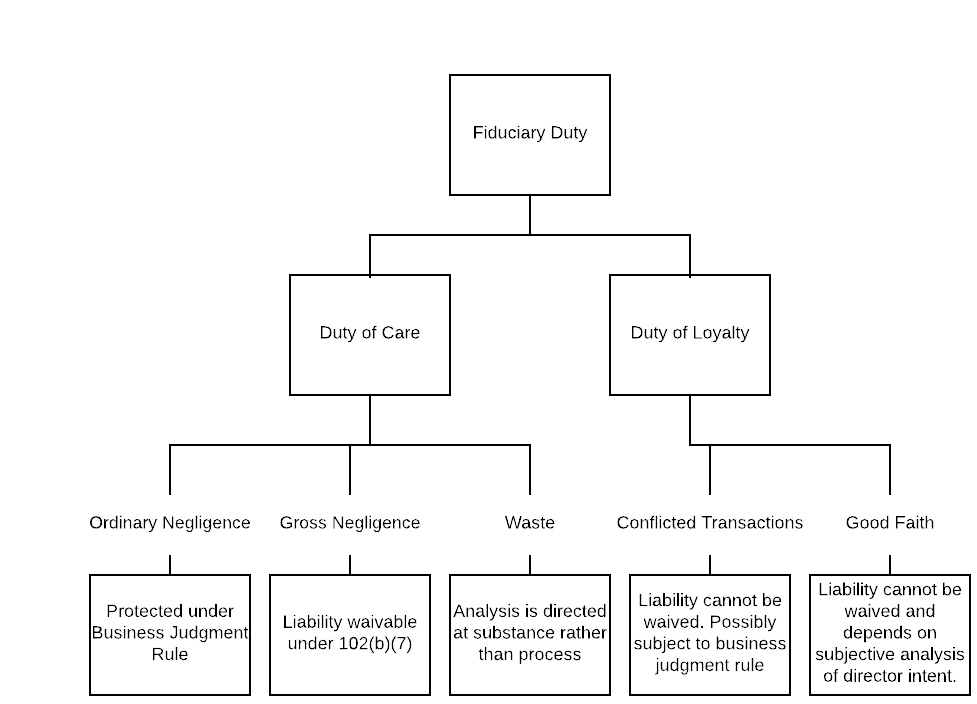
How do you ensure you are honoring this duty?
- Verify through the Source: A real estate salesperson must verify current property taxes through municipal records rather than relying solely on previous listing information. Listing data from a past sale is often outdated and legally insufficient.
- Warn of the Future: Agents must inform buyers that past property tax amounts do not guarantee future tax liabilities. Why? Because changing tax rates, municipal budget shortfalls, and property reassessments upon sale can drastically alter the final bill.
- Disclose Special Assessments: Real estate professionals must disclose potential upcoming special assessments that could affect a buyer's future financial obligations. If you know the city is planning a major sewer line upgrade on the street, your buyer has a right to know they will foot the bill.
- No Concealment: An agent cannot legally conceal a known pending tax foreclosure from a potential buyer. To do so is outright fraud.
The Boundary of Expertise
While you must understand the mechanics of property taxes, you are a real estate agent, not a CPA. Real estate agents must explicitly advise clients to consult a qualified tax professional for specific tax advice rather than providing it themselves.
If an owner fails to pay their property taxes, the municipality does not simply send polite letters indefinitely. It invokes a terrifying legal mechanism: the tax lien.
A property tax lien is an involuntary, specific lien placed on real estate by a local government due to unpaid property taxes. It is involuntary because the owner does not agree to it (unlike a mortgage), and it is specific because it attaches to that exact parcel of real estate, not the owner's general assets.

If unpaid taxes escalate, the state can issue a tax warrant. This is a legal instrument issued by the state that creates a lien against a taxpayer's real and personal property due to unpaid taxes. New York State tax liens are incredibly persistent; they carry a twenty-year statute of limitations for collection.
The Supreme Priority of Tax Liens
In the hierarchy of real estate debt, the municipality is king. Real property tax liens generally hold the highest priority among all liens on a property.
Imagine a property with a $500,000 first mortgage, a $50,000 mechanic’s lien, and a $10,000 property tax lien. When a property is sold at a tax foreclosure sale, property tax liens take precedence over existing mortgages and other encumbrances. The tax lien eats first. If the property goes to foreclosure, the bank's massive mortgage is secondary to the town's tax bill.
Unpaid property taxes can eventually result in the local government taking ownership of the property through an in rem tax foreclosure.
In Rem Tax Foreclosure A legal proceeding initiated directly against a property rather than a person to collect unpaid real estate taxes. The Latin phrase in rem means "against the thing." The municipality doesn't care if the owner lost their job or moved to Europe; the debt is attached to the soil.

New York law provides some buffer time. For example, in New York City, a tax lien on a Class 1 property cannot be foreclosed until the tax has been unpaid for at least three years.
When the municipality takes action, it generally utilizes one of two methods to recover its money:
- Tax Lien Sale: The municipality sells the right to collect unpaid property taxes and interest to a third-party investor. The investor pays the city the owed taxes, and then the investor goes after the property owner for the debt (often charging exorbitant interest).
The law abhors the forfeiture of property. Before and even shortly after a tax sale, owners have legal safety nets designed to let them save their real estate. These are known as the rights of redemption.
- The Equitable Right of Redemption: This allows a property owner to reclaim their property before a tax sale by paying all back taxes, interest, and penalties in full.
- The Statutory Right of Redemption: This allows a former property owner to reclaim their property for a specific period after a tax foreclosure sale has already occurred.
The Tyler v. Hennepin County Precedent (2023)
Historically, if a municipality seized a home over a $15,000 tax debt and sold the home at a tax deed sale for $200,000, the government often kept the entire $200,000 windfall.
This practice was fundamentally upended by the Supreme Court. A crucial 2023 United States Supreme Court ruling mandates that any surplus equity generated from a tax foreclosure sale must be returned to the prior owner. The government may take what it is owed to satisfy the tax lien, the penalties, and the administrative costs of the sale, but it cannot constitutionally steal the remaining equity built up by the citizen.

As a real estate professional, understanding these absolute rules prevents catastrophic surprises at the closing table. When you master the gravity of tax liens, the arithmetic of assessments, and the boundaries of your fiduciary duty, you elevate yourself from a mere salesperson to an indispensable, elite advisor.