Definition and Purpose of Deeds
Not sure you’re ready?
Take the ~3-minute readiness diagnostic and see where you stand.
Imagine standing on a parcel of land in upstate New York. You can walk its perimeter, touch the soil, measure the mature oak trees, and build a house upon it. Yet, none of these physical realities prove that the land belongs to you. In the eyes of the law, the physical earth is separate from the abstract concept of ownership. To legally claim the right to that land, you need a highly specific abstraction—a piece of paper.
Every time you bring a buyer and a seller to the closing table, you are orchestrating the exchange of this abstraction. Understanding the precise mechanics of how ownership is defined, described, and transferred is the bedrock of your role as a New York real estate professional. A minor error in a boundary description or a misunderstood map reference can grind a multi-million-dollar transaction to a halt.
Here, we will dismantle the legal machinery of property transfer, examining exactly what a deed is, why it exists, and the rigorous mathematical and physical systems we use to slice up and define the surface of the earth.
At its core, a deed is a written legal instrument that transfers ownership of real property from one party to another. It is the vehicle of conveyance. You cannot transfer real estate with a handshake, nor can you transfer it by merely handing over the keys.
To understand why, we look to a centuries-old legal doctrine that still governs your closings today. The New York Statute of Frauds requires a deed to be in writing to be legally enforceable. This law exists to prevent the chaos that would ensue if people could claim ownership of land based on verbal promises or faulty memories. The written requirement forces clarity, creates a permanent record, and protects the integrity of the property market.
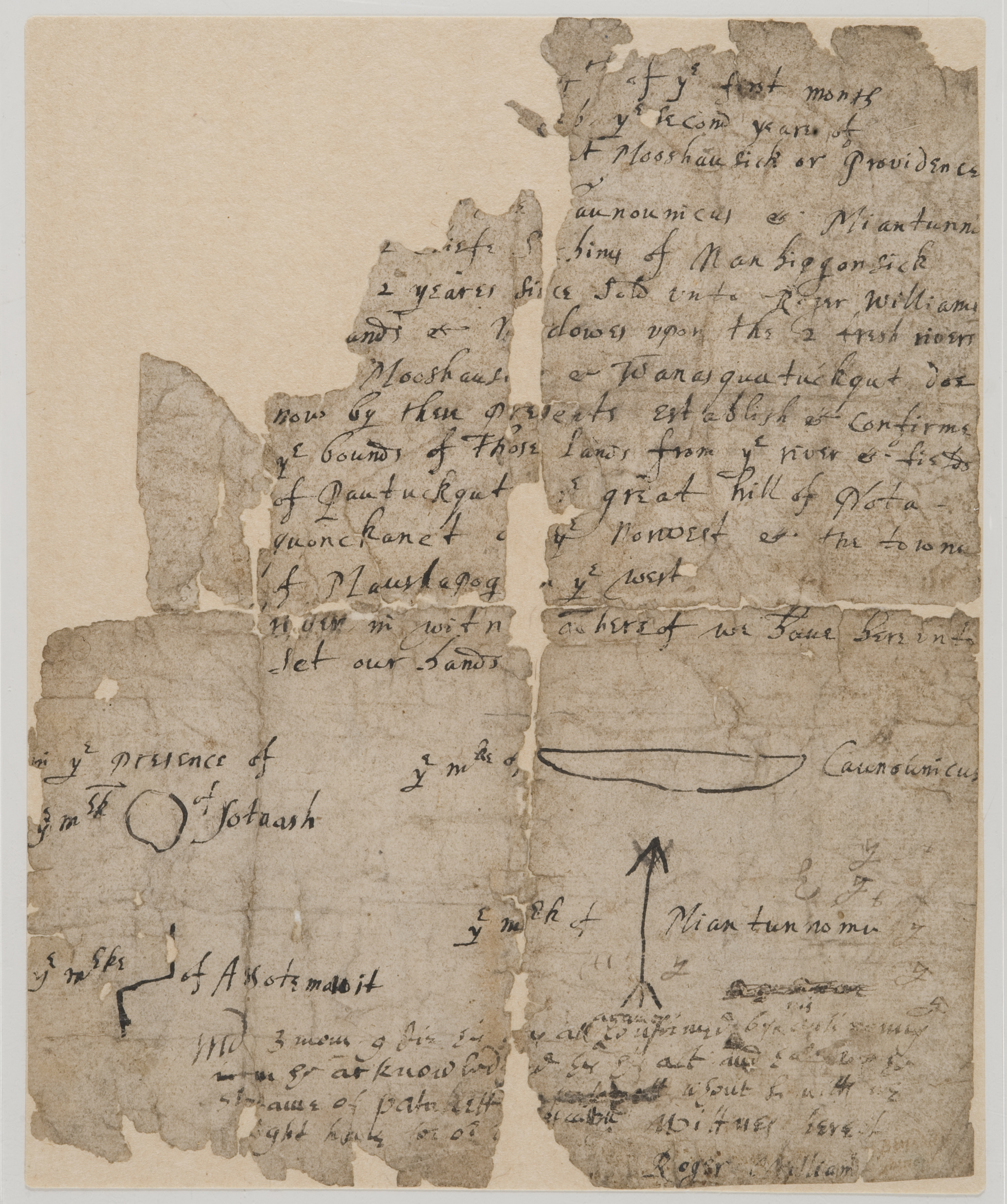
Because a deed is a contract of transfer, we must clearly identify the actors involved in the exchange:
- The grantor is the party transferring the property ownership in a deed. (Think of the seller).
- The grantee is the party receiving the property ownership in a deed. (Think of the buyer).
The Ultimate Purpose While deeds contain many elements—signatures, dates, and legal jargon—the primary purpose of a deed is to serve as the legal evidence of the transfer of title to real estate. When the deed is executed and delivered, the title (the abstract concept of ownership) officially moves from the grantor to the grantee.
However, a deed is useless if it simply says, "I transfer my farm to you." Which farm? Where does it begin? Where does it end? Does it include the riverbank? To serve as legal evidence of a transfer, a deed must contain an unambiguous, mathematically sound description of the land.
As a real estate salesperson, you will routinely pull property records, review title reports, and read legal descriptions. A street address (like "123 Main Street") is sufficient for the postal service, but it is entirely inadequate for a deed. Street names change, house numbers are reassigned, and an address tells you nothing about the exact size or shape of the lot.
Instead, the law requires a legal description—a method of defining a parcel of land so precisely that a surveyor could locate it perfectly, centuries from now. In New York, deeds primarily rely on two major systems of legal description: Metes and Bounds, and Block and Lot.
Metes and Bounds: Walking the Perimeter
The oldest method of describing land is the metes and bounds system. A metes and bounds description outlines the exact perimeter of a property by using distances and directions. Think of it as a set of highly precise instructions for walking the absolute edge of a parcel of land.
_crop.jpg)
To decode a metes and bounds description, we break down the terminology:
| Term | Legal Meaning | Example in a Deed |
|---|---|---|
| Metes | Refers to distance and linear measurements. | "250 feet," "10 chains," "50 meters" |
| Bounds | Refers to compass directions or angles. | "North 45 degrees East," "Due South" |
The Point of Beginning (POB)
If you are giving someone directions to trace a shape, you must tell them exactly where to start. Therefore, a metes and bounds description must always begin at a specifically designated location known as the Point of Beginning (POB).
From the Point of Beginning, the deed provides a sequence of metes (distances) and bounds (directions) to trace the property lines.
The Rule of Enclosure
There is a fatal flaw that can render a deed entirely invalid: a broken perimeter. A valid metes and bounds description must completely enclose the property by ultimately returning to the Point of Beginning. If the final instruction in the description does not snap perfectly back to the POB, the boundary is left "open." In the legal world, an open boundary means no definable area of land has been described, and the deed is therefore fundamentally defective. Title companies will reject it, and your closing will be delayed until a surveyor corrects the geometry.
Monuments: Anchoring Paper to Physical Reality
How do we establish the Point of Beginning, or the corners where the property lines change direction? We use monuments.
Monuments are fixed physical markers used to establish specific boundary points in a metes and bounds property description. They are the physical anchors that tie the abstract measurements on the paper to the actual dirt on the ground.
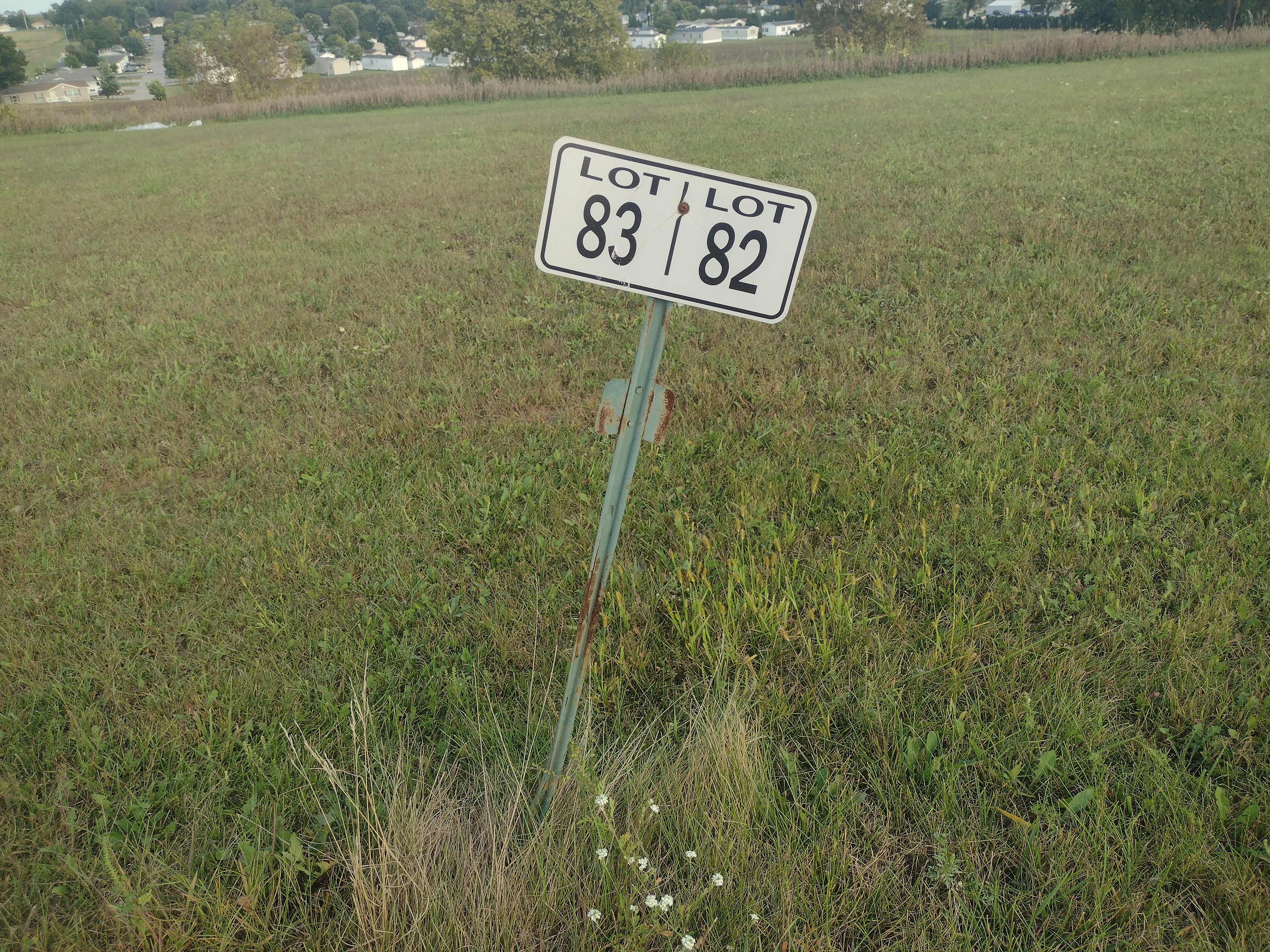
Monuments fall into two distinct categories:
- Natural Monuments: These are permanent geographical features provided by nature. Examples commonly used in property descriptions include mature trees, rivers, large rocks, or the centerlines of creeks.
- Artificial Monuments: These are man-made markers placed specifically for boundary identification or infrastructure. Examples include iron pins driven into the earth by surveyors, concrete posts, or legally established fences and highways.
The Hierarchy of Evidence: When Paper and Reality Collide
Imagine a scenario you might encounter when reviewing a survey for a client's purchase: The deed states the property line runs "North 200 feet to the center of the old oak tree." However, a modern surveyor goes out with laser equipment and discovers that the distance from the starting point to the exact center of the old oak tree is actually 204 feet.
Which controls the boundary? The written measurement (200 feet) or the physical tree (204 feet)?
The law relies on a fascinating and crucial principle: Physical monuments take legal precedence over written linear measurements if a discrepancy exists in a property boundary description.
Why? Because the courts recognize that humans make errors in measurement and transcription, but a physical, established monument represents the actual, observable intent of the original property lines. The old oak tree wins. The 200-foot measurement is assumed to be an error in estimation or early surveying techniques. Knowing this hierarchy helps you explain minor survey discrepancies to anxious buyers who think a four-foot variance means they are losing land.
Block and Lot: The Geometry of Subdivisions
While metes and bounds are frequently used for large tracts of rural land or irregularly shaped parcels, you will rarely see them used as the primary descriptor for a townhome in Queens or a tract house in Long Island. Instead, you will encounter the block and lot description.
A block and lot description identifies property using specific numbers assigned within a recorded subdivision plat map. The block and lot system is the most common method for legally describing residential properties in urban and suburban areas of New York.
The Subdivision Plat Map
When a developer buys a massive tract of land to build a neighborhood, they first hire a surveyor to slice that land into smaller pieces. The surveyor creates a plat map, which is a highly detailed survey map of the subdivision. Crucially, this map is then filed in the public records of the local county clerk's office.
Once this map is officially filed, the complex metes and bounds descriptions of every individual piece of the subdivision are forever a matter of public record. Because the map handles the heavy lifting of the geometry, subsequent deeds only need to reference the map's naming system.
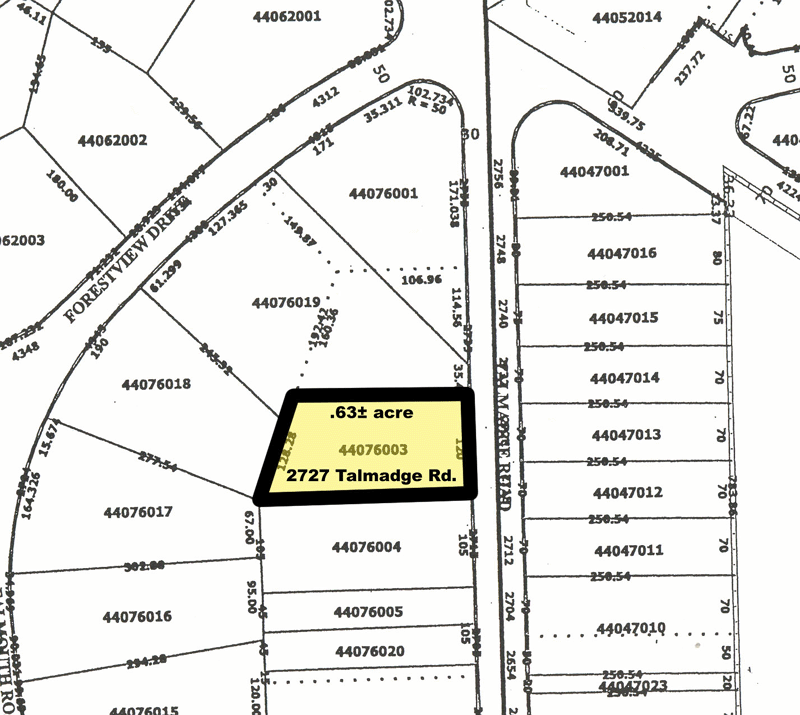
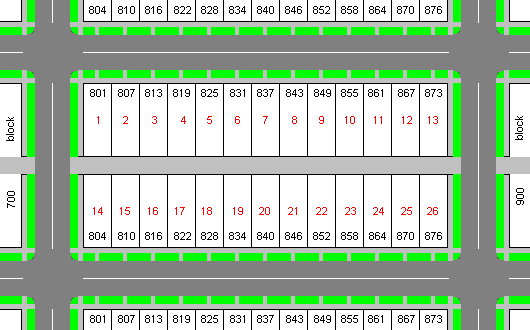
The naming system works like a grid:
- In a recorded plat map, a block represents a grouping of contiguous lots bounded by intersecting streets. Think of this as the macro-level identifier within the neighborhood.
- Within that block, a lot represents an individual parcel of land intended for a single owner.
The Critical Reference Point
For a block and lot description to be legally valid in a deed, it cannot merely say "Lot 4, Block 2 in Shady Pines Subdivision." The legal system demands to know where to find the proof. Therefore, a deed utilizing the block and lot system must reference the specific book and page number where the subdivision plat map is publicly recorded.
A legally sufficient description will look like this: "Lot 4, Block 2 of the Shady Pines Subdivision, according to the plat map recorded in the Office of the County Clerk of Westchester County in Book 45 of Maps, Page 112."
When your title company performs a title search prior to closing, they will literally (or digitally) pull Book 45, turn to Page 112, and verify that the lot dimensions match what your buyer expects to purchase.
Tying It All Together for Your Practice
As a New York real estate salesperson, your daily reality is governed by these concepts. When you list a property, the deed you pull dictates the boundaries you are authorized to market. When you sit at the closing table, the grantor (seller) signs the deed, transferring the title to the grantee (buyer), thereby fulfilling the demands of the Statute of Frauds. Whether the land is bounded by the winding path of a natural monument like the Hudson River, or neatly categorized into Lot 12 of a recorded subdivision plat map in Brooklyn, the deed is the ultimate, undeniable evidence of that transfer.
Mastering the language of deeds transforms you from a mere salesperson into a trusted professional who understands exactly what is—and isn't—being sold.