Easements and Deed Restrictions
Not sure you’re ready?
Take the ~3-minute readiness diagnostic and see where you stand.
Ownership of real estate is often imagined as a solid, impenetrable fortress, but in practice, property rights resemble a highly porous bundle of sticks. You may hold the deed to a parcel of land, yet find that your neighbor has the right to drive across your driveway, or that the local utility company can dig up your backyard to lay conduit. As a real estate professional, you are not merely selling physical dirt and drywall; you are brokering legal rights. Understanding who can cross, use, or limit a property is the difference between a smooth closing and a catastrophic post-sale lawsuit.
When you review a title report for your buyer, you are actively hunting for invisible boundaries. Two of the most significant encumbrances you will encounter are easements and deed restrictions. One dictates who else can use the land; the other dictates what the owner is forbidden to do with it. Mastering these concepts provides you with the analytical x-ray vision required to protect your clients and navigate New York property law.
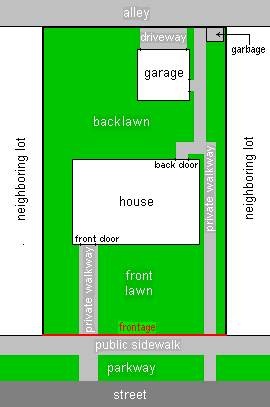
At its core, an easement is a non-possessory interest in real property. It does not grant ownership; rather, an easement grants the right to use the land of another person for a specific purpose. Because it diminishes the full, unencumbered utility of the property for the fee simple owner, an easement is classified as an encumbrance on real property title.
To understand easements, we must identify the players. The legal terminology divides the land involved into two distinct roles based on who bears the burden and who reaps the benefit.
Servient Tenement: The servient tenement is the parcel of land over which an easement runs. It is the property providing the service. Therefore, the servient tenement bears the burden of an easement.
Dominant Tenement: By contrast, the dominant tenement is the parcel of land that benefits from an easement appurtenant. It is the property exercising dominion over the neighbor's land.
When you walk a property with a buyer and point out a shared driveway, you must instantly ask yourself: Which parcel is servient, and which is dominant?
Easements generally fall into two primary categories, determined by whether the right attaches to a piece of land or to a specific person.
Easement Appurtenant
An easement appurtenant involves two separately owned adjacent parcels of land. "Appurtenant" literally means "belonging to." The right to cross the servient tenement belongs strictly to the dominant tenement itself, not to the individual who happens to live there at the time.
Because it is attached to the land, an easement appurtenant runs with the land. This is a critical fact for real estate transactions: an easement appurtenant automatically transfers to the new owner when the dominant tenement is sold. You do not need to draft a new driveway agreement when your client buys the house; the existing right passes seamlessly at the closing table.
Easement in Gross
What if there is no neighboring property benefiting from the use? An easement in gross benefits a specific individual or business entity rather than a piece of land. Consequently, an easement in gross involves only a servient tenement and no dominant tenement.
There are two variations of this concept that you will encounter:
- Commercial Easement in Gross: These are incredibly common. A utility company holding the right to run power lines across a residential property holds a commercial easement in gross. Because it belongs to a corporate entity, a commercial easement in gross is legally transferable to another business entity (for instance, if one utility provider acquires another).
- Personal Easement in Gross: If an owner grants an old friend the right to fish in their private pond, that is a personal easement. It is tied to the friend's life. Therefore, a personal easement in gross typically terminates upon the death of the easement holder.
| Feature | Easement Appurtenant | Easement in Gross |
|---|---|---|
| Number of Parcels | Two (Adjacent) | One (Servient only) |
| Who Benefits? | The dominant tenement (the land) | An individual or business entity |
| Transferability | Automatically transfers with the land | Transferable if commercial; terminates on death if personal |
Rights in real estate do not materialize out of thin air. They are forged through intentional acts, historical usage, or the heavy hand of the state. Understanding how an easement is created allows you to investigate a property's history properly.
Express and Implied Creation
The most straightforward method is when an easement by grant is expressly created through a written legal document, such as a deed. This is a negotiated agreement between parties, properly recorded in the county clerk's office.
Sometimes, however, the intent is unspoken but obvious. An easement by implication arises from the unexpressed intent of the parties when a single property is subdivided. Imagine a landowner splitting their lot in two, leaving the rear lot with a pre-existing underground sewer pipe that runs through the front lot. Even if they forgot to write it down, the law implies an easement exists because the infrastructure clearly indicates the original intent.
Easement by Necessity
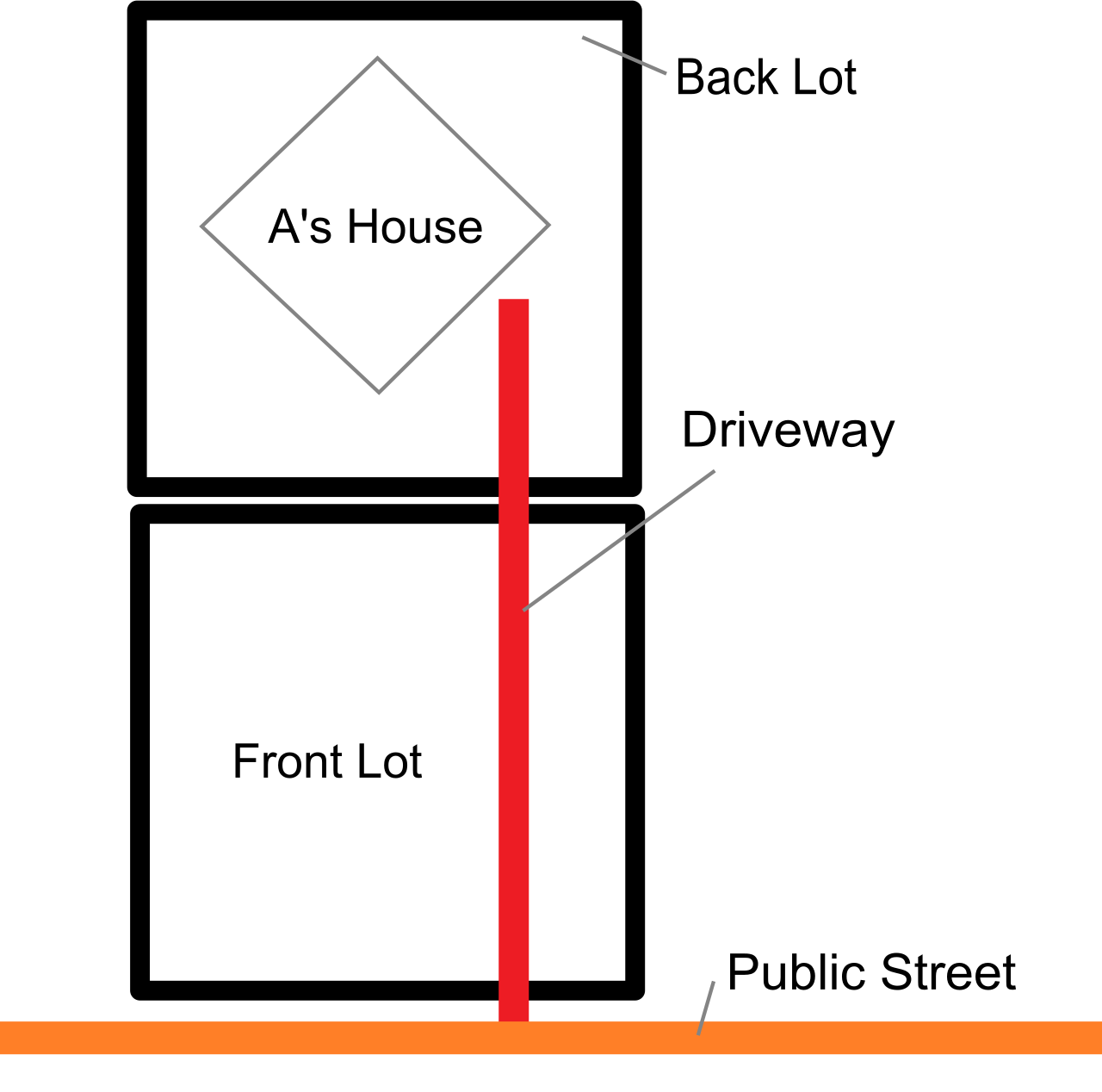
The law abhors useless land. A landlocked property situation legally justifies the creation of an easement by necessity. If your client buys a parcel totally surrounded by other private properties, they are not doomed to parachute into their living room. An easement by necessity is granted when a property owner has no legally viable access to a public road. Because this requires compelling an uncooperative neighbor to yield, an easement by necessity is created by a court order.
Easement by Prescription
This is where real estate law meets the wild frontier. An easement by prescription is acquired through continuous use of another person's property. In New York State, the statutory period of continuous use required to establish an easement by prescription in New York State is 10 years.
You cannot gain this right by sneaking across the land in the dead of night. To successfully claim it, the trespasser must meet strict criteria:
- Creating an easement by prescription requires the property use to be open and notorious. (It must be obvious enough that a diligent owner would notice it).
- Creating an easement by prescription requires the property use to be hostile and adverse to the true owner's title. (It infringes on their exclusive right to the property).
- Creating an easement by prescription requires the property use to occur without the true owner's permission. (If the owner says "Sure, you can use my path," it is a license, and the clock for prescription instantly stops).
Condemnation and Party Walls
The state holds sovereign power over land. An easement by condemnation is created when the government exercises the power of eminent domain, taking a slice of property for public use (like expanding a highway shoulder) in exchange for just compensation.
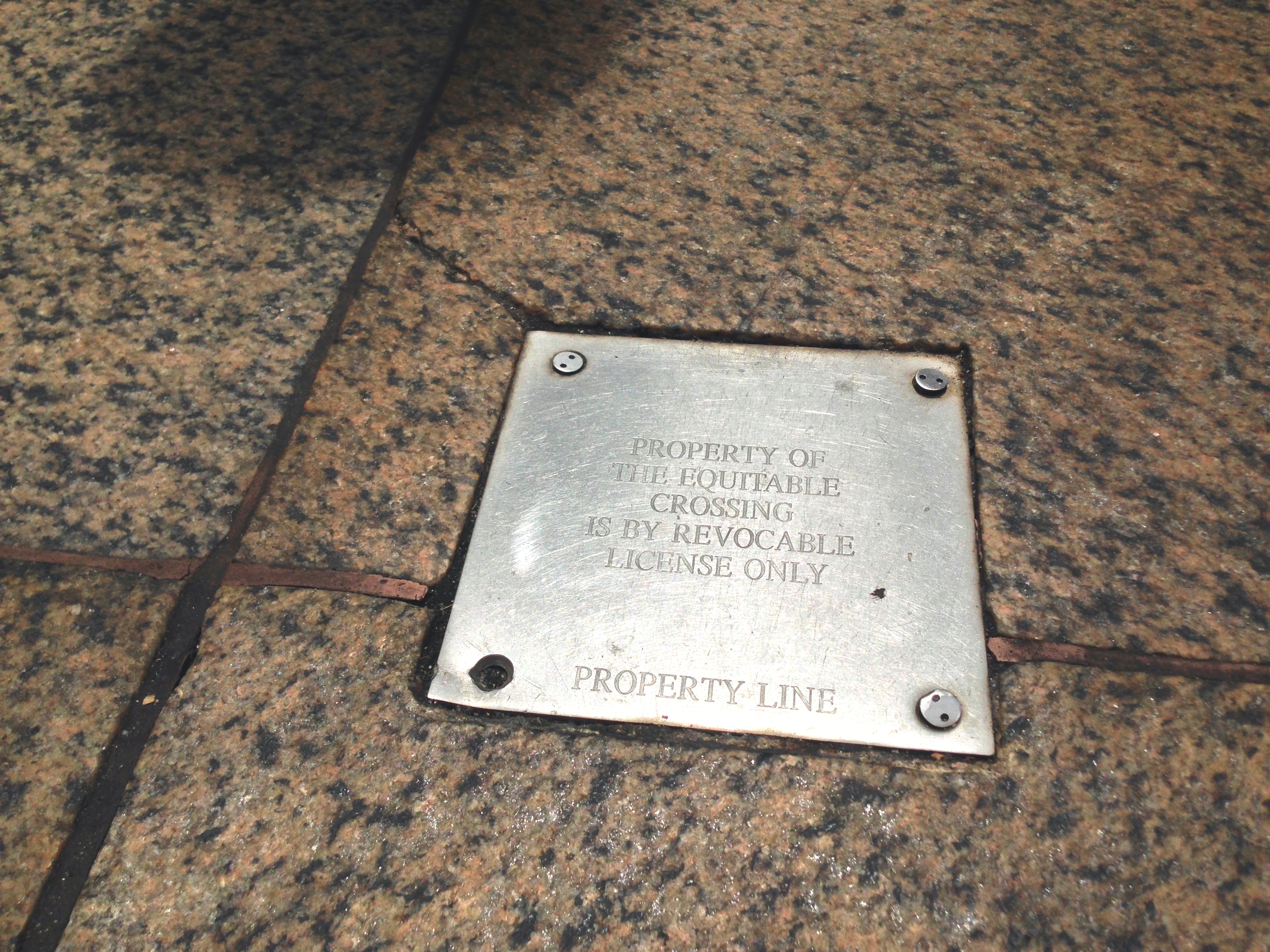
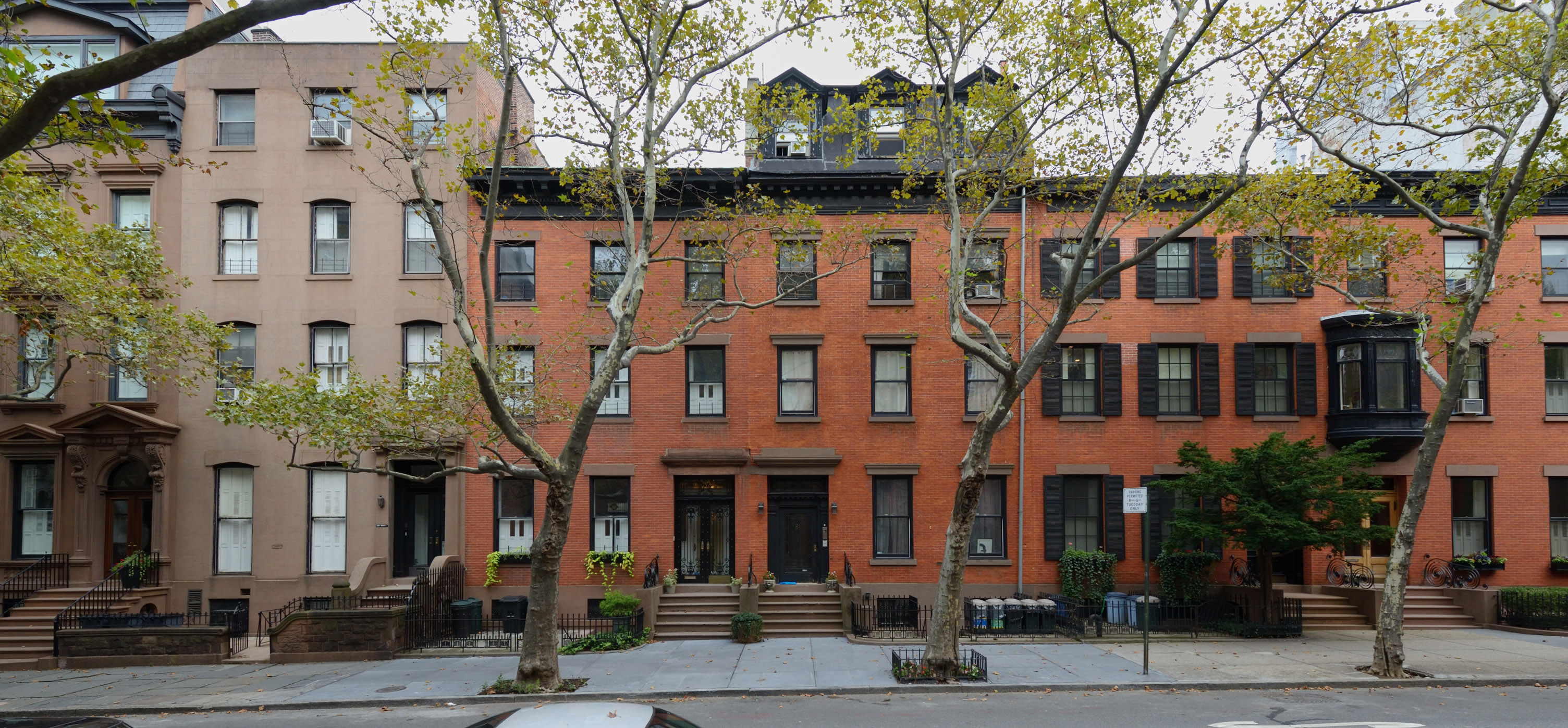
Finally, in dense urban environments like New York City rowhouses, you will frequently encounter shared infrastructure. A party wall easement exists when adjacent property owners share a single dividing structural wall on the property line. Each owner physically owns their half of the wall but holds an easement for the support of the other half.
Just as easements are created, they can be extinguished. An encumbrance is a permanent scar on a title only if it is allowed to remain. You must know the mechanics of termination to advise a client on whether they can clear a title issue before closing.
- Formal Release: The cleanest method. An easement can be terminated by a formal written release from the dominant tenement owner to the servient tenement owner.
- Merger: You cannot have an easement over your own land. Therefore, an easement is terminated by merger when a single individual acquires ownership of both the dominant and servient tenements. If your client buys the house next door, the driveway easement dissolves into unified ownership.
- Cessation of Purpose: Rights tied to a specific condition vanish when the condition does. An easement by necessity automatically terminates when the necessity no longer exists (e.g., the county builds a new public road bordering the previously landlocked parcel).
- Expiration: Similarly, an easement created for a specified time frame automatically terminates upon the expiration of that specified period.
- Abandonment: This is a highly tested and frequently misunderstood concept. Mere non-use of an easement does not automatically constitute legal abandonment. If a neighbor simply stops using a path for twenty years, the easement remains legally valid. Terminating an easement by abandonment requires an overt act demonstrating clear intent to permanently relinquish the right, such as the dominant owner building a solid brick wall across their own access point to the path.
While easements dictate who can use the land, deed restrictions dictate how the owner can behave on it.
A deed restriction is a private limitation imposed by a grantor on the future use of a property. These are commonly referred to as restrictive covenants. Unlike zoning laws, which are enforced by the government, deed restrictions are private contracts rooted in the property's chain of title.
Because they are woven into the title itself, deed restrictions run with the land and legally bind all subsequent owners of the burdened property.
Development and Enforcement
Why do these exist? Deed restrictions are frequently used by subdivision developers to maintain uniform neighborhood standards. A developer building a luxury enclave might record restrictions mandating specific architectural styles, forbidding chain-link fences, or prohibiting commercial vehicle parking in driveways. This protects property values across the entire subdivision.
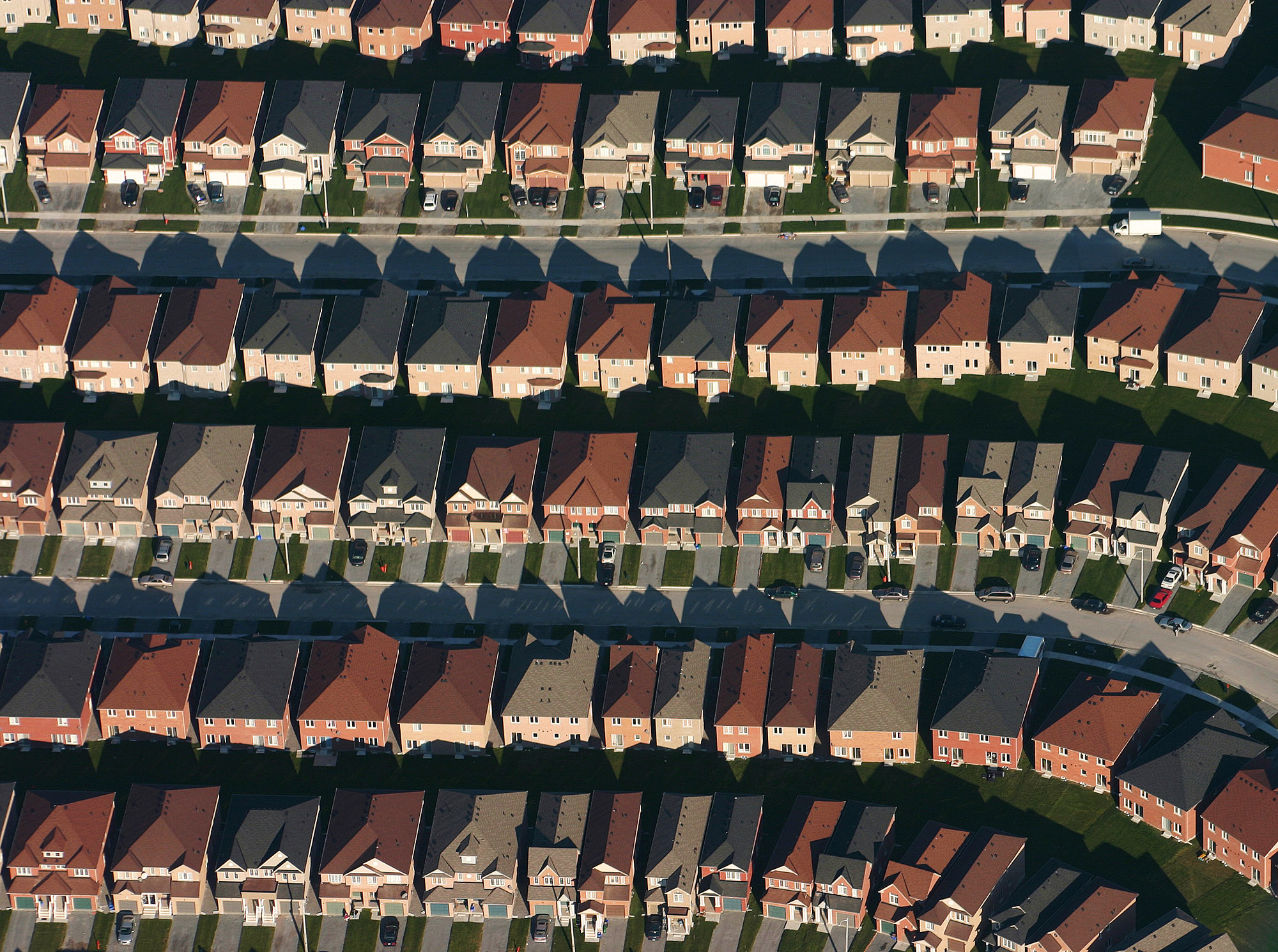
Once the developer moves on, the local homeowners association enforces subdivision deed restrictions through a document called Covenants, Conditions, and Restrictions (frequently abbreviated as CC&Rs).
If a homeowner paints their house neon pink in violation of the CC&Rs, the HOA or neighboring property owners can seek a court injunction to legally stop a neighbor from violating a deed restriction.
Conflicts and Limitations
Deed restrictions are powerful, but they are not absolute. They operate within a hierarchy of law and equity.
- Zoning Conflicts: What happens if the local municipality zones an area for multi-family homes, but the deed restriction limits the parcel to single-family use? The rule is simple and absolute: When a local zoning ordinance and a deed restriction conflict, the stricter of the two regulations must be followed. In this case, the property remains single-family.
- The Doctrine of Laches: In real estate, if you sleep on your rights, you might lose them. The legal doctrine of laches can prevent the enforcement of a deed restriction due to an unreasonable delay in asserting the right. If a neighbor builds a forbidden second-story deck, and the HOA watches them build it all summer without objecting, the court may rule that the HOA waited too long to demand it be torn down.
- Civil Rights: Private contracts cannot supersede constitutional protections. A deed restriction cannot legally violate local, state, or federal fair housing laws. Historically, discriminatory covenants were used to enforce segregation. Today, a deed restriction prohibiting the sale of a property to specific racial groups is legally void and unenforceable. Even if such language survives on a dusty 1920s deed, it has zero legal weight and is struck down by the Fair Housing Act.
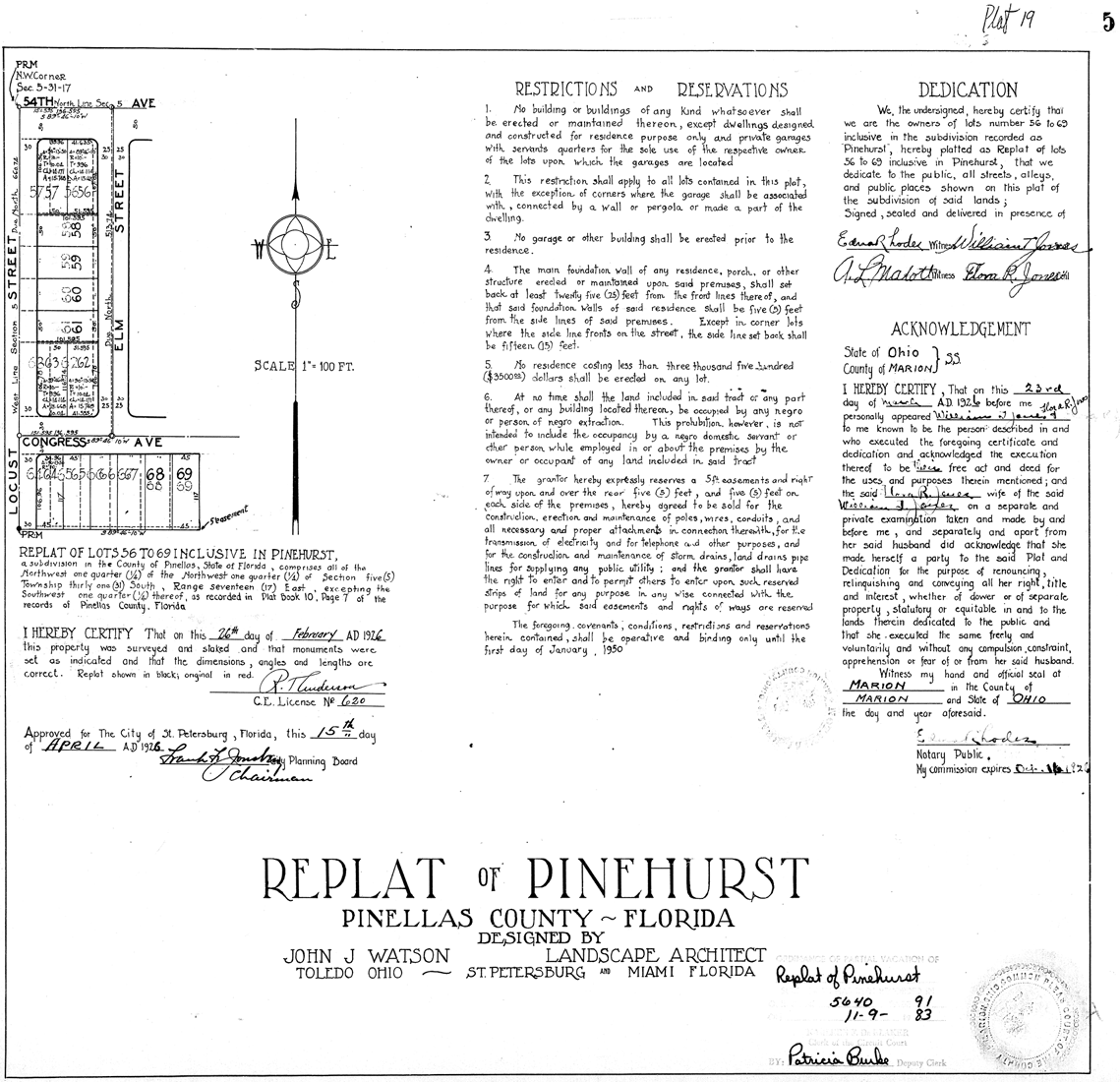
As an agent, your ability to articulate the precise nature of these property rights transforms you from a mere salesperson into an indispensable advisor. When you can look at a boundary line and explain exactly how an easement appurtenant benefits a parcel, or why an expired doctrine of laches prevents an HOA from suing your buyer, you have mastered the true underlying product of the real estate industry: the law of the land.