Essential Elements of a Deed
Not sure you’re ready?
Take the ~3-minute readiness diagnostic and see where you stand.
When you observe a skyscraper in Manhattan or a sprawling farmhouse in the Hudson Valley, you are seeing the physical manifestation of real estate. But the property itself—the invisible bundle of legal rights that dictates who commands that physical space—exists entirely in the abstract. To move those invisible rights from one person to another requires a specific mechanism. A deed is a written legal instrument that transfers ownership of real property from one party to another.
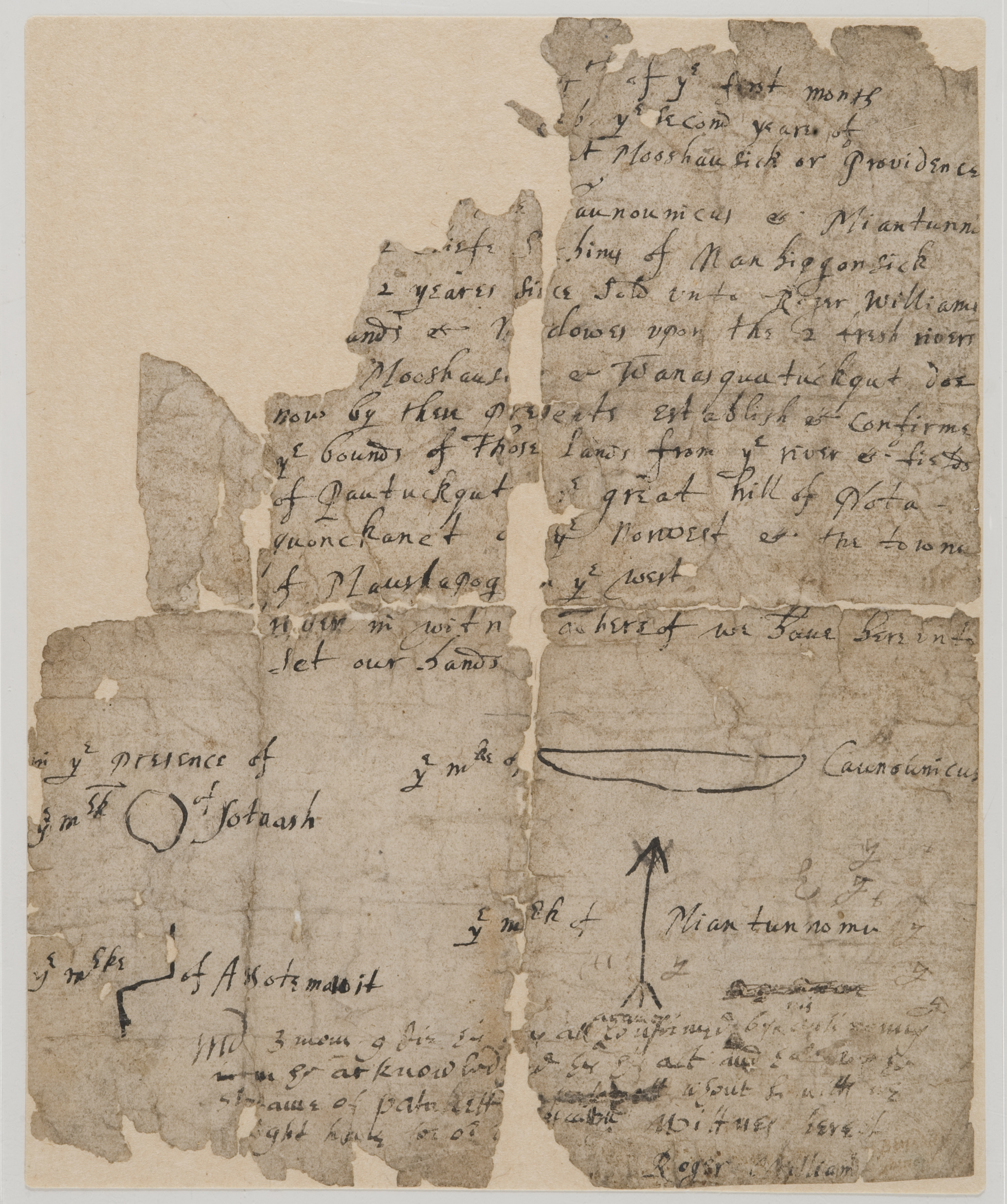
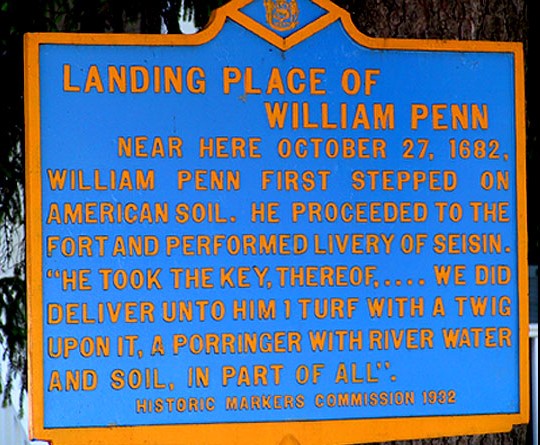
Historically, title to land was transferred through a ritual called livery of seisin, where the seller handed the buyer a clump of dirt or a twig from the property in front of witnesses. Today, we have replaced the clump of dirt with a piece of paper. The Statute of Frauds requires all deeds transferring real property to be in writing to be legally enforceable. This rule eliminates the chaos of relying on human memory for something as profound as property rights.
To understand a deed, you must view it not as a simple receipt, but as a carefully engineered legal vehicle. Every paragraph, signature, and stamp serves a specific function to ensure those abstract rights are properly severed from the seller and firmly attached to the buyer.
Every real estate transfer is fundamentally an asymmetrical transaction. One person is giving away a massive legal bundle of rights, and another is passively receiving it. Because of this, the law treats the two parties very differently.
The Grantor
The grantor is the current property owner conveying the real estate title. Because the grantor is the one surrendering rights, the law subjects them to strict scrutiny to ensure they are fully aware of their actions.
A valid deed requires a legally competent grantor. Specifically, a grantor must be of sound mind to execute a legally valid deed. Furthermore, age matters: a grantor in New York must be at least eighteen years old to execute a valid deed. If these standards are not met, the transfer stands on unstable ground. For instance, a deed executed by a minor in New York is legally voidable by the minor, meaning the minor has the power to undo the transaction upon reaching adulthood.
If the grantor is not a human being but a corporation, the rules adapt. A corporate grantor must have a resolution passed by the board of directors to authorize the signing of a deed. (Historically, corporations also had to stamp the document with a physical embosser, but a corporate seal is no longer strictly required for a valid deed in New York).

The Grantee
The grantee is the person or entity receiving the real estate title.
Unlike the grantor, a grantee does not need to be legally competent to receive title to real property. A newborn baby, a person lacking mental capacity, or a minor can all safely and legally receive title. The law assumes that receiving property is inherently beneficial, so protective barriers regarding competency are unnecessary. However, a valid deed must name a clearly identifiable grantee. You cannot grant property to "the first person who walks through the door tomorrow"; the recipient must be fixed and knowable.
If you dissect a deed, you will find specific clauses that power the transfer, much like an engine powering a car.
Consideration
First, a valid deed must contain a clause acknowledging the receipt of consideration. Consideration is the legal concept of value exchanged. Most commonly, consideration in a deed can take the form of money or other valuable goods. But in the world of real estate, properties are frequently gifted to family members. In these cases, consideration in a deed can be defined as love and affection between relatives. The deed will simply state that it was transferred for "one dollar and other good and valuable consideration" to satisfy the legal requirement that an exchange occurred.
The Granting Clause
This is the action verb of the document. A valid deed must include a granting clause. A granting clause contains words of conveyance, such as "grants, bargains, and sells" or "remises, releases, and quitclaims." These words of conveyance state the explicit intention of the grantor to transfer property ownership. Without them, the deed might just look like an acknowledgment of a fact, rather than a dynamic transfer of power.
The Habendum Clause
Directly following the granting clause is the habendum clause. You can easily spot it because the habendum clause in a deed begins with the words 'to have and to hold'.
If the granting clause provides the engine, the habendum clause provides the steering wheel. The habendum clause defines the specific type of ownership interest or estate being granted to the grantee (for example, whether the property is being granted forever in "fee simple," or only for the duration of someone's life in a "life estate").
The Conflict Rule: Occasionally, a poorly drafted deed will have a contradiction between these two critical sections. For example, the granting clause might give the property outright, while the habendum clause restricts it to a life estate. In the eyes of the law, the initial intention matters most: the granting clause legally prevails over the habendum clause in the event of a contradiction between the two sections.
Legal Description
You cannot convey an ambiguous asset. A valid deed must contain an accurate legal description of the real estate being conveyed.
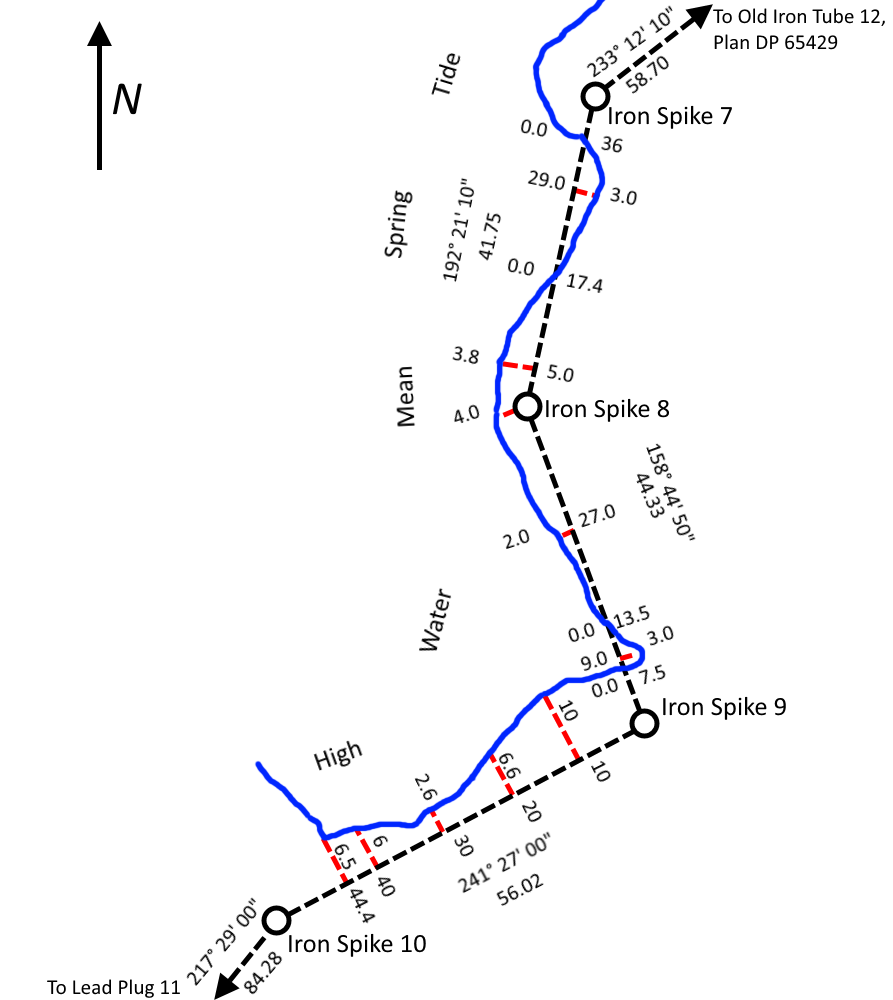
As a real estate salesperson, you operate using street addresses. But a street address alone is legally insufficient as a property description in a real estate deed. Street names change, house numbers get reassigned, and mailboxes move. Instead, surveyors map the exact geometric boundaries of the earth. Metes and bounds is a common method used for the legal description in a New York deed, tracing the property lines using distances (metes) and directional angles (bounds) from a fixed starting point.
A grantor cannot convey rights they do not own, and sometimes they choose not to convey everything they do own. This is where carve-outs appear in the deed.
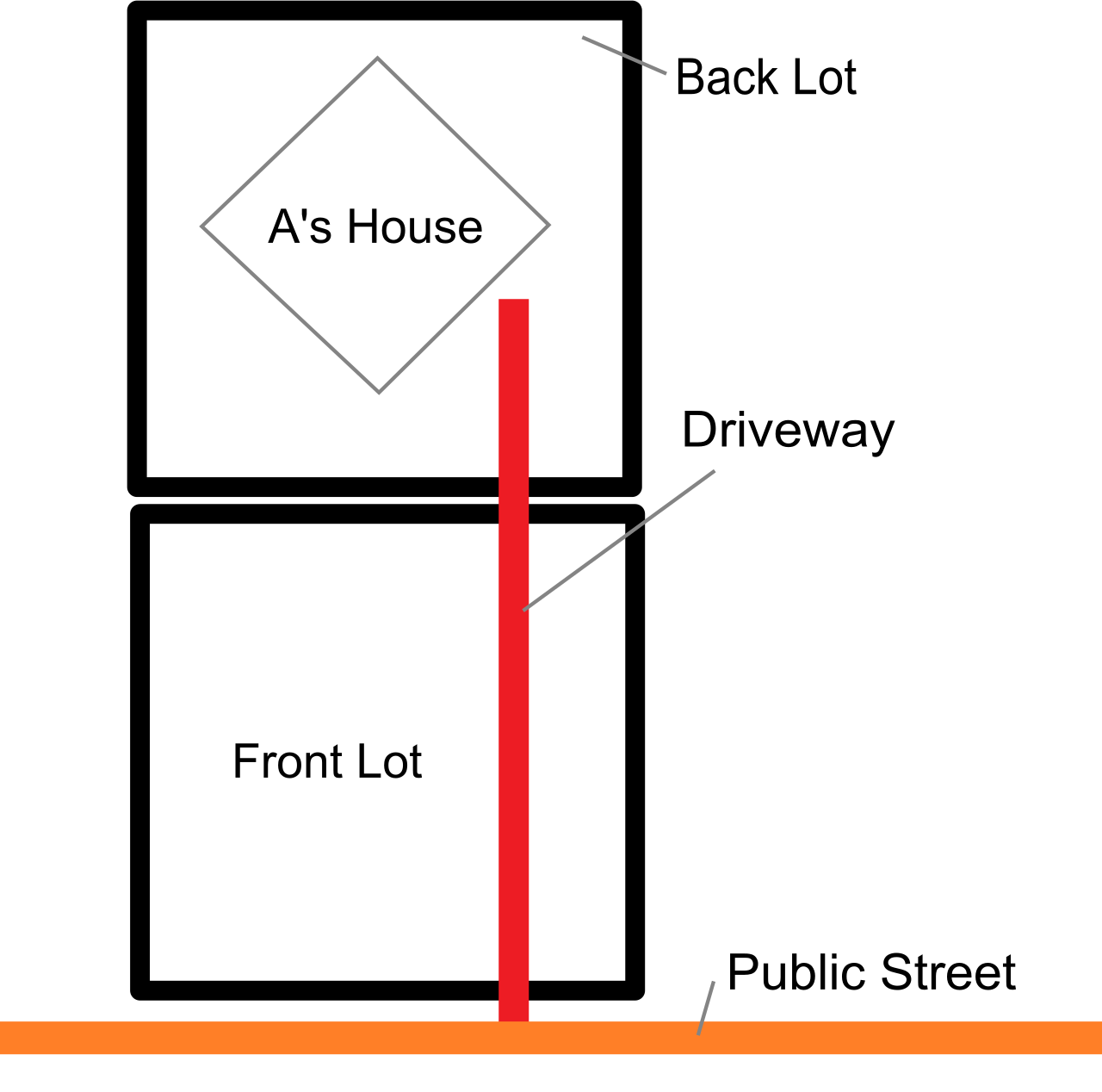
- Exceptions in a deed note existing encumbrances on the property title. If the property has a utility easement allowing the electric company to run wires across the backyard, the deed will list this as an exception. The grantor is telling the grantee, "You are getting the whole property, except for this preexisting right held by someone else."
- Reservations in a deed indicate rights retained by the grantor. For instance, a grantor selling a massive farm might reserve the mineral rights for themselves, or reserve a right-of-way to cross the land to access a nearby lake.
Once the deed is drafted with its clauses, descriptions, and carve-outs, it must be brought to life. An executed deed is a deed that has been properly signed by the grantor.
A valid deed must contain the signatures of all grantors named in the document. If three siblings own a house together, all three must sign to convey full title.
What about the buyer? Because the deed represents a one-way surrender of rights, a grantee is generally not required to sign a real estate deed. The grantee simply accepts the document. However, there is one major exception you will encounter in real estate finance: assumption of an existing mortgage requires the grantee to sign the real estate deed. If the buyer is agreeing to take on the legal obligation of paying the seller's existing debt, they must sign the deed to formally bind themselves to that heavy financial liability.
Interestingly, while we are obsessed with dating contracts in modern business, a date is not strictly required for a deed to be legally valid. The exact moment of legal transfer relies on actions (delivery), not the date written at the top of the page.
Here is a nuance that frequently trips up even seasoned real estate professionals: the difference between a deed being valid and a deed being recordable.
An acknowledgment is a formal declaration made before an authorized public officer such as a notary public. An acknowledgment confirms that the signature of the grantor on the deed was made voluntarily, and that the person signing truly is who they claim to be.

Strictly speaking, an acknowledgment is not required to make a deed legally valid between the grantor and grantee. If a competent grantor signs a deed on a napkin and hands it to the grantee without a notary present, legal ownership has transferred between those two people.
So why do we notarize every deed at closing? Because of the rest of the world. New York law requires a deed to be acknowledged to be eligible for recording in the county public land records. If you do not record the deed, you cannot prove to future buyers, banks, or title insurers that you own the property. Therefore, getting the deed acknowledged is an absolute practical necessity, even if it isn't technically required for the raw, underlying validity of the transfer.
A fully signed, completely perfect deed sitting in a seller's desk drawer transfers exactly zero real estate.
Legal title to real estate transfers only upon the delivery of the deed by the grantor, and reciprocally, legal title to real estate transfers only upon the acceptance of the deed by the grantee. The deed must be physically or constructively passed from the giver to the receiver.
The timing of this hand-off is a matter of life and death. Delivery of a real estate deed must occur during the lifetime of the grantor. If an elderly owner signs a deed, hides it in a safe, and passes away, their heirs cannot simply find the document and give it to the grantee. A real estate deed delivered after the death of the grantor fails to transfer legal title. The "agency" required to execute the delivery died with the grantor; the property must now go through probate.
To manage complex closings, a grantor can deliver a deed to a third-party escrow agent for future delivery to the grantee once specific conditions (like funds clearing the bank) are met.
Finally, once the closing is done and the papers are sent to the county clerk, the law grants a massive protective shield to the buyer: recording a deed in the county clerk records creates a legal presumption of valid delivery and acceptance. It serves as public, definitive proof that the hand-off successfully occurred.
The New York State Paperwork (The Closing Reality)
You will rarely interact with a naked deed. In New York, the county clerk will reject an isolated deed unless it is paired with its required tax and tracking forms.
To complete the recording process, two specific state forms must be attached:
- New York requires form RP-5217 to accompany a deed for recording. Form RP-5217 is the New York State Real Property Transfer Report. This form tracks the sales price and property data, which municipal assessors use to calculate property taxes.
- New York requires form TP-584 to accompany a deed for recording. Form TP-584 is the New York State Combined Real Estate Transfer Tax Return. This form ensures that all state and local transfer taxes (the fees charged by the government for the privilege of transferring real estate) have been calculated and paid.
When you understand the deed—not as an administrative hurdle, but as a precise, atomic formula that instantly reassigns the invisible rights of the physical world—you begin to understand the true mechanics of the real estate industry. You are not selling bricks; you are facilitating the transfer of these legal guarantees.