Disciplinary Proceedings
Not sure you’re ready?
Take the ~3-minute readiness diagnostic and see where you stand.
Every transaction in the New York real estate market operates on an invisible foundation of public trust. When a buyer transfers a $50,000 earnest money deposit, or a seller signs away the exclusive right to market their home, they are relying on the state’s absolute assurance that the professional sitting across the table is competent, honest, and strictly regulated. When that trust fractures, the state’s intervention is swift and severe. Article 12-A of the New York Real Property Law serves as the architectural blueprint of this trust. It is not merely a set of suggestions; it is a rigorous statutory framework whose primary purpose is to protect the general public from improper real estate practices.
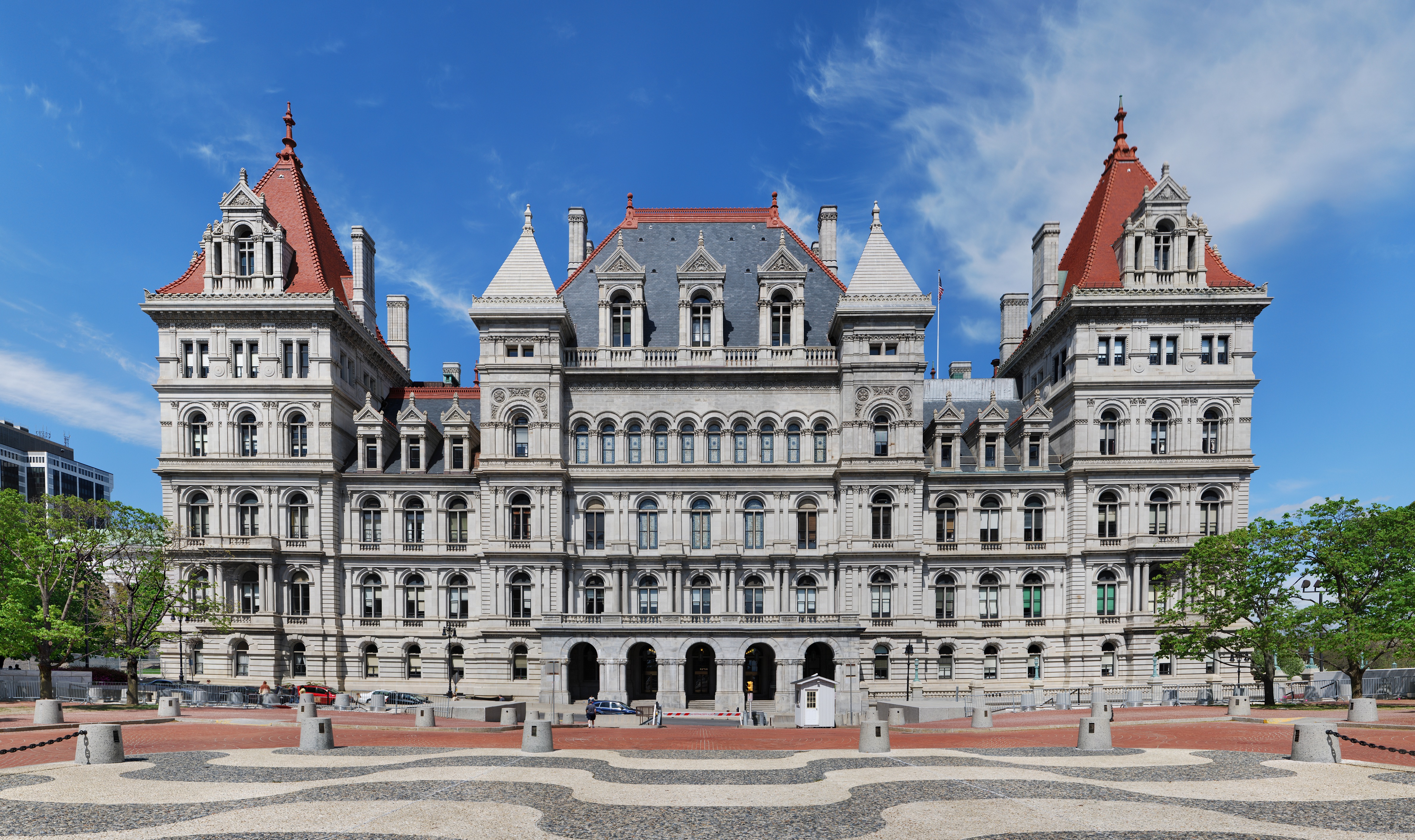
To understand disciplinary proceedings, you must first understand the authority enforcing them. Article 12-A of the New York Real Property Law grants the Department of State (DOS) the authority to regulate real estate brokers and equally grants the Department of State the authority to regulate real estate salespersons.
However, the DOS’s reach is not confined solely to card-carrying members of the profession. The agency actively investigates complaints against unlicensed individuals engaging in regulated real estate activities, just as it investigates complaints against licensed real estate practitioners. You cannot shield yourself from state law simply by failing to obtain the proper credentials. In fact, operating a real estate brokerage without a valid New York license violates Section 440-a of the Real Property Law, immediately drawing the state’s ire.
While the DOS possesses formidable power, its jurisdiction has specific boundaries. Because the primary purpose of Article 12-A is public protection, the New York Department of State lacks jurisdiction to discipline a real estate broker for isolated business disputes having no adverse effect on the general public. If two brokers are arguing over a commission split or office expenses, that is a private civil matter, not a DOS disciplinary issue.
Conversely, a licensee’s behavior outside the office can trigger an investigation. Misconduct committed by a real estate licensee outside of professional real estate activities can serve as the basis for a Department of State disciplinary proceeding. The state views your license as a reflection of your underlying character. Therefore, a real estate licensee demonstrating untrustworthiness in a separate licensed profession can face real estate license revocation in New York. Furthermore, the New York Department of State can deny the renewal of a real estate license based upon the licensee's prior criminal conviction for sexual misconduct.
When a practitioner deviates from the law, Section 441-c of the New York Real Property Law outlines the disciplinary powers of the Department of State regarding real estate licenses. The state does not require a pattern of bad behavior to bring the hammer down; the commission of a single prohibited act under Article 12-A of the New York Real Property Law constitutes a full violation of the statute.
Degrees of Discipline
If an agent or broker commits a violation, the DOS has several tools at disposal, ranging from warnings to professional execution:
- Reprimand: For less severe infractions, the New York Department of State can issue a formal written reprimand to a real estate licensee instead of a license suspension, or instead of a license revocation. This remains on your record but allows you to continue practicing.
- Fines: The New York Department of State can impose a fine not exceeding $2,000 against a real estate licensee for a violation of Article 12-A. In an elegant alignment of penalty and public good, fifty percent of the money collected from Department of State fines against real estate licensees is directed to the New York anti-discrimination in housing fund.
- Suspension & Revocation: For severe breaches, the DOS will suspend or permanently revoke your ability to practice.
Grounds for Revocation
To protect the public, the DOS will sever a licensee's right to practice for fundamental failures in character or capability. Specifically:
- The New York Department of State can revoke a real estate license for a demonstration of professional untrustworthiness.
- The New York Department of State can revoke a real estate license for a demonstration of professional incompetency.
- Engaging in fraudulent business practices provides grounds for the New York Department of State to revoke a real estate license.
These standards mean you must be meticulously honest from the very beginning. Even making a material misstatement on a real estate license application violates Article 12-A of the New York Real Property Law, proving untrustworthiness before you ever list a property.
To see how these abstract laws map onto your daily reality as an agent, let us examine several specific violations you must avoid.
Escrow and Financial Misconduct
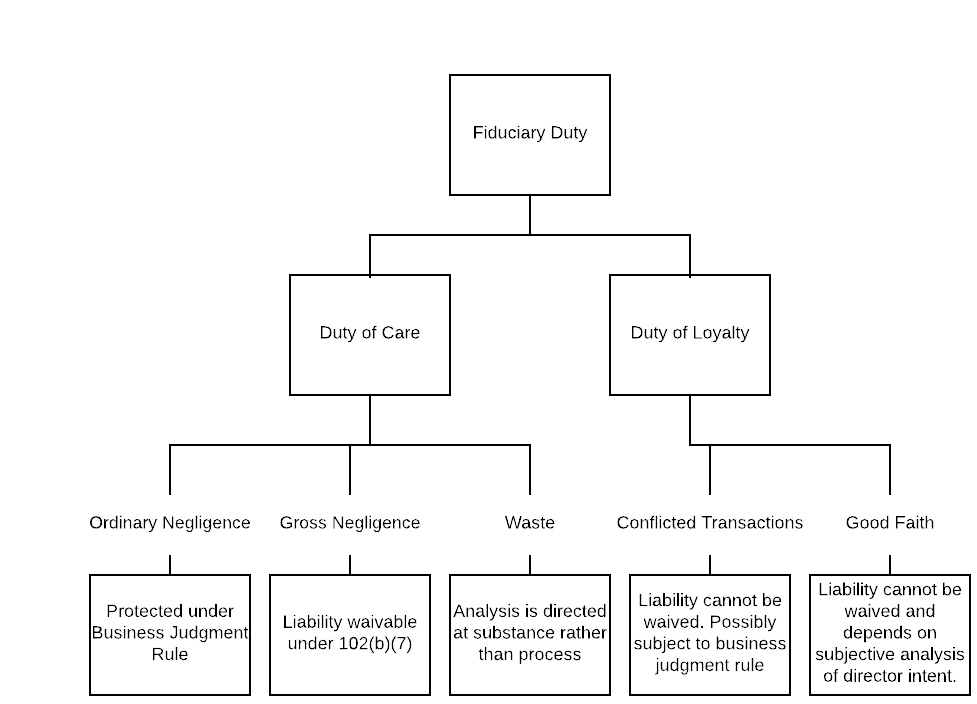
When you hold a client's deposit, you are acting as a fiduciary. Misappropriating client funds from an escrow account constitutes a serious breach of real estate license law known as a trust fund violation. If you use a buyer's down payment to cover your office rent, even temporarily, you have demonstrated gross untrustworthiness and face certain revocation. Furthermore, paying a real estate commission to an unlicensed individual for activities requiring a real estate license violates New York state law. Compensation is strictly regulated; money cannot flow to unauthorized parties.
Advertising and Misrepresentation
In the rush to market a property, agents often rely on estimates. Be precise. Misrepresenting the total square footage of a property in an advertisement is a deceptive practice punishable under the New York Real Property Law. Marketing must reflect objective reality. Similarly, a real estate licensee allowing an unauthorized person to use the licensee's broker identification commits professional misconduct. Your license and identity are non-transferable.
The Unauthorized Practice of Law
A common trap for eager real estate professionals is the desire to "just draft a quick clause" to close a deal. Remember your boundaries. A real estate licensee providing legal advice to clients without an attorney license commits the unauthorized practice of law. More specifically, a real estate broker preparing legal documents with detailed mortgage terms without an attorney license engages in the unauthorized practice of law.
Why does this matter? Because real estate professionals are not trained to foresee the complex legal liabilities inherent in custom contract drafting. Doing so crosses a bright line, and the unauthorized practice of law by a real estate licensee demonstrates untrustworthiness under the New York Real Property Law.
Market Manipulation
Real estate is a competitive free market. Attempting to artificially control it is a severe offense. A real estate agent coordinating with competing brokers to fix commission rates commits an antitrust violation subject to state discipline. Commissions are always negotiable; any "standard rate" agreement among competitors is illegal.
A real estate brokerage is not a franchise of independent contractors acting in a vacuum; it operates more like a biological organism where the broker is the central nervous system.
If an agent misbehaves, the broker cannot simply claim ignorance if they have retreated from management. A real estate broker failing to oversee the daily real estate activities of an associated salesperson commits a failure to supervise violation.
When does the broker actually become legally responsible for the agent's crime?
- A real estate broker assumes liability for a salesperson's license law violation upon gaining actual knowledge of the prohibited conduct.
- Furthermore, a real estate broker assumes liability for a salesperson's license law violation by retaining the financial benefits of the illegal transaction. You cannot keep the commission generated by a fraudulent act and claim innocence.
The Domino Effect of Broker Discipline
Because a salesperson’s license is fundamentally attached to their employing broker, disciplinary actions against the broker trigger a biological shutdown of the entire office.
- The suspension of a New York real estate broker's license automatically suspends the licenses of all salespersons associated with the disciplined broker.
- The revocation of a New York real estate broker's license automatically suspends the licenses of all salespersons associated with the disciplined broker.
If you are a salesperson caught in this crossfire, your path to recovery depends on the severity of the broker's penalty. If the broker is only suspended, a real estate salesperson can automatically resume practicing real estate upon the expiration of the employing broker's temporary license suspension. However, if the broker is permanently revoked, a real estate salesperson facing license suspension due to the revocation of the employing broker's license can regain active status by associating with a new licensed broker.
During any period of discipline, the public must not be misled into believing the office is authorized to operate. Thus, a New York real estate broker is prohibited from displaying a suspended real estate license in the brokerage office, and likewise, a New York real estate broker is prohibited from displaying a revoked real estate license in the brokerage office.
Violating Article 12-A is not just an administrative error; it crosses over into criminal territory.
The Criminal Threshold: Any person violating a provision of Article 12-A of the New York Real Property Law is guilty of a misdemeanor.
Because this is a crime against the state's regulatory framework, criminal actions for violations of Article 12-A of the New York Real Property Law are prosecuted by the New York Attorney General. The stakes are remarkably high: a misdemeanor conviction for a New York Real Property Law violation carries a potential jail sentence of up to one year.
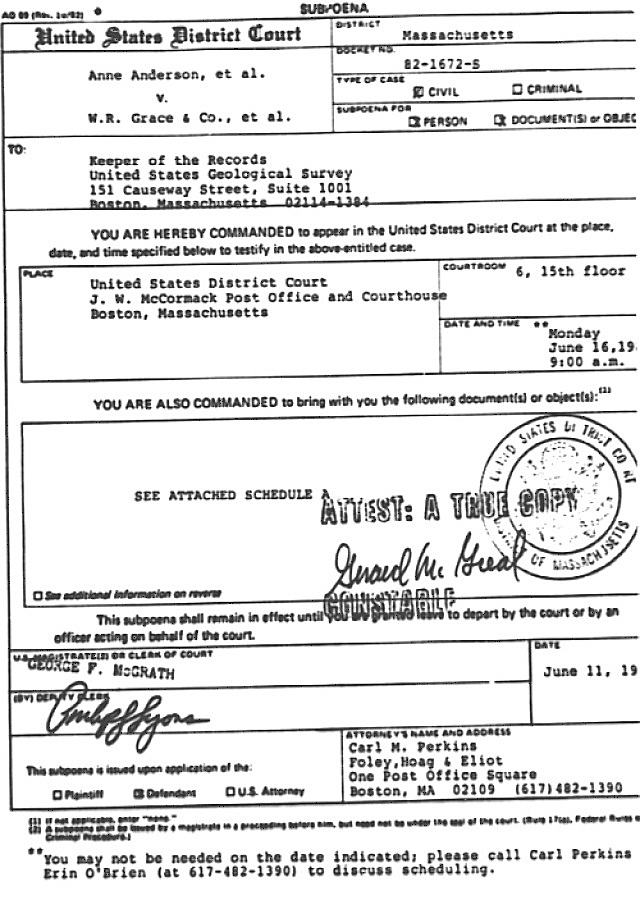
Even during an investigation, your compliance is mandated by law. An individual failing to obey a subpoena from the Department of State during a real estate investigation is guilty of a misdemeanor.
Beyond the Department of State and criminal courts, civil courts also wield immense punitive power to deter predatory behavior. A civil court can order an offending real estate licensee to pay an aggrieved party a penalty up to four times the illegally collected commission amount.
If the worst happens and your license is revoked, the state demands a significant cooling-off period. A real estate professional must wait a minimum of one year from the date of license revocation to become eligible to apply for a new license.
The Department of State does not operate as a blind executioner; there is a rigorous system of due process designed to uncover the facts.
When a serious complaint is leveled against you, the DOS will initiate a formal hearing. Disciplinary hearings for New York real estate licensees are presided over by a Department of State Administrative Law Judge (ALJ). The ALJ acts as the impartial referee, reviewing evidence and determining penalties. Crucially, their power extends beyond merely fining or suspending you; an Administrative Law Judge presiding over a New York Department of State disciplinary hearing has the authority to order a licensee to pay restitution to injured parties, making the victim whole.
The Path of Appeal
If you believe the ALJ made an error in judgment or interpretation of the law, you have the right to appeal. However, the sequence of your appeal is strictly governed by administrative law.
- Internal Appeal: First, a real estate licensee can appeal the decision of a Department of State Administrative Law Judge directly to the New York Secretary of State.
- Exhaustion of Remedies: You cannot bypass the agency's internal hierarchy. A real estate licensee must appeal an Administrative Law Judge's disciplinary decision to the Secretary of State before seeking a civil court review.
- The Article 78 Proceeding: If the Secretary of State upholds the disciplinary action and you wish to escalate the matter to the judicial system, you utilize a specific legal mechanism. An Article 78 proceeding is a specific type of lawsuit used to challenge an administrative decision made by a New York State government agency. Therefore, a real estate licensee uses an Article 78 proceeding to appeal a final disciplinary determination made by the New York Secretary of State.
Time is of the essence when challenging the state. An Article 78 proceeding must generally be filed within four months of receiving a final administrative decision from a New York State agency.
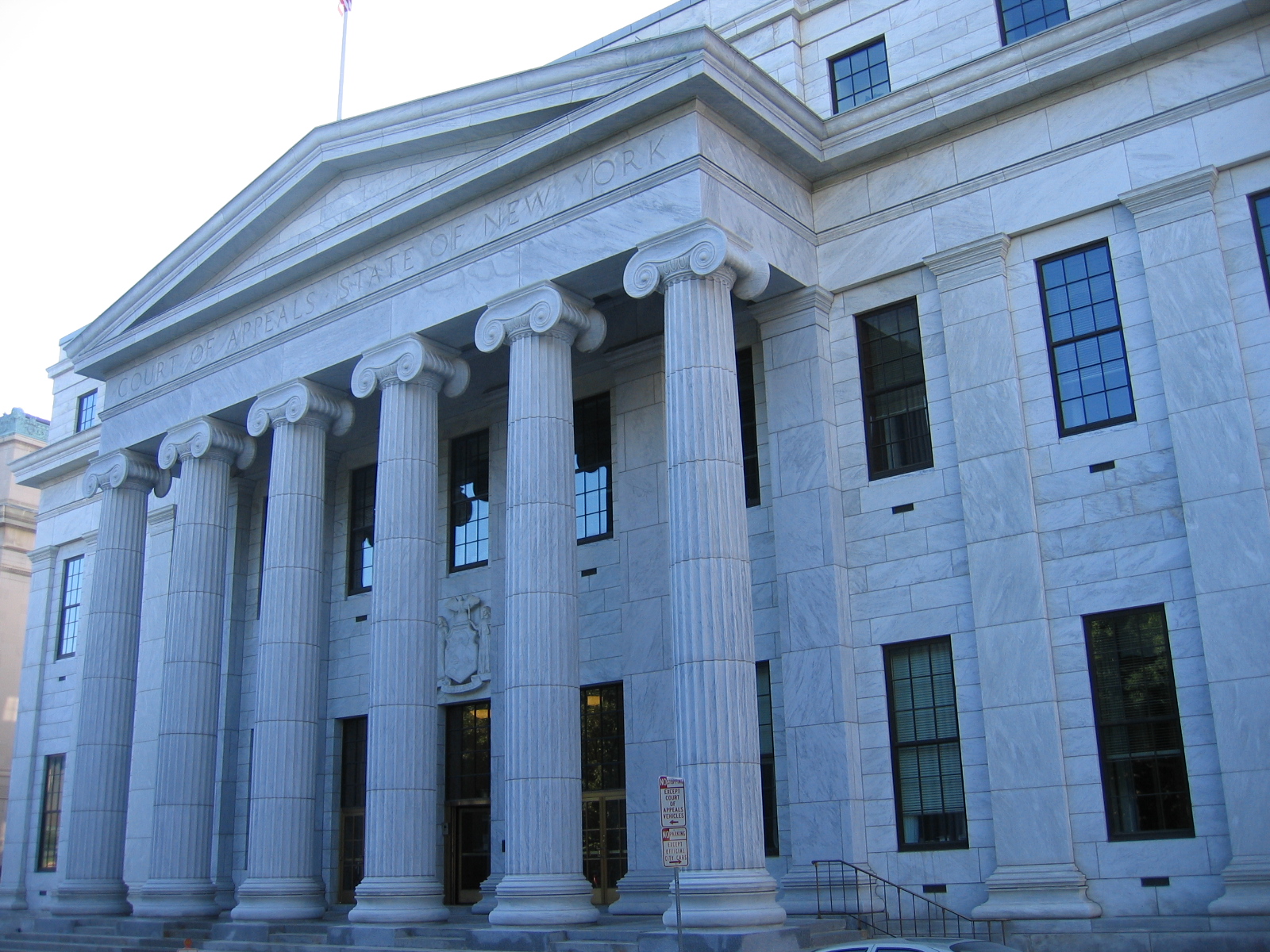
Understanding these disciplinary proceedings is not merely an exercise in exam preparation. It is the roadmap for a long, respected, and legally sound career in New York real estate. Master the boundaries of Article 12-A, respect the scope of your license, and you will not only protect the public—you will protect your livelihood.