Required Property Disclosures
Not sure you’re ready?
Take the ~3-minute readiness diagnostic and see where you stand.
For centuries, New York State historically follows the legal doctrine of caveat emptor regarding residential real estate purchases. The Latin phrase caveat emptor translates directly to "buyer beware." If a buyer purchased a home with a failing foundation or a hidden termite infestation, the legal system's traditional response was essentially a dismissive shrug. The responsibility to uncover defects rested entirely on the purchaser. Today, while the overarching philosophy of buyer responsibility remains intact, the state has engineered specific statutory requirements to force transparency at the negotiating table.

As a real estate salesperson, your ability to navigate these disclosures protects your clients from staggering liabilities and protects your own license. We will examine exactly how New York mandates transparency through two critical statutes: Article 14 and Section 242.
New York Real Property Law Article 14 governs the Property Condition Disclosure Act. This law represents the state's most significant departure from pure caveat emptor.
The core of the statute is simple in theory: The Property Condition Disclosure Act requires sellers to provide a Property Condition Disclosure Statement (PCDS) to residential homebuyers. This form is a standardized, multi-page document that forces the seller to answer specific questions about the physical state of the home, environmental hazards, and structural history.
However, the law is highly specific about who must provide this document. The Property Condition Disclosure Act applies to the sale of one-to-four family residential real estate properties.
To understand the law, you must also understand its boundaries. The state recognizes that certain transactions do not fit the typical seller-buyer dynamic. Therefore, the statute carves out highly testable exemptions.
What is Exempt from the PCDS?
You can logically group these exemptions into three categories: commercial-scale housing, alternative ownership structures, and non-standard transfers.
1. Property Type Exemptions:
- The Property Condition Disclosure Act does not apply to the sale of cooperative apartments. (Co-ops are technically shares of stock in a corporation and a proprietary lease, not traditional real property).
- The Property Condition Disclosure Act does not apply to the sale of condominium units. (Condominiums have their own distinct governing laws and extensive offering plans).
- The Property Condition Disclosure Act does not apply to the sale of vacant land.
- The Property Condition Disclosure Act does not apply to the sale of multi-family properties containing five or more residential units. (Once a building reaches five units, it is classified as commercial property, returning the transaction to a strict commercial caveat emptor standard).
- The Property Condition Disclosure Act exempts the sale of newly constructed residential property that has never been inhabited. (Buyers of new construction are protected by different statutory builder warranties).
2. Legal and Fiduciary Exemptions: These exemptions apply when the person selling the property likely has no personal knowledge of its history because they haven't lived there.
- The Property Condition Disclosure Act exempts property transfers made by a fiduciary during the administration of a decedent's estate.
- The Property Condition Disclosure Act exempts property transfers resulting from a foreclosure sale.
- The Property Condition Disclosure Act exempts property transfers made pursuant to a court order.
3. Relational Exemptions: When property moves between closely tied individuals, the state assumes the condition is already known or handled outside standard market practices.
- The Property Condition Disclosure Act exempts property transfers from one co-owner to another co-owner.
- The Property Condition Disclosure Act exempts property transfers made to a spouse or a blood relative.
- The Property Condition Disclosure Act exempts property transfers between spouses resulting from a divorce decree.
If you speak to veteran agents, they will tell you that for over twenty years, the PCDS was largely ignored. Why? Because the original legislation contained a massive loophole.
Prior to March 2024, New York sellers could avoid providing the Property Condition Disclosure Statement by giving the buyer a $500 credit at closing. Real estate attorneys almost universally advised sellers to take the $500 hit. The rationale was simple: paying a nominal fee was far cheaper than risking a lawsuit over a forgotten roof leak or an incorrectly answered question on a state form.
That era is over.
As of March 20, 2024, New York law eliminates the $500 credit opt-out provision for property condition disclosure. New York residential sellers can no longer pay a $500 credit in lieu of providing a Property Condition Disclosure Statement. Today, compliance is mandatory. The form must be completed.
A common anxiety among sellers when facing the PCDS is that they will be penalized for defects they did not know existed. As an agent, you must clarify the legal standard governing this document.
The Property Condition Disclosure Statement is strictly based on the seller's actual knowledge of the property's condition at the time of signing.
Think of the PCDS as an open-book test of memory, not an engineering exam.
- The Property Condition Disclosure Act does not impose an affirmative duty on sellers to investigate the property for defects.
- Sellers are not required to conduct new home inspections to complete the Property Condition Disclosure Statement.
- Sellers are not required to search public records to complete the Property Condition Disclosure Statement.
The Property Condition Disclosure Statement contains mandated questions allowing the seller to answer yes, no, unknown, or not applicable. If a seller genuinely does not know the age of the roof or the state of the underground pipes, "unknown" is a legally valid and truthful answer.
What the Form Covers
The Property Condition Disclosure Statement includes specific questions about the property's structural condition and mechanical systems (e.g., HVAC, plumbing, electrical). However, the 2024 legislative overhaul expanded the form significantly to address climate and environmental realities.
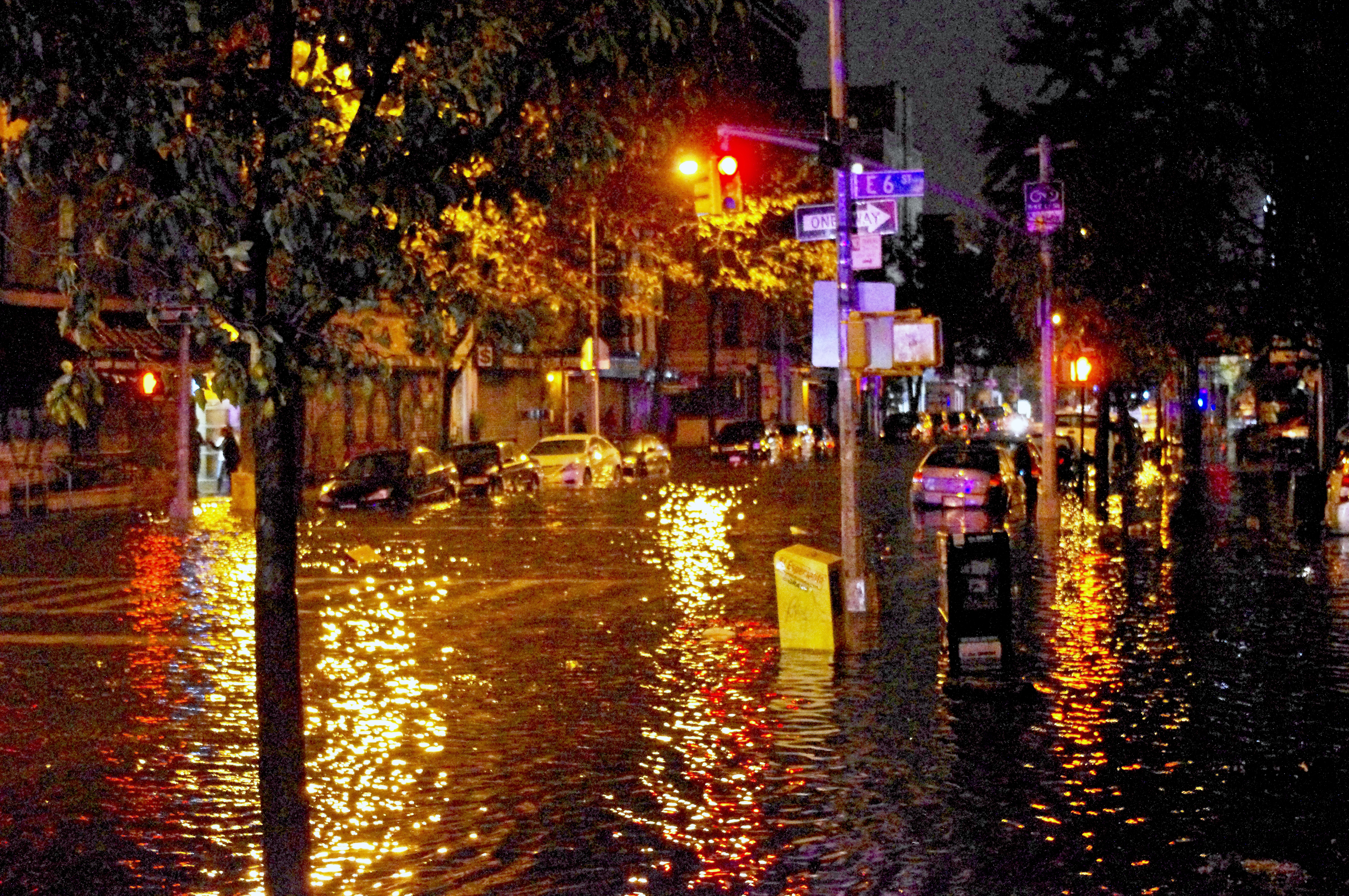
The 2024 Flood Risk Amendments: A 2024 amendment to the Property Condition Disclosure Act requires sellers to disclose property information regarding flood risk. Specifically, a 2024 amendment to the Property Condition Disclosure Act requires sellers to disclose the flood insurance history of the property.
The revised form forces sellers to answer highly specific environmental questions based on their knowledge:
- Sellers must disclose if the property is located in a FEMA-designated 100-year floodplain on the Property Condition Disclosure Statement.
- Sellers must disclose if the property is located in a FEMA-designated 500-year floodplain on the Property Condition Disclosure Statement.
- Sellers must disclose whether federal law requires the property owner to obtain and maintain flood insurance.
Timing in real estate transactions is everything. Providing the PCDS at the closing table is legally useless. The purpose of the disclosure is to inform the buyer's decision before they are legally bound to purchase the home.
Sellers must deliver the Property Condition Disclosure Statement to the buyer before the buyer signs a binding contract of sale. Alternatively, sellers must deliver the Property Condition Disclosure Statement to the buyer's real estate agent before the buyer signs a binding contract of sale. Once both parties agree to the terms, a copy of the fully executed Property Condition Disclosure Statement must be affixed to the real estate purchase contract.
The Obligation to Revise
Real estate transactions can take months to close, and properties are dynamic. What happens if a pipe bursts and floods the basement three weeks after the seller signs a PCDS stating there are no water issues?
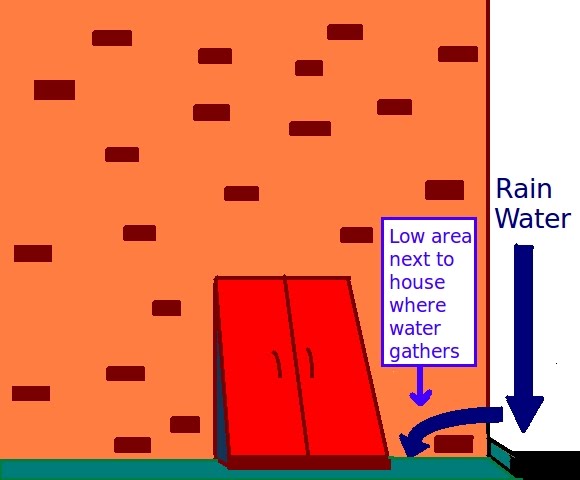
Sellers must revise the Property Condition Disclosure Statement before closing if new information makes the original statement inaccurate. The disclosure is not a snapshot frozen in time; it is a continuing obligation up to the moment the deed is transferred.
Seller Liability
While sellers do not have to investigate defects, they cannot lie, conceal, or ignore updates without consequence.
- Sellers are liable for actual damages suffered by buyers if the sellers provide a false Property Condition Disclosure Statement.
- Sellers are liable for actual damages suffered by buyers if the sellers willfully fail to provide a revised Property Condition Disclosure Statement.
Legal Definition Note: "Actual damages" means the quantifiable financial loss the buyer suffered to fix the hidden defect. It does not mean the buyer can sue for millions in punitive damages simply for the stress of the situation.
A common misconception among clients is that selling a property "as-is" allows them to bypass disclosure laws. This is entirely false.
The Property Condition Disclosure Act does not prevent buyers and sellers from entering into an "as-is" purchase agreement. An "as-is" clause simply means the seller will not make any repairs or offer credits for defects. However, signing an "as-is" purchase agreement does not waive the seller's legal obligation to provide a Property Condition Disclosure Statement. You can sell a broken house, but you must still disclose the broken parts you know about.
Conversely, buyers must understand that a completed PCDS is not a safety net.
- The Property Condition Disclosure Statement is not a substitute for an independent home inspection conducted by the buyer.
- The Property Condition Disclosure Statement does not constitute a warranty of any kind by the seller.
- The Property Condition Disclosure Act preserves the buyer's obligation to conduct property inspections and investigations.
Caveat emptor still breathes. The state forces the seller to be honest about what they know, but the buyer must still hire a professional to find out what the seller doesn't know.
Beyond the standard PCDS, New York imposes highly specific environmental disclosures due to the state's geographical and industrial history, particularly in upstate and western regions.
New York Real Property Law Section 242 governs seller disclosures regarding uncapped natural gas wells.
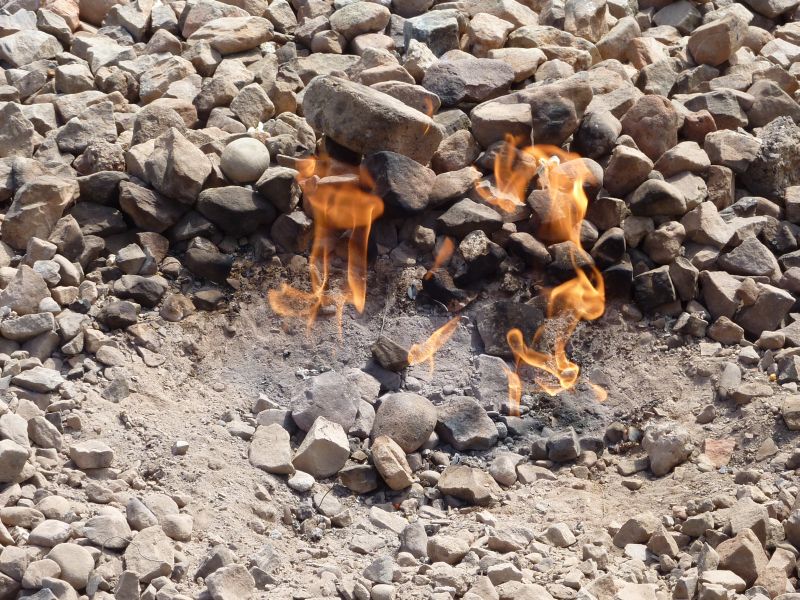
Historically, rural properties in New York may have had natural gas wells drilled on them. When these wells stopped producing, they were sometimes left uncapped, posing severe environmental, health, and fire hazards. Methane leakage and groundwater contamination are serious risks.
Under Section 242:
- Sellers must disclose the existence of uncapped natural gas wells on the property being sold.
- Sellers must inform the purchaser about known uncapped natural gas wells prior to entering into a contract for the sale of the property.
Just like the PCDS, this requirement relies on the seller's awareness. The requirement to disclose uncapped natural gas wells applies only if the seller has actual knowledge of the wells.
If a seller knows about a hazard, hides it, and the buyer discovers it later, the penalty is severe. Buyers who suffer a financial loss due to undisclosed uncapped natural gas wells can recover actual damages from the seller.
Summary for the Professional
As a real estate salesperson, your role is to guide your clients through the minefield of required property disclosures. You must ensure that sellers understand the elimination of the $500 opt-out, the requirement to answer honestly based on actual knowledge, and the necessity of keeping the document accurate through closing. For buyers, you must emphasize that these disclosures, while legally mandated, are merely the starting point of their own due diligence. They must still inspect, investigate, and verify—because at the end of the day, they are buying the property, flaws and all.