Sale of Property with a Mortgage
Not sure you’re ready?
Take the ~3-minute readiness diagnostic and see where you stand.
A real estate transaction is rarely a simple exchange of keys for cash. In almost every closing you will orchestrate in New York, you are not merely transferring a physical asset; you are manipulating a complex web of legal encumbrances. Property ownership (title) and the debt used to finance it (the mortgage) are two distinct legal forces. When a seller decides to convey a property, the outstanding mortgage anchored to that property does not simply evaporate. It must be explicitly resolved, legally transferred, or deliberately ignored—each path carrying profound consequences for the buyer, the seller, and the lender. To navigate the closing table effectively, one must understand exactly how title moves either independently of, or in tandem with, a mortgage lien.
Imagine a mortgage as a heavy steel chain permanently bolted to the front door of a house. The house represents the property's title. You can sell the house, you can hand the keys to a new owner, but unless someone possesses the combination to the padlock, that steel chain remains firmly attached.
When a property with an existing mortgage is sold, the transaction generally takes one of three forms. The differences between these forms dictate who is legally responsible for paying the remaining debt, who risks losing the property to foreclosure, and who will be pursued if the proceeds of a foreclosure sale fall short of what the bank is owed.
1. Sale Free and Clear (Breaking the Chain)
The vast majority of modern real estate transactions are executed as a sale free and clear. This is the cleanest and most absolute way to transfer property.
In a sale free and clear, the seller pays off the existing mortgage balance prior to or at the closing table. Typically, the escrow agent or closing attorney takes the buyer’s incoming purchase funds and routes exactly enough money to the seller's lender to eliminate the debt. As a result, a sale free and clear transfers the property title to the buyer completely without the encumbrance of the seller's original mortgage. The chain is cut; the padlock is removed.
However, the legal system requires proof. Simply writing a check to the bank does not magically update the county ledgers. To officially prove a mortgage has been paid in full, a specific legal instrument called a Satisfaction of Mortgage document is recorded.
Satisfaction of Mortgage: A legal document issued by the lender acknowledging that the promissory note has been paid in full and the mortgage lien is released.
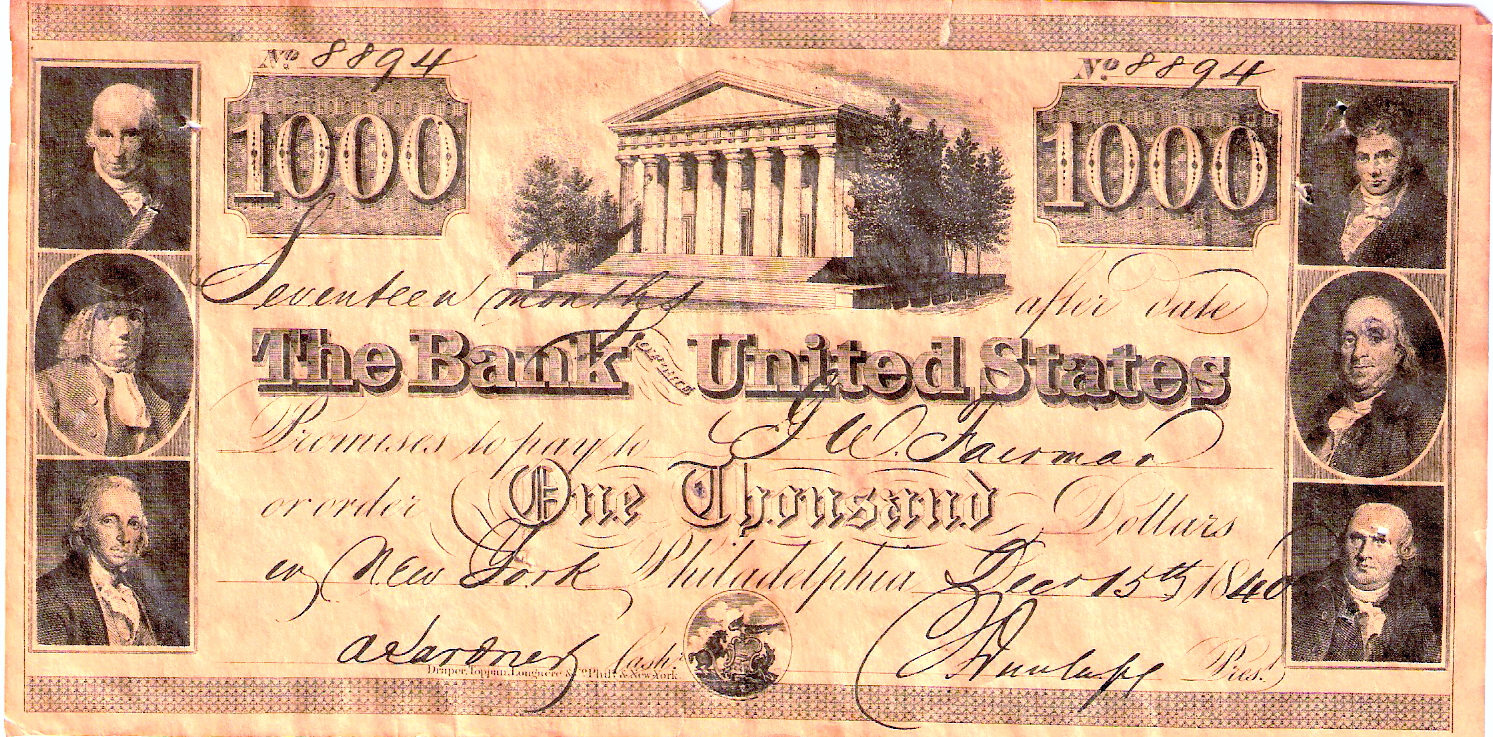
Recording a Satisfaction of Mortgage clears the specific mortgage lien from the property's public record. Until that document is stamped and filed by the county, the ghost of that mortgage still clouds the title, preventing the new buyer from truly owning the property free and clear in the eyes of the public.
2. Sale Subject to the Mortgage (Ignoring the Chain)
What happens if the chain isn't cut? In a sale subject to the mortgage, the buyer receives title to the property while the seller's existing mortgage remains attached to the real estate.
Here is where the physics of debt get deeply counterintuitive. If a buyer takes a property subject to the mortgage, the buyer is not personally legally responsible for repaying the seller's loan debt. The buyer is simply making the monthly payments to keep the bank happy, but they never signed a promissory note with the lender.
Because the mortgage lien remains bolted to the property, the lender retains its ultimate leverage: the right to take the house. If a buyer taking a property subject to the mortgage ceases making payments, the lender can still foreclose on the property. The buyer loses the house, but they lose nothing else.
The original seller, however, is walking a tightrope. In a sale subject to the mortgage, the original borrower remains personally liable for the mortgage debt. If the buyer stops paying, the bank forecloses and sells the house at auction. If the auction does not generate enough money to cover the debt, the lender will seek a deficiency judgment—a court order demanding the payment of the remaining balance. Because the buyer never signed the promissory note, a deficiency judgment resulting from foreclosure on a property sold subject to the mortgage applies only to the original seller.

3. Assumption of the Mortgage (Passing the Chain)
If a sale "subject to" leaves the seller dangerously exposed, an assumption of a mortgage attempts to shift that exposure to the buyer.
In an assumption of a mortgage, the buyer signs an agreement to become personally liable for the repayment of the seller's existing mortgage debt. They are officially stepping into the seller's financial shoes. Because the buyer has accepted personal liability, if the loan defaults, the lender can pursue the buyer for a deficiency judgment in the event of a foreclosure.
But does this let the original seller off the hook? Not entirely. Unless a formal release is granted, a seller remains secondarily liable for the mortgage debt even after a buyer assumes the mortgage. If the buyer defaults and declares total bankruptcy, the lender can turn around and sue the original seller to recover the funds. The seller acts as an involuntary backup guarantor.
Novation: The Ultimate Release
For a seller to achieve absolute financial peace of mind during a mortgage assumption, they must obtain a novation.
Novation: A legal agreement that completely releases the original borrower from mortgage liability.
A novation fundamentally rewrites the arrangement; it replaces the original borrower with the new buyer on the contract. The lender evaluates the new buyer's creditworthiness, approves them, and completely severs the legal tie to the original seller.
You might be wondering: If mortgage rates today are 7%, why don't buyers just assume the seller's old 3% mortgage or buy the property "subject to" that incredibly cheap debt?
The answer lies in a single, formidable paragraph buried within almost every modern mortgage contract: the alienation clause.
An alienation clause in a mortgage contract allows the lender to demand the entire loan balance be paid immediately upon the sale of the property. Because it triggers the moment ownership is transferred, an alienation clause is also widely known as a due-on-sale clause.
Banks are not in the business of subsidizing cheap debt for strangers. A due-on-sale clause prevents a buyer from assuming an existing mortgage without the lender's explicit permission. If a seller attempts to quietly sell the property "subject to" the mortgage, the lender will discover the title transfer, trigger the alienation clause, and demand the immediate payment of the entire hundreds of thousands of dollars owed. This mechanism guarantees that almost all modern real estate transfers must be executed as a sale free and clear.
Real estate law operates on a fundamental premise: secret, invisible claims to land destroy economic stability. If you buy a house, you need absolute certainty that a bank isn't going to show up a year later claiming they have an unrecorded lien from the previous owner. To solve this, society created the recording system.
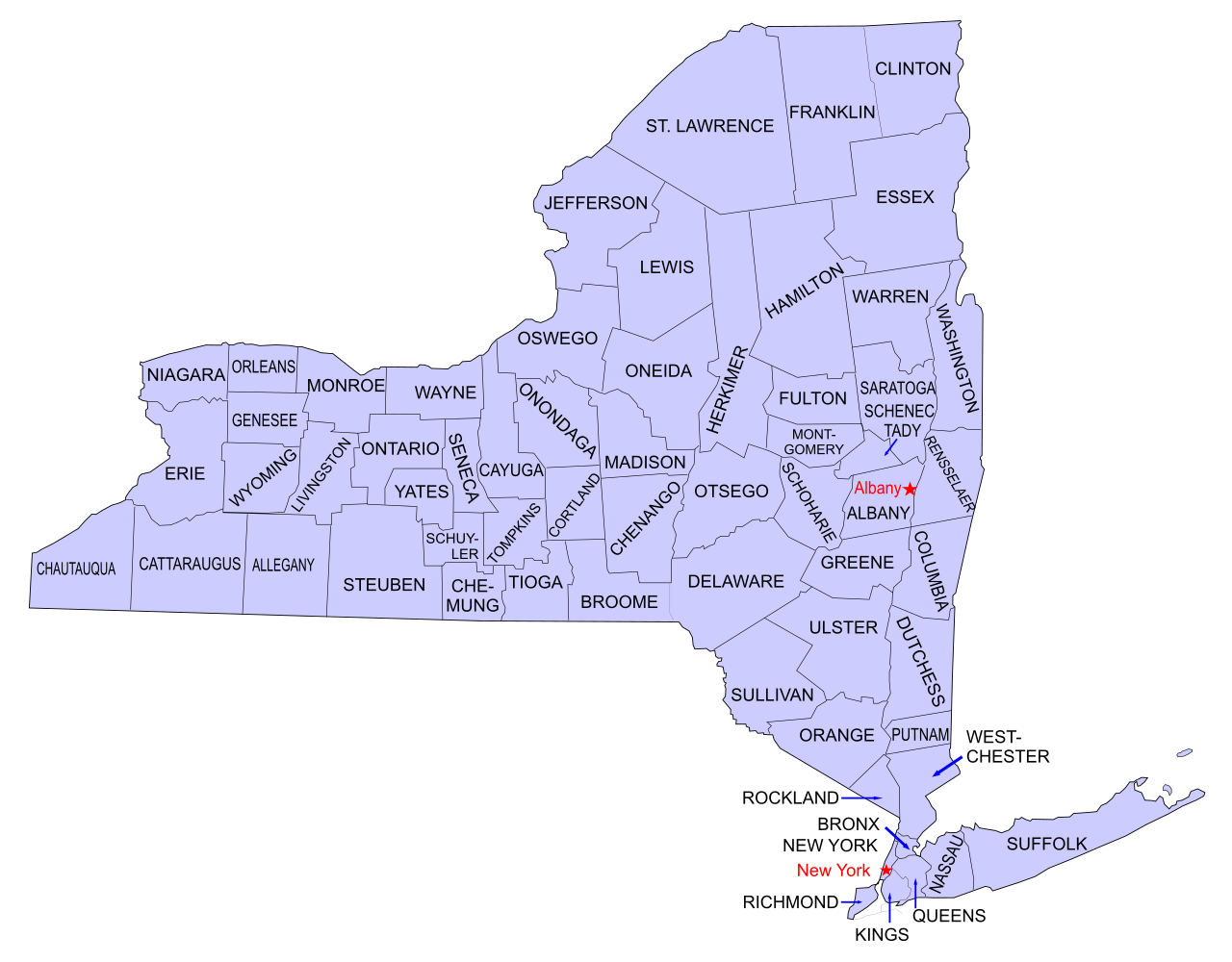
Mortgages in New York are recorded in the county clerk's office in the county where the real estate is physically located. If the property is in Westchester County, the mortgage must be recorded in the Westchester County Clerk's office.
The Power of Constructive Notice
Recording a mortgage does something magical in the eyes of the law: it provides constructive notice to the public of the lender's lien against the specific real estate.
Constructive notice means the law presumes the public has knowledge of a recorded document regardless of actual knowledge. If a bank records its mortgage, and a buyer subsequently purchases the property without checking the county records, the buyer cannot claim, "I didn't know there was a lien!" The law dictates that because the document was recorded, the buyer should have known. Ignorance of the public record is not a legal defense.
New York's Race-Notice Statute
When multiple lenders claim a security interest in the same property, who gets paid first in a foreclosure? New York determines this using a highly specific rule: it uses a race-notice recording statute for real estate documents.
Under a race-notice statute, priority among multiple mortgage liens is generally determined by the date and time of recording. It is a literal race to the county clerk's office. If Bank A issues a loan on Monday, and Bank B issues a loan on Tuesday, but Bank B runs to the clerk's office and records it first without knowledge of Bank A's loan, Bank B wins.
The Golden Rule of Priority: The general rule for mortgage lien priority is first in time equals first in right.
The Fate of the Unrecorded Mortgage
What happens if a lender forgets to record the mortgage entirely? Is the debt voided?
No. An unrecorded mortgage is fully valid between the borrower and lender. The borrower signed a promissory note; they still owe the money. However, an unrecorded mortgage lacks priority against subsequent third-party claims or liens filed against the property.
If a lender fails to record their mortgage, and the homeowner subsequently takes out a second mortgage with a different bank who does record it, the second bank jumps to the front of the line. Therefore, recording a mortgage is an act of ultimate self-preservation: it protects the lender's security interest against subsequent purchasers or competing creditors.
Mastering who owes what is a critical objective for the New York Real Estate Salesperson exam. Use this matrix to internalize the flow of liability when property changes hands.
| Transfer Type | Who Receives Title? | Who is Personally Liable for the Debt? | Who Suffers a Deficiency Judgment? | Does Mortgage Remain on Property? |
|---|---|---|---|---|
| Free and Clear | Buyer | Neither (Debt is extinguished) | N/A | No (Satisfaction of Mortgage recorded) |
| Subject To | Buyer | Seller only | Seller only | Yes |
| Assumption | Buyer | Buyer (Primary) & Seller (Secondary) | Buyer (and Seller if Buyer defaults) | Yes |
| Assumption with Novation | Buyer | Buyer only | Buyer only | Yes |