General Types of Mortgages
Not sure you’re ready?
Take the ~3-minute readiness diagnostic and see where you stand.
Every real estate transaction rests on a foundational tension between leverage and risk. When a buyer seeks to purchase property, the lender provides the capital, but they demand an anchor in return—a mathematical buffer against the possibility of default. This anchor typically takes the form of equity, established through a down payment. However, the modern mortgage market recognizes that requiring a massive initial influx of cash from every buyer would paralyze the housing sector. To solve this, the financial system bifurcates into two distinct mechanisms of risk mitigation: conventional lending criteria and government-backed guarantees. As a real estate professional, your ability to diagnose a client's financial profile and align them with the correct mortgage architecture is often the single variable that determines whether a property closes or a deal collapses at the underwriting desk.
Before we can compare different types of mortgages, we must understand exactly how a bank measures danger. Lenders use the Loan-to-Value (LTV) ratio to assess the financial risk of a mortgage loan. The calculation is simple: it is the loan amount divided by the appraised value (or purchase price) of the property.
The LTV Baseline A conventional loan with exactly a 20 percent down payment represents an 80 percent Loan-to-Value (LTV) ratio.
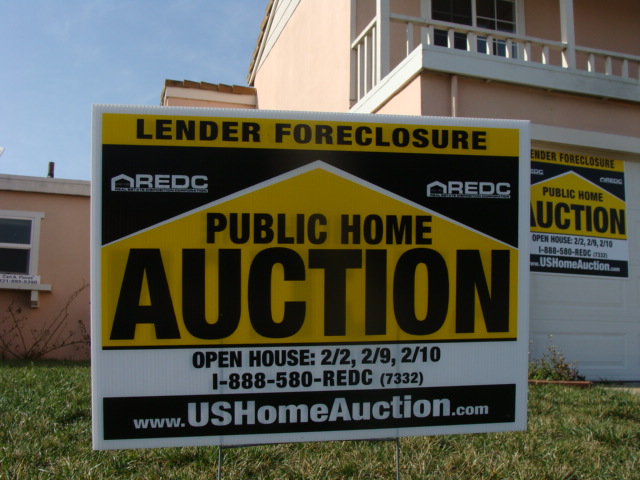
Why does this specific number matter? Because historically, if a property goes into foreclosure, the legal fees, holding costs, and inevitable market discounts typically eat up about 20 percent of the property's value. If the borrower has already put down 20 percent, the bank can foreclose, sell the house at a slight discount, and still break even. When LTV creeps above 80 percent, the lender’s capital is exposed.
A conventional mortgage is a home loan that is not insured or guaranteed by any government agency. Because the lender is operating without a federal safety net, they must act defensively. As a result, conventional mortgages typically require higher credit scores and larger down payments compared to government-backed loans.
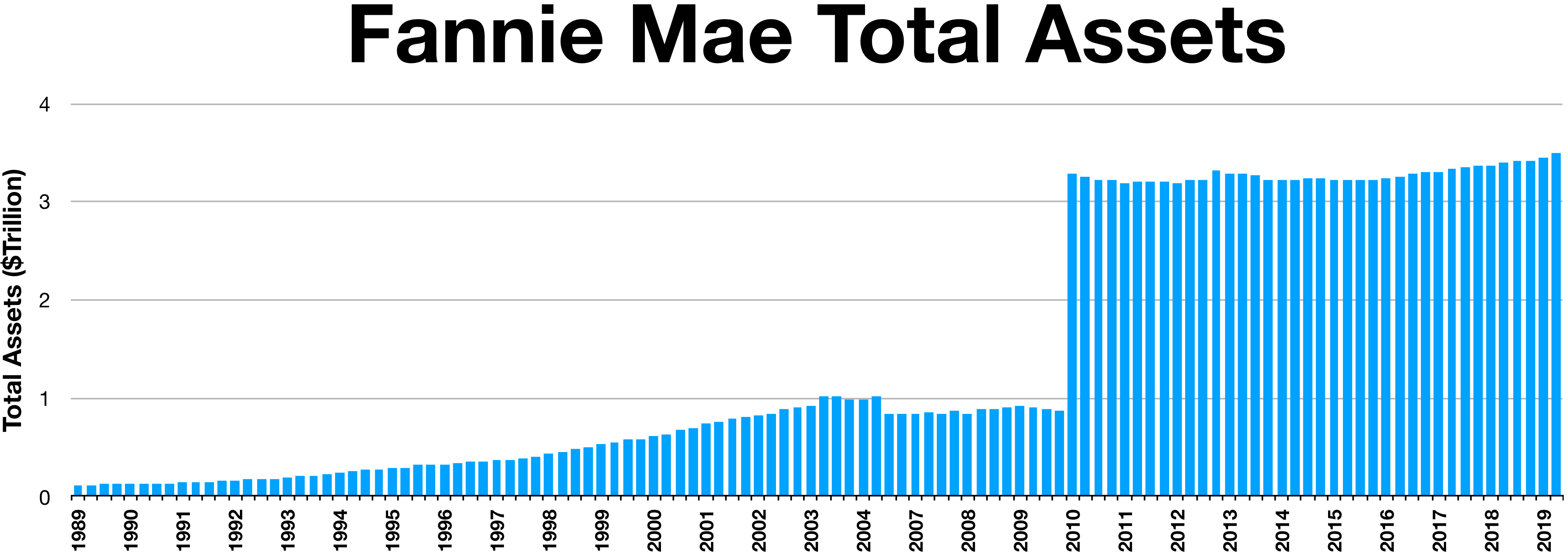
Conventional loans are further divided by size into conforming and non-conforming categories. The secondary mortgage market—where loans are bundled and sold to investors—dictates these rules. Specifically, Fannie Mae and Freddie Mac set the maximum loan limits for conforming conventional mortgages. If your client is purchasing a luxury high-rise in Manhattan or a sprawling estate in the Hamptons, they will likely need a larger loan. Non-conforming conventional mortgages exceed the maximum loan limits established by Fannie Mae and Freddie Mac and are colloquially known as "jumbo loans."
The Cost of Low Equity: Private Mortgage Insurance (PMI)
What happens if your client has excellent credit but only a 10 percent down payment? The conventional market will still lend to them, but at a cost. Conventional mortgages require Private Mortgage Insurance (PMI) if the borrower's down payment is less than 20 percent of the purchase price.
It is vital to explain to your clients exactly what they are paying for. Private Mortgage Insurance (PMI) protects the mortgage lender against financial loss in the event of borrower default. It does absolutely nothing to protect the buyer; it simply pays the bank if the buyer stops paying.
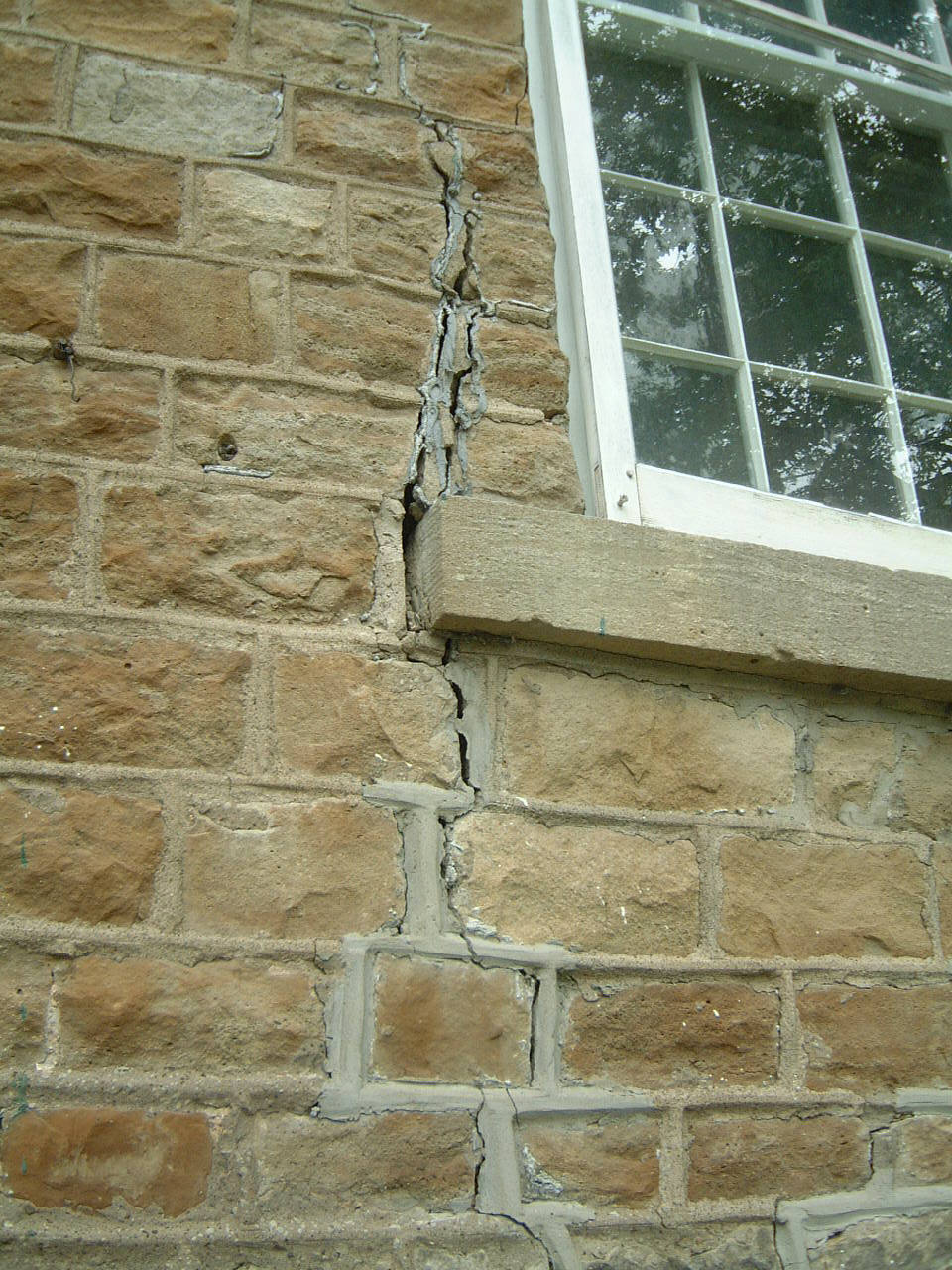
However, PMI is not a life sentence. Congress recognized that as a homeowner pays down their principal, the lender's risk evaporates. The Homeowners Protection Act requires lenders to automatically cancel Private Mortgage Insurance (PMI) once a conventional loan balance drops to 78 percent of the original property value.
When the private market’s requirements are too stringent for the average citizen, the government steps in. Government-backed mortgages include loans insured or guaranteed by the Federal Housing Administration, the Department of Veterans Affairs, the Rural Housing Service, and the State of New York Mortgage Agency.
Because the federal or state government assumes the risk of default, the banks are willing to lend on much more aggressive terms. Consequently, government-backed loans generally allow for higher Loan-to-Value (LTV) ratios than standard conventional loans without mortgage insurance.
There is, however, a strict universal rule regarding property use. Taxpayers are willing to subsidize shelter, but not landlords or vacationers. FHA, VA, and RHS mortgage programs only approve loans for primary residences. Therefore, investment properties and vacation homes do not qualify for FHA, VA, or RHS government-backed loans.
The Federal Housing Administration (FHA)
The most common misconception among new real estate agents is that the FHA hands out money. They do not. The Federal Housing Administration (FHA) does not directly lend money to homebuyers. Instead, it operates as a giant insurance fund. The Federal Housing Administration (FHA) provides mortgage insurance to approved private lenders to protect against borrower default.
Mortgage_Insurance_Claims(34242303896)_(cropped).jpg)
If you are working with a buyer looking for a duplex or a standard single-family home, you will likely encounter the FHA's flagship product: FHA Section 203(b) is the most widely used Federal Housing Administration mortgage program for purchasing one-to-four-family homes.
The defining feature of the FHA loan is its low barrier to entry: FHA-insured loans allow a minimum down payment of 3.5 percent of the property purchase price.
Because a 3.5% down payment means a 96.5% LTV, the risk to the FHA insurance pool is enormous. To keep the fund solvent, the FHA charges heavily for its insurance policy:
- FHA-insured loans require the borrower to pay an upfront Mortgage Insurance Premium (MIP) at closing. (This is often rolled into the loan balance).
- FHA-insured loans require the borrower to pay an annual Mortgage Insurance Premium (MIP) that is divided into monthly installments.
The Department of Veterans Affairs (VA) Loans
The VA loan is arguably the most powerful mortgage product in existence, serving as a well-earned benefit for those who have served. VA-guaranteed loans are available exclusively to eligible military veterans, active-duty service members, and certain surviving spouses.
Notice the terminology shift: the FHA insures, but the VA guarantees. The Department of Veterans Affairs (VA) guarantees a portion of the loan amount to protect private lenders against borrower default. This structural difference results in unparalleled benefits for the buyer:
- VA-guaranteed loans allow eligible homebuyers to purchase a primary residence with zero down payment.
- VA-guaranteed loans do not require Private Mortgage Insurance (PMI) or monthly Mortgage Insurance Premiums (MIP).
To process a VA loan, the bureaucratic machinery requires two specific documents you must help your client navigate. First, to prove they actually earned the benefit, VA-guaranteed loans require a Certificate of Eligibility (COE) to verify the borrower's military entitlement. Second, the VA insists on protecting the veteran from overpaying for a structurally deficient home. Therefore, VA-guaranteed loans require a Certificate of Reasonable Value (CRV) to document the appraised value of the property.
While there is no monthly mortgage insurance, the VA program must still fund itself. VA-guaranteed loans require the borrower to pay a one-time funding fee based on the loan amount and military category. To ensure this doesn't prohibit a veteran from closing, borrowers can finance the VA funding fee into the total loan amount instead of paying the fee out-of-pocket at closing.
The Rural Housing Service (RHS) Loans
Often referred to as USDA loans, this is a niche but incredibly useful tool if you are selling property outside of major metropolitan areas. The Rural Housing Service (RHS) operates under the United States Department of Agriculture (USDA) to promote homeownership in rural areas.
Like the VA, this program is highly aggressive in its leverage. Rural Housing Service (RHS) guaranteed loans offer 100 percent financing with zero down payment for eligible rural properties.
However, because this is an economic stimulation and support program, it is not for wealthy buyers seeking a country estate. Rural Housing Service (RHS) loans restrict eligibility to borrowers with low-to-moderate household incomes.
As a New York real estate salesperson, you have a unique tool in your arsenal that agents in other states do not possess. The State of New York Mortgage Agency (SONYMA) offers mortgage financing programs specifically for New York homebuyers.
Where does a state agency get the massive capital required to fund thousands of mortgages? The bond market. The State of New York Mortgage Agency (SONYMA) issues tax-exempt mortgage revenue bonds to fund SONYMA loan programs. Because the bonds are tax-exempt, investors accept lower yields, which translates directly into lower borrowing costs for your clients.
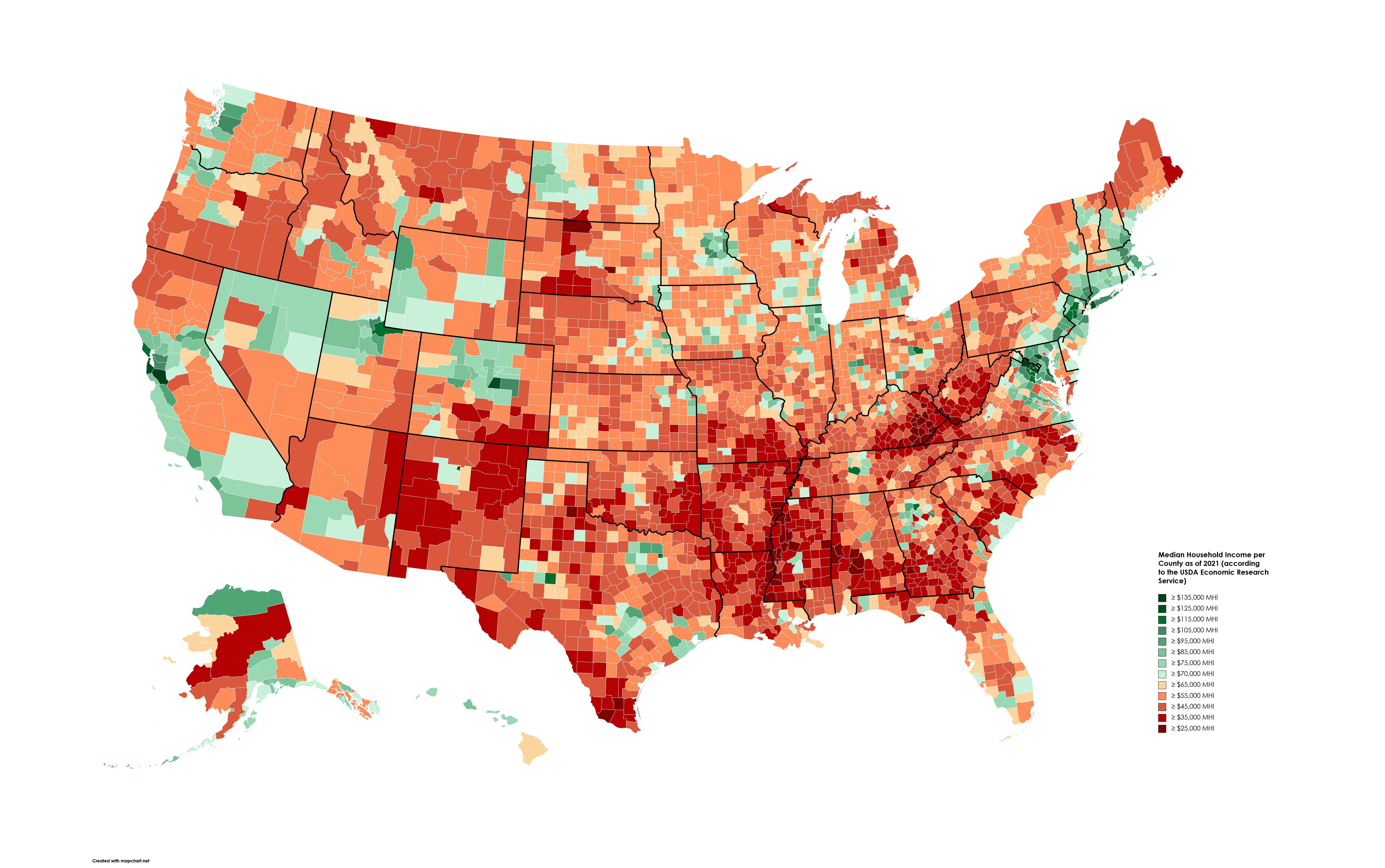
SONYMA's mission is highly targeted: The State of New York Mortgage Agency (SONYMA) primarily targets first-time homebuyers with low-interest-rate mortgages. Furthermore, recognizing that cash to close is often a higher hurdle than the monthly payment itself, the State of New York Mortgage Agency (SONYMA) offers down payment assistance programs to help cover upfront costs for eligible applicants.
SONYMA Eligibility and Target Areas
To ensure the funds go to those who actually need them, SONYMA places strict guardrails on its capital.
- The State of New York Mortgage Agency (SONYMA) establishes maximum household income limits for loan applicants.
- The State of New York Mortgage Agency (SONYMA) establishes maximum purchase price limits for eligible properties.
- Just like federal programs, the State of New York Mortgage Agency (SONYMA) requires the purchased property to be used as the borrower's primary residence.
There is, however, one brilliant exception to the first-time homebuyer rule that sharp agents use to market properties. The State of New York Mortgage Agency (SONYMA) waives the first-time homebuyer requirement for properties located in designated target areas.
What exactly are these areas? Target areas are regions designated by the State of New York Mortgage Agency (SONYMA) as economically stressed. If you list a property in one of these target areas, you can market the home to previous homeowners, leveraging SONYMA’s below-market interest rates and down payment assistance to drive up buyer demand and facilitate a successful closing.
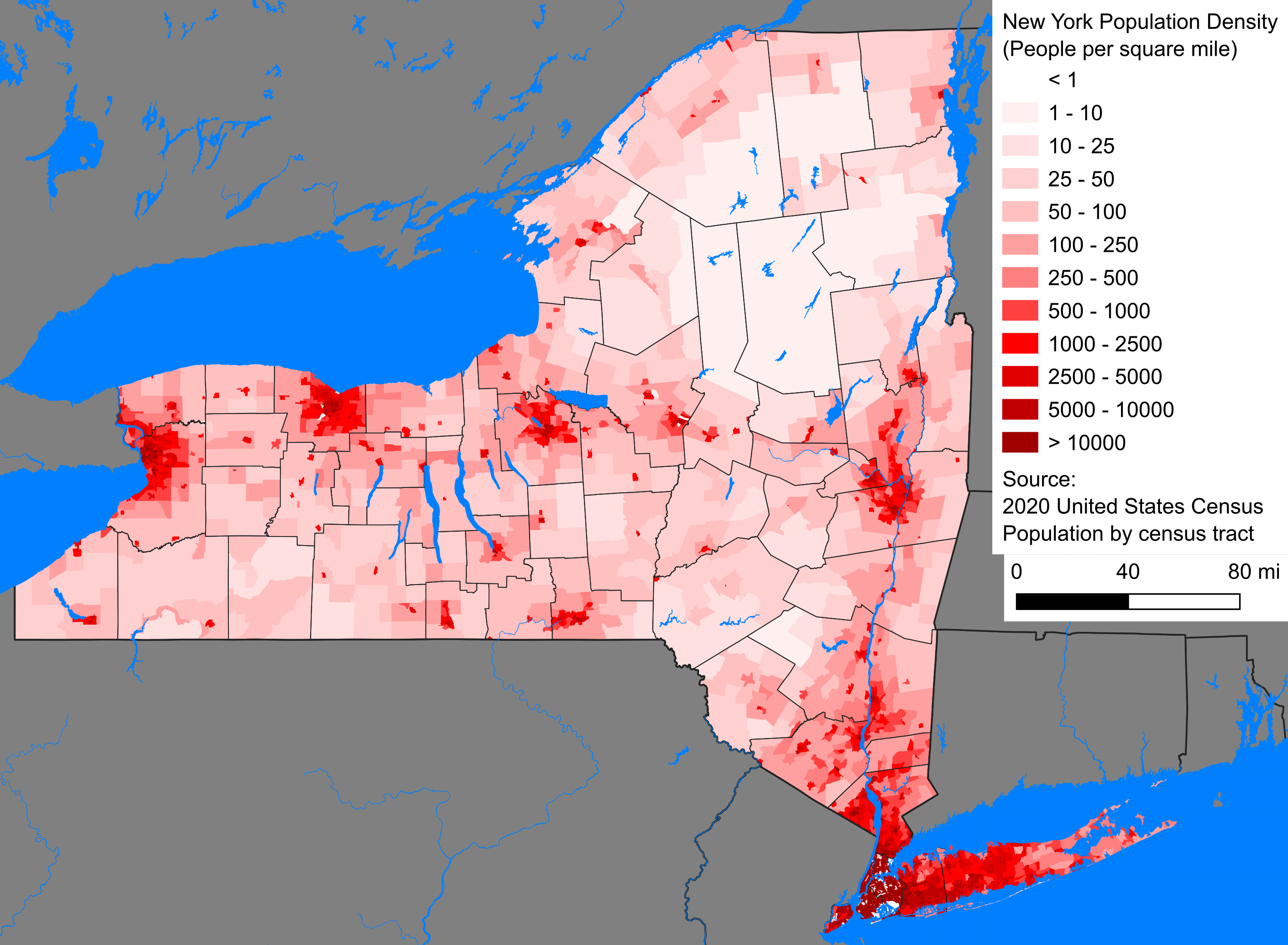
Summary Comparison
| Feature | Conventional | FHA | VA | RHS (USDA) | SONYMA |
|---|---|---|---|---|---|
| Minimum Down Payment | Typically 3% - 20% | 3.5% | 0% | 0% | Varies (Low) |
| Mortgage Insurance | PMI (if < 20% down) | Upfront & Annual MIP | One-time Funding Fee | Upfront & Annual Guarantee Fee | Varies |
| Primary Audience | Strong credit, higher equity | Lower credit, lower down payment | Military Veterans | Rural, low/mod income | NY First-time buyers |
| Property Restrictions | Primary, Investment, Vacation | Primary Residence Only | Primary Residence Only | Primary Residence Only | Primary Residence Only |
Understanding these structural differences transforms you from a mere property shower into a true real estate advisor. When you know how the financial architecture of a deal is constructed, you can guide your clients toward the path of least resistance, ensuring they secure the property and you secure the closing.