Specific Loans and Payment
Not sure you’re ready?
Take the ~3-minute readiness diagnostic and see where you stand.
When a client walks into a property, they see brick, glass, and hardwood. When a lender evaluates that same property, they see a collateralized cash flow—a mathematically precise timeline of risk, principal, and interest. A real estate transaction does not close because a buyer falls in love with a kitchen; it closes because the loan structure aligns with their financial capacity. Understanding the precise mechanics of mortgage structures—from how an economic index drives an adjustable rate to the sequential disbursements of a construction loan—is what separates a simple tour guide from an elite real estate professional. You must translate the physical reality of the home into the financial reality of the purchase.
At its core, a mortgage is merely a schedule for the cost of borrowing money. The two primary engines that drive this schedule are fixed-rate and adjustable-rate structures.
The Predictability of the Fixed-Rate Mortgage
A fixed-rate mortgage maintains the identical interest rate for the entire duration of the loan. It is the bedrock of residential real estate because of its absolute predictability. When structured as a fully amortized fixed-rate mortgage, the mathematics guarantee that the combined principal and interest payment remains constant throughout the loan term.
In the early years, the bulk of this constant payment pays off the interest. As the years progress, the ratio shifts, and the bulk of the payment begins killing off the principal. The total monthly check, however, never changes.
The Mechanics of the Adjustable Rate Mortgage (ARM)
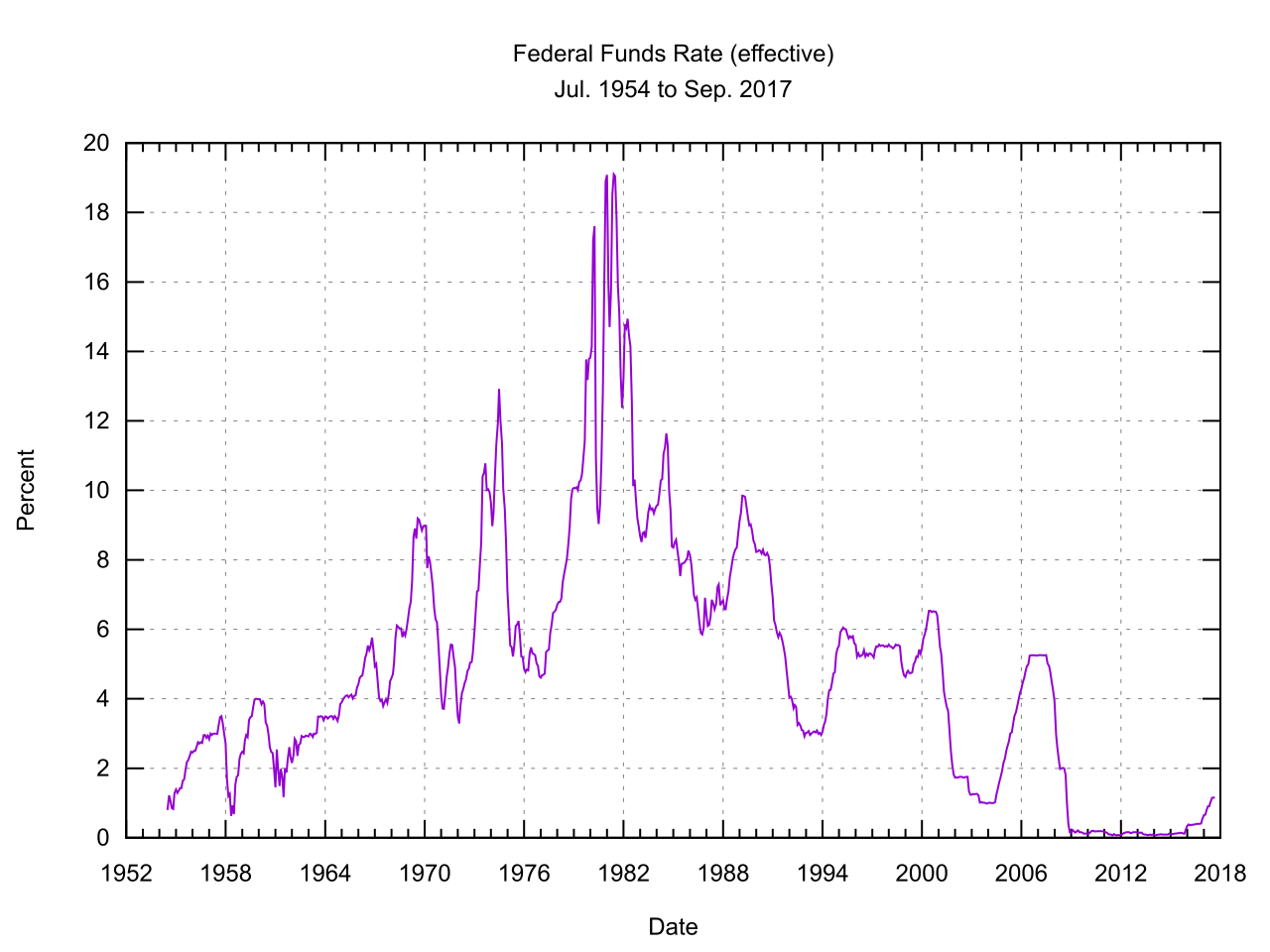
An Adjustable Rate Mortgage (ARM) features an interest rate that periodically changes based on an economic indicator. It shifts the risk of rising interest rates from the lender to the borrower. To understand an ARM, you must understand its formula:
Rate = Index + Margin
- The Index: The economic indicator used to adjust the interest rate on an Adjustable Rate Mortgage is known as the index (e.g., the Secured Overnight Financing Rate). It fluctuates with the broader economy.
- The Margin: The lender's profit on an Adjustable Rate Mortgage is added to the index and is called the margin.
Crucially, the margin remains constant throughout the life of the loan. The index moves; the margin does not.
Because tying a borrower's payment to a volatile global economy is inherently risky, ARMs feature built-in safety mechanisms:
- Rate caps limit the maximum amount the interest rate can increase during a specific adjustment period (e.g., no more than a 2% jump in a single year).
- Lifetime caps restrict the total interest rate increase allowed over the entire duration of the loan.
| Feature | Fixed-Rate Mortgage | Adjustable Rate Mortgage (ARM) |
|---|---|---|
| Interest Rate | Identical duration | Periodically changes |
| Lender Profit | Baked into the fixed rate | The Margin (constant) |
| Market Driver | Locked at closing | The Index (variable) |
| Volatility Limits | N/A (Does not change) | Period Rate Caps & Lifetime Caps |
Standard amortization demands that the loan balance reaches zero exactly at the end of the term. However, specialized borrower timelines require specialized amortization schedules.
The Balloon Mortgage
A balloon mortgage requires regular payments that do not fully amortize the principal balance by the end of the loan term. Because the daily payments do not kill off the entirety of the debt, the math dictates a sudden stop: a balloon mortgage requires a final large lump-sum payment to satisfy the remaining principal balance. Investors frequently use these to secure lower monthly payments for a property they intend to sell or refinance within five to seven years.
Graduated Payment Mortgages and the Conservation of Debt
A Graduated Payment Mortgage (GPM) allows a borrower to make lower initial monthly payments that predictably increase over a specified number of years. Eventually, the monthly payments level off and remain fixed for the remainder of the loan term.
This is ideal for a medical resident or a junior attorney whose income will predictably double in five years. But there is a mathematical catch.
If the initial payment is too low to even cover the cost of borrowing the money, you trigger negative amortization.
- Negative amortization occurs when a monthly mortgage payment is insufficient to cover the accrued interest.
- The unpaid interest does not simply vanish. The unpaid interest from negative amortization is added to the principal balance of the loan.
You are effectively borrowing money to pay the interest on the money you already borrowed. The loan balance grows instead of shrinking during those early years.
Financing a completed house is one thing; financing the creation of a neighborhood is an entirely different financial physics problem.
Subdivisions and Blanket Mortgages
Imagine a developer buying a 50-acre plot to build 20 homes. They cannot easily get 20 separate loans on dirt that hasn't been subdivided yet. Instead, they use a blanket mortgage, which is a single loan secured by two or more parcels of real estate. Blanket mortgages are frequently utilized by real estate developers financing residential subdivisions.
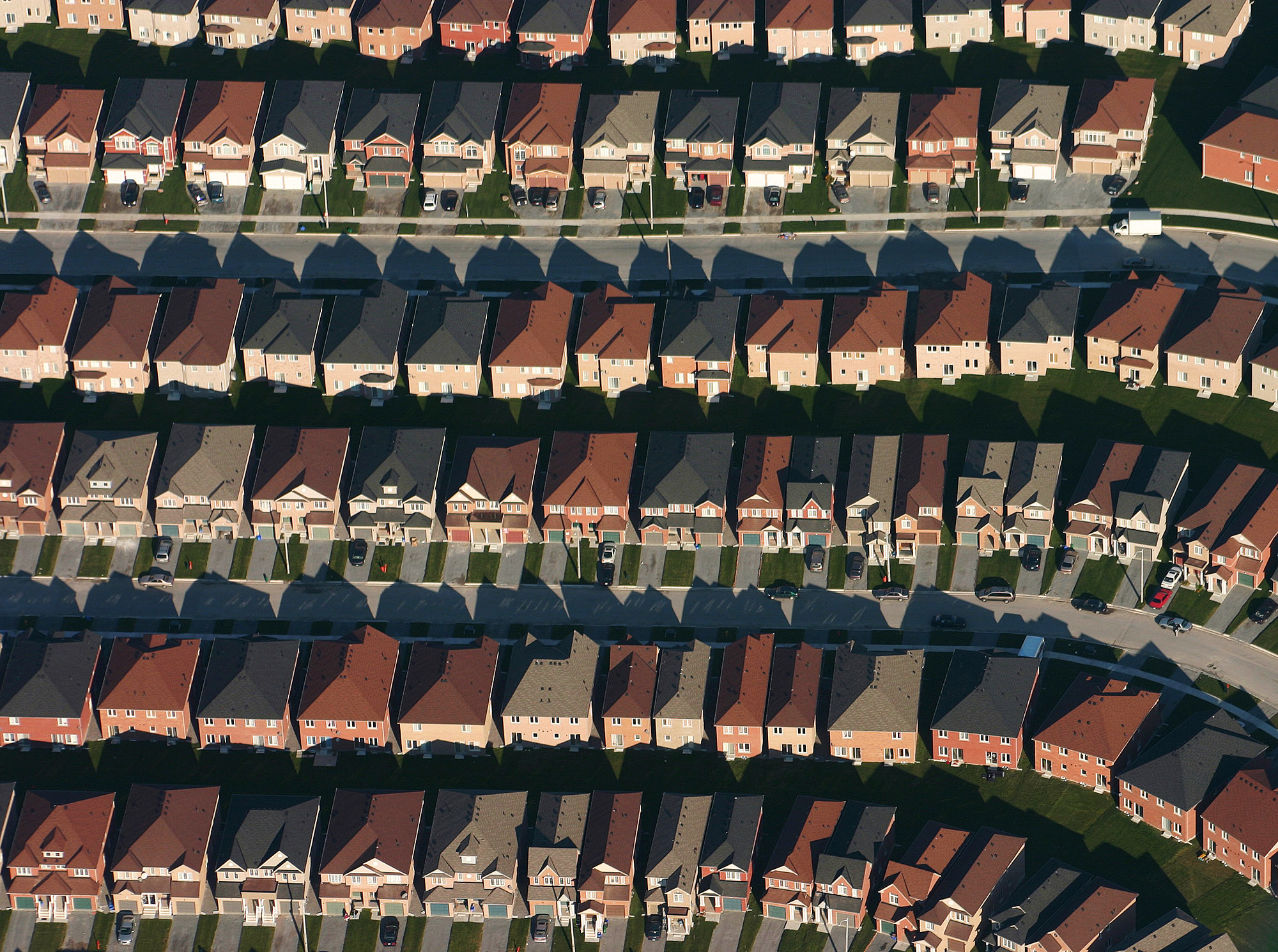
But what happens when the developer finishes and sells the first house? If the whole subdivision is tied up in one blanket loan, how can they transfer a clean title to the buyer?
The mechanism is the partial release clause. A blanket mortgage typically includes a partial release clause, which allows a borrower to remove the mortgage lien from an individual parcel upon payment of a specified amount to the lender. The overarching web of the loan detaches from that single home, allowing the buyer to close.
The Architecture of a Construction Loan
A construction loan is a short-term loan specifically designed to finance the building of a real estate project. Lenders will not hand a builder $1,000,000 on day one—the risk of the builder vanishing or mismanaging the funds is too high.
Instead, funds from a construction loan are disbursed to the borrower in installments known as draws.
- Draws on a construction loan are released only after the lender verifies that specific stages of the building process are completed (e.g., a draw for pouring the foundation, a draw for framing).
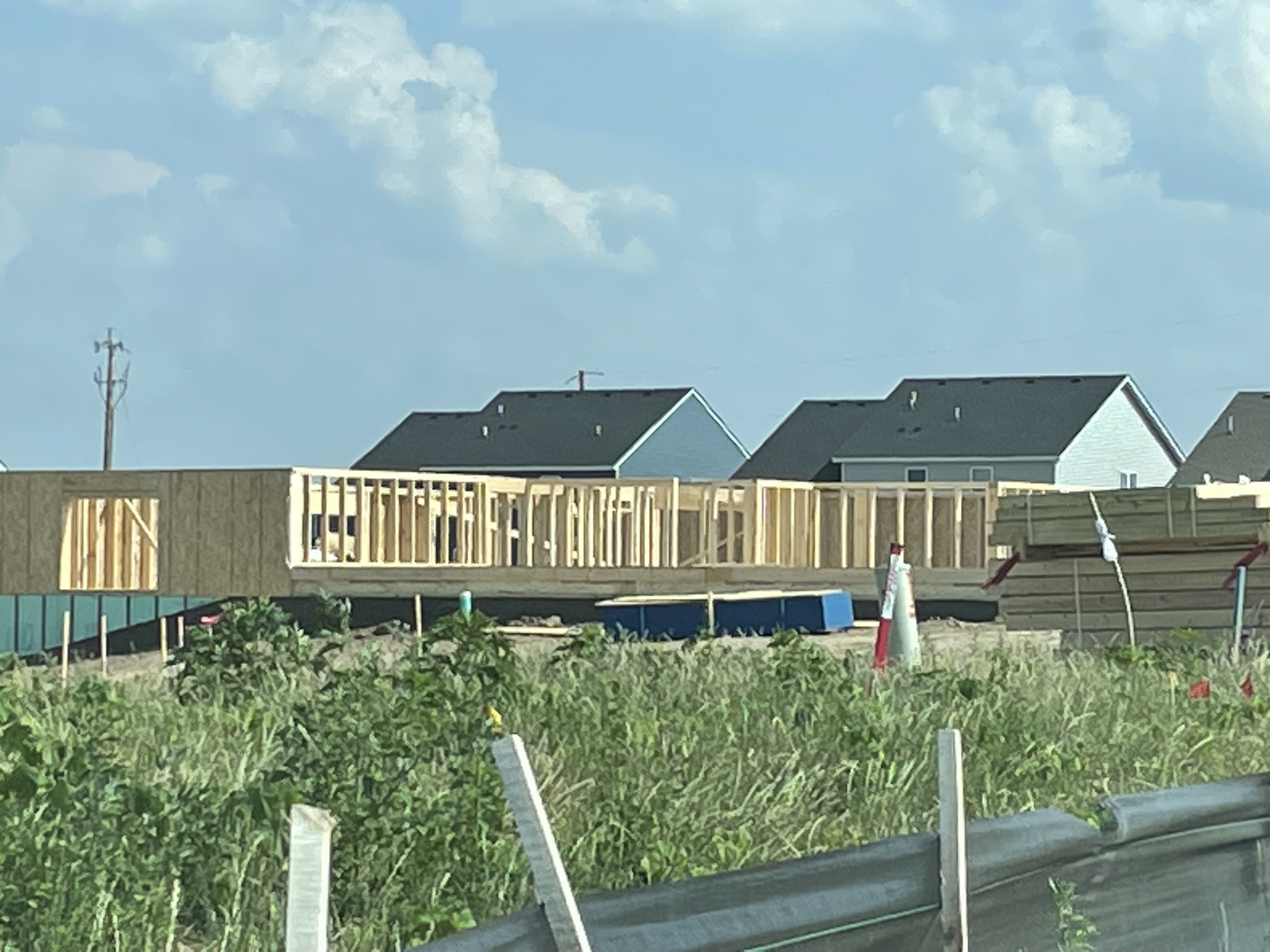
- During this phase, borrowers typically pay interest solely on the disbursed funds of a construction loan rather than the total approved loan amount. If only $200,000 has been drawn, you only pay interest on $200,000.
Once the certificate of occupancy is issued and the building is completed, a take-out loan (a standard, long-term mortgage) is used to replace and pay off the short-term construction loan.
Real estate is illiquid. Moving capital from one asset to another creates friction, and the financial industry has invented specialized tools to lubricate these transitions.
Bridge Loans (Swing Loans)
A bridge loan is a short-term financing tool designed to provide immediate cash flow until permanent financing is secured. In the residential space, bridge loans are also commonly referred to in the real estate industry as swing loans.
Real World Scenario: A client has $300,000 in equity in their current home but zero cash in the bank. They need to put $100,000 down on a new residence today, but they haven't sold their current home yet. Buyers frequently use bridge loans to fund the down payment on a new residence before selling an existing home. Once the old home sells, the bridge loan is immediately paid off.
The Wraparound Mortgage
A wraparound mortgage is a subordinate loan that encompasses the remaining balance of an existing first mortgage. It acts as a financial Russian nesting doll.

Suppose a seller has a 3% interest rate on their current mortgage. A buyer wants to purchase the home but current market rates are 7%. Through a wraparound mortgage, the seller acts as the lender to the buyer, offering them a 5% rate.
- The borrower of a wraparound mortgage makes a single combined loan payment to the new secondary lender (the seller).
- The lender of a wraparound mortgage (the seller) assumes the responsibility of making the debt service payments on the original underlying senior mortgage.
The seller pockets the arbitrage difference between the 5% they collect and the 3% they pay the original bank.
Different stages of life and different types of property demand uniquely tailored financial instruments.
The Reverse Mortgage
A reverse mortgage is exactly what it sounds like: the bank pays the borrower. It allows elderly homeowners to borrow against the equity in their residence without making monthly loan payments.
To protect vulnerable populations, strict rules govern this instrument:
- Borrowers must be at least 62 years old to qualify for a Home Equity Conversion Mortgage (HECM).
- The Home Equity Conversion Mortgage is the most common type of reverse mortgage insured by the Federal Housing Administration (FHA).
- Even though they make no monthly principal and interest payments, reverse mortgage borrowers remain responsible for paying property taxes and maintaining homeowners insurance. Failure to do so will result in default.
Since the loan is negatively amortizing (the balance grows as the bank keeps sending the borrower money), the ultimate question is: when does the bank get paid back?
A reverse mortgage balance becomes immediately due under three primary triggers:
- Death: The balance becomes immediately due when the final surviving borrower passes away.
- Relocation: The balance becomes immediately due if the borrower permanently moves out of the subject property (e.g., moving to an assisted living facility).
- Sale: The balance becomes immediately due if the borrower sells the subject property.
The Package Mortgage
Finally, consider the luxury high-rise buyer who wants a turnkey, move-in-ready experience down to the couch and the silverware.
A package mortgage finances both the real property (the real estate) and personal property (the chattel) in a single loan transaction. Consequently, package mortgages are commonly used by buyers to finance fully furnished condominium units.
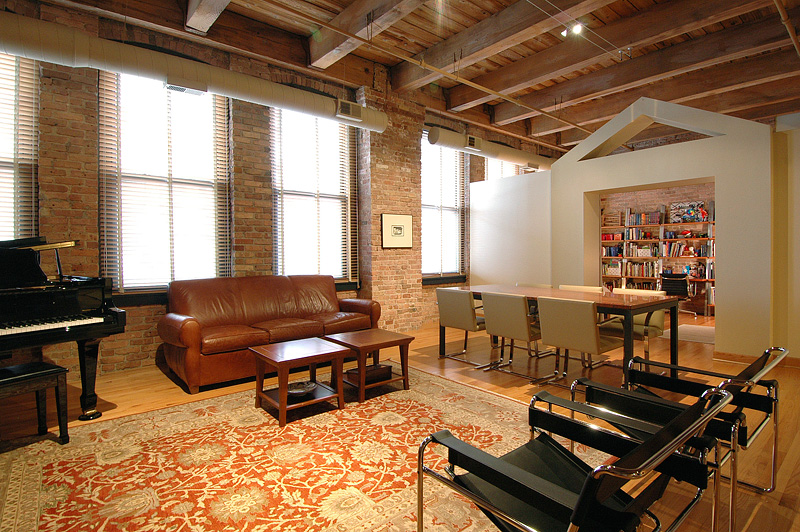
By bundling the physical structure and the personal property into one collateralized debt, the buyer achieves a single monthly payment for their entire living environment.