Legal Ramifications and Do Not Solicit Lists
Not sure you’re ready?
Take the ~3-minute readiness diagnostic and see where you stand.
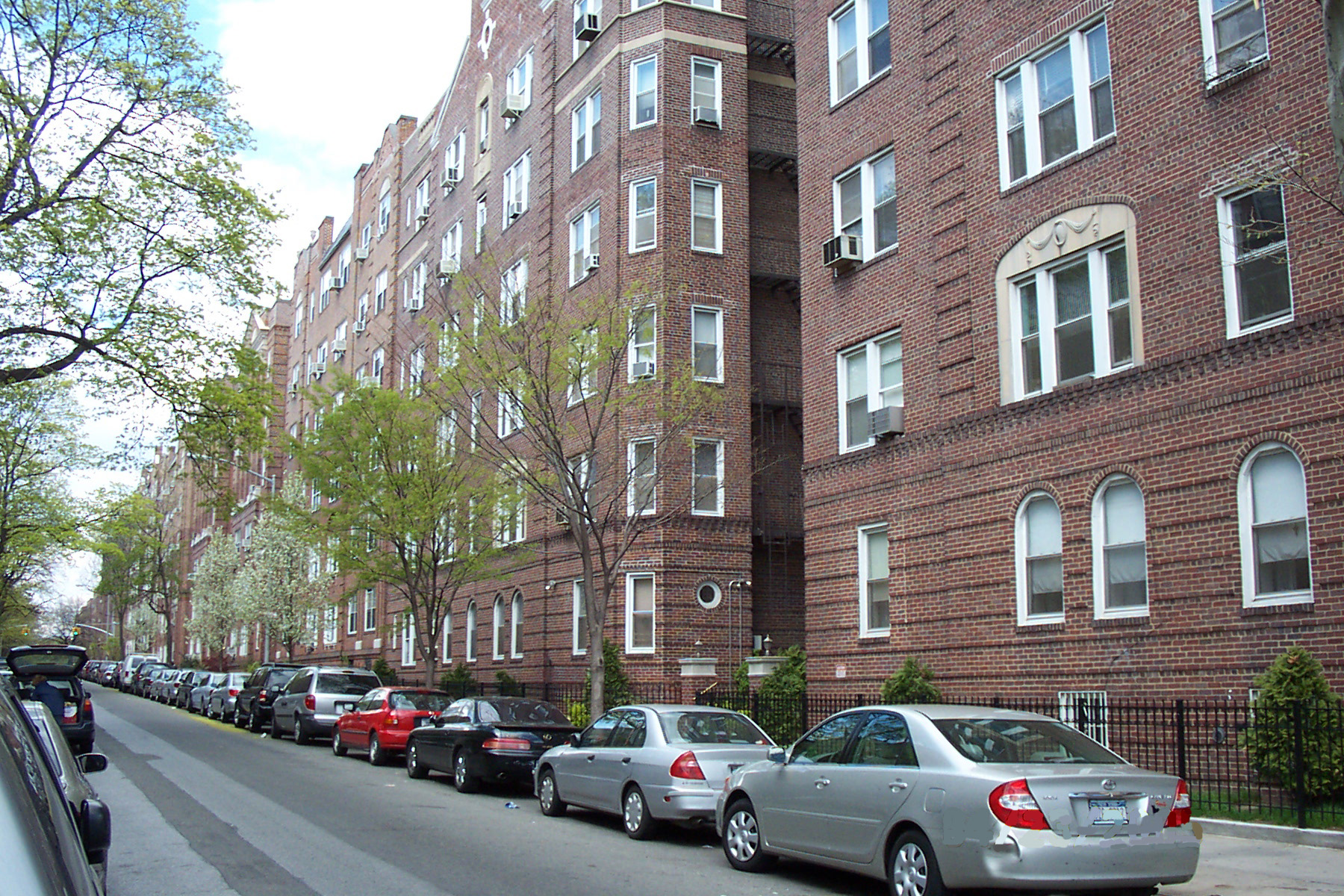
Imagine a boundary line drawn down the center of a quiet residential street in Queens. On one side, a real estate agent is handing out property fliers, knocking on doors, and shaking hands to build their business. On the other side, an agent executing the exact same marketing strategy is committing a criminal misdemeanor, risking the immediate loss of their license, and facing thousands of dollars in fines. The difference between these two actions is not the content of the conversation, but a profound intersection of state law, historical housing discrimination, and geographic boundary regulations. In New York, the state draws these invisible but ironclad lines to protect the sanctity of the home from predatory behavior. Understanding the mechanics of real estate law, the precise boundaries of solicitation bans, and the severe financial penalties for discrimination is the architectural framework that dictates how, where, and to whom a real estate professional may offer their services.