Types of Discrimination and Exemptions
Not sure you’re ready?
Take the ~3-minute readiness diagnostic and see where you stand.
The foundation of a functional real estate market is the unimpeded movement of people and capital. When artificial barriers—prejudice, panic, or systemic exclusion—are introduced, the market ceases to reflect true supply and demand. As a licensed real estate salesperson in New York, you are the primary conduit through which property rights are exercised. You are not merely unlocking doors; you are administering the laws that dictate how communities are formed. Understanding the boundaries of fair housing, recognizing the mechanisms of illegal discrimination, and knowing the exact perimeters of legal exemptions are not just exam prerequisites—they are the operational physics of your daily practice. Let us examine the forces of discrimination that distort this market and the precise legal frameworks designed to neutralize them.
Illegal discrimination in real estate rarely looks like a locked door. More often, it functions as an invisible filter applied by industry professionals. To dismantle these filters, we must first define them.
Steering: The Invisible Filter
Steering is the illegal practice of directing prospective homebuyers or renters to or away from specific neighborhoods based on protected class status.
In practice, steering often involves real estate agents making assumptions about where a buyer would feel comfortable living based on the buyer's race or religion. The agent attempts to act as a social engineer, deciding which community "fits" the client. Importantly, steering does not require aggressively pushing a client away from a neighborhood. It is equally illegal by omission: failing to inform a prospective buyer of all available properties in their price range based on the buyer's protected class is an illegal form of steering.
Field Protocol: A real estate agent cannot legally answer a buyer's question regarding the demographic or racial composition of a specific neighborhood. If a client asks, "What kind of people live in this area?", your professional duty is to direct them to objective, third-party demographic data (like census reports or municipal records), not to offer an assessment.
Blockbusting and Panic Peddling: Inducing Artificial Supply
While steering attempts to control demand, blockbusting manipulates supply. Blockbusting is the illegal practice of inducing panic selling in a neighborhood for financial gain.
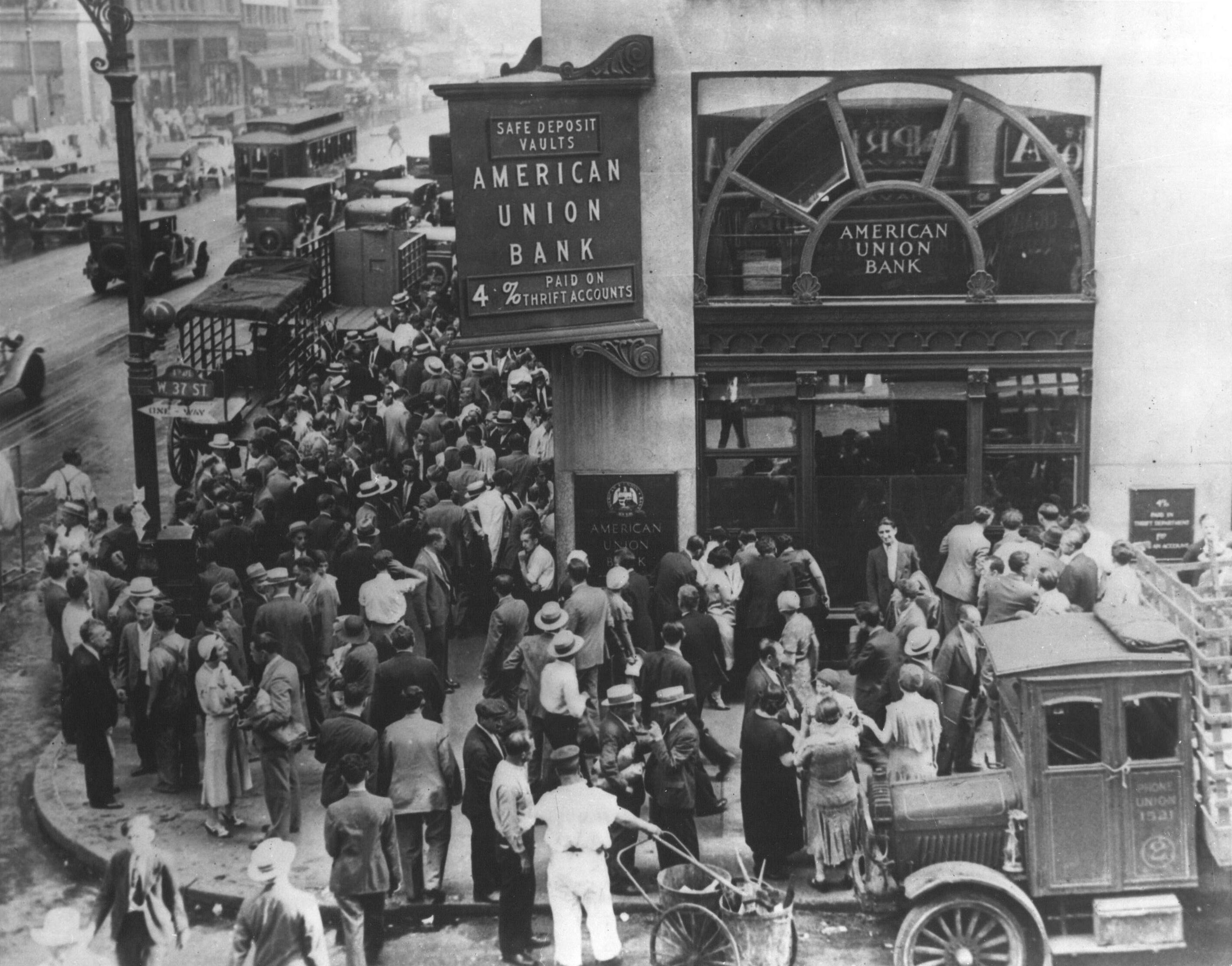
Also known by the descriptive term panic peddling, blockbusting involves telling property owners that members of a protected class are moving into the area to induce property sales. The agent manufactures fear that property values will plummet, buys the properties at a discount from panicked sellers, and flips them for a profit. It is essentially attempting to incite a bank run on neighborhood equity.
Redlining: Starving the Market of Capital
A neighborhood cannot thrive without capital or protection. Redlining is the illegal practice of lenders refusing to issue mortgages in specific geographic areas based on the demographic composition of those areas. Historically, lenders would literally draw a red line on a map around minority neighborhoods and refuse to lend within those borders.
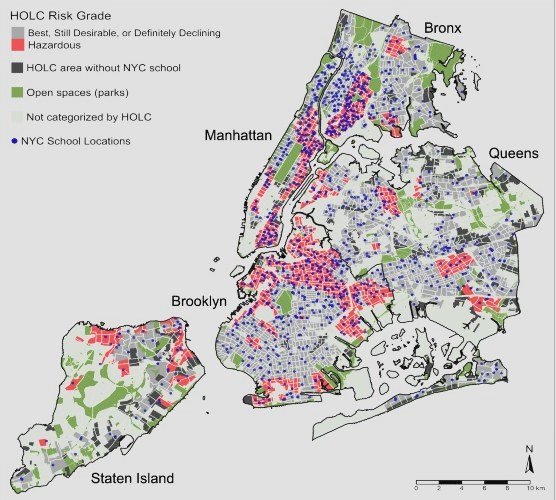
Similarly, redlining is the illegal practice of insurance companies refusing to issue policies in specific geographic areas based on demographic composition. Without insurance, buyers cannot obtain mortgages; without mortgages, property values collapse.
Note on Valuations: This prohibition extends up the financial food chain. Real estate appraisers cannot legally consider the racial or ethnic composition of a neighborhood when determining property value. Value must be derived from the physical property and market comparables, not the demographics of the neighbors.
To know when a fair housing violation occurs, you must know who is protected. Fair housing law is layered, building upon federal statutes and culminating in highly specific New York State protections.
The Federal Baseline
- The Civil Rights Act of 1866: The bedrock of fair housing. It prohibits all racial discrimination in the sale or rental of property.
- The Federal Fair Housing Act of 1968: Broadened federal protections to prohibit discrimination in housing based on race, color, religion, and national origin.
- The 1974 Amendment: Added sex as a federally protected class.
- The Fair Housing Amendments Act of 1988: Added familial status (presence of children) and disability as federally protected classes.
The New York State Human Rights Law
New York State takes the federal baseline and aggressively expands it. Under New York State Human Rights Law, the following are also explicitly protected classes:
Understanding Source of Income: Lawful source of income protection prevents New York landlords from refusing tenants who pay with Section 8 vouchers or other government subsidies. If the money is legal, the landlord must accept it as valid income.
Federal vs. New York Protected Classes at a Glance
| Protected Class | Federal Protection | NY State Protection |
|---|---|---|
| Race | ✓ | ✓ |
| Color, Religion, National Origin | ✓ | ✓ |
| Sex | ✓ | ✓ |
| Familial Status, Disability | ✓ | ✓ |
| Age, Marital Status | ✓ | |
| Sexual Orientation, Gender Identity | ✓ | |
| Military Status | ✓ | |
| Lawful Source of Income (e.g., Section 8) | ✓ |
Discrimination is evaluated through two distinct legal lenses: intent and outcome.
Disparate treatment involves intentional discrimination against individuals based directly on their protected class. For example, a landlord applying stricter background check criteria to applicants of a specific national origin is an illegal example of disparate treatment. The intent is overt.
Disparate impact, however, occurs when a seemingly neutral policy disproportionately harms a protected group. The landlord might not intend to discriminate, but the effect of their policy acts as a barrier.
Consider familial status. A landlord cannot legally charge a higher security deposit for families with children compared to applicants without children. Even if the landlord argues that "kids cause more damage" (an attempt at a neutral business policy), this directly penalizes familial status.
The Mechanics of Accommodating Disability
Disability protections require proactive compliance, particularly from property managers and landlords.
- Modifications: Refusing to allow a tenant with a disability to make reasonable modifications to a rental unit (such as installing a wheelchair ramp or grab bars) is a violation of fair housing laws. However, to balance property rights, a landlord can legally require a tenant with a disability to restore the interior of a modified premises to the original condition upon moving out (at the tenant's expense).
- Service Animals: Pet policies do not apply to working animals. Guide dogs and service animals are entirely exempt from typical pet policies under fair housing laws. Furthermore, landlords cannot legally charge additional pet fees or pet rent for legally recognized service animals. If the standard pet deposit is $500, the service animal's deposit is $0.
In physics, a rule is only as useful as its boundary conditions. In real estate law, you must memorize precisely where fair housing laws do not apply. However, there are two absolute, unbreakable rules regarding exemptions:
The Absolute Dealbreakers
- There are absolutely no legal exemptions to the Civil Rights Act of 1866 regarding racial discrimination. You can never legally discriminate based on race. Period.
- Fair housing exemptions never apply to transactions involving a licensed real estate broker or agent. If you are involved, the transaction must strictly comply with all fair housing laws.
- Fair housing exemptions never apply to the use of discriminatory advertising.
If a property owner is acting completely on their own, without a broker, and without publishing discriminatory ads, certain highly specific exemptions exist.
Residential Owner-Occupied Exemptions
Federal and New York state laws offer different thresholds for owners living on their own small properties.
- The Federal 'Mrs. Murphy' Exemption: Under federal law, the 'Mrs. Murphy' exemption permits certain discrimination in owner-occupied dwellings containing up to four units. (The logic is that an individual renting out rooms in their own immediate living space has a right to choose who they share a roof with).
- The New York 'Mrs. Murphy' Exemption: New York State law restricts the 'Mrs. Murphy' exemption strictly to owner-occupied two-family homes.
- NY Room Rentals: New York State law permits discrimination in the rental of a room within an owner-occupied single-family home.
Single-Family Home Sales
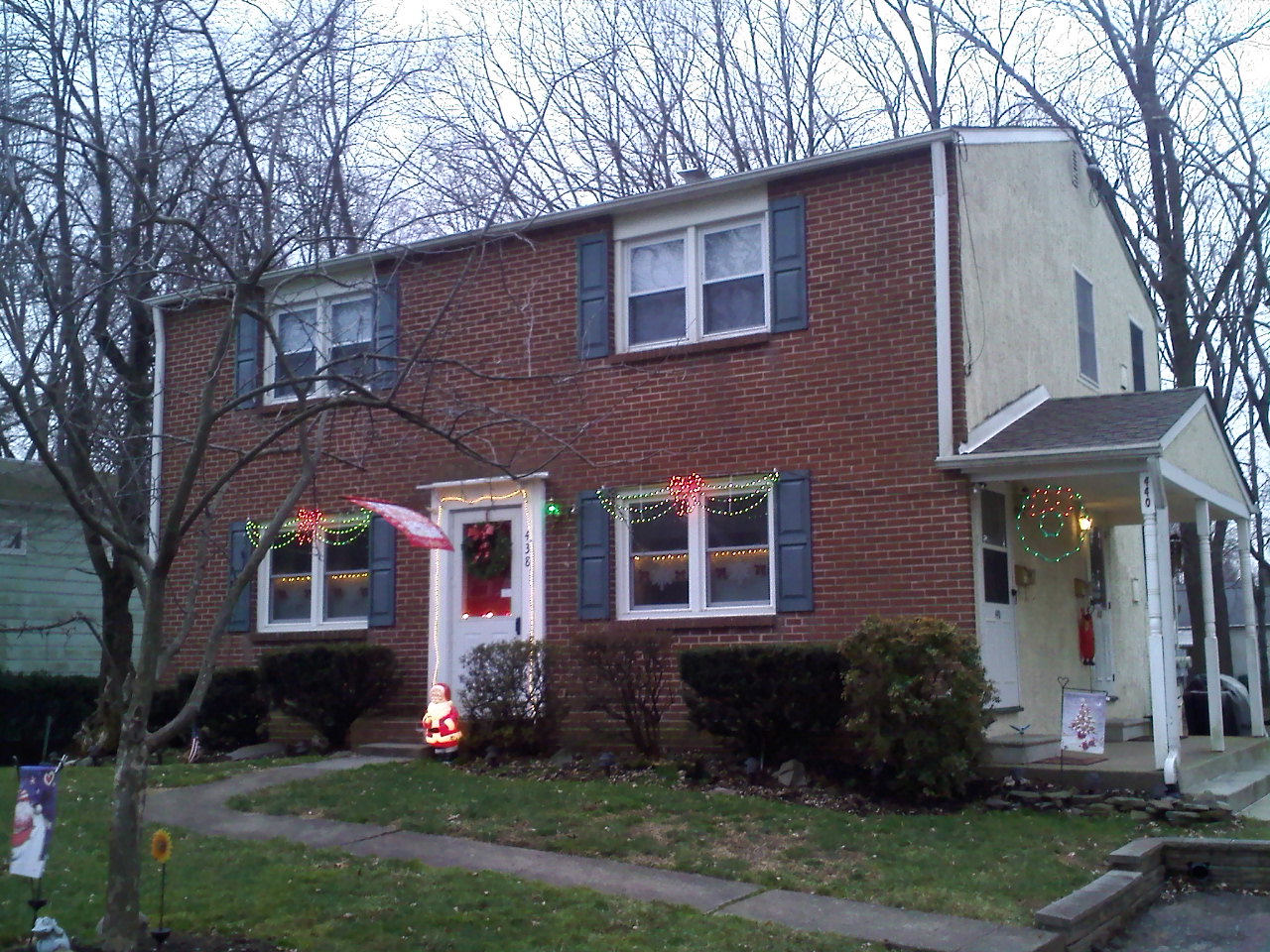
Federal law permits a fair housing exemption for the sale of a single-family home by an owner who does not own more than three such homes at one time. However, remember the absolute rule: the federal single-family home exemption only applies if no real estate broker is used in the transaction.

Institutional Exemptions
Certain organizations can restrict housing to their own members, provided they meet specific criteria:
- Religious Organizations: Religious organizations can legally restrict residential lodging to members of their own religion. Crucially, a religious organization housing exemption only applies if membership in the religion is not restricted based on race, color, or national origin.
- Private Clubs: Private clubs not open to the public can restrict the rental of lodgings to club members. However, a private club housing exemption applies only if the lodgings are provided for non-commercial purposes.
- Single-Sex Dormitories: Gender-based discrimination is legally permitted in the rental of rooms in a single-sex dormitory (such as at a university).
Housing for Older Persons Act (HOPA)
Familial status protects families with children, but society also recognizes the need for retirement communities. The Housing for Older Persons Act provides specific exemptions from familial status discrimination under two strict conditions:
- The 62+ Rule: Housing intended for and solely occupied by persons 62 years of age or older is legally exempt from familial status discrimination.
- The 55+ Rule: Housing where at least 80 percent of the occupied units have at least one person aged 55 or older is legally exempt from familial status discrimination.
The state does not assume you are following these laws; you must physically manifest your compliance through mandated disclosures and signage.
As a licensed professional, your office walls and your initial client interactions are heavily regulated:
- The Brokerage Office: Failure to display the federal Fair Housing poster in a brokerage office can be considered prima facie (at first sight) evidence of discriminatory practices. If the poster is missing, the state assumes you are violating the law until proven otherwise.
- At the Property: Real estate professionals in New York must display the New York State Fair Housing Notice at all open houses.
- With the Client: You cannot wait until a lease is signed or an offer is drafted to educate your client. Real estate licensees must provide a New York State Fair Housing Notice to clients at the first substantive contact (e.g., when you transition from casual small talk to discussing specific property needs or financial capabilities).
Understanding these rules ensures you are not just passing a licensing exam, but protecting the integrity of the real estate market. You are the gatekeeper; fair housing laws ensure the gates remain open to all who are qualified to enter.