Electrical Systems
Not sure you’re ready?
Take the ~3-minute readiness diagnostic and see where you stand.
Electricity entering a structure is not magic; it is a highly regulated, physical transfer of energy governed by strict boundaries of ownership and immutable laws of physics. For a real estate salesperson, a property’s electrical system is a map of its capabilities and limitations. Whether a client intends to install central air conditioning, upgrade a commercial kitchen, or simply secure a standard homeowner's insurance policy, the configuration of wires, panels, and breakers dictates what is financially and physically possible. Understanding how this system works—from the utility pole on the street to the living room outlet—is not just an academic exercise. It is the difference between a smooth closing and a derailed transaction when an inspector spots an overloaded, obsolete electrical panel.
To understand a property's electrical infrastructure, you must first understand exactly where the public grid ends and private property begins. When a tree branch brings down a wire, or an underground line faults, the immediate question is: Who pays to fix it?
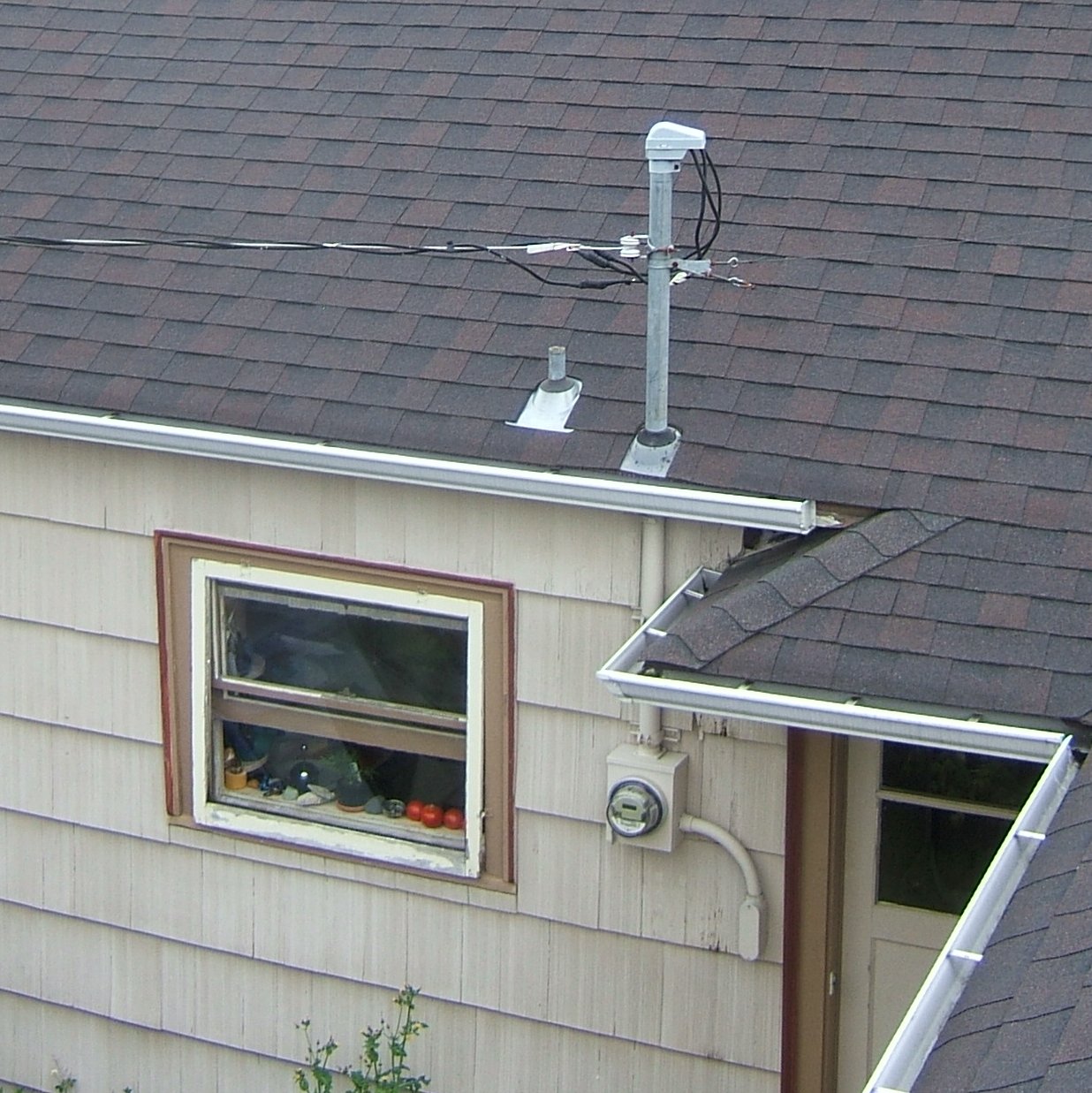
The electrical utility company is responsible for bringing electricity to the property meter. They construct and maintain the infrastructure required to deliver power right up to the edge of the building's internal system. Specifically, the utility company maintains ownership of the overhead service drop wiring, which is the bundle of cables connecting the street's utility pole to the building. If the property is fed from below ground, the utility company maintains ownership of the underground service lateral wiring that connects the neighborhood utility transformer to the meter.
Crucially, the utility company also maintains ownership of the electric meter itself. It is their measuring instrument, attached to the side of the building, used to track consumption for billing.
The demarcation line is the meter. The property owner is responsible for all electrical wiring from the utility meter into the building. The moment the current passes through that glass dome, it becomes the landowner's liability. The property owner maintains ownership of the main electrical panel and every inch of wiring branching out from it. If the connection between the meter and the main panel frays, the property owner must hire the electrician to resolve it.
You cannot advise a buyer on whether a home can support their needs without understanding the metrics of electricity. Think of electricity like water flowing through a plumbing system.
- Voltage is the measure of electrical pressure pushing current through a wire. In our water analogy, voltage is the water pressure in the pipes.
- Amperage (Amps) is the measure of the rate of electrical current flow. This is the actual volume of water moving past a specific point inside the pipe at any given second.
- Wattage is the measure of total electrical power consumed. It represents the total amount of "work" being done—the total amount of water successfully delivered to put out a fire or turn a waterwheel.
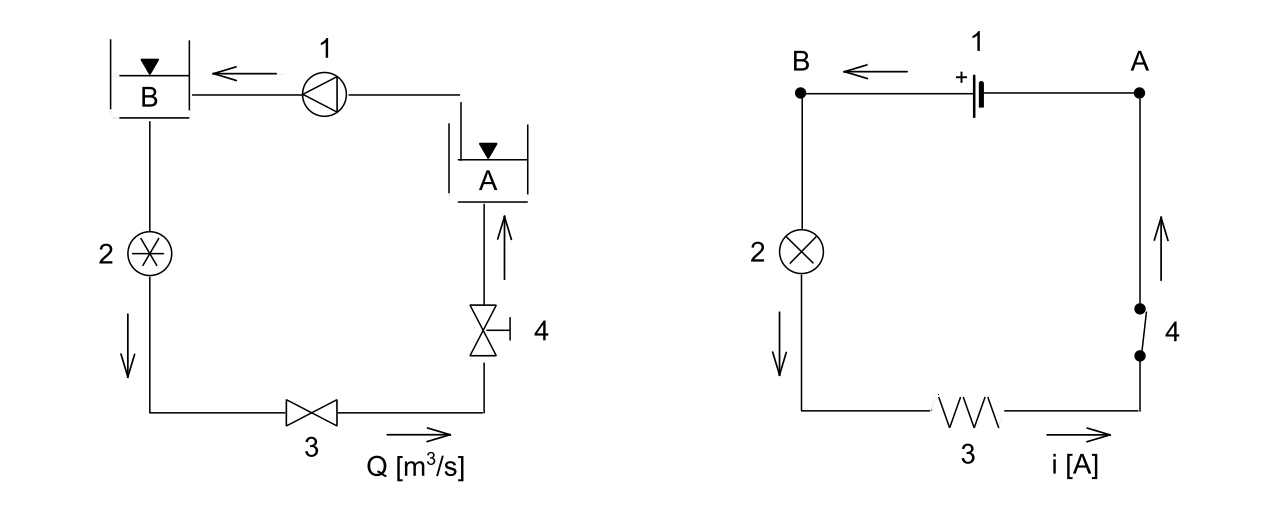
Because wattage represents the total functional output, it is the product of pressure and flow.
The Power Formula: Wattage is calculated by multiplying voltage by amperage. (Watts = Volts × Amps)
110-Volt vs. 220-Volt Service: Reading the Demand
Different appliances demand different levels of electrical pressure. In the United States, electrical systems are standardized into two primary tiers of residential delivery: 110-volt and 220-volt service.
Standard residential outlets in the United States operate on 110-volt electrical service. This level of pressure is typically used for standard household lighting fixtures and small household appliances, like televisions, lamps, and blenders. A 110-volt electrical system uses one hot wire (carrying the pressurized current to the appliance) and one neutral wire (providing the return path to complete the circuit).
However, heavy-duty appliances require double the electrical pressure. 220-volt electrical service is typically required for major equipment. Electric stoves typically require 220-volt electrical service. Electric clothes dryers typically require 220-volt electrical service. Central air conditioning units typically require 220-volt electrical service. Because of the massive demand, a 220-volt electrical system uses two hot wires to deliver the necessary pressure.
Real Estate Application: When walking a property with buyers who intend to install a heavy-duty appliance—such as a kiln, a professional electric range, or central air conditioning—you must look at the electrical panel to see if 220-volt service is available in the desired location.
The electrical panel is the beating heart of a property's infrastructure. The main electrical panel acts as the central distribution point for electricity entering a building. It takes the massive, raw supply of power from the meter and safely routes it throughout the structure.
Distribution panels divide the main electrical feed into smaller, manageable branch circuits (e.g., "Kitchen Outlets," "Master Bedroom Lighting").
Inside these electrical distribution panels, you will find a main circuit breaker. This is the master switch. The main breaker can shut off all electrical power to the building simultaneously. More importantly for a real estate agent, the main breaker rating indicates the total amperage capacity of the electrical service available to the property.
- Modern residential construction typically requires a minimum electrical service capacity of 100 amps.
- New residential construction often features 200-amp electrical service capacity to handle modern technology, electric vehicle chargers, and advanced HVAC systems.
If you are selling a 1950s home with an original 60-amp service, your buyer will likely need to spend several thousand dollars upgrading the panel before modern insurance companies will issue a policy or before they can install central air conditioning.
Breakers vs. Fuses: Protecting the Wires
When too much current (amperage) flows through a wire, the friction creates immense heat. Without intervention, overloaded wires will melt their insulation and ignite the wood framing of a house.
To prevent this, distribution panels contain circuit breakers to protect branch circuits from overloading. A circuit breaker is a mechanical switch that automatically trips to stop electrical flow during an overload. Once the hazard is resolved, a tripped circuit breaker can be physically reset to restore electrical flow simply by flipping the switch back.
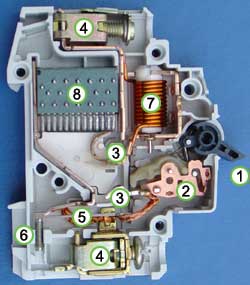
The physical size of the breaker tells you the voltage of the circuit it protects:
- 110-volt electrical circuits connect to a single-pole circuit breaker in the distribution panel. A single-pole circuit breaker occupies one slot in an electrical panel.
- 220-volt electrical circuits connect to a double-pole circuit breaker in the distribution panel. Because it utilizes two hot wires, a double-pole circuit breaker occupies two slots in an electrical panel and features a joined switch.
Older distribution panels, often found in historic or unrenovated New York homes, contain fuses to protect branch circuits from overloading rather than modern mechanical breakers. A fuse contains a thin metal wire specifically designed to melt during an electrical overload. By melting, it sacrifices itself to break the circuit and stop the dangerous flow of electricity. Because it destroys itself to protect the home, a blown fuse must be physically replaced with a brand new fuse to restore electrical service.
Not all wires are created equal. The environment in which a wire is placed dictates the physical protection it requires. You must be able to visually identify the differences between common wiring materials, as their presence (or absence) dictates building code compliance.
| Wiring Type | Core Characteristics | Installation & Usage |
|---|---|---|
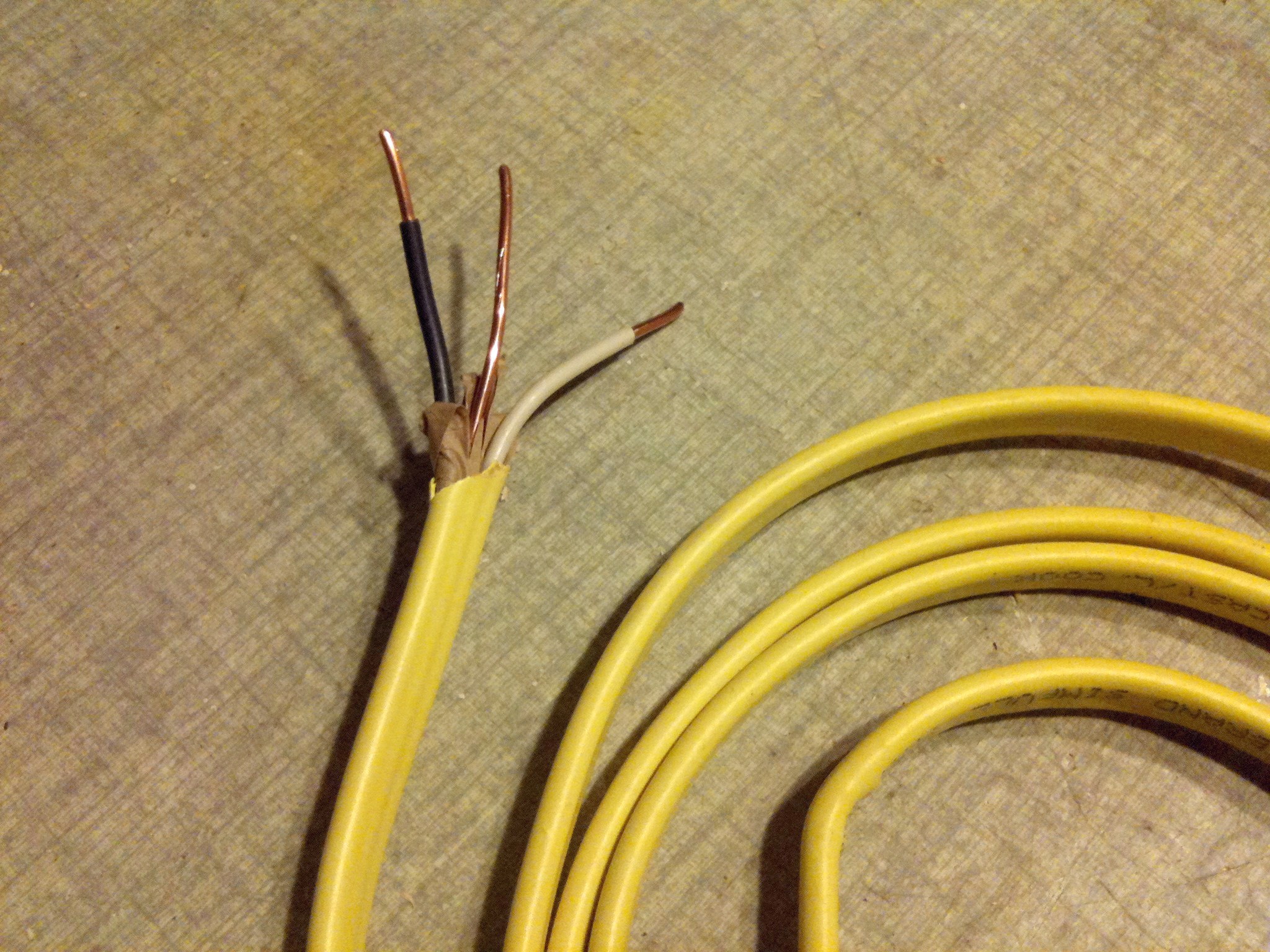
| Romex | Romex is a brand name for non-metallic sheathed electrical cable. The wires in Romex are encased in a flexible plastic jacket. Inside, Romex contains multiple insulated electrical wires alongside a bare copper ground wire. | Romex is the most common wiring material used in modern residential construction. Because its outer jacket is plastic, it is easily routed through wooden wall studs. |
| BX Cable | BX cable is a type of armored electrical cable. It features a flexible metallic outer sheathing. This metallic sheathing protects internal electrical wires from physical damage (like wayward nails or rodent chewing). | BX cable comes pre-manufactured with electrical wires already inside the sheathing. It is frequently seen in older homes and areas requiring moderate physical protection. |
| Greenfield | Greenfield is a type of flexible metal electrical conduit. Unlike BX, Greenfield is installed as an empty flexible metallic tube. | Electricians pull electrical wires through Greenfield tubing after the tubing is installed. This allows wires to be upgraded or replaced later without tearing open walls. |
| Conduit | Electrical conduit is a rigid pipe used to route electrical wiring. Electrical conduit can be manufactured from metal or plastic (PVC). | Electrical conduit provides superior physical protection for electrical wiring. Because of the high risk of physical impact and the need for constant layout changes, electrical conduit is commonly required for wiring in commercial buildings. |
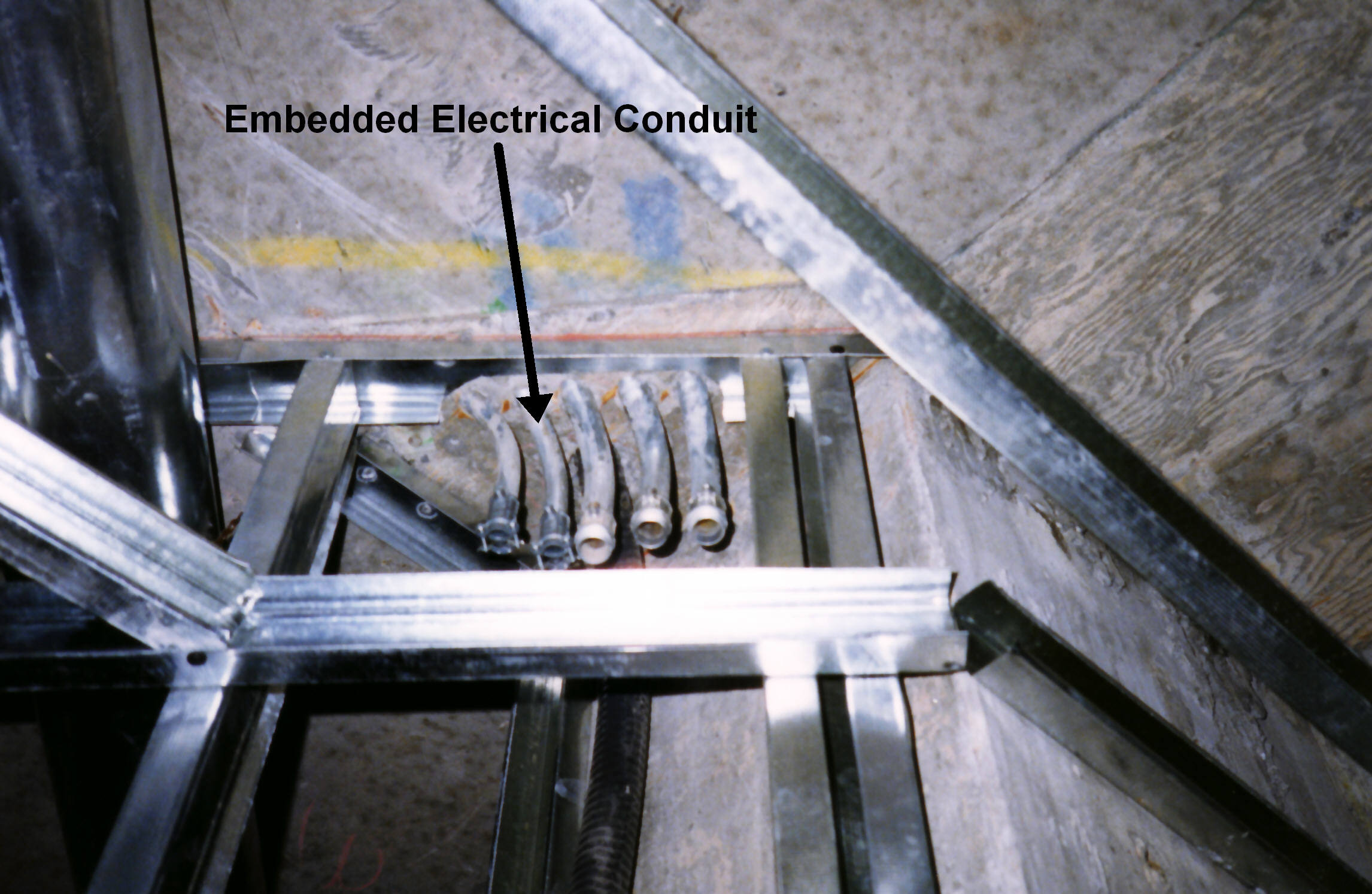
Real Estate Application: If you are touring a retail space with a client looking to open a coffee shop, you will notice rigid electrical conduit running along the exposed ceilings, not white plastic Romex. Commercial spaces require conduit because a wayward forklift or ongoing renovations could easily pierce a plastic jacket, whereas rigid metal pipe ensures the live wires remain protected.
Electricity is entirely unforgiving of human error. Therefore, its installation is heavily policed by municipal law.
The National Electrical Code (NEC) establishes nationwide safety standards for electrical wiring and nationwide safety standards for electrical equipment. The NEC acts as the baseline rulebook for how wires must be sized, how panels must be grounded, and where specific types of outlets must be located to prevent fires and electrocution.
However, real estate is inherently local. Local municipalities in New York can adopt their own specific electrical codes. Crucially, local electrical codes in New York can be stricter than the National Electrical Code. For example, New York City has exceptionally stringent electrical regulations regarding the use of metal conduit in residential high-rises, far exceeding the baseline national standards.
To ensure these laws are upheld, building inspectors verify that new electrical installations comply with the applicable electrical code. When a property owner upgrades a panel or wires an addition, they must pull a permit. The municipal building inspector will visually examine the work before the walls are sealed.
If a homeowner performs unpermitted electrical work, it can severely complicate a real estate transaction. A buyer's home inspector will easily spot incorrectly wired Romex or an illegal subpanel. Lenders may refuse to fund the loan, and insurance companies may deny coverage until a licensed electrician corrects the violations and the local building inspector verifies compliance with the New York municipal code. Understanding these rules ensures you can guide your clients safely through the physical and legal hazards of property transfer.