Market Value vs. Price and Cost
Not sure you’re ready?
Take the ~3-minute readiness diagnostic and see where you stand.
A homeowner in a Manhattan townhouse decides to install a $350,000 subterranean wine cellar. Months later, when listing the property, the owner fully expects the asking figure to rise by exactly $350,000. Yet, the property ultimately sells for nearly the identical figure as the un-renovated townhouse next door. When the closing documents are signed, three entirely distinct financial realities crash into one another: what the owner spent to build the improvement, what the buyer actually paid for the home, and the theoretical baseline the market dictated it should have brought. For an aspiring real estate professional in New York, blurring the lines between these three metrics is not merely an academic error; it is a fundamental failure of economic literacy that leads to mispriced listings, compromised negotiations, and failed exams. Understanding real estate economics requires stripping away the emotional weight clients attach to their money and examining the stark, objective mechanics of value, price, and cost.
To navigate a property transaction, you must stop treating "cost," "price," and "value" as synonyms. In everyday conversation, people use them interchangeably. In real estate practice, they measure three completely different dimensions of a property's existence: the effort to build it, the history of its sale, and its economic power in the open market.
Cost: The Expense of Creation
Cost represents the total dollar expenditure required to bring a property into existence. If you are examining a brand-new commercial development in Brooklyn, the property cost includes the expenses of purchasing land and constructing improvements upon it. It is an inward-looking metric. Cost tallies up every invoice, every physical resource, and every hour of human labor poured into a site.
The greatest fallacy harbored by property sellers—and novice real estate agents—is the belief that expenditure inherently creates wealth. It does not. The cost of creating a property does not dictate the property's market value. A property improvement might cost more to build than the actual value the improvement adds to the real estate.
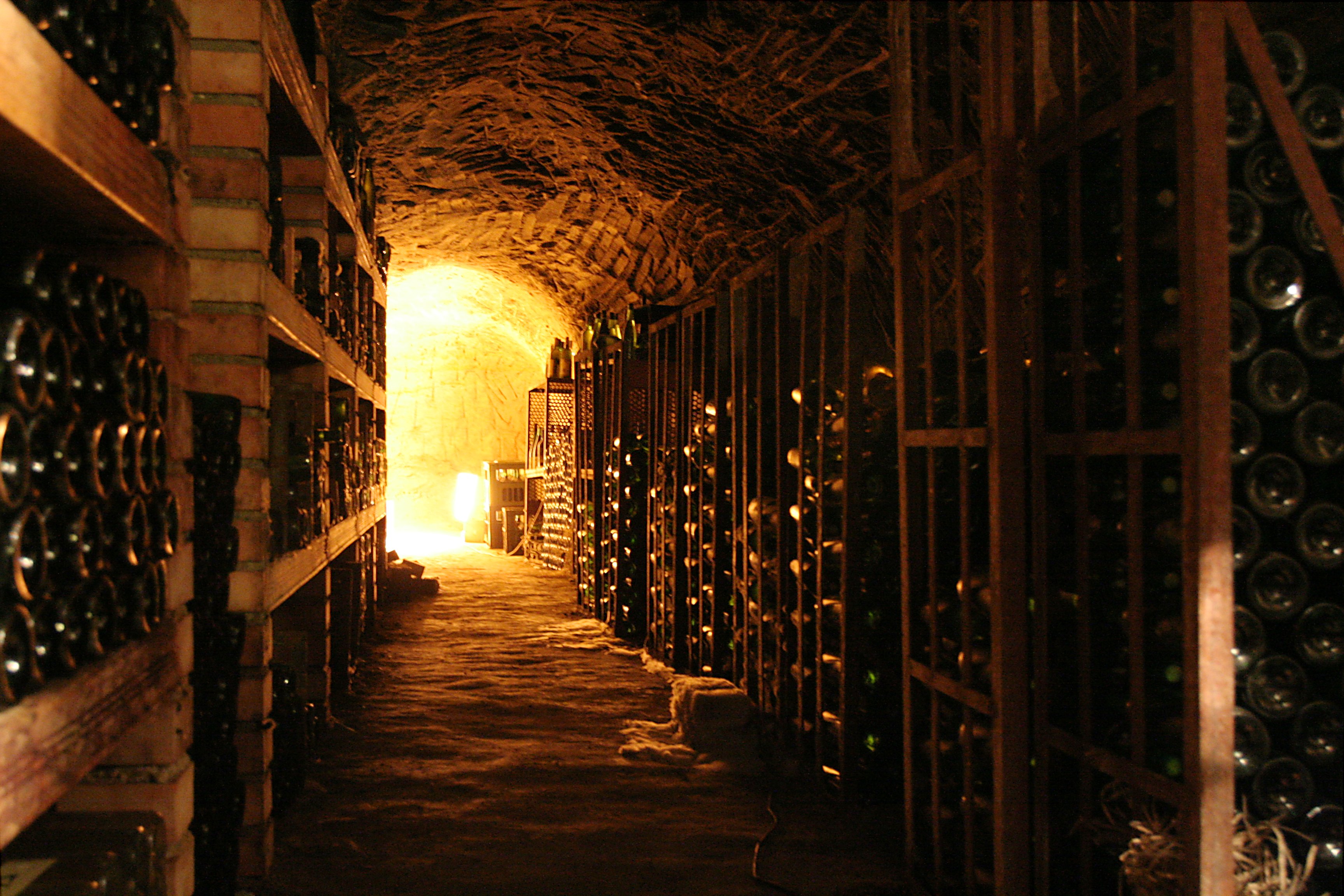
Consider our homeowner with the $350,000 wine cellar. If the local market demographics consist primarily of buyers who do not collect wine, that subterranean room is just an expensive, over-engineered basement. The cost was high, but the economic utility generated for the typical buyer was near zero.
Direct Costs vs. Indirect Costs in Property Development
To understand property cost accurately, especially for the licensing exam and commercial real estate finance, we must dissect construction expenditures into two precise categories: direct costs and indirect costs.
Direct costs are expenses directly associated with the physical construction of a building. In the development industry, direct construction costs are commonly referred to as hard costs. You can think of hard costs as the physical geometry of the building and the physical effort required to assemble it. If it goes into the ground or physically shapes the structure, it is a hard cost.
- Labor: The labor wages paid to construction workers are classified as a direct cost. They are the physical agents of assembly.
- Materials: Physical building materials like lumber and concrete are classified as a direct cost.
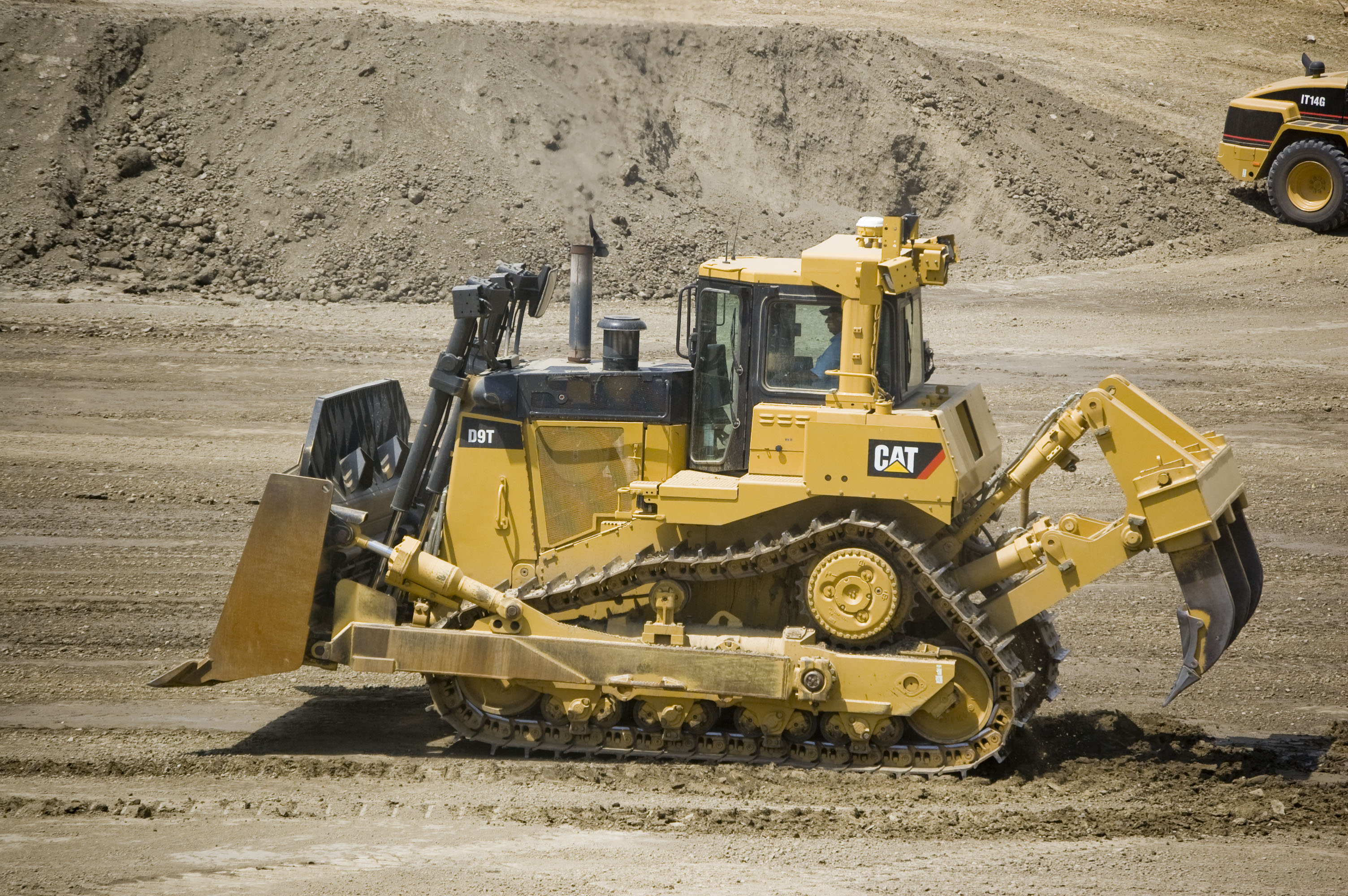
- Equipment: The physical tools required to move those materials matter, too. Equipment rentals used on a construction site (like bulldozers, cranes, and scaffolding) are classified as direct costs.
Indirect costs, by contrast, are development expenses not physically tied to the actual construction of the building. In industry parlance, indirect construction costs are commonly referred to as soft costs. Soft costs are the "invisible" expenditures. They exist on paper, in risk management, in legal compliance, and in municipal bureaucracy. They are the intellectual, legal, and financial frameworks that allow the physical building to legally and safely exist.
To master this for your exam and your daily practice, categorize indirect costs by their function in the development lifecycle:
| Category | Examples of Indirect (Soft) Costs |
|---|---|
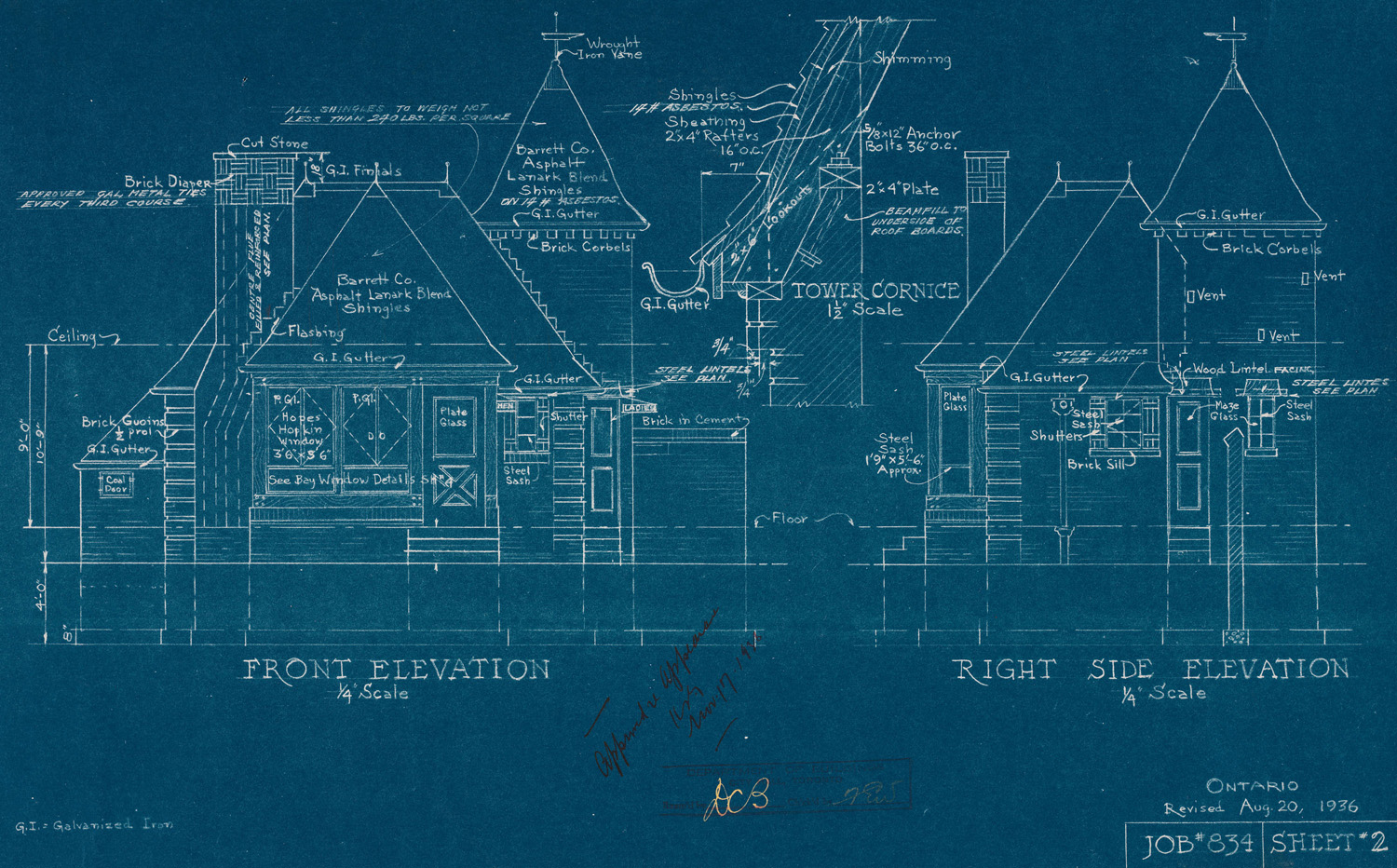
| Design & Engineering | Architectural design fees are classified as an indirect cost. The blueprints shape the building, but the fees pay for intellectual property, not physical bricks. Similarly, engineering fees for a development project are classified as indirect costs. |
| Legal & Regulatory | Before you can pour concrete in New York, you must navigate the local government. Municipal building permit fees are classified as indirect costs. Furthermore, legal fees incurred during a property development project (for zoning variances or contract drafting) are classified as indirect costs. |
| Finance & Valuation | Developers rarely pay entirely in cash. Therefore, construction loan interest is classified as an indirect cost, as are the upfront financing fees for a construction project. Additionally, appraisal fees associated with a real estate development are classified as indirect costs. |
| Business Operations | Running a development company requires resources. Administrative overhead for a development project is classified as an indirect cost. Finding buyers requires capital, meaning marketing and advertising expenses for a new property development are classified as indirect costs. |
| Risk Management | Insurance premiums paid during the construction phase (such as builder's risk insurance) are classified as indirect costs. |
Professor's Note: When evaluating a developer's spreadsheet, ask yourself: Does this expense buy the brick, or does it buy the permission, design, or capital to lay the brick? The brick is direct (hard). The permission is indirect (soft).
Price: The Verifiable Fact
If cost is the expense of creation, price is the actual amount of money paid for a property in a specific transaction.
Price is not theoretical. It is a footprint in the sand. A property's sales price becomes a verifiable historical data point once the real estate transaction closes. You can look it up in the public tax records; you can see it on the settlement statement.
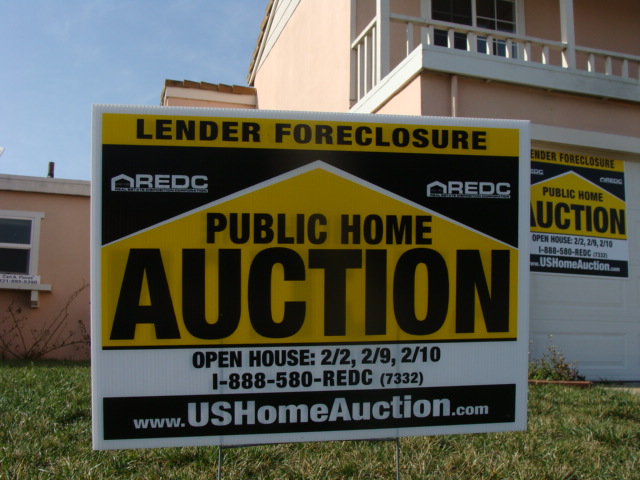
However, you must recognize that the sales price of a property may differ from the property's market value. Why? Because human beings are involved. Price is the result of a specific negotiation between a specific buyer and a specific seller on a specific day. A buyer might vastly overpay for a property (driving up the price) because they desperately want to live in a specific school district or right next door to their aging parents. Conversely, a seller facing imminent foreclosure might sell a property for drastically less than it is worth just to liquidate the asset quickly. In both scenarios, the price is a factual reality, but it is deeply disconnected from the broader market value.
Market Value: The Probable Future
This brings us to the most crucial metric in real estate valuation. Market value is the most probable price a property should bring in a competitive and open market.
Unlike cost (which looks backward at what was spent) and price (which looks backward at what was paid), market value is forward-looking and theoretical. Market value evaluates the future benefits of property ownership rather than past construction expenditures. When an appraiser determines market value, they are attempting to isolate the true economic power of the real estate by stripping away the personal desperation, ignorance, or unique motivations of any single buyer or seller.
For a transaction to truly reflect market value, it must meet several strict, foundational assumptions.
First, market value assumes an arm's-length transaction. In legal and economic terms, an arm's-length transaction requires a willing buyer and a willing seller who are entirely independent of one another. Selling a Manhattan co-op to your daughter for half its worth is a valid transaction with a real price, but it is not an arm's-length transaction, and therefore that price does not represent market value.
Second, market value assumes neither the property buyer nor the property seller is acting under duress. If a seller is forced to liquidate due to an impending tax auction, or a buyer is forced to purchase immediately due to an expiring 1031 tax exchange deadline, the resulting price is tainted by pressure. Market value assumes both parties have ample time to test the open market.
Third, market value assumes both the buyer and the seller are reasonably informed about the property and its potential uses. If a seller unloads a tract of vacant land in Queens for $200,000, entirely unaware that the city just rezoned the parcel to allow for a luxury high-rise development, the price paid does not reflect the market value. The seller was operating in the dark.
Your success as a New York real estate salesperson depends on your ability to confidently articulate these differences to your clients.
When you sit down to conduct a Comparative Market Analysis (CMA) to help a client price their home, you will encounter the ghosts of cost, price, and value simultaneously. The seller will point to their receipts for physical building materials and labor wages, demanding that their direct costs be added to the listing price. They will point to architectural design fees—an indirect cost—and claim the home is now inherently more valuable.
Your professional duty is to elegantly shift their perspective away from cost. You must explain that the market does not reimburse past expenditures; it only pays for future benefits. You will look at recent historical prices (the closed transactions of comparable homes) to estimate the market value (the probable price a fully informed, unpressured buyer will pay in an arm's-length transaction tomorrow).
Mastering the distinctions between direct costs, indirect costs, historical price, and theoretical value allows you to transcend the role of a simple property tour guide. It elevates you to the status of a trusted economic advisor, capable of guiding clients through the complex financial reality of New York real estate.