Markets and Owner Obligations
Not sure you’re ready?
Take the ~3-minute readiness diagnostic and see where you stand.
Managing a multi-million-dollar real estate asset is fundamentally akin to captaining a commercial freighter. The property owner remains safely on shore, holding the title, while the property manager stands at the helm, navigating volatile market currents, keeping the massive physical machinery intact, and ensuring the voyage remains profitable. A building, whether it is a soaring glass office tower or a brick walk-up in Brooklyn, is not just a static structure; it is a living economic organism. Income flows in through rent, energy bleeds out through expenses, and physical components constantly march toward decay. The property manager is the intelligence that balances this system.

Before you can manage the physics of a building, you must understand the legal framework that places you in charge. The relationship between an owner and a manager is not casual; it is bound by strict rules of agency.
A property management agreement creates an agency relationship between the property owner and the property manager. This document is your operating manual. It explicitly outlines the extent of the property manager's authority—what you can and cannot do without asking the owner's permission—and defines the property manager's compensation. In practice, property management fees are often calculated as a percentage of gross income collected, effectively aligning the manager's financial success with the owner's.
Unlike a real estate salesperson who acts as a special agent (hired to do one specific task, like selling a single house), a property manager acts as a general agent for the property owner. This grants the manager the broad, ongoing authority required to make day-to-day decisions, sign leases, and hire contractors.
The New York Licensing Reality
Because a property manager acts as a steward of someone else's substantial capital, the State of New York heavily regulates who can take the helm.
- The Broker Requirement: New York property managers must hold a real estate broker license to manage properties for multiple owners while collecting rent. The state demands this high level of credentialing because managing multiple streams of income and holding security deposits requires advanced accountability.
- The Salesperson Limitation: If you are reading this as an aspiring salesperson, you must understand your boundaries. A New York real estate salesperson cannot act as an independent property manager. You can only perform property management duties under the supervision of a sponsoring broker.
- The Resident Exception: There is one notable carve-out. Resident managers managing only the apartment building they live in do not require a New York real estate license. If you only manage the roof over your own head, the state considers the risk sufficiently contained.
When you step into the role of a general agent, your professional DNA must change. A property manager's primary goal is to achieve the highest possible return on investment for the property owner.
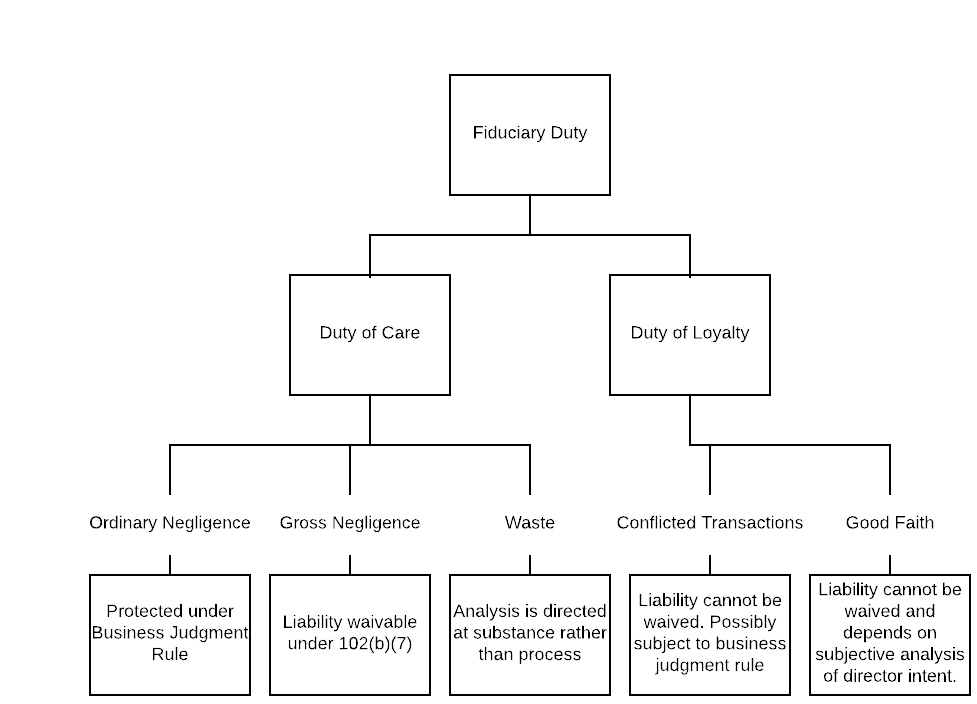
To guarantee this goal is pursued ethically, the law imposes a strict set of fiduciary duties upon you. You are no longer just a service provider; you are a trusted guardian.
The Fiduciary Duties of a Property Manager
- Obedience: A property manager owes the fiduciary duty of obedience to the property owner, meaning you must follow all lawful instructions from the owner.
- Loyalty: A property manager owes the fiduciary duty of loyalty to the property owner. You cannot put your own financial interests, or those of a third party, above the owner's.
- Disclosure: A property manager owes the fiduciary duty of disclosure to the property owner, requiring you to proactively share any material information that could affect the property or its profitability.
- Confidentiality: A property manager owes the fiduciary duty of confidentiality to the property owner. You must keep the owner's private financial and strategic information secret.
- Accountability: A property manager owes the fiduciary duty of accountability to the property owner, meaning every single dollar of rent collected and spent must be tracked and justified.
- Reasonable Care: A property manager owes the fiduciary duty of reasonable care to the property owner. You must use your professional skill and diligence to protect the asset from harm and financial loss.
To apply these fiduciary duties successfully, you must understand that managing different types of properties is like playing completely different games. The rules, the pace, and the objectives change depending on the asset class.
1. Residential Property Management: The High-Velocity Market
Managing apartments is about managing velocity. Residential property management involves dealing with high tenant turnover. People move for jobs, marriages, and expanding families. Consequently, residential property managers must handle frequent lease renewals, as residential property leases typically have a duration of one year.
Because people sleep, eat, and raise families in these spaces, the legal stakes regarding safety are paramount. New York residential property managers must ensure the property complies with the statutory warranty of habitability. If the heat fails in January, you are not just facing an annoyed tenant; you are in breach of a fundamental legal obligation to keep the premises livable.
2. Office Property Management: The Long-Term Play
If residential is high-velocity, office management is a long-term chess match. Office property management requires a focus on long-term lease negotiations. Businesses want stability, meaning commercial office property leases typically run for five to ten years.

The financial geometry is also different. Instead of a flat monthly rate for an apartment, office property managers calculate tenant rent based on rentable square footage. This metric includes not just the tenant's usable office space, but their proportional share of the building's common areas, like lobbies and shared restrooms.
3. Retail Property Management: Curating the Ecosystem
Managing a shopping center or retail strip is not just about leasing space; it is about curating an interconnected ecosystem. Retail property management requires careful selection of a tenant mix.
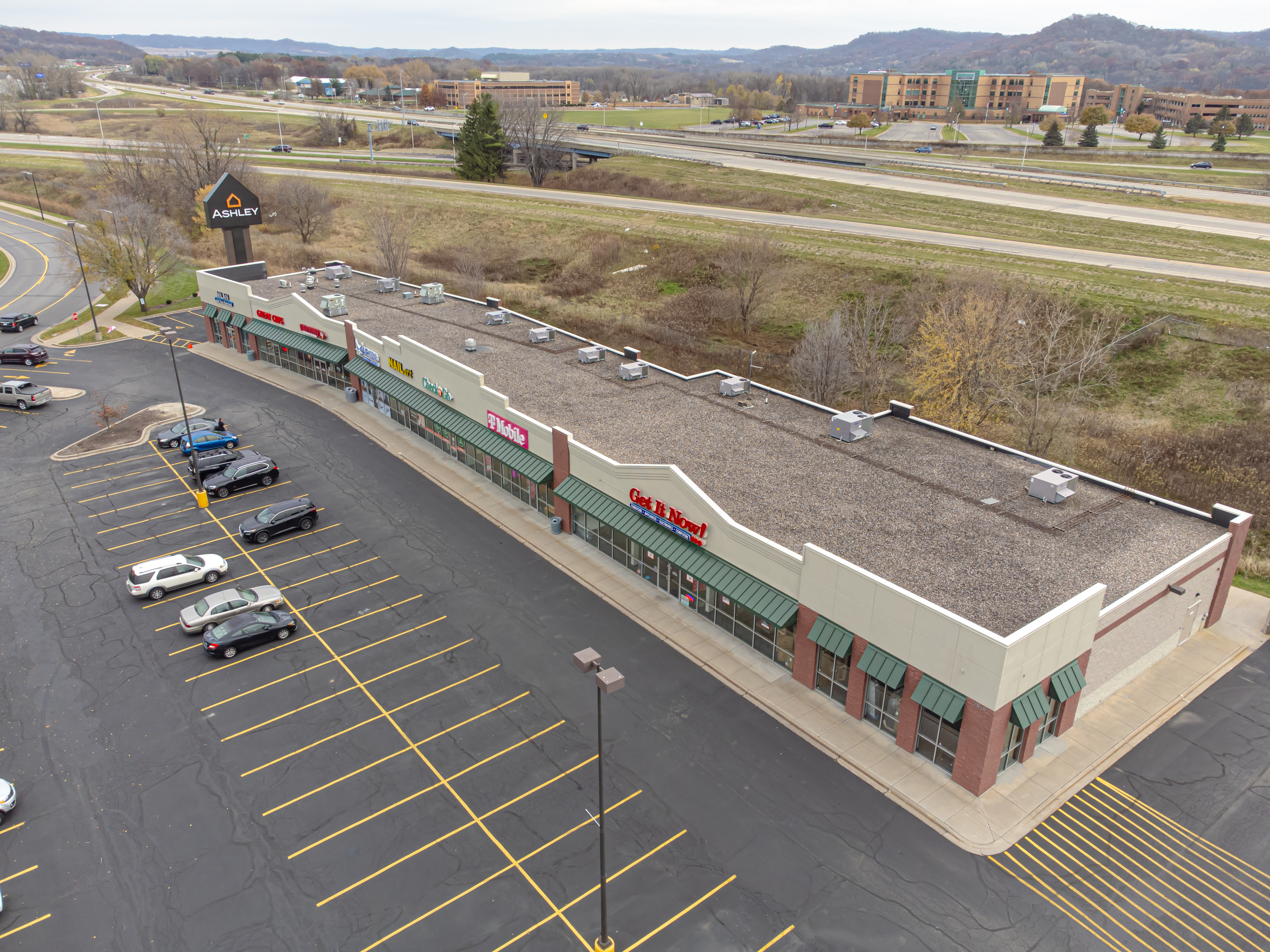
A tenant mix refers to the variety of commercial tenants in a retail property. If you lease to four coffee shops and zero grocery stores, the businesses will cannibalize each other, foot traffic will die, and the center will fail.
Furthermore, retail managers often participate directly in their tenants' success. Retail leases are frequently structured as "percentage leases", where rent is tied to how much money the store makes. Because of this, retail property managers must closely monitor tenant gross sales for percentage leases to ensure the owner is receiving their fair contractual share of the profits.
4. Condominium Property Management: Maintaining the Asset
Condominium management turns the traditional management model upside down. In a condo, the residents actually own the units.
Therefore, condominium property management focuses on maintaining property value rather than generating rental income. Your job is not to maximize yield; it is to protect the owners' equity by keeping the building pristine and solvent.
Instead of an individual owner, condominium property managers report directly to the condominium board of directors. Instead of collecting rent, condominium property managers are responsible for collecting monthly common charges from unit owners to fund the building's operations.
If a building is a machine, money is its fuel. A property manager must master the financial architecture to keep the machine running.
Setting the Price: The Rental Schedule
Before a manager can collect money, they must determine what the space is worth. A property manager must establish a rental schedule. This schedule sits at a delicate intersection of reality and necessity:
- A rental schedule must generate sufficient income to cover operating expenses. If rent doesn't cover costs, the property goes bankrupt.
- A rental schedule must reflect current market conditions to remain competitive. If you price units too high, they sit vacant; too low, and you violate your fiduciary duty to maximize ROI.
The Budgeting Triad
To anticipate the financial future, a property manager prepares three distinct types of budgets:
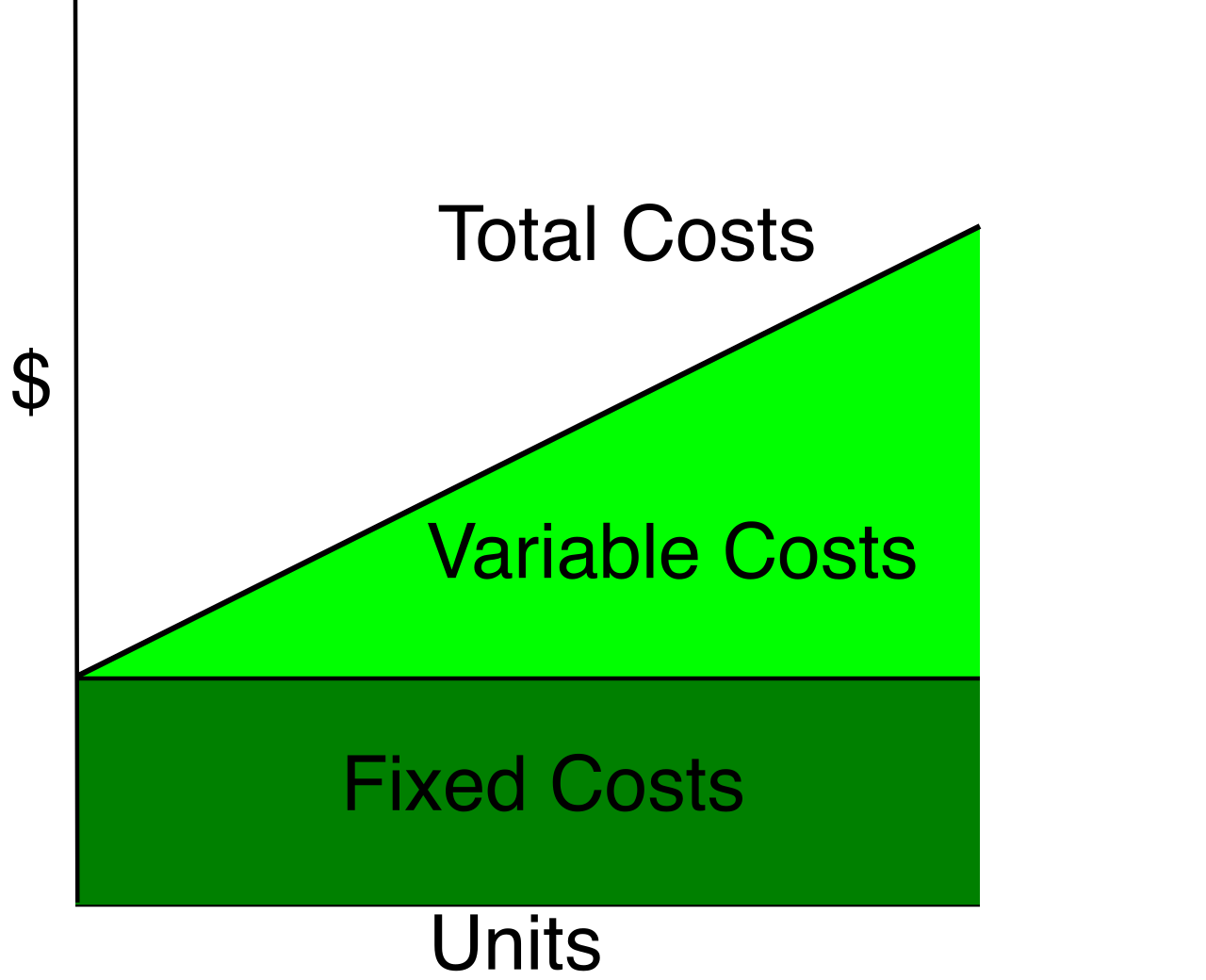
- The Annual Operating Budget: A property manager prepares an annual operating budget for the property owner to act as the primary financial roadmap. It projects the income for the property over a one-year period and projects the expenses for the property over a one-year period. You must balance two types of expenses here:
- Fixed expenses: These do not change based on how full the building is. An operating budget includes fixed expenses like property taxes and property insurance.
- Variable expenses: These fluctuate based on occupancy and seasonal use. An operating budget includes variable expenses like utility costs and building repairs.
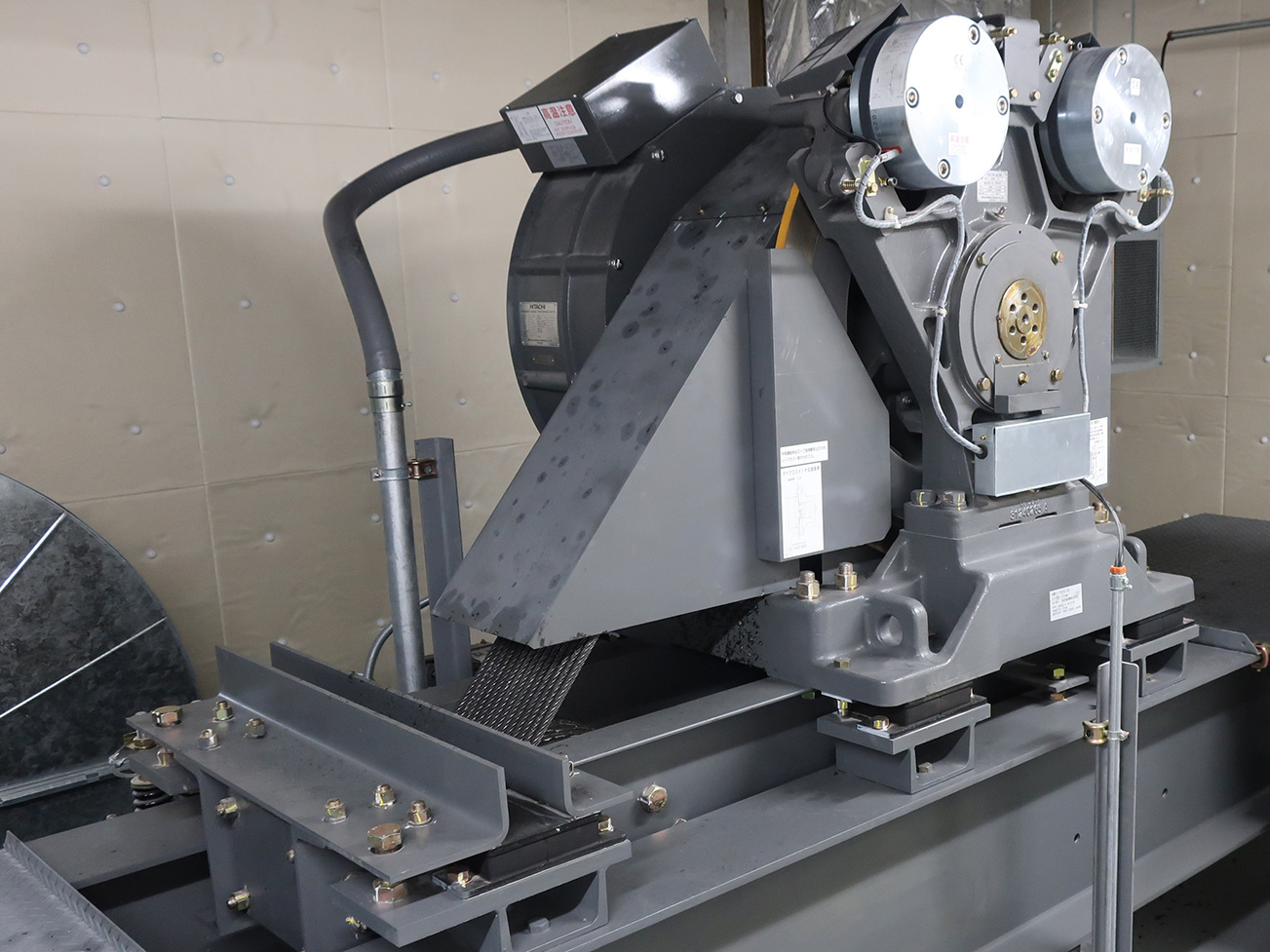
- The Capital Reserve Budget: Buildings age. Roofs cave in, and boilers die. A property manager prepares a capital reserve budget to plan for the future replacement of major property equipment. By setting aside a little money each month, the owner avoids a catastrophic financial shock when the elevator needs replacing in ten years.
- The Stabilized Budget: For long-term valuation and investor planning, managers use a broader lens. A stabilized budget is a forecast of income and expenses projected over a five-year period, smoothing out short-term market volatility.
The Ledger of Reality: The Rent Roll
While budgets are predictions, the rent roll is the absolute truth of the present moment. A property manager is responsible for maintaining an accurate rent roll.
A rent roll is a comprehensive document listing all current tenants in a property. It is the vital sign of the building's financial health. An effective rent roll captures every critical data point for every single unit:
- It specifies the lease start date for every tenant.
- It specifies the lease expiration date for every tenant (allowing you to anticipate upcoming vacancies).
- It indicates the monthly rent amount collected from each tenant.
- It records the security deposit amount held for each tenant.
The manager's job does not end when the rent is collected; they must continually prove their effectiveness and protect the physical structure.
Because of the fiduciary duty of accountability, a property manager must provide the property owner with periodic management reports. A property management report details the monthly income generated by the property and details the monthly operating expenses for the property. This report allows the owner, who is sitting safely on shore, to know exactly how the voyage is progressing.
Finally, managing the numbers means nothing if the building itself falls apart. Preventive maintenance is a key obligation of a property manager to preserve the physical integrity of the building. Catching a $500 roof leak today prevents a $50,000 structural collapse tomorrow.
Furthermore, you must physically maintain the building to strict legal standards. Beyond the warranty of habitability in residential units, commercial property managers must ensure the property complies with the Americans with Disabilities Act (ADA), guaranteeing that the physical environment remains accessible, safe, and legally compliant for everyone who walks through the doors.