Property Manager Skills
Not sure you’re ready?
Take the ~3-minute readiness diagnostic and see where you stand.
Imagine a physical machine that generates hundreds of thousands of dollars a month, houses hundreds of human beings, relies on century-old plumbing intertwined with state-of-the-art fiber optics, and operates under some of the most stringent regulatory frameworks on Earth. That is a New York City residential building. Managing it requires far more than merely collecting rent and fixing leaky faucets. It demands a polymath's synthesis of financial accounting, structural engineering, legal acumen, and high-stakes diplomacy. As a real estate professional in New York, understanding the sheer breadth of a property manager’s role is what separates those who merely facilitate a transaction from those who genuinely understand the lifecycle, profitability, and operational reality of the assets they sell.

When you look at a skyscraper, you see brick, glass, and steel. A property manager looks at the same building and sees a massive, dynamic spreadsheet. The foundation of this financial architecture is accounting. If the numbers are wrong, the building inevitably fails.
To maintain order and provide transparency to property owners and investors, property managers use Generally Accepted Accounting Principles.
GAAP stands for Generally Accepted Accounting Principles. It is the standardized framework of rules and guidelines that financial accountants must follow.
Why does GAAP matter? Because an investor cannot secure a $10 million refinance from a bank using a shoebox full of hastily scribbled receipts. Property managers use Generally Accepted Accounting Principles to maintain accurate financial records for property owners, ensuring that every dollar of income and expense is recorded systematically, universally understood, and legally compliant.
To anticipate the financial future of the building, managers rely on two distinct types of budgets:
| Budget Type | Function & Purpose | Real-World Example |
|---|---|---|
| Operating Budgets | Created to project the short-term income and expenses for a specific property. | Budgeting for monthly landscaping, snow removal, lobby electricity, and staff payroll for the upcoming year. |
| Capital Reserve Budgets | Allocate funds for long-term replacements of major building components. | Setting aside a portion of income over ten years to replace a $250,000 boiler or resurface the entire roof. |
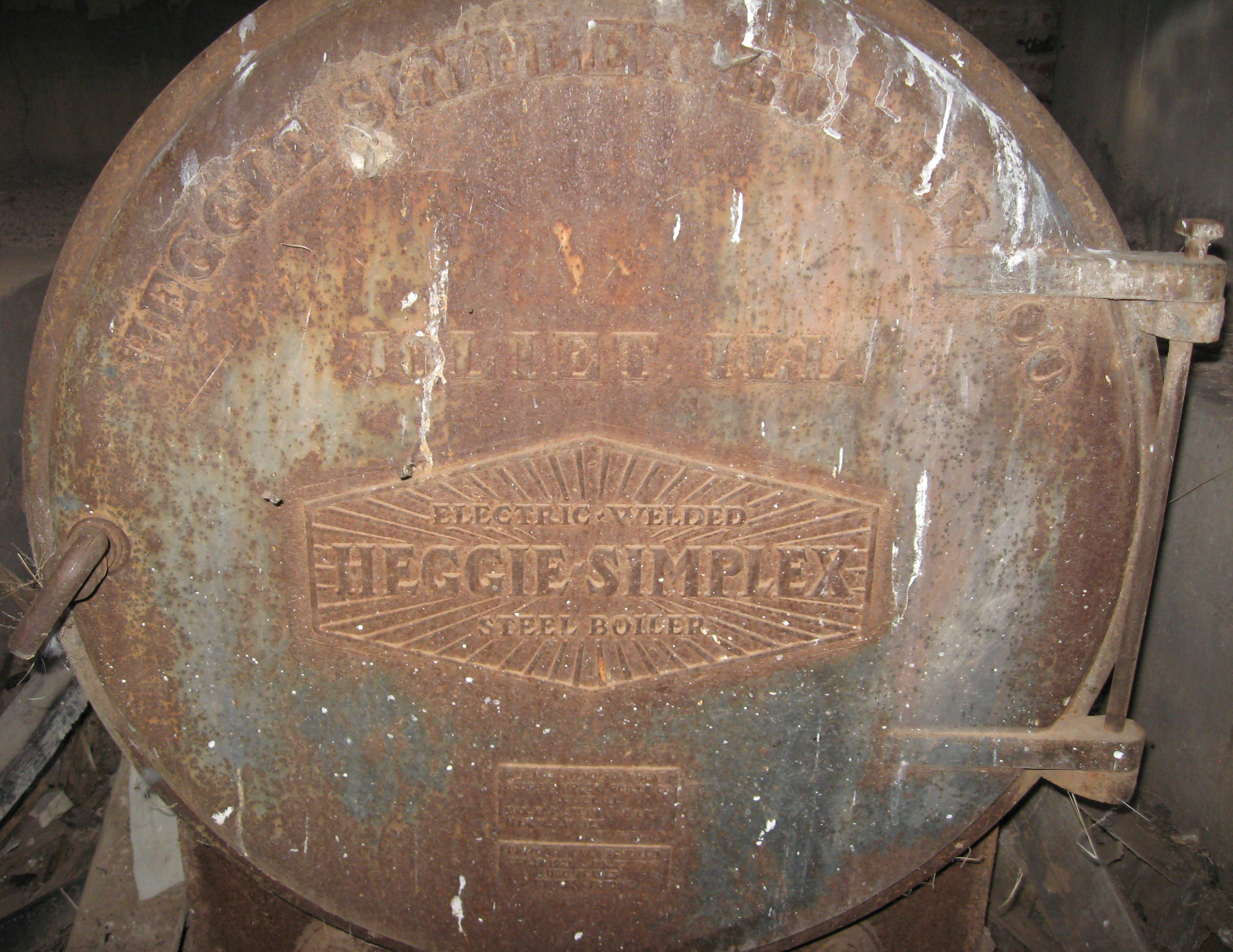
Tracking the flow of money in and out of these budgets is a daily obsession. Property managers meticulously track accounts payable—the money the building owes to others—to ensure building vendors receive timely compensation. If the exterminator or the oil delivery company isn't paid on time, they stop coming, and the building suffers immediately.
Conversely, tracking accounts receivable—the money owed to the building—allows a property manager to monitor rent collection. This is not just about depositing checks; identifying delinquent tenants is a core function of monitoring accounts receivable. Catching a missed payment on day five allows the manager to intervene before the tenant falls months behind.
A property manager is essentially the general practitioner of a building. They do not need to be the surgeon who rebuilds the engine, but they absolutely must know how to diagnose the symptoms and evaluate the specialists.
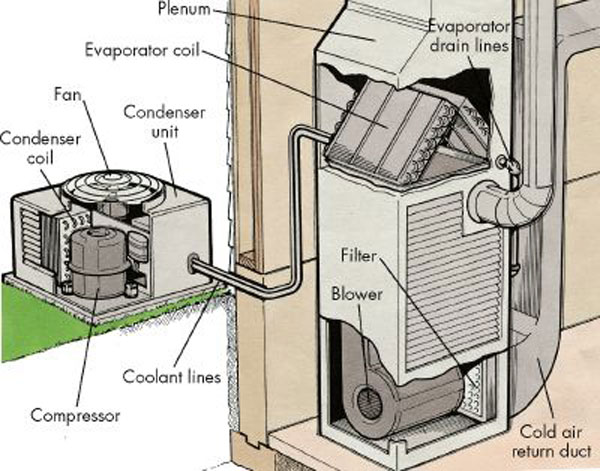
Nowhere is this more evident than with HVAC, which stands for Heating, Ventilation, and Air Conditioning. Property managers require foundational knowledge of HVAC systems to supervise maintenance personnel effectively. If a building is freezing in January, the manager must know whether to dispatch a boiler technician, check the water pressure, or bleed a line.
This technical literacy extends to the building’s veins and nervous system. Understanding electrical and plumbing systems helps a property manager evaluate contractor bids for building repairs. When a contractor quotes $15,000 to fix a water pressure issue, a knowledgeable manager can spot whether the contractor is appropriately upgrading a booster pump or unnecessarily ripping out functional copper piping.
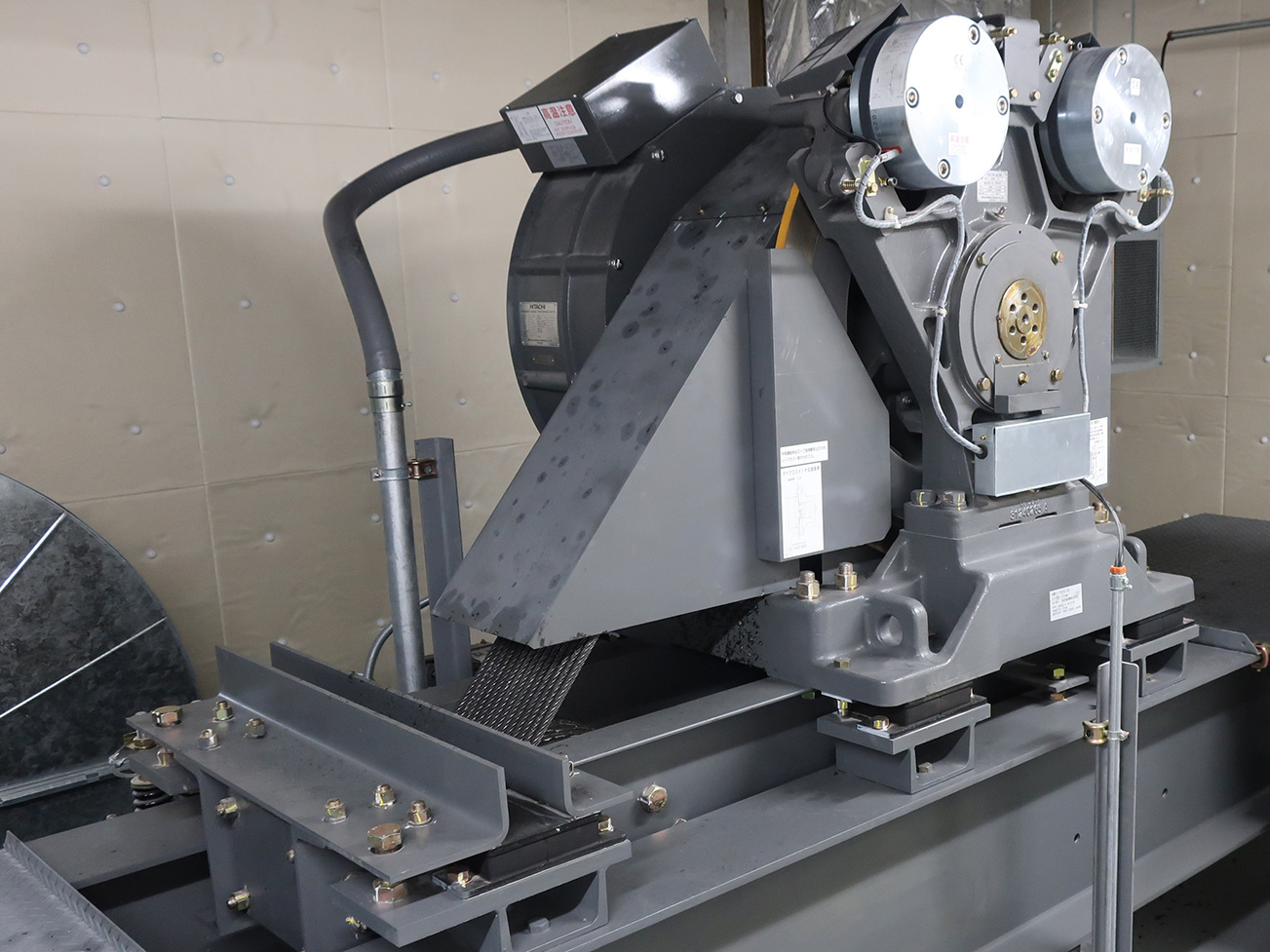
Preventing disaster is always cheaper than repairing it. Therefore, property managers coordinate preventative maintenance schedules for building elevators to prevent service interruptions. In a 30-story New York high-rise, a broken elevator is not an inconvenience; it is a crisis.
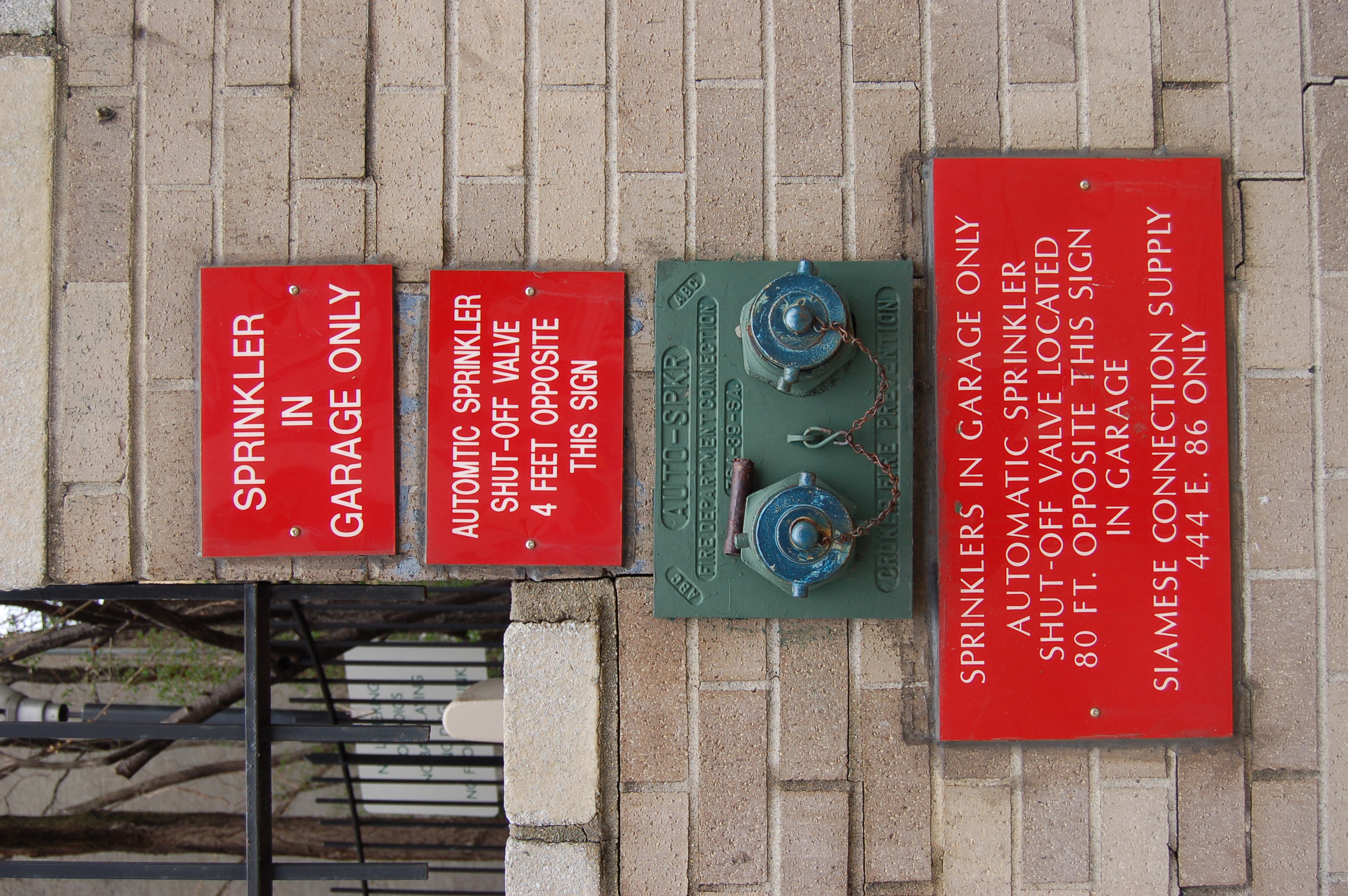
Similarly, safety is paramount. Property managers oversee routine inspections of fire suppression systems to maintain building code compliance. A neglected sprinkler system is not merely a violation waiting to happen; it is a profound threat to human life and the survival of the asset.
In real estate, risk is the permanent shadow of profit. A property manager acts as the primary shield protecting the property owner from liability, lawsuits, and municipal fines.
A primary rule of property management: A property manager mitigates liability risk for the owner by maintaining adequate property insurance coverage.
From slip-and-falls in the icy courtyard to catastrophic fire damage, robust insurance is the safety net under the entire operation. But physical hazards are only half the battle; the regulatory environment in New York is notoriously dense.
Property managers maintain familiarity with local building codes to prevent municipal property violations. The Department of Buildings (DOB) and Environmental Control Board (ECB) issue steep fines for everything from improper facade maintenance to unpermitted renovations.
When it comes to human occupancy, a property manager must understand New York landlord-tenant laws to legally execute residential lease agreements. A lease is only as strong as its compliance with state law. If a tenant stops paying rent or severely violates the terms of their lease, the property manager initiates legal eviction proceedings in housing court following a tenant lease breach. Navigating housing court requires precise documentation, which ties directly back to how well the manager tracked their accounts receivable and documented communications.
Above all, fairness is enshrined in federal and state law. Property managers must ensure all property operations comply with federal and New York Fair Housing laws. Ignorance is never a defense. Steering, discriminatory advertising, or disparate treatment of applicants can result in crushing federal penalties and the loss of the manager’s license.
Buildings are made of brick, but communities are made of people. A primary duty of a property manager is serving as a communication liaison between the property owner and the tenants. The owner wants a profitable, quiet investment; the tenant wants a safe, comfortable, highly responsive home. The manager stands in the middle.
Effective landlord-tenant relations require a property manager to establish systematic procedures for tenant maintenance requests. You cannot manage a 200-unit building with texts and sticky notes. Whether through a web portal or a structured ticketing system, systematic procedures ensure accountability and rapid response times, which keeps tenant satisfaction high and turnover low.
But where there are people, there is friction. Property managers frequently mediate noise and nuisance disputes between neighboring tenants to maintain a peaceful building environment. When 4A complains that 5A is practicing the trombone at 2:00 AM, the manager must act as a diplomat, de-escalating the tension before it breaches the covenant of quiet enjoyment.
When diplomacy fails and rules are broken, enforcement must be absolute and blind. A property manager must enforce lease rules uniformly across all residents to prevent claims of discrimination. If you fine a young bachelor for leaving trash in the hallway, you must also fine the friendly elderly couple for the exact same infraction. Selective enforcement is the fastest route to a Fair Housing lawsuit.
If you are dealing with real estate in New York City, you are dealing with union labor. Many large residential buildings in New York employ unionized staff for maintenance and security operations.
Local 32BJ is a prominent property service workers union representing building staff in New York City. They represent the doormen, porters, handymen, and superintendents who keep the city's buildings functioning.
Managing unionized staff is an entirely different discipline from managing at-will employees. Property managers must administer building employee schedules in strict compliance with collective bargaining agreements (CBAs). These agreements govern exactly how overtime is distributed, how shifts are structured, and when staff are entitled to breaks.
When disputes arise—such as a porter feeling they were unfairly disciplined—a property manager acts as the employer representative during formal grievance procedures with unionized building staff. This requires a cool head, meticulous documentation of the employee's performance, and a deep understanding of the CBA's disciplinary protocols.
Because the manager intimately knows the operational needs of the building and the performance of the staff, property managers assist property owners during contract renewal negotiations with building service worker unions. They advise the owner on what concessions are feasible and what operational flexibilities the building must fight to retain.
Finally, the union contract dictates the building's financial obligations to its workers. A property manager must understand wage regulations under union contracts to calculate accurate building payroll expenses. Miscalculating shift differentials, holiday pay, or mandatory pension contributions will not only trigger a union grievance but will severely distort the operating budget we discussed at the very beginning of this guide.
By mastering the accounting ledgers, the physical mechanics of the elevators, the intricacies of housing court, and the nuances of union labor, the New York property manager does the impossible every single day: they keep the machine running, the people safe, and the investment highly profitable.