New York State Fair Housing Law
Not sure you’re ready?
Take the ~3-minute readiness diagnostic and see where you stand.
The architecture of fair housing law in the United States resembles a set of nested jurisdictions, each layer imposing stricter mandates than the foundational one below it. The federal Fair Housing Act establishes a baseline of protected classes including race, color, religion, national origin, sex, familial status, and disability. However, for a real estate professional operating in New York, knowing the federal baseline is merely the prerequisite. To facilitate real estate transactions legally and ethically within the state, one must master the expanded protections dictated by state and municipal laws. The New York State Human Rights Law introduces additional protected housing classes beyond the baseline federal fair housing protections, and jurisdictions like New York City construct yet another layer of compliance atop the state code.
Understanding these exact distinctions is not an academic exercise—it dictates how you market a property, how you screen applicants, and how you advise landlords at the closing table.
The New York State Human Rights Law (NYSHRL) significantly broadens the umbrella of individuals protected from discrimination in housing. The New York State Division of Human Rights is the government agency responsible for enforcing the New York State Human Rights Law. When a landlord or an agent violates these rules, this is the body that conducts the investigation and levies penalties.
To navigate these rules in practice, it is best to view them not as a memorization list, but as specific categories of human life where New York state has decided landlords cannot intrude.
Age and Marital Status: The "Quiet Preference" Trap
Age is a legally protected class in housing transactions under the New York State Human Rights Law. A New York State landlord cannot legally reject an adult housing applicant simply because the landlord prefers older tenants. Whether a legally competent applicant is 19 or 90, their age cannot be the basis for a housing denial.
Similarly, marital status is a legally protected class in housing transactions under the New York State Human Rights Law. Real estate licensees in New York State must treat unmarried couples exactly the same as married couples during any housing transaction. You cannot require co-signers for an unmarried couple if you would not require them for a married couple.
These two protections often catch unwary agents through seemingly innocent advertising.
The Advertising Trap: Imagine you draft a listing description stating the property is perfect for "mature couples." Under the law, real estate advertising stating a preference for mature couples violates age protections under the New York State Human Rights Law (because "mature" implies a preference against young adults) and violates marital status protections under the New York State Human Rights Law (because "couples" implies a preference against single individuals or unmarried groups).
Income and Employment Protections
Financial discrimination often serves as a proxy for other biases. To combat this, New York has established stringent rules regarding how applicants earn and pay their rent.
Lawful source of income is a legally protected class in housing transactions under the New York State Human Rights Law. If the money is legal, it spends the same. A landlord's preference for a traditional corporate W-2 employee over someone utilizing government assistance is strictly prohibited.
- Vouchers: New York State landlords cannot legally refuse to rent to a tenant solely because the tenant will pay rent using a Section 8 housing voucher.
- Benefits & Entitlements: New York State landlords must accept social security benefits as a valid source of income for housing applications.
- Family Court Distributions: New York State landlords must accept child support payments, as well as alimony payments, as a valid source of income for housing applications.
Furthermore, military status is a legally protected class in housing transactions under the New York State Human Rights Law. Landlords in New York State cannot legally deny an apartment lease to an active-duty military member based on the applicant's service obligations, including the possibility of future deployment.
Identity, Biology, and Life Circumstances
New York actively protects the deeply personal aspects of an applicant's identity and medical reality.
- Identity: Sexual orientation is a legally protected class, as is gender identity or expression.
- Genetics & Pregnancy: Landlords cannot deny housing based on genetic predisposition, and pregnancy-related conditions are legally protected against housing discrimination.
The state also extends a crucial shield to those trapped in dangerous living situations. Domestic violence victim status is a legally protected class in housing transactions under the New York State Human Rights Law. In practice, this means a New York State landlord cannot legally evict a tenant solely because the tenant is a victim of domestic violence (for instance, citing "noise complaints" stemming from an abuser's attack).
Finally, citizenship or immigration status is a legally protected class. A New York State landlord cannot legally deny an apartment to a prospective tenant solely because the tenant is not a United States citizen. Provided the tenant can meet the financial and standardized screening requirements, their passport origin or visa status is immaterial.
The Legal System: Arrest Records
Housing professionals often run background checks, but they must know exactly what they are legally allowed to weigh.
- The New York State Human Rights Law protects housing applicants from discrimination based on prior arrest records resolved in the applicant's favor. If an applicant was arrested but not convicted (e.g., the case was dismissed), that record cannot be used against them.
- Furthermore, the law protects individuals from housing discrimination based on pending arrests. An arrest is merely an accusation; until a conviction occurs, the presumption of innocence is preserved in housing access.
If the federal law is the foundation and the state law is the framing, the New York City Human Rights Law (NYCHRL) is the penthouse of tenant protections. The New York City Human Rights Law provides additional housing discrimination protections beyond both federal and New York State laws.
The New York City Commission on Human Rights is the government agency responsible for enforcing the New York City Human Rights Law. For practitioners in the five boroughs, two unique, highly specific protected classes must be memorized:
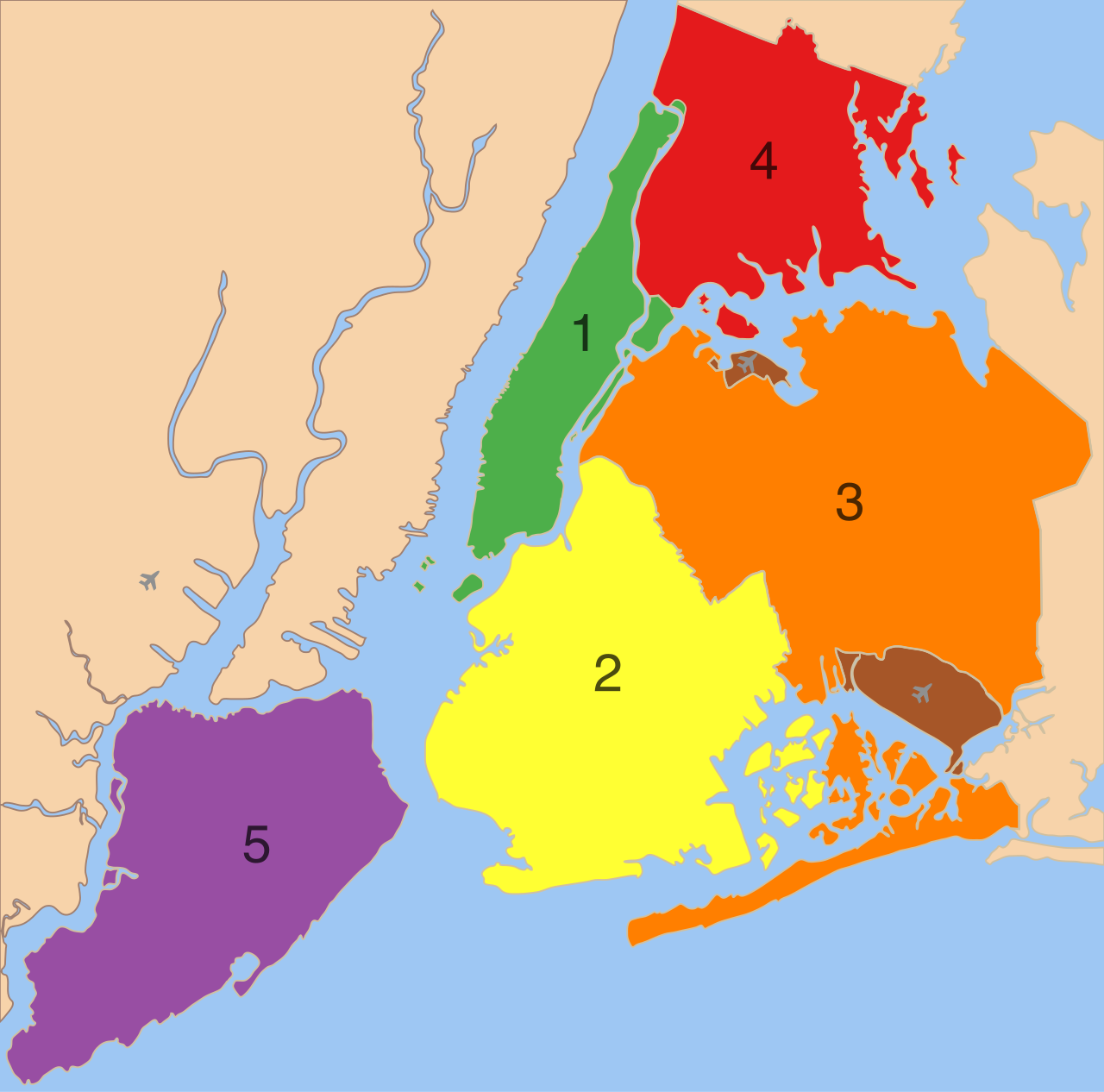
1. Lawful Occupation Lawful occupation is a uniquely protected housing class under the New York City Human Rights Law. A New York City landlord cannot legally refuse to rent an apartment to an applicant solely because the landlord dislikes the applicant's specific profession. Why it matters: Historically, landlords in NYC might refuse to rent to lawyers (fearing litigation), musicians (fearing noise), or diplomats (fearing diplomatic immunity for unpaid rent). Under NYC law, if the occupation is legal, the applicant cannot be denied based on it.
2. Partnership Status Partnership status is a uniquely protected housing class under the New York City Human Rights Law. The partnership status protection in New York City prevents landlords from discriminating against individuals in legally registered domestic partnerships, ensuring they receive the exact same housing considerations as married spouses.
Comparison Matrix: Protected Classes
| Jurisdiction | Enforcing Agency | Key Protected Classes (Cumulative) |
|---|---|---|
| Federal | HUD | Race, Color, Religion, National Origin, Sex, Familial Status, Disability |
| New York State | NYS Division of Human Rights | All Federal classes PLUS: Age, Marital Status, Military Status, Sexual Orientation, Gender Identity/Expression, Lawful Source of Income, Domestic Violence Victim Status, Citizenship/Immigration Status, Arrest Records (resolved/pending), Genetic Predisposition, Pregnancy-related conditions. |
| New York City | NYC Commission on Human Rights | All Federal and State classes PLUS: Lawful Occupation, Partnership Status. |
Anti-discrimination laws are powerful, but they occasionally yield to a property owner's right to intimate association within their own primary residence. However, New York applies these exemptions far more narrowly than the federal government.
The Federal Fair Housing Act contains the "Mrs. Murphy" exemption, which allows certain discriminations in owner-occupied buildings of up to four units. New York State rejects this four-unit standard. The New York State owner-occupied fair housing exemption is stricter than the federal exemption because the state exemption caps the limit at two units instead of four.
Under the state code:
- Small Owner-Occupied Buildings: The New York State Human Rights Law completely exempts owner-occupied one-family buildings, as well as owner-occupied two-family buildings, from its anti-discrimination housing provisions.
- Room Rentals: The New York State Human Rights Law exempts room rentals in an owner-occupied housing unit from its anti-discrimination provisions. (If you are renting a spare bedroom in your own apartment, you have discretion over who shares your living space).
- Single-Sex Rooming: The law exempts room rentals in housing intended for single-sex occupancy from its anti-discrimination provisions (e.g., an all-female boarding house).
- Senior Housing: The New York State Human Rights Law exempts housing explicitly designated for persons age fifty-five or older from its age discrimination provisions. This allows retirement communities to legally maintain their specific demographic.
Crucial Exam Warning: Even if a landlord qualifies for an exemption, real estate licensees are never exempt. If an owner-occupant of a two-family home hires you as their agent, you cannot execute discriminatory preferences on their behalf. Furthermore, no one—not even an exempt owner—may ever place a discriminatory advertisement, and discrimination based on race is absolutely never exempted under any circumstance due to the Civil Rights Act of 1866.
Disability protections require proactive compliance from landlords and agents. Understanding the difference between a "rule" and a "structure" is critical here.
Accommodations (Rules and Policies) The New York State Human Rights Law requires housing providers to make reasonable accommodations in rules or policies for individuals with disabilities. An accommodation costs the landlord nothing financially; it simply requires bending a standard policy.
- Example: A landlord enforcing a strict no-pet policy against a blind applicant using a guide dog violates state disability protections. Guide dogs are not pets; they are medical necessities.

Modifications (Physical Architecture) If an apartment's physical structure prevents a disabled person from fully using it, physical changes must be allowed. Landlords must permit disabled tenants to make reasonable architectural modifications to an apartment at the tenant's own expense.
- Example: A tenant using a wheelchair has the right to widen the bathroom doorway and install grab bars. The landlord must allow this, provided the tenant pays for the work and agrees to restore the property to its original condition when the lease ends (if reasonable).
State and municipal agencies do not rely solely on consumer complaints to enforce fair housing; they actively audit the real estate industry.
Fair housing testing utilizes trained individuals posing as housing applicants to uncover illegal discriminatory practices by real estate professionals. Testers often work in pairs. One tester will represent a protected class (e.g., an unmarried applicant paying with a Section 8 voucher) and another will not. They will present identical financial profiles to an agent to see if they are steered toward different neighborhoods, quoted different prices, or subjected to different levels of enthusiasm.
When a consumer or a tester uncovers discrimination, they have the right to file a complaint. To ensure victims feel safe coming forward, retaliation against an individual for filing a fair housing complaint is strictly illegal under the New York State Human Rights Law. Likewise, retaliation against an individual for filing a fair housing complaint is strictly illegal under the New York City Human Rights Law.
If a landlord attempts to evict a tenant, or an agent refuses to return phone calls from an applicant simply because that applicant previously filed a discrimination claim, the landlord or agent has committed an independent, highly penalized violation—even if the original discrimination claim is ultimately dismissed.
As an aspiring New York real estate salesperson, your duty is to internalize these layers of protection. You are the gatekeeper to housing. Ensuring that you, and the clients you represent, strictly adhere to the Human Rights Laws of New York State and New York City is not just a matter of passing your exam—it is the foundation of an ethical, legally sound real estate practice.