Physical Safety and Environment
Not sure you’re ready?
Take the ~3-minute readiness diagnostic and see where you stand.
A real estate transaction is fundamentally an exercise in risk management. While aspiring agents spend hundreds of hours studying the legal safeguards of a deed, the financial architecture of a mortgage, and the fiduciary duties of agency, they routinely ignore the most vital asset in the entire transaction: themselves. We rely on escrow accounts to protect a buyer’s funds and title insurance to protect a seller’s property rights. Yet, physical safety in real estate is frequently treated as an afterthought—a collection of polite suggestions rather than a rigorous operational protocol. To operate successfully as a New York Real Estate Salesperson, you must approach your physical environment and your interactions with the same methodical precision you apply to a complex commercial lease.
When you strip away the polished marketing, real estate is a profession where you routinely agree to meet strangers, often alone, in vacant buildings, with high-value assets changing hands. To navigate this landscape safely, we must establish systems of visibility, physical geometry, and verifiable identity.
Before a client ever steps foot in a property, you must establish a baseline of operational security. The greatest vulnerabilities arise from anonymity. Your first task is to strip that anonymity away through strict intake protocols.
Controlling the Digital and Physical Boundary
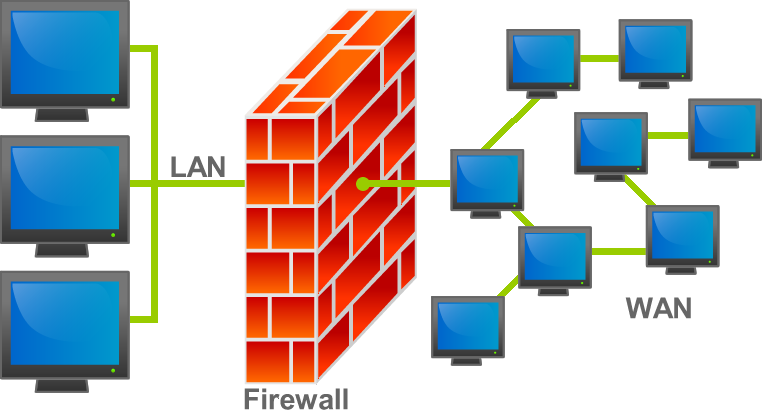
Your safety protocol begins before you ever meet a client. It starts with the data you put into the world. You must avoid publishing a personal home phone number on public marketing materials, and you must strictly avoid publishing a personal home address on public real estate websites. By restricting your public footprint to brokerage contact channels, you build an initial firewall between your professional operations and your private life.
When managing the physical boundary of your workspace, the rule is absolute: a real estate licensee working alone in the office after hours should keep the main entrance doors locked. You dictate who enters your environment.
The Staging Ground: The Brokerage Office
When a prospect reaches out to view a property, human nature urges you to accommodate them immediately by meeting at the listing. Resist this urge. A real estate licensee should always conduct the initial meeting with a new client at the real estate brokerage office.
Meeting at the brokerage shifts the psychological leverage. You are on home turf, surrounded by your professional infrastructure. While there, you should introduce a new prospect to at least one colleague at the real estate office. This is not merely a courtesy; it is a tactical maneuver. You are establishing that this individual has been seen, recognized, and visually logged by another human being. If the prospect is hesitant to come to an office full of people, that hesitation is your first warning signal.
Verifying the Variable: Identity Intake
Walk-in clients present an immediate unknown variable. To solve for this, real estate brokerages should utilize a Prospect Identification Form for all new walk-in clients. This document acts as your baseline data collection tool.
The Prospect Identification Form This critical document serves two primary functions:
- It collects basic contact information from a new client.
- It collects vehicle details (make, model, license plate) from a new client.
However, self-reported information is insufficient. A government-issued photo identification is required before a real estate licensee shows properties to a new prospect. You must physically verify who you are dealing with, and the real estate brokerage should keep a photocopy of a new prospect's identification on file at the office.
Once identity is established, the transition from the office to the field requires a clear chain of communication. If you disappear into a vacant property without a trace, your brokerage is flying blind.
The Flight Plan: Property Itineraries
Before you leave the office, you must leave a detailed itinerary of all scheduled property showings at the brokerage office. Think of this as your professional flight plan. To be effective, this itinerary must include two specific data points:
- It must include the specific property addresses being visited.
- It must include the estimated return time to the real estate office.
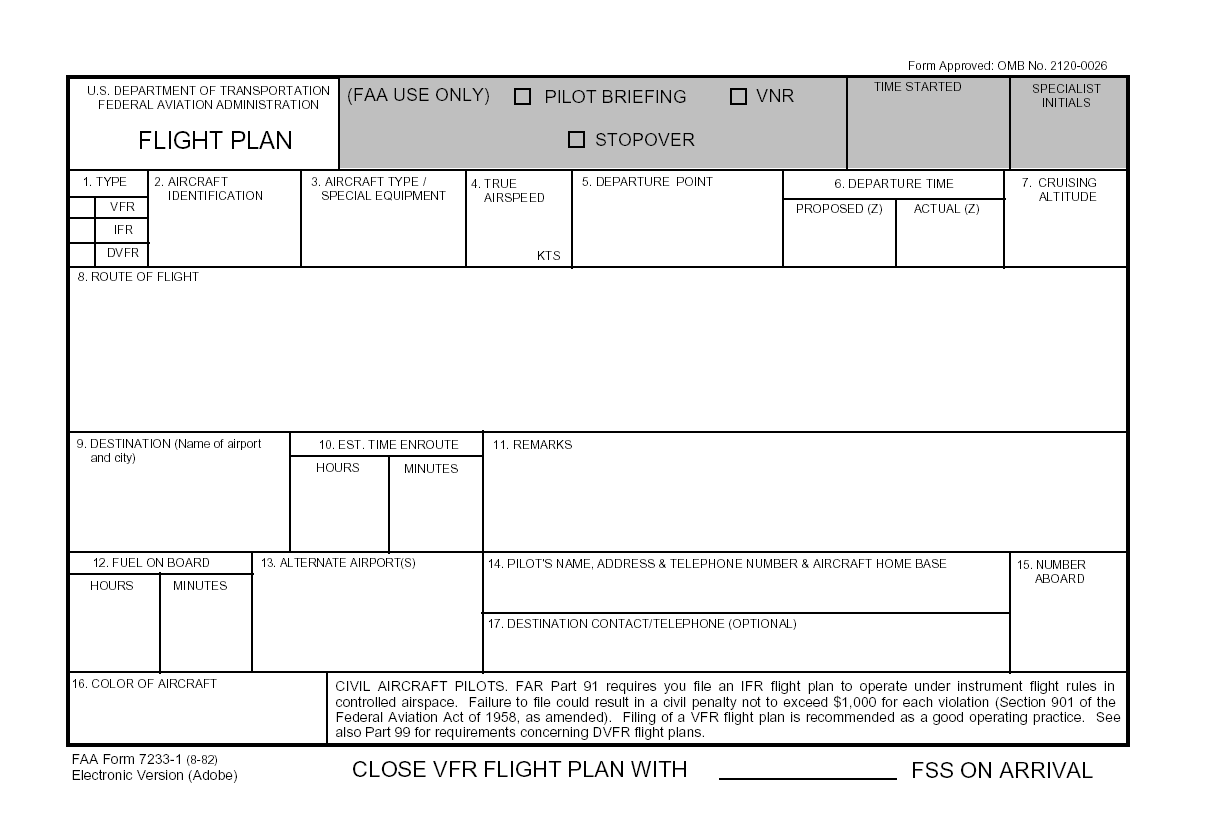
If that estimated return time passes without word from you, the office immediately knows where to direct assistance.
Communication and Contingencies
Before departing, a real estate licensee should ensure a mobile phone is fully charged. A dead battery turns a powerful communication device into a useless brick of glass and lithium. Furthermore, you should pre-program emergency contact numbers into a mobile phone on speed dial. In a high-stress scenario, fine motor skills degrade; you do not want to be fumbling through your contact list to dial 911 or your broker.
You must also establish a predetermined distress code word to use during an emergency. A distress code word allows a real estate licensee to discreetly signal the office for help over a phone call without alarming the individual you are with.
- Example: "Hi Sarah, can you pull the red file for the property on Elm Street?" If the office knows there is no such thing as a "red file," they immediately recognize the distress signal and can dispatch law enforcement to the address on your itinerary.
The Physics of Transit
When it is time to leave, a real estate licensee should require the prospect to drive a separate vehicle to the property showing. This is a non-negotiable rule of geometry and physics. Having the prospect drive a separate vehicle prevents the real estate licensee from being trapped in a car with a stranger.
If you are dealing with a prospect who raises an intuition of risk, implement the buddy system—a real estate licensee should use a buddy system when showing properties to an unfamiliar prospect. Two professionals fundamentally alter the power dynamic and eliminate the isolation a predator relies upon.
When you arrive at the listing, your objective is to control the environment and optimize your physical positioning.
Asset Management: Vehicles and Valuables
Where you place your car matters. A real estate licensee should park the vehicle on the street instead of the property driveway. Why? Because driveways are architectural bottlenecks. Parking a vehicle on the street prevents the vehicle from being blocked in by another car. If a situation deteriorates, you need an immediate, unobstructed vector of escape. Furthermore, you should keep vehicle keys physically accessible at all times during a property showing.
Your personal presentation should also mitigate risk. A real estate licensee should avoid wearing expensive jewelry to property showings, and you should avoid carrying large amounts of cash. Do not make yourself a lucrative target of opportunity.
Securing the Stage: Preparing the Vacant Home
A vacant property is a blind environment. Therefore, a real estate licensee should arrive early to a vacant property showing to inspect the premises. You must clear the environment before the unknown variable—the client—arrives.
During this pre-showing inspection, you must take two critical actions:
- Turn on all lights in a vacant property before the prospect arrives. Light eliminates shadows and blind corners, giving you total visual command of the space.
- Unlock all necessary exit doors in a vacant property before the prospect arrives. Never lock yourself inside a building with a stranger. Unlocking the exits ensures you always have a secondary route of egress.
Once the prospect arrives, the dynamic shifts to spatial management. How you move through the physical space determines your vulnerability.
| Tactical Showing Practice | Why it Matters (The Physics of Safety) |
|---|---|
| Prospect Walks in Front | A real estate licensee should direct the prospect to walk in front of the licensee during a property tour. Walking behind the prospect ensures the real estate licensee never turns away from the prospect. If you walk in front, you surrender your visual field and expose your back. |
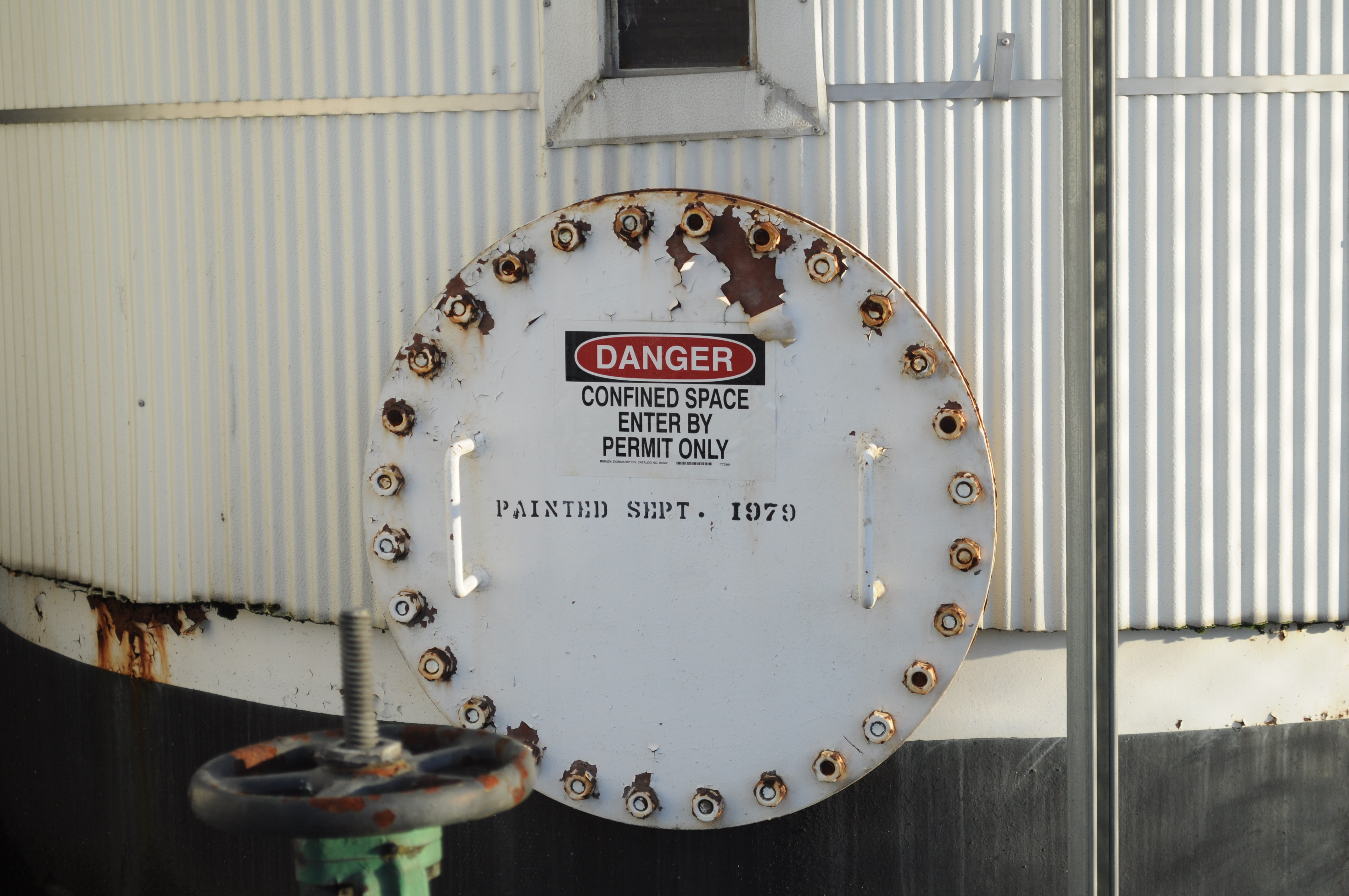
| Avoid Confined Spaces | A real estate licensee should avoid entering confined spaces alongside a prospect during a property showing. Confined spaces remove your ability to retreat. You should remain in the hallway and gesture for the client to enter the space alone. |
Identifying Confined Spaces
What constitutes a confined space in residential real estate? It is any room with only one point of entry and exit, where the physical dimensions restrict movement.
- Attics are considered confined spaces presenting a safety risk during property showings.
- Basements are considered confined spaces presenting a safety risk during property showings.
- Walk-in closets are considered confined spaces presenting a safety risk during property showings.
Stand at the threshold. Direct the client inside. Maintain your access to the exit path.
The protocols do not end when the last guest leaves an open house. As the event winds down, the property transitions from a heavily trafficked public space back to a vulnerable, empty structure.
A real estate licensee must thoroughly inspect all rooms at the conclusion of an open house. This is not just to check for left-behind brochures or to turn off the lights. Inspecting all rooms after an open house ensures no unauthorized individuals remain hidden inside the property.
Every protocol we have discussed—from the Prospect Identification Form to parking on the street—is an interlocking mechanism in a larger system of security. Just as you would never advise a client to skip a title search, you must never allow yourself to skip these fundamental safety procedures. Your life, your career, and your physical autonomy depend on your rigorous adherence to these environmental realities.