Plumbing Systems
Not sure you’re ready?
Take the ~3-minute readiness diagnostic and see where you stand.
A building is a living organism. The structural framing serves as its skeleton, and the electrical wiring functions as its nervous system. But the plumbing network—the intricate web of pressurized supply lines and gravity-fed drains—is both the circulatory and respiratory systems of the property. When you walk a prospective buyer through a Brooklyn brownstone or a mid-century colonial in Westchester, their eyes will invariably gravitate toward marble countertops and crown molding. Your responsibility as a real estate professional is to look past the cosmetic finishes and understand the anatomy of the vital organs: the incoming water services, the heating capacity, the piping materials, and the sanitary waste systems. Recognizing a deteriorating galvanized steel pipe or an undersized water heater before a home inspector flags it not only establishes your absolute authority but protects your client from thousands of dollars in hidden replacement liabilities at the closing table.
Before water ever reaches a kitchen faucet, it must successfully navigate a transition from the public domain to the private residence.
A water service pipe connects a building's internal plumbing system to the municipal water main buried beneath the street. The municipality maintains absolute control over this connection. If a property owner fails to pay their water bill or if a catastrophic leak occurs between the street and the house, city workers will close the curb valve—a mechanism that allows a municipality to shut off the water supply to a specific building from the street, physically isolating the property from the grid.
Once the service pipe breaches the foundation, control transfers to the homeowner. Building codes mandate a main water shut-off valve located inside a property near the water service pipe entry point. If a pipe bursts inside the home, this valve is the singular line of defense preventing catastrophic interior flooding.
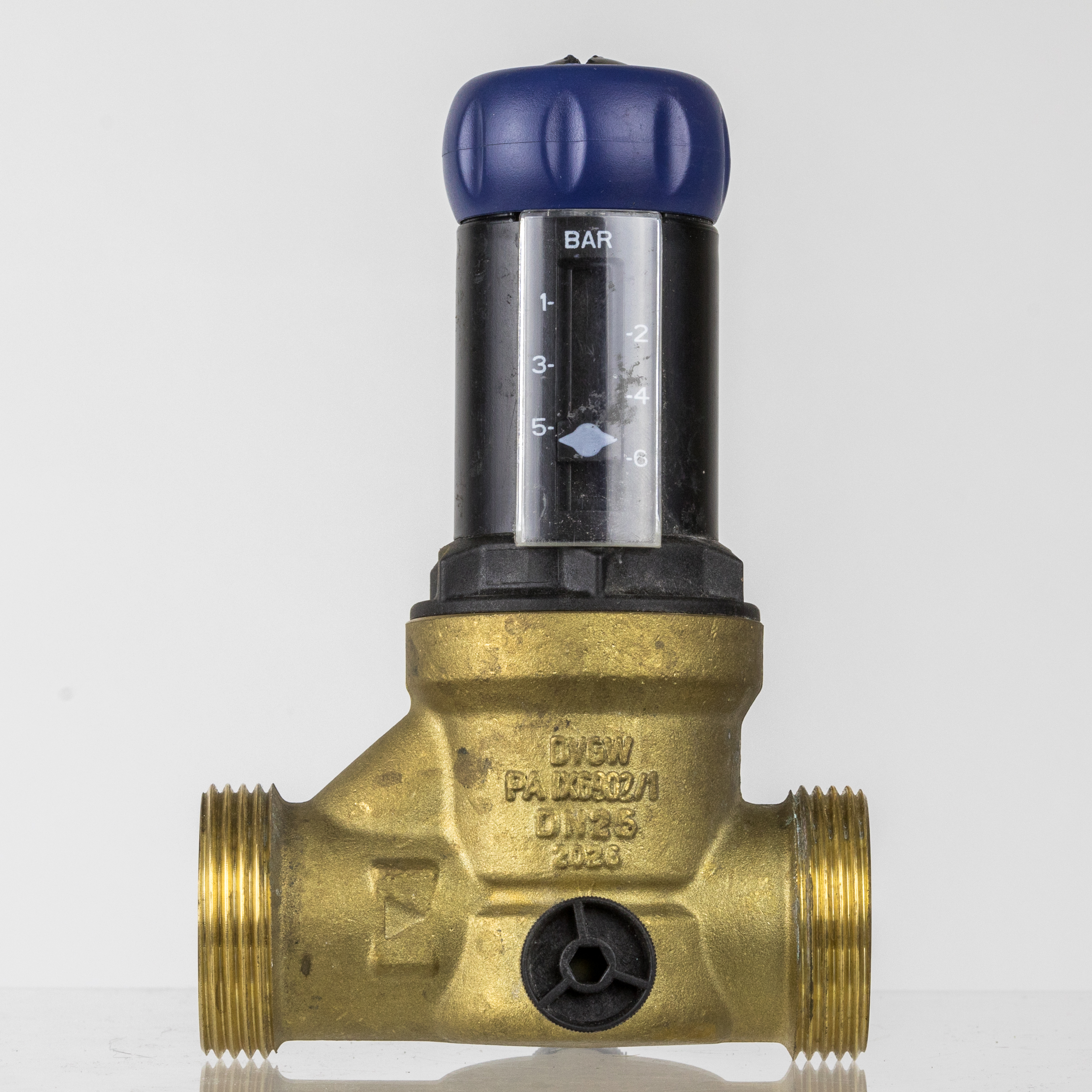
However, municipal water systems operate under massive pressure to ensure delivery over vast distances. If that raw pressure were allowed directly into a home's delicate copper or plastic piping, fixtures would violently rupture. To manage this, water pressure regulators lower high municipal water pressure to a safe level for interior plumbing fixtures.
Few issues kill a client’s enthusiasm faster than a freezing shower. Hot water heating is not simply a matter of having a tank; it is a matter of properly sizing that tank to the mathematical realities of the household's demand.
Water Heater Sizing Logic Square footage is irrelevant to water heater sizing. Instead, water heater sizing requirements are directly influenced by the total number of bathrooms in a residential property (which dictates simultaneous fixture use) and the total number of bedrooms in a residential property (which statistically dictates the number of occupants).
Residential water heater tanks are typically sized between 40 and 80 gallons. But the physical volume of the tank is only half of the performance equation. The true measure of a hot water system relies on two critical metrics:
- Recovery Rate: The recovery rate of a water heater dictates how quickly the heater can bring a specific volume of cold water to the target temperature. A smaller tank with a massive recovery rate can often outperform a larger, slower tank.
- First-Hour Rating: The first-hour rating indicates the maximum amount of hot water a water heater can deliver in one hour starting from a full tank. This metric combines the total tank capacity with the recovery rate to tell you exactly how the system will perform during the heavy demand of a busy morning routine.
Understanding piping materials is akin to reading the rings of a tree; the materials reveal the age of the property, the quality of its construction, and the looming maintenance costs your buyer will inherit.
Metallic Pipes: From Steel to Copper
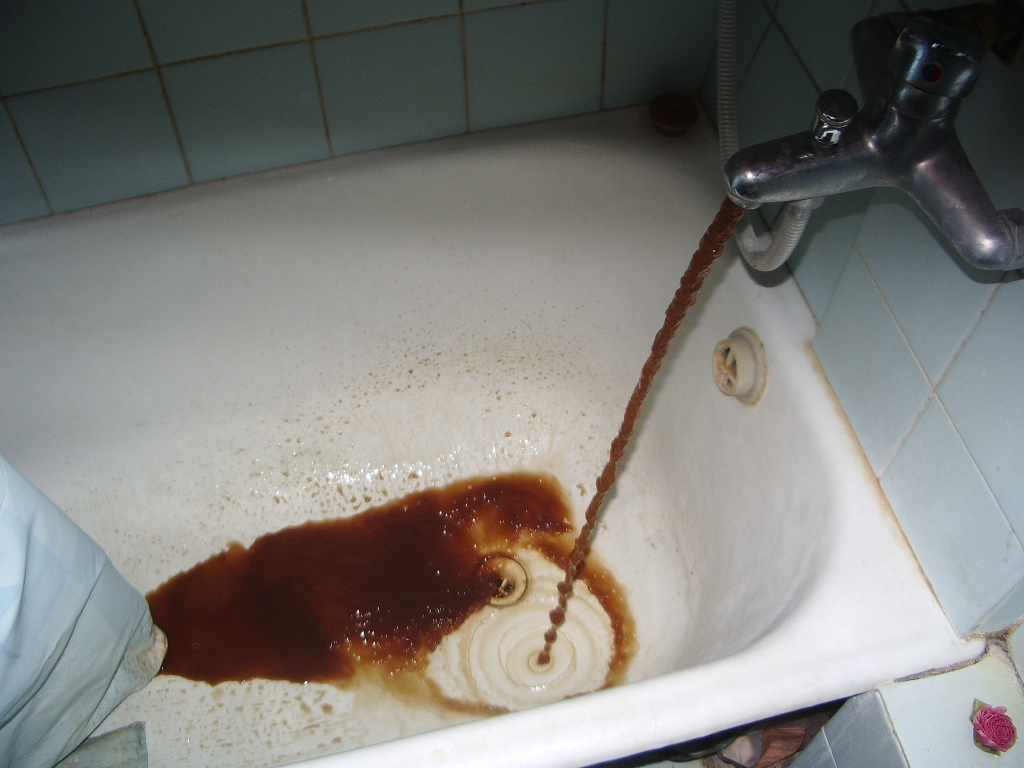
Galvanized Steel: Prevalent in homes built before the 1980s, galvanized steel pipes are rigid metal pipes coated with a layer of zinc to delay rusting. However, the zinc coating on galvanized steel pipes deteriorates over decades of use. The deterioration of the zinc coating in galvanized steel pipes causes severe internal rusting. Over time, this internal rust and mineral buildup in galvanized steel pipes severely restrict water flow. If you turn on a faucet during a showing and notice a pathetic trickle, understand that restricted water flow in galvanized steel pipes causes noticeably low water pressure at the plumbing fixtures. Galvanized steel pipes have a typical functional lifespan of 40 to 50 years before requiring replacement. If you see them, prepare your client for a full repipe.
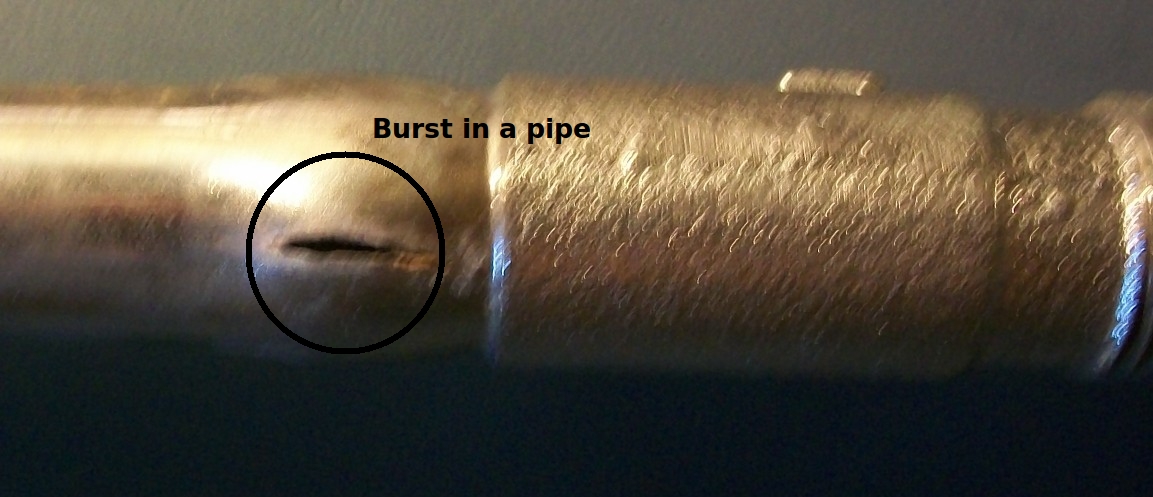
Copper: The historical gold standard. Copper piping is highly resistant to internal rust and corrosion, and copper plumbing pipes have a functional lifespan exceeding 50 years. Because of its raw material value, copper piping is an expensive material choice for residential plumbing water supply lines. However, it has a glaring physical vulnerability: rigid copper water pipes can easily freeze and burst in unheated building spaces during winter.
Cast Iron: Rarely used for supply, cast iron pipes are historically used for main soil stacks in multistory buildings and are historically used for underground plumbing drainage lines. Cast iron pipes are extremely heavy and difficult to install compared to plastic piping alternatives. Yet, they possess one extraordinary advantage: cast iron drainage pipes provide significant sound dampening for flowing wastewater compared to plastic pipes. This is why you rarely hear a toilet flush from the unit above you in a pre-war luxury co-op, whereas you hear every drop in a hastily constructed modern flip.
The Plastic Revolution: PVC, CPVC, and PEX
Plastic piping revolutionized modern construction, but the chemical compositions matter immensely depending on the temperature of the water they carry.
| Material | Characteristics & Temperature Limits | Real Estate Application |
|---|---|---|
| PVC (Polyvinyl chloride) | Polyvinyl chloride pipes are commonly referred to as PVC pipes. PVC pipes are rigid plastic pipes that are lightweight compared to traditional metallic piping and inexpensive compared to copper and steel piping. They are highly resistant to chemical corrosion and degradation. | Because standard PVC pipes will melt or warp when continuously exposed to high temperatures, standard PVC pipes cannot be used for indoor hot water supply lines due to temperature limitations. PVC pipes are standardly used for cold water supply lines and residential sanitary drainage systems. |
| CPVC (Chlorinated polyvinyl chloride) | Chlorinated polyvinyl chloride pipes are designated by the acronym CPVC. CPVC pipes are chemically treated plastic pipes capable of withstanding high water temperatures. | CPVC pipes are approved by building codes for use in indoor hot water supply lines. |
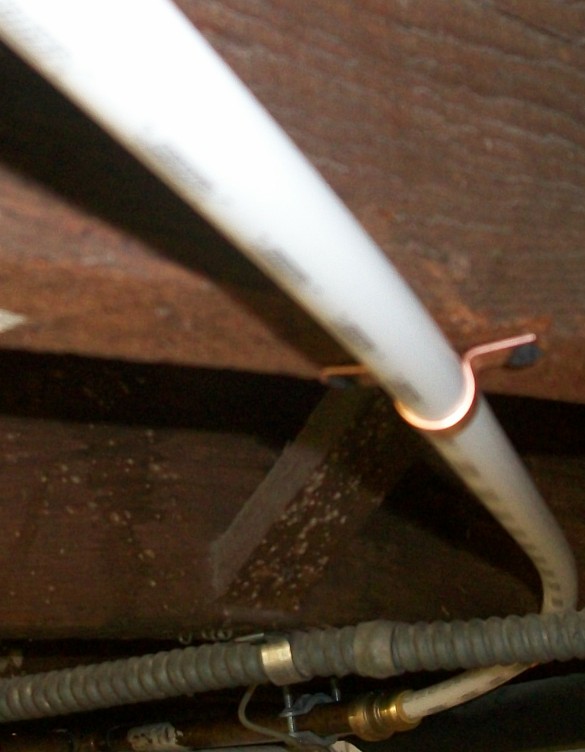
| PEX (Cross-linked polyethylene) | Cross-linked polyethylene tubing is commonly known by the acronym PEX. PEX tubing is a flexible plastic material widely used for modern residential water supply lines. | The physical flexibility of PEX tubing allows the material to expand without bursting during freezing water conditions, solving the exact vulnerability that plagues rigid copper piping. |
While the supply side uses immense pressure to push water up to the fixtures, the exit strategy relies entirely on physics. Sanitary waste systems use gravity to transport wastewater from a building to a municipal sewer line or septic tank.
Inside the home, the wastewater travels through two distinct classifications of pipes:
- A soil pipe carries wastewater containing solid waste from toilets to the main sewer line.
- A waste pipe carries wastewater free of solid waste from sinks and showers to the main sewer line.
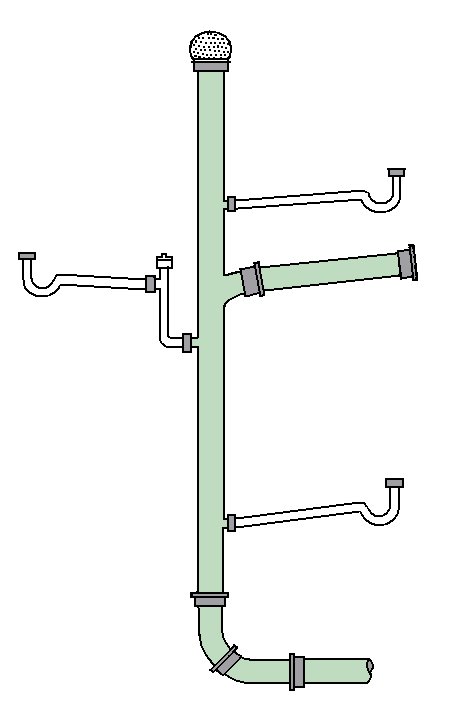
Because blockages inevitably occur, plumbing systems are designed with cleanouts—accessible pipe openings used by plumbers to clear physical blockages in a drainage system.
Venting and Traps: Mastering Air Pressure
You cannot talk about fluid dynamics without talking about air. If you put a straw into a glass of water, cap the top with your thumb, and pull it out, the water stays trapped in the straw. The vacuum pressure prevents it from falling. The same physics apply to home drainage.
For gravity to successfully pull wastewater down, air must be allowed in. A vent stack is a vertical plumbing pipe extending through a building's roof. Vent stacks allow outside air to enter the plumbing drainage system, and by doing so, vent stacks equalize air pressure within the drainage system. Equalized air pressure from vent stacks allows wastewater to flow freely through drainage pipes without siphoning.
This leads directly to the final, critical mechanism of the plumbing system: the trap.
Beneath every sink and shower, you will see a U-shaped bend. A plumbing trap is a curved section of pipe located beneath a drainage fixture. Because it dips down before going up to meet the drain line, plumbing traps retain a small amount of water to create a physical seal inside the pipe. The sole, life-saving purpose of this is that the water seal in a plumbing trap prevents toxic sewer gases from flowing backward into the building.
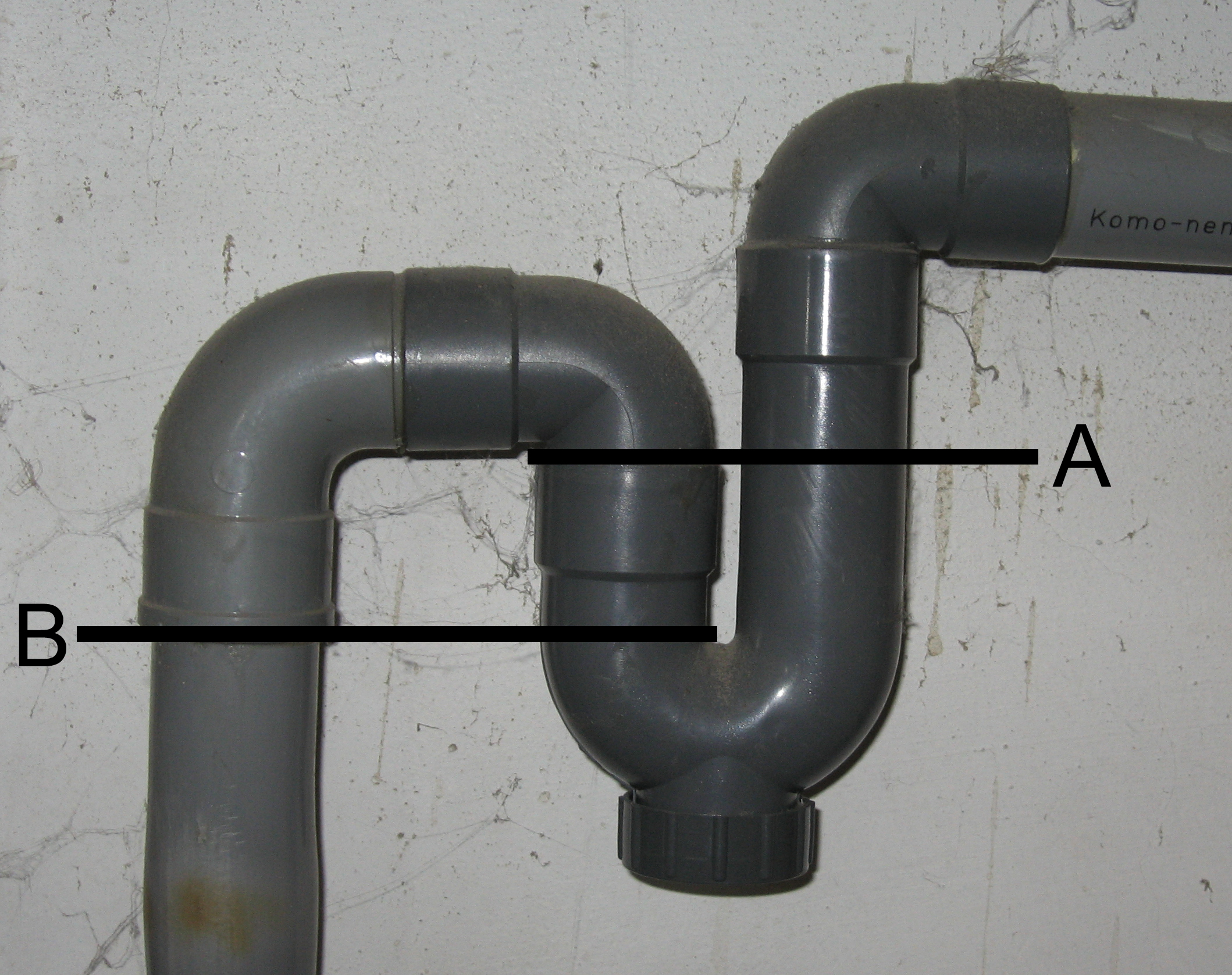
When you show a property that has been vacant for months and notice a foul, sulfurous odor, it is rarely a broken pipe. It is usually because the water inside the traps has evaporated, breaking the seal. Running the faucet for a few seconds restores the seal, pushes the gas back, and solves the problem—a brilliant, cost-free fix that proves to your client you understand the mechanics of the property they are about to buy.