Heating and Ventilation Systems
Not sure you’re ready?
Take the ~3-minute readiness diagnostic and see where you stand.
A residential or commercial building is fundamentally a closed thermodynamic system. As a real estate professional, you are not merely transferring title to walls and a roof; you are transferring custody of an intricate machine engineered to separate the human occupant from the unforgiving environment of a New York winter. At the heart of this machine is its heating and ventilation infrastructure—a complex circulatory network of pipes, ducts, and combustion chambers designed to manipulate the fundamental properties of matter. Understanding how a property generates, transports, and measures thermal energy, and recognizing the massive hidden environmental liabilities buried in the soil outside, transforms you from a transactional intermediary into a critical guardian of your client’s financial and physical safety.
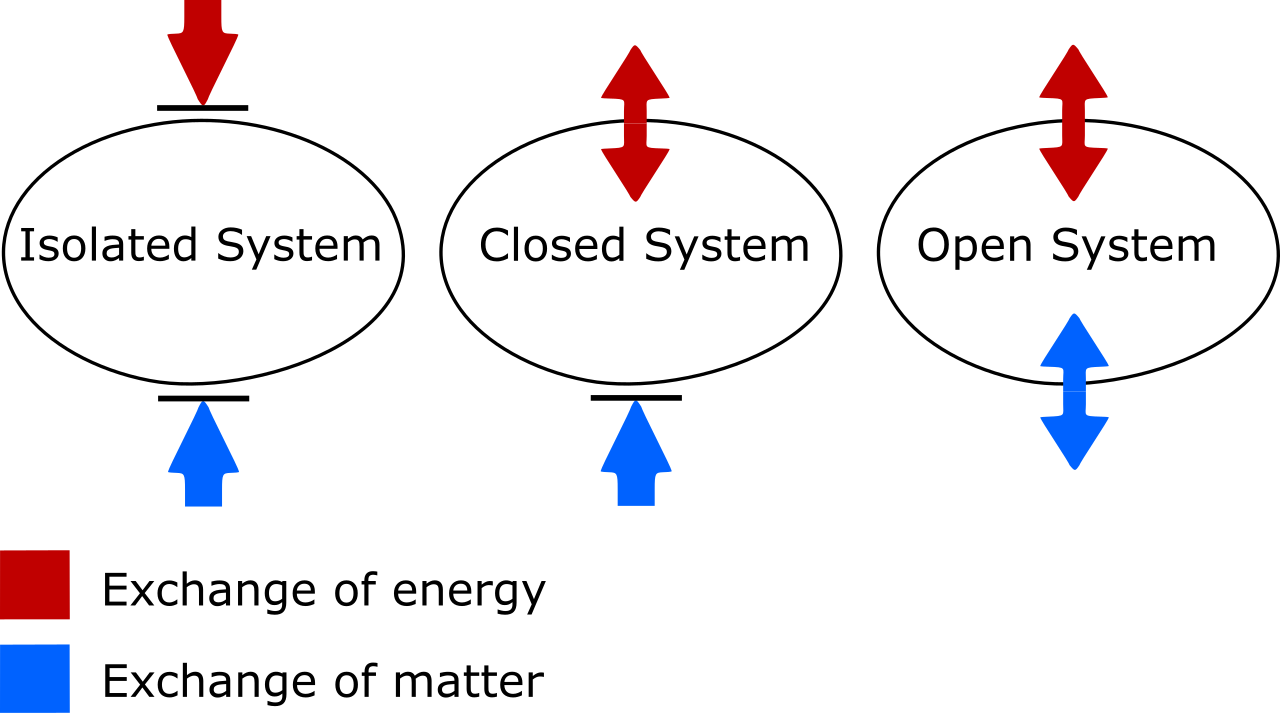
Before examining how systems transport heat, we must establish how we quantify it. In the real estate and construction industry industry, the capacity of heating and cooling systems is rated using a fundamental metric: the British Thermal Unit (BTU).
A British Thermal Unit is the standard measurement of heat energy. Its definition is rooted in the physical properties of matter: one British Thermal Unit represents the exact amount of heat required to raise the temperature of one pound of water by one degree Fahrenheit. When you see a furnace rated for 100,000 BTUs, you are reading a direct measurement of the system's raw thermodynamic output capability.
Properties in New York generally utilize one of three core mechanisms to distribute thermal energy. By understanding the physical mechanics of each, you can immediately identify a property's infrastructure during a walk-through.
1. Hydronic (Hot Water) Heating Systems
A hydronic heating system uses a central boiler to heat water for distribution throughout a building. Because water is dense and retains heat efficiently, it is an excellent medium for thermal transport.
A hydronic heating system relies on mechanical pumps to push hot water through pipes to individual radiators or baseboard heaters. Once the hot water reaches these terminals, physics takes over: in a hydronic heating system, the circulated water cools as it releases heat into the room and then returns to the boiler to be reheated in a continuous loop.
2. Steam Heating Systems
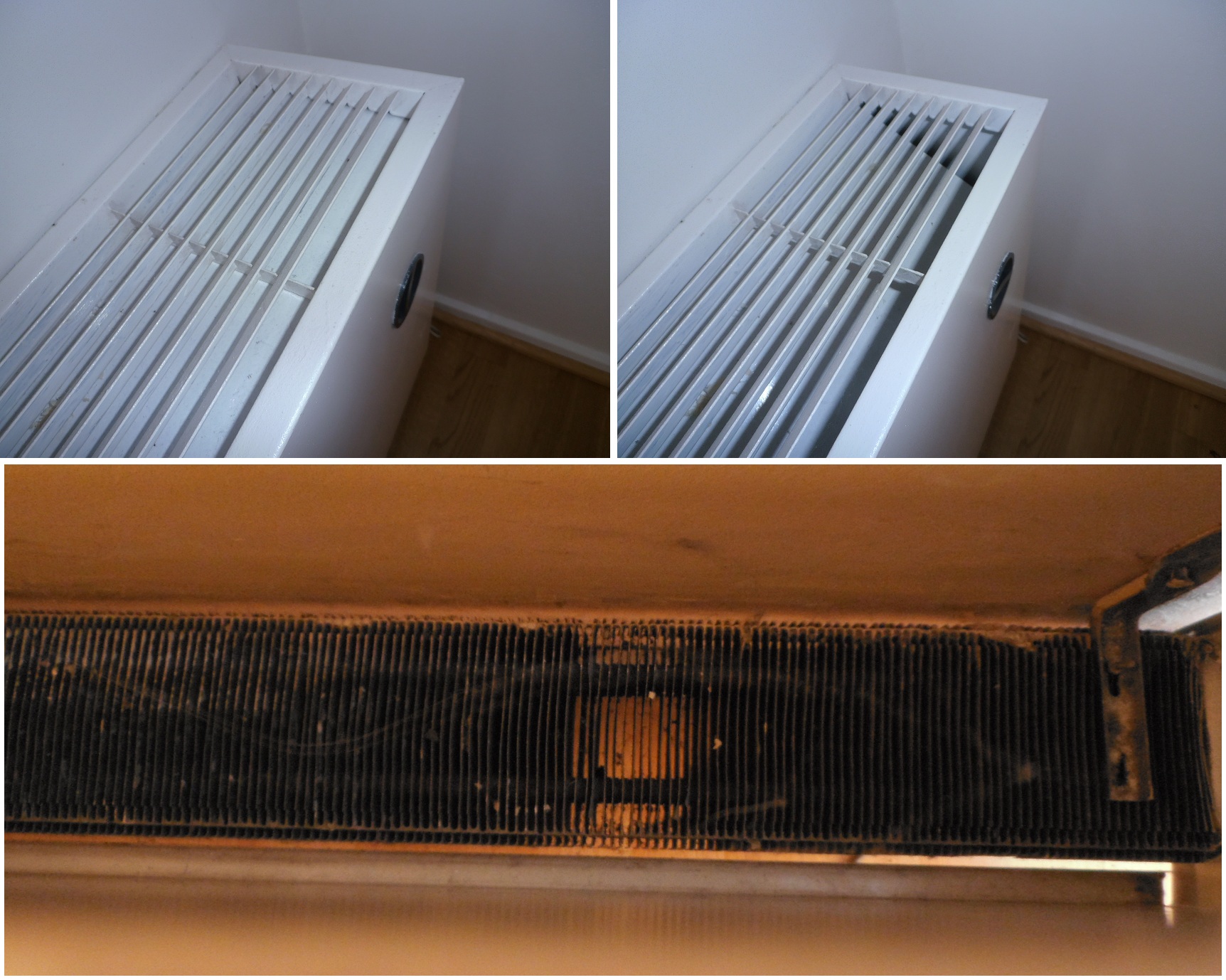
While they also utilize water, steam systems operate on an entirely different physical principle: phase change and pressure. A steam heating system uses a boiler to heat water until the water turns into pressurized steam.
Because steam is a highly energetic gas, steam heating systems rely on the natural pressure of steam to travel through pipes to radiators without the need for mechanical pumps. As steam cools within a radiator, the steam condenses back into liquid water and flows back down the pipes to the boiler to repeat the cycle. It is vital to note that to achieve this phase change, steam heating systems require significantly higher operating temperatures than hydronic hot water heating systems.
3. Forced Warm Air Heating Systems
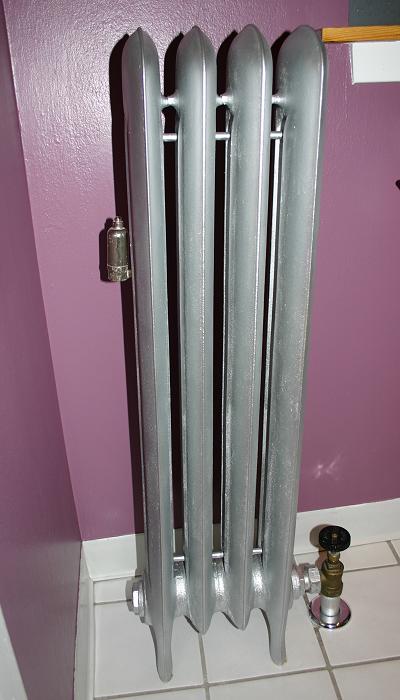
Abandoning water entirely, a forced warm air heating system uses a furnace to heat air rather than using a boiler to heat water.
In a forced warm air heating system, a motorized blower fan pushes heated air through a network of supply ducts into individual rooms. Simultaneously, forced warm air heating systems utilize return ducts to pull cool room air back into the furnace for reheating.
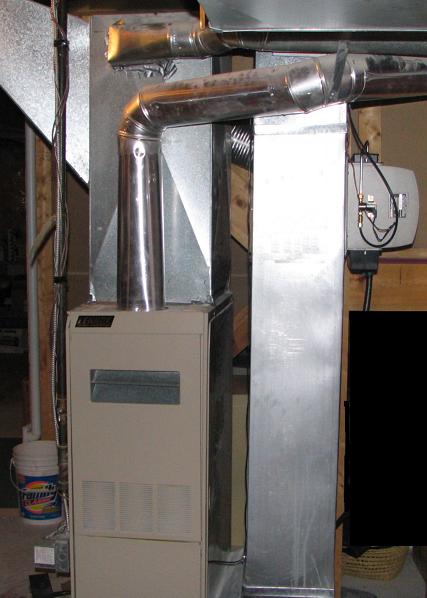
This system offers two distinct advantages that you must point out to buyers:
- Air Quality: Forced warm air heating systems incorporate air filters within the ductwork to remove dust and particles from the circulating indoor air.
- Climate Control Synergy: Forced warm air heating systems can easily integrate central air conditioning because both the heating and cooling mechanisms utilize the exact same ductwork.
| System Type | Heating Source | Distribution Medium | Propulsion Method |
|---|---|---|---|
| Hydronic | Central Boiler | Hot Water | Mechanical Pumps |
| Steam | Central Boiler | Pressurized Steam | Natural Gas Pressure |
| Forced Air | Furnace | Heated Air | Motorized Blower Fan |
Sealing a building tightly preserves thermal energy, but an airtight building is suffocating. Proper building ventilation is critical for maintaining indoor air quality by replacing stale indoor air with fresh outdoor air.
Ventilation serves two invisible but essential protective functions for the property and its occupants:
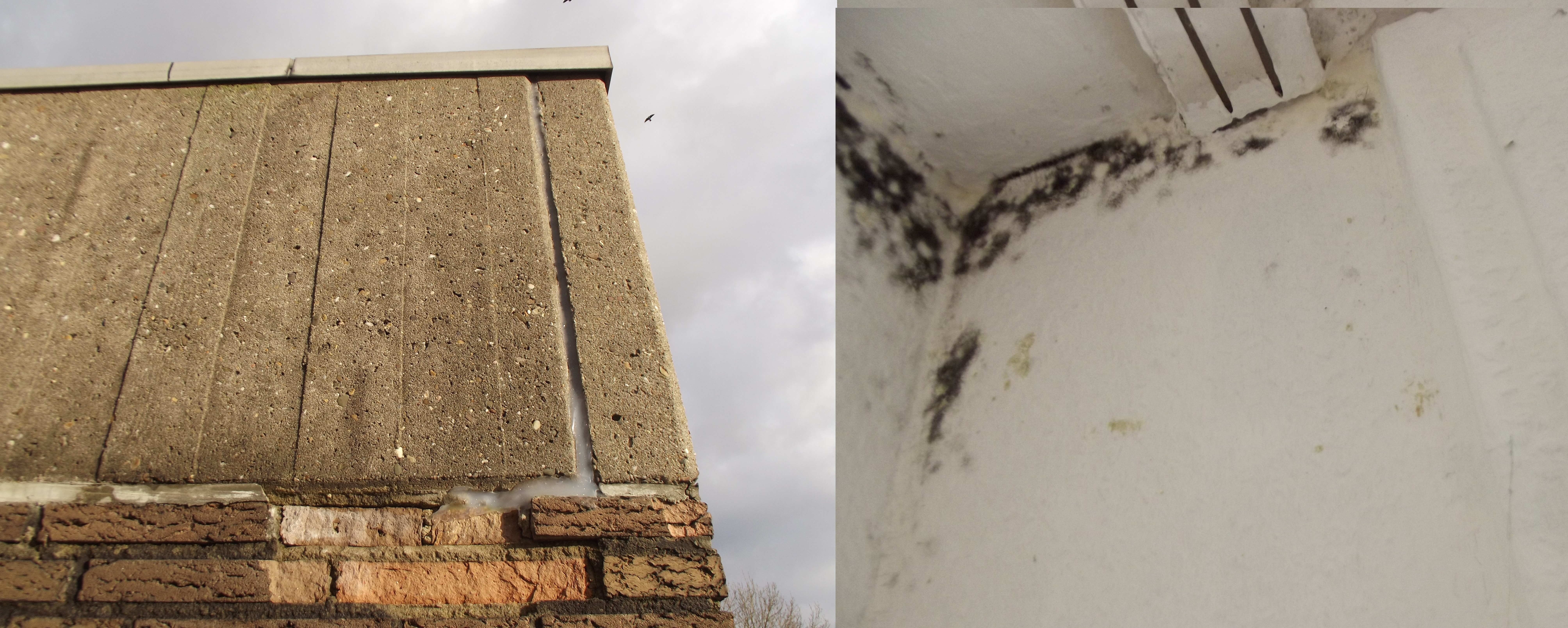
- Structural Preservation: Building ventilation systems help control indoor moisture levels to prevent condensation and mold growth inside a structure.
- Biological Safety: Building ventilation dilutes harmful indoor air pollutants such as carbon monoxide, radon gas, and volatile organic compounds (VOCs). Without continuous air exchange, these invisible gases accumulate to lethal concentrations.
Many New York properties, particularly outside the densest urban centers, rely on fuel oil to fire their boilers and furnaces. The storage of this chemical fuel introduces some of the most severe liability risks in real estate.
The New York State Department of Environmental Conservation (DEC) regulates petroleum bulk storage and environmental spill responses. Under state law, the Department of Environmental Conservation Petroleum Bulk Storage (PBS) regulations apply to facilities with a combined petroleum storage capacity of 1,100 gallons or more.
Because most individual residential home heating oil tanks hold exactly 275 gallons of petroleum, standard residential home heating oil tanks are generally exempt from the primary Department of Environmental Conservation Petroleum Bulk Storage regulations due to their small size.
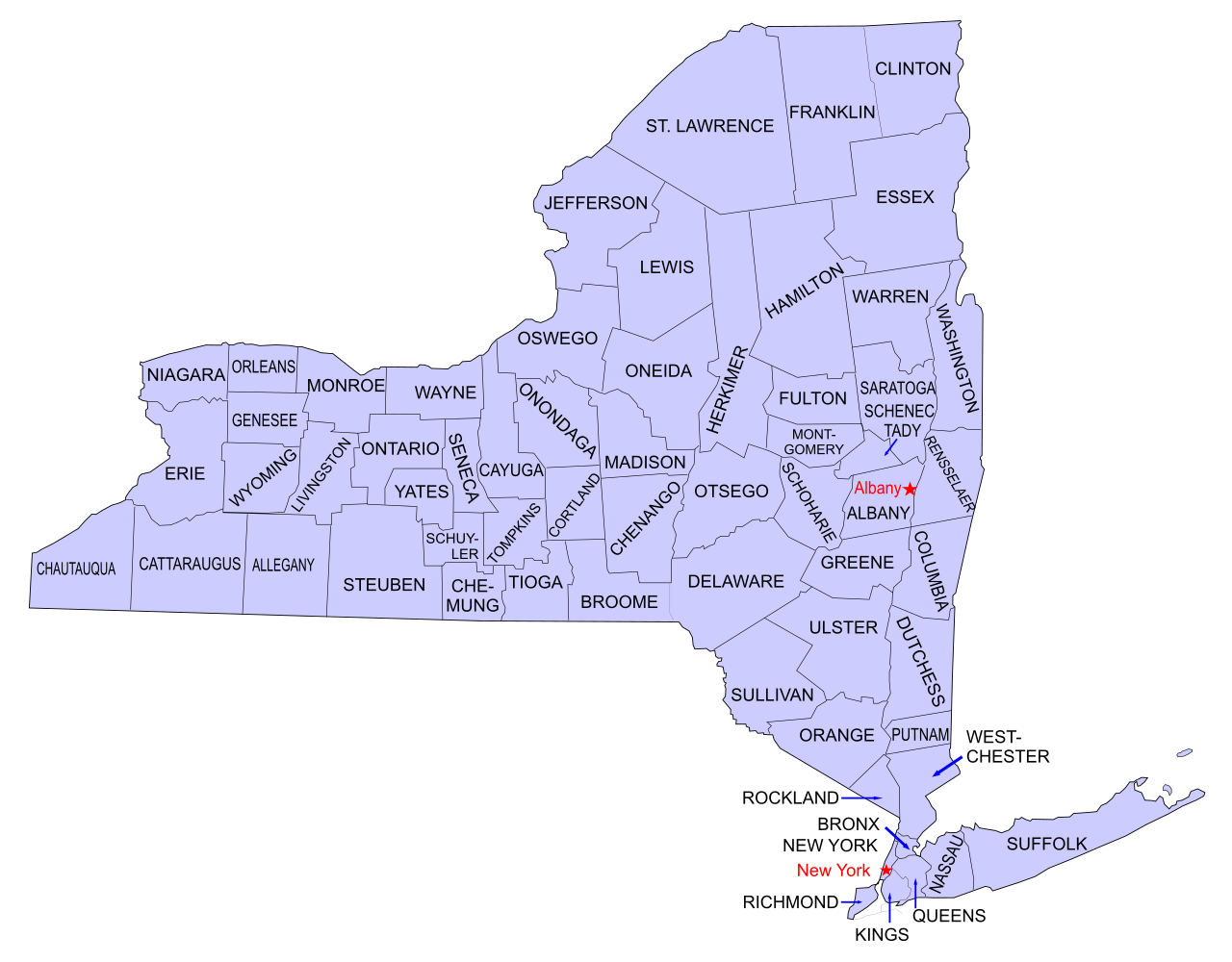
Crucial County Exception: Do not assume a small tank is unregulated everywhere. Nassau, Suffolk, and Westchester counties possess delegated authority to enforce stricter environmental regulations on residential heating oil tanks smaller than 1,100 gallons.
Aboveground vs. Underground Storage Tanks
The physical placement of an oil tank dictates its risk profile.
Aboveground Storage Tanks (ASTs) for heating oil are typically located in basements, in garages, or outdoors on a reinforced concrete pad. The primary benefit of this arrangement is transparency: Aboveground Storage Tanks allow for easy visual inspections by homeowners to detect external rust, physical damage, or active oil leaks.
Conversely, Underground Storage Tanks (USTs) for heating oil are buried in the soil and are highly susceptible to hidden exterior corrosion over time. The chemistry of the earth is inherently destructive; bare steel underground oil tanks undergo a natural corrosion process when exposed to moisture and minerals in the surrounding soil.
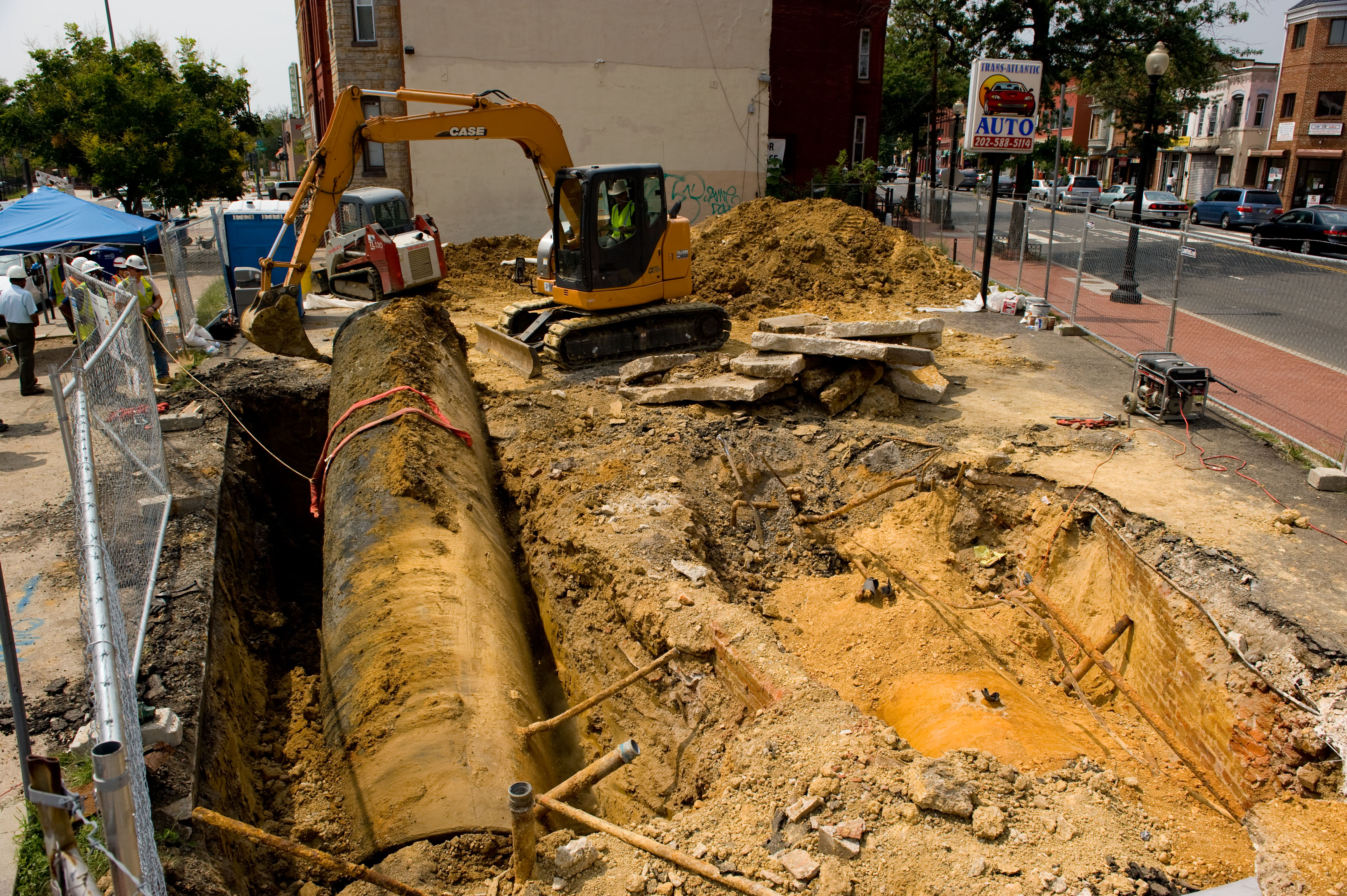
Active leaks in Underground Storage Tanks are difficult to detect without specialized soil testing or excavation. Often, the only macroscopic clue a homeowner receives is economic: an unexplained increase in home heating oil consumption is a primary warning sign of an active leak in an underground storage tank.
Tracking the Timeline: Tank Categories
To manage this aging infrastructure, the Department of Environmental Conservation classifies oil storage tanks by installation date into Category 1, Category 2, or Category 3 designations. Of particular note are the oldest vessels in the ground: Category 1 oil storage tanks are officially defined as tanks installed before December 27, 1986.
To mitigate future disasters, modern environmental engineering standards dictate that newly installed underground oil storage tanks must feature double-walled construction to provide an extra layer of physical protection against leaks.
As a real estate agent, you must treat an underground storage tank as a ticking financial time bomb. Properties with underground storage tanks pose a significant environmental liability risk for buyers during real estate transactions.
If a tank leaks into the soil or groundwater, the cleanup costs can easily bankrupt a homeowner. To compound the danger, standard homeowner insurance policies frequently contain a pollution exclusion clause denying coverage for the environmental cleanup costs of a heating oil leak. The buyer will be paying out of pocket.
Therefore, your fiduciary duty requires vigilance: real estate agents should advise prospective buyers of older homes to hire specialized inspectors to perform a sweep for undisclosed buried oil tanks. A tank sweep is a specialized metal detection search of a property used to locate abandoned underground storage tanks before a real estate purchase.
Managing Spills and Decommissioning Tanks
When the worst happens and a tank breaches, state law imposes strict, rapid reporting requirements. New York regulations require property owners to report any petroleum spill to the Department of Environmental Conservation Spills Hotline within two hours of discovery.
There is only one minor exception to this rule: a petroleum spill of less than five gallons is exempt from state reporting rules if the spill is completely contained and cleaned up within two hours.
When an aging tank is finally retired, it cannot simply be ignored. State law requires an underground oil tank being permanently taken out of service to be completely emptied of all residual petroleum. Furthermore, state law requires an out-of-service underground oil tank to be thoroughly cleaned and purged of all flammable vapors before final closure.
If the tank cannot be excavated and is instead abandoned in the ground, strict engineering protocols apply to secure the site:
- Structural Stability: When closing an underground oil tank in place instead of removing it, the empty tank must be entirely filled with an inert material such as sand or concrete. This prevents the steel husk from collapsing and creating a sinkhole.
- Pressure Management: When closing an underground oil tank in place, the tank vent lines must remain open and intact to prevent hazardous internal pressure buildup from shifting ground temperatures.
- Delivery Prevention: When closing an underground oil tank in place, the tank fill line must be permanently capped or removed to prevent accidental petroleum deliveries into the filled tank—a catastrophic error that would immediately pump hundreds of gallons of oil directly into the surrounding soil.