Pressure from Society and Bias
Not sure you’re ready?
Take the ~3-minute readiness diagnostic and see where you stand.
A seller pulls you aside after a busy Sunday open house on the Upper West Side and quietly asks you to ensure the property goes to the "right kind of family." In a fraction of a second, the real estate professional is thrust into the collision between a client's desires and the bedrock of property law. The foundation of real estate agency is built on the fiduciary duty of obedience, but that duty possesses a hard, immovable boundary where civil rights begin. Understanding how society’s pressures and deeply ingrained biases interact with the law is not merely a philosophical exercise; it is the daily, operational reality of keeping your license, protecting your brokerage, and ensuring equitable access to housing.
To understand discrimination in real estate, we must first understand how the human brain processes information. The brain is an incredibly efficient pattern-recognition engine, constantly filtering millions of sensory inputs by relying on mental shortcuts. In psychology and law, we call the negative consequences of these shortcuts implicit bias.
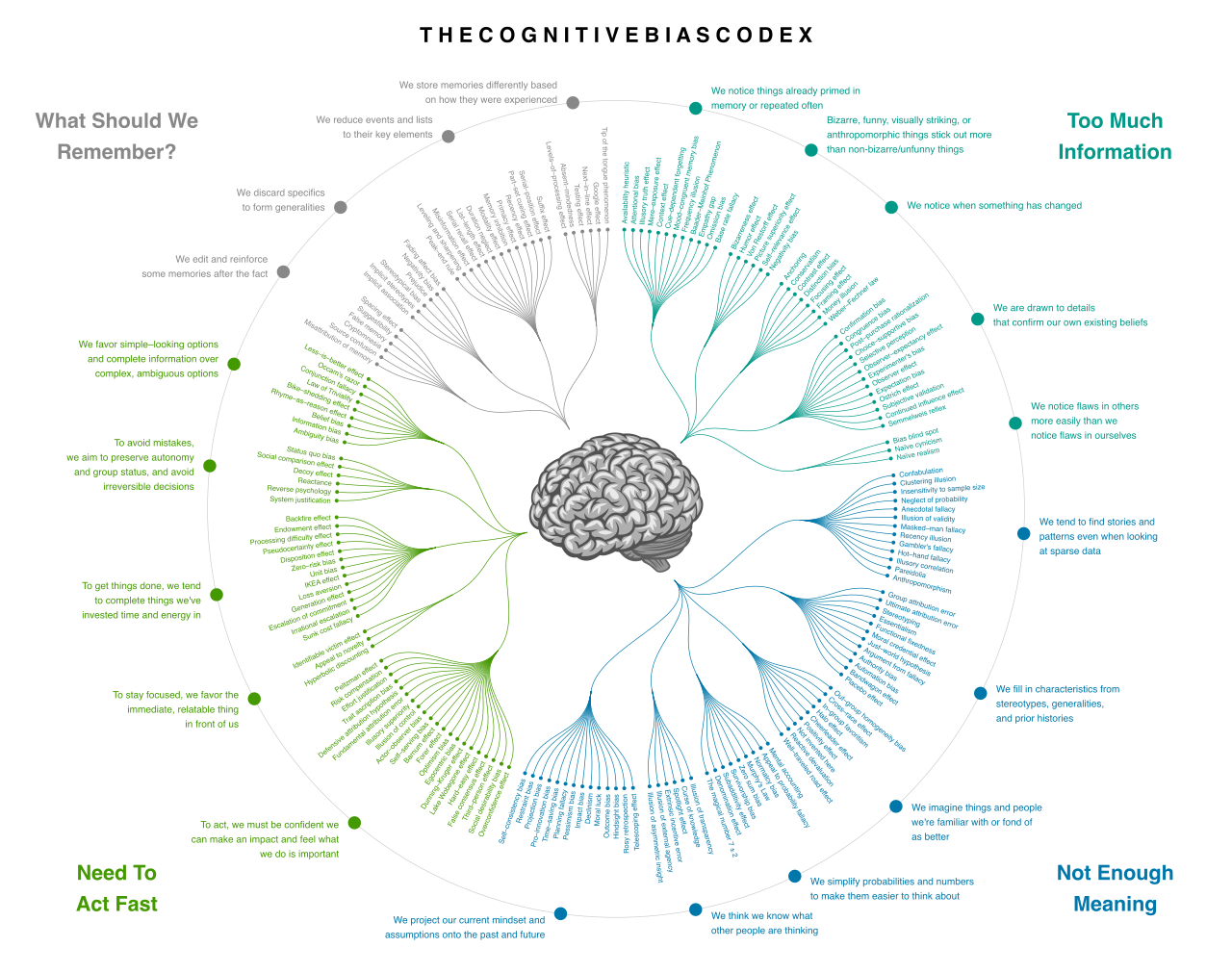
Implicit bias consists of unconscious attitudes or stereotypes affecting human understanding and decisions.
The danger of implicit bias in a real estate transaction lies precisely in its mechanics: these biases activate automatically without the conscious awareness of the individual holding the biases. An agent does not necessarily wake up with the intent to discriminate. Instead, the "autopilot" takes over. When an agent looks at a young, diverse couple and automatically assumes they would prefer to look at properties in a specific neighborhood rather than another, the agent is operating on an unconscious script.

In real estate, this unconscious bias can lead to unintentional steering of clients based on demographic characteristics.
The Mechanics of Steering
Steering occurs when a real estate agent guides buyers toward or away from certain neighborhoods based on racial or ethnic stereotypes.
Imagine you are working with two sets of buyers with identical budgets and pre-approval letters. If you show the white buyers homes in a predominantly white enclave in Queens, but you guide the buyers of color toward a more diverse, adjacent neighborhood under the assumption that they will feel "more comfortable" there, you are steering. Whether it is done with malice or through misguided unconscious assumptions, steering physically alters the demographic makeup of communities and strictly violates fair housing laws.

Because implicit biases operate below the threshold of our conscious minds, we cannot simply decide to "turn them off." We must be trained to recognize and override them. Recognizing this mechanical flaw in human decision-making, the State of New York has engineered a regulatory safeguard.
The New York requirement for implicit bias and cultural competency training applies to all real estate salespersons and brokers upon license renewal. There are no grandfather clauses protecting veteran agents from this requirement.
To maintain your legal right to practice, you must fulfill two specific continuing education requirements:
- New York real estate licensees must complete two hours of implicit bias training for every two-year license renewal period.
- New York real estate licensees must complete two hours of cultural competency training for every two-year license renewal period.
While implicit bias training focuses on the internal, unconscious mechanics of the agent's mind, cultural competency training focuses outward. It teaches real estate agents how to effectively interact with individuals from diverse backgrounds, ensuring that cultural misunderstandings do not result in disparate treatment or lost housing opportunities.
While implicit bias is invisible and often unintentional, explicit bias from clients is loud, direct, and places the agent in immediate legal jeopardy.
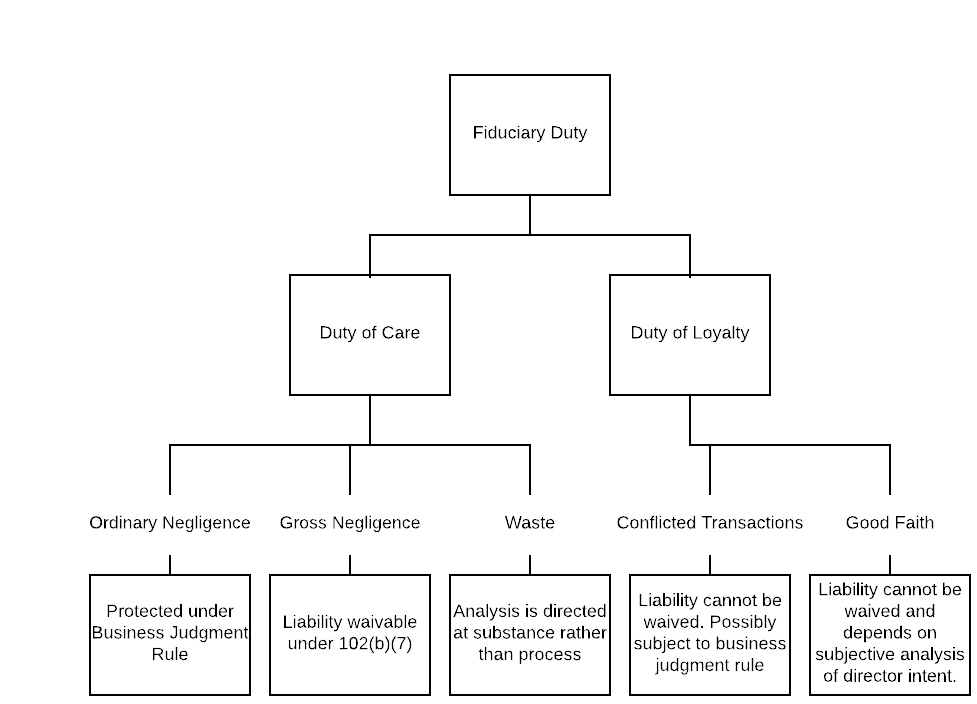
Many aspiring agents fall into a dangerous cognitive trap. They memorize the fiduciary duties—often remembered by the acronym OLD CAR (Obedience, Loyalty, Disclosure, Confidentiality, Accounting, Reasonable Care)—and assume that the duty of "Obedience" is absolute. It is not. Agency law exists beneath federal and state civil rights laws in the hierarchy of legal authority.
The fiduciary duty of obedience to a client never applies to unlawful instructions, and it never applies to discriminatory instructions.
If a landlord explicitly instructs you not to show an apartment to a specific demographic group, and you obey, you are not being a "good agent." You are breaking the law. Real estate agents violate fair housing laws by honoring a landlord's request to restrict rentals to specific demographic groups.
Furthermore, you cannot pass the liability up the chain to your client. Real estate agents cannot use a client's discriminatory instructions as a legal defense for violating fair housing laws. The "I was just following my client's orders" defense will result in the loss of your license and heavy financial penalties.
The Refusal Protocol: A Four-Step Defense
When a client applies pressure on you to discriminate, you must execute a precise sequence of actions to protect the public and yourself.
| Step | Action Required | The Professional Rationale |
|---|---|---|
| 1. Educate | A real estate agent must clearly explain fair housing laws to any client making a discriminatory request. | Clients are often ignorant of the law. Your first role is to inform them that their request is illegal and that neither of you can participate in it. |
| 2. Refuse | A real estate agent must refuse a listing if the seller explicitly instructs the agent to discriminate against protected classes. | You cannot market a property under illegal constraints. You must draw a hard boundary immediately. |
| 3. Terminate | A real estate agent must terminate the agency relationship if a client persists in making discriminatory requests. | If the education fails and the client insists, the relationship is legally toxic. You must walk away. |
| 4. Document | Documenting a client's discriminatory requests provides legal protection for a real estate agent who refuses a listing. | If a client later files a grievance claiming you abandoned them, contemporaneous, written documentation of their illegal demands acts as your absolute legal shield. |
We have established how the individual agent must operate. Now, we must examine how the entire brokerage defends against the pressures of bias.
In New York real estate law, the relationship between a broker and a salesperson is strictly defined. A real estate broker is legally liable for discriminatory actions committed by associated salespersons. This concept, known as vicarious liability, means that if you steer a client, your broker is also on the hook for your civil rights violation.
Because the financial and reputational stakes are so exceptionally high, real estate brokerages must establish clear office policies to consistently handle discriminatory requests from clients. A brokerage cannot afford to have fifty different agents handling illegal seller requests in fifty different ways. There must be a standardized operational protocol.
The Mathematics of Fairness: Objective Criteria
The most effective way to eliminate human bias from a system is to remove the subjective human element entirely. Real estate professionals must apply identical qualification standards to all prospective buyers or tenants.
If you require a minimum credit score of 700 and an income equal to 40 times the monthly rent for one applicant, you must require those exact same metrics from every single applicant, regardless of their demographic background.
Using standardized objective criteria for evaluating rental applications helps mitigate the effects of implicit bias. When you evaluate an application based strictly on a mathematical formula—verifiable income, credit history, and debt-to-income ratio—the automatic, unconscious assumptions your brain might otherwise make are neutralized. The math does not care about the applicant's race, religion, or national origin. By anchoring your daily operations in objective data, you build an impenetrable wall against both the subtle errors of implicit bias and the overt pressures of discriminatory society.