Department of State Regulations
Not sure you’re ready?
Take the ~3-minute readiness diagnostic and see where you stand.
In the ecosystem of New York real estate, a license is not merely a permit to trade property; it is a strict mandate of public trust. The New York Department of State regulates real estate advertising and professional conduct under Article 12-A of the Real Property Law. This statutory framework dictates exactly how that trust must be communicated and maintained. Every advertisement placed, every dollar held in escrow, and every contract negotiated is subject to a rigid set of rules designed to protect consumers from deception, financial peril, and asymmetric information. Understanding these regulations is not an exercise in memorizing bureaucratic red tape—it is the foundational grammar of how a real estate professional legally exists, speaks, and transacts in the marketplace.

When a consumer looks at a piece of real estate marketing—whether it is a sprawling billboard in Manhattan or a sponsored post on Instagram—they must instantly understand two distinct facts: what is being sold, and who is legally responsible for the transaction. The Department of State views ambiguity in advertising as a gateway to fraud.
Eradicating the "Blind Ad"
The cornerstone of New York’s advertising regulations is the absolute prohibition of the blind ad.
A blind ad is any real estate advertisement that fails to identify the licensed real estate broker.
The New York Department of State strictly prohibits the use of blind ads by real estate licensees. If a consumer calls a number on a flyer, they must know they are calling a regulated brokerage, not a private citizen or an unaccountable entity.
To ensure absolute transparency, every real estate advertisement must explicitly meet the following criteria:
- The Broker's Identity: The ad must clearly state the exact licensed name of the real estate broker or brokerage.
- The Broker's Status: The advertisement must explicitly indicate that the advertiser is a licensed real estate broker.
- The Property's Location: Real estate advertisements must clearly identify the geographic area or specific address of the advertised property. You cannot advertise a "beautiful 3-bedroom" without clarifying the specific town or neighborhood, preventing the bait-and-switch tactics of phantom listings.
Digital and Print Boundaries
These rules extend to the digital frontier. Web-based real estate advertisements must prominently display the broker's information on every single page, or provide a direct link to it. A consumer navigating a property gallery on your website must never be more than one click away from the supervising broker's credentials.
Furthermore, a salesperson cannot legally advertise a property using only a personal telephone number without the broker's information. If your mobile number is on a yard sign or a digital graphic, the brokerage's exact name must be there alongside it, providing the consumer with the chain of accountability.
Real estate is an industry driven by personal branding. You want your name recognized in your farm area. However, the Department of State requires that your personal marketing never eclipses or misrepresents your legal status under your supervising broker.
Naming Conventions for Salespersons
A real estate salesperson's name in an advertisement must never imply that the salesperson is the principal broker. If your name is Jane Doe, your marketing cannot read "Jane Doe Real Estate," as this suggests you operate an independent brokerage.
When your name does appear in an advertisement, the ad must include the exact license type of that specific salesperson. You cannot invent creative titles like "Property Guru" or "Lead Closing Agent" in place of your legal designation. You must use terms like Licensed Real Estate Salesperson or Licensed Associate Real Estate Broker.
The Rules of Team Building
As your business grows, you may form a syndicate of agents to handle transaction volume. New York allows this, but regulates the nomenclature heavily to prevent consumer confusion.
- Mandatory Suffixes: Real estate team names in advertisements must explicitly include the word team or group (e.g., The Smith Team or The Platinum Group).
- Prohibited Terminology: Real estate team names must not use words like brokerage or company that suggest a completely separate business entity from the principal broker. The Smith Real Estate Company is an illegal team name because it masquerades as an independent firm.
You cannot market what you do not have permission to sell. This sounds obvious, but overzealous agents often attempt to generate leads by leveraging properties they do not control.
A real estate broker must obtain direct authorization from the property owner before advertising a property for sale. You cannot see a "For Sale By Owner" listing, screenshot the photos, and post them on your business page to attract buyers without the owner's explicit consent.
_b.jpg)
Similarly, physical marketing carries strict trespass and consent rules. A real estate licensee must obtain explicit permission from the property owner before placing a sign on the property. Sticking a generic brokerage sign in an empty lot to field phone calls without the owner's knowledge is a direct violation of license law.
The moment money changes hands, the State’s scrutiny intensifies. Real estate professionals handle hundreds of thousands of dollars in earnest money and deposits. How you handle those funds defines your professional survival.
The Severe Threat of Commingling
Commingling occurs when a real estate broker illegally mixes client escrow funds with personal or operating business funds.
Imagine you receive a $50,000 down payment check from a buyer. You deposit it into the brokerage's general operating account, intending to transfer it to the escrow account on Monday, and in the meantime, a portion of those funds is automatically drawn to pay the office rent. Even if you replace the money immediately, you have commingled funds.
The New York Department of State considers commingling of funds to be a severe violation of real estate license law. Client funds must be deposited into a separate, designated escrow account, totally isolated from the broker's personal or business capital.
The Illegality of Net Listings
Standard commissions are structured as a percentage of the sale price or a flat fee. However, sellers occasionally propose a different structure: "I need $500,000 from this house. Anything you get above $500,000, you keep as your commission."
A net listing is an agreement where the broker keeps all sale proceeds above a seller-specified target price as commission.
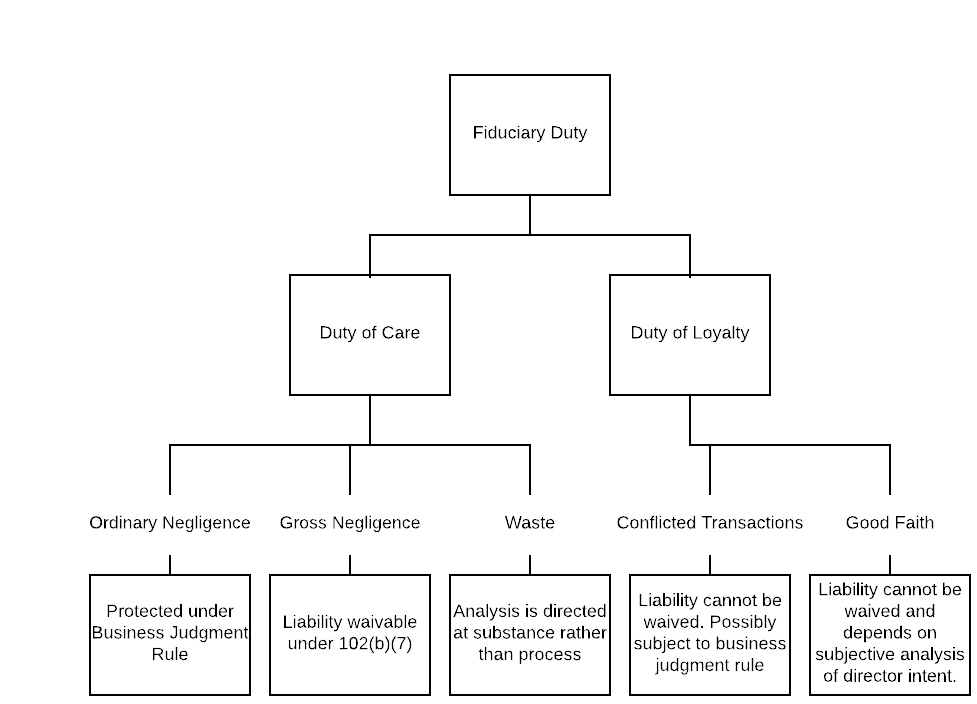
Net listings are completely illegal under New York real estate license law. They create an inherent conflict of interest. If you know a property is worth $700,000, and the seller only wants $500,000, your fiduciary duty to secure the best price for the seller is instantly compromised by your incentive to maximize your own margin.
Regulating Compensation Pathways
Commissions and referral fees can only flow through authorized, licensed channels.
| Action | Legality & Requirement |
|---|---|
| Paying Unlicensed Individuals | Paying a referral fee or commission to an unlicensed individual violates New York real estate regulations. You cannot give your unlicensed friend $500 for sending a buyer your way. |
| Dual Compensation | Receiving compensation from both a buyer and a seller in the same transaction requires informed written consent from all transaction parties. |
The paper trail is your shield and your mandate. When a transaction concludes, the legal responsibilities do not vanish.
New York real estate brokers must retain complete transaction records for a minimum of three years for residential properties. This includes listings, contracts, closing statements, and property disclosures. If the Department of State audits a brokerage, these files must be readily accessible.
The Agency Disclosure Imperative
One of the most vital documents in any transaction dictates who is representing whom. Failing to provide the required New York State agency disclosure form is a frequent license law violation. Consumers have a right to know immediately if you represent the seller, the buyer, or both (dual agency). Proceeding with substantive real estate conversations without presenting this form deprives the consumer of understanding where your loyalties lie.
Licensing and Fraud Strictures
A license is a privilege that requires active maintenance. Practicing real estate with an expired salesperson license constitutes an illegal unauthorized practice of real estate. There is no "grace period" for closing a deal; if your license expires on a Tuesday, any real estate activity performed on Wednesday is a violation of Article 12-A.
Finally, the ultimate safeguard of Article 12-A is its zero-tolerance policy for deceit. A real estate licensee faces immediate license suspension or revocation for engaging in demonstrably fraudulent practices. Whether it is falsifying square footage, hiding known structural defects, or forging signatures, the Department of State possesses the full authority to permanently strip a licensee of their livelihood to protect the public trust.