Tax Rates and Jurisdictions
Not sure you’re ready?
Take the ~3-minute readiness diagnostic and see where you stand.
Imagine a massive cooperative apartment building. Every year, the building requires a fixed sum of money to repair the roof, pay the doorman, and keep the boiler running. The co-op board doesn’t begin by calculating what each individual unit is worth on the open market; they begin by calculating the total operational cost of the building, subtracting any side income they make from the basement laundry machines, and then dividing the remaining financial burden among the residents based on the square footage of their apartments.

This fundamental mechanism—determining the collective need before assigning individual shares—is precisely how municipal property taxation functions in New York. When a client sitting across from you at a closing table asks why their property tax bill is a highly specific, seemingly arbitrary number, they are looking at the final output of a massive, interconnected mathematical engine. As a real estate professional, your ability to dismantle and explain this engine separates the mere order-takers from the indispensable advisors.
To understand the machinery of real estate taxation, we must start with the fundamental nature of the tax itself. Property taxes are ad valorem taxes. In Latin, ad valorem translates to "according to value." Therefore, ad valorem taxes are levied based on the assessed value of the property, rather than on the income of the owner or the profit from a transaction.
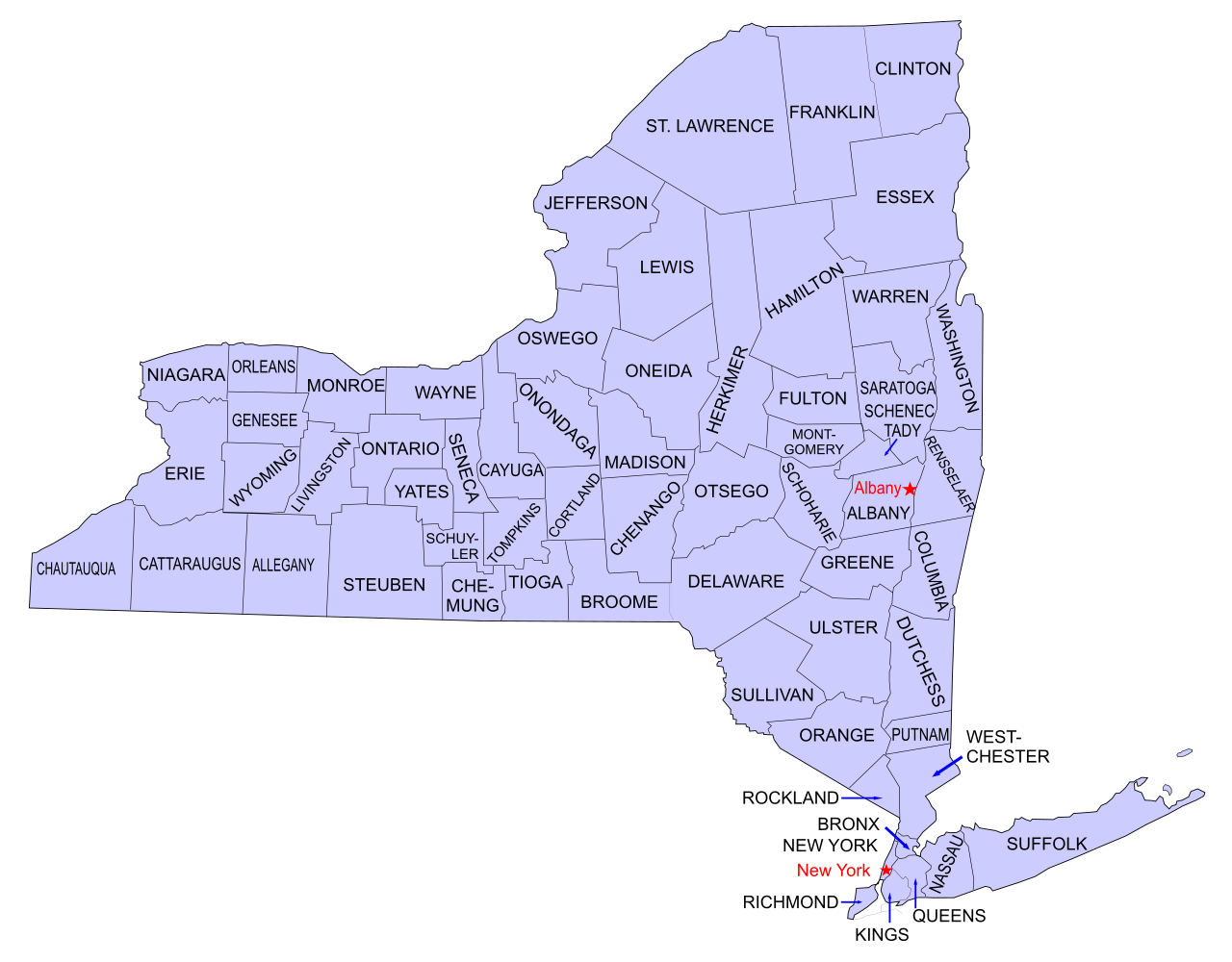
One of the most persistent misconceptions among new homeowners is that a mysterious bureaucracy in the state capital dictates their property tax bill. In reality, New York State does not assess property for general taxation purposes, nor does it collect property taxes. The state plays the role of a referee, but the game itself is intensely local. New York State property taxes are levied exclusively by multiple local jurisdictions, including counties, cities, towns, villages, and school districts.
Let’s step into the shoes of a local town council to see exactly how a tax rate is born. The process moves strictly from the macro (the town) to the micro (your client's house).
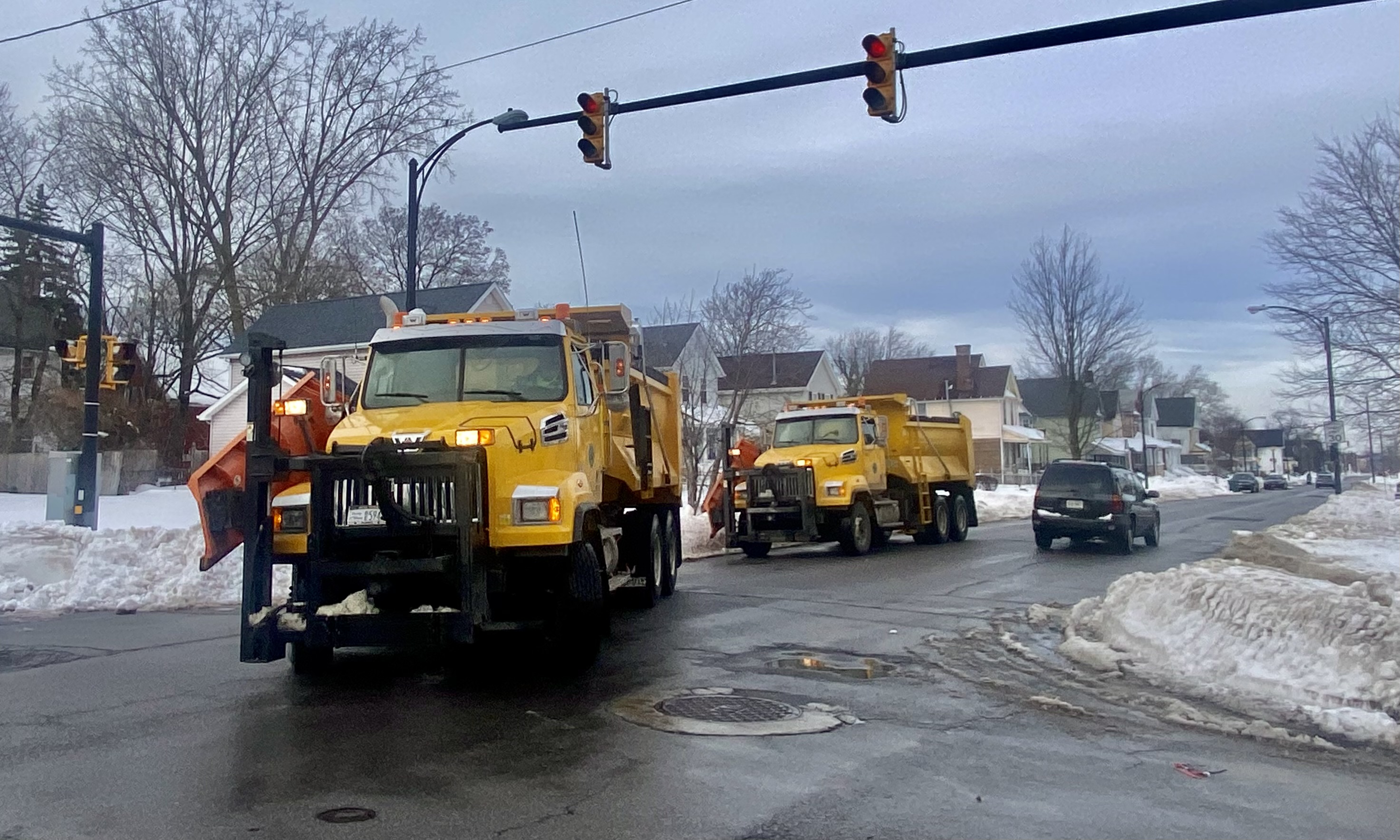
Before a single homeowner is billed, a municipality must first calculate the total amount of revenue needed to fund its upcoming annual budget—everything from snowplows to salaries. But property taxes aren't the town’s only source of income. The town might receive state aid, collect parking fines, or charge permitting fees. This revenue from non-property tax sources is subtracted from the total municipal budget to determine the necessary property tax levy.
The Property Tax Levy The property tax levy is the absolute total amount of money that must be raised from property taxes in a specific municipality to bridge the gap between their operating budget and their outside revenues.
Once the town knows the exact dollar amount of the levy, they must spread it across all the privately owned real estate in their jurisdiction.
Municipal Property Tax Rate Equation Municipal Property Tax Rate = Total Property Tax Levy ÷ Total Taxable Assessed Value of the Municipality
Speaking the Language: Mills and Rates
When the municipality performs this division, the resulting number is usually very small. To make these tiny decimals manageable for everyday conversation and billing, a property tax rate is often expressed in mills.
Think of a mill simply as a unit of measurement for tax. Just as a millimeter is one-thousandth of a meter, a mill is one-thousandth of a dollar.
- One mill equals one-tenth of one cent.
- One mill is equivalent to one dollar of tax per one thousand dollars ($1,000) of assessed property value.
Alternatively, depending on the municipality, tax rates can be expressed as a rate per one hundred dollars ($100) of assessed property value. When a buyer looks at a listing and sees a tax rate of "30 mills," you can instantly clarify this for them: "That means you will pay $30 for every $1,000 of your home's assessed value."
Because New York State leaves property taxation to local governments, you must map out exactly who is taxing your client's property. Multiple jurisdictions overlap on a single plot of land.
The entity that values the dirt and the structure is known as an assessing unit. An assessing unit is a local governmental jurisdiction that independently determines the assessed value of real property. In New York State, counties, cities, towns, and villages act as assessing units.
Beyond the general municipal borders, properties often sit within special assessment districts. These districts levy local taxes to fund specific localized improvements like water lines, sewer systems, or fire protection. If your client is buying a home in a rural area that recently formed a district to build a new firehouse, that specific geographic cluster of homes will bear the tax burden for that improvement.
The Heavyweight: School Districts
If you analyze a client’s tax bill, one line item consistently towers over the rest. School districts typically account for the largest portion of a New York State property owner's total property tax bill.
The administration of these school taxes depends entirely on where the property is located:
- Independent Districts: In New York State, most school districts are independent taxing jurisdictions capable of levying their own property taxes. They draft their own budgets, calculate their own levy, and bill property owners directly.
- Dependent Districts (The "Big Five"): School districts in New York City, Buffalo, Rochester, Yonkers, and Syracuse are dependent on their city governments for budget funding. They do not levy separate school taxes; instead, their funding is baked into the general city property tax.
Here is where the architecture of New York property tax encounters a fascinating problem—and where real estate professionals most frequently stumble in their explanations.
Imagine two identical houses in two neighboring towns (Town A and Town B), both residing within the same County. The County needs to levy a tax to pay for the county sheriff and the community college, and it intends to split this burden based on property values.
- Town A keeps its assessments perfectly updated, assessing properties at 100% of their actual market value.
- Town B hasn't updated its underlying assessment methodology in decades, and assesses property at only 50% of its actual market value.
If the County simply relied on raw assessed values, Town A would pay double the county tax that Town B pays for the exact same real estate footprint. It would be an outright robbery.
To solve this, the state introduces a mathematical referee: the equalization rate.
The Equalization Rate The equalization rate represents the New York State government's measure of a municipality's overall level of property assessment. It is the ratio of total assessed value to total actual market value.
The New York State Office of Real Property Tax Services (ORPTS) determines the equalization rate for each assessing unit. They look at the town's total assessments and compare them to the actual sales data of homes in that town.
- Equalization Rate Formula: Equalization Rate = Total Assessed Value of the Municipality ÷ Total Actual Market Value.
- An equalization rate of 100 indicates that the municipality is assessing all of its property at 100 percent of actual market value.
- An equalization rate below 100 indicates that the overall property in the municipality is assessed below actual market value.
Why Equalization Matters to Your Client
Equalization rates are not mere bureaucratic trivia; they dictate how millions of dollars move across the state map.
First, equalization rates are used to ensure the fair distribution of county taxes among multiple towns that assess property at different percentages of market value. By converting every town's varied assessments back into a "true" market value currency, the county can fairly divide the tax levy pie.
Second, equalization rates are used by the state to distribute public education aid equitably among various school districts. A district in a town that looks "poor" on paper solely because of a low assessment fraction won't accidentally receive excess state aid designed for genuinely impoverished communities.
When evaluating an individual transaction, you can cut through the noise of local assessing quirks by calculating the true economic footprint of a home. A specific property's equalized assessed value is calculated by dividing the property's local assessed value by the municipality's equalization rate.
Furthermore, to give your client a true apples-to-apples comparison of the tax burden across different towns, calculate the true tax rate. The true tax rate is defined as the total amount of property tax divided by the actual market value of the property. This bypasses the municipal "mill" math and tells the buyer, purely and simply: "You will pay X percent of this home's market value in taxes every year."
| Assessment Scenario | Local Assessed Value | Equalization Rate | Equalized Assessed Value | Actual Market Value (via Appraisal/Sale) | True Tax Rate (if total tax is $6,000) |
|---|---|---|---|---|---|
| Town A (Updated) | $300,000 | 100% (1.00) | $300,000 | $300,000 | 2.0% ($6k / $300k) |
| Town B (Outdated) | $150,000 | 50% (0.50) | $300,000 | $300,000 | 2.0% ($6k / $300k) |
Once the budgets are passed, the levies calculated, and the equalization rates applied, the theoretical math turns into a very real demand for cash.
The municipality formally triggers the collection phase by issuing a tax warrant. This is not a warrant for someone's arrest; rather, a tax warrant is an official order authorizing a local tax receiver to collect property taxes. It legally obligates the collector to gather the funds and guarantees the municipal bookkeeping is balanced.
The individual who signs the receipts and processes the checks is the receiver of taxes—the designated local municipal official responsible for collecting property tax payments. When your client closes on their home, the title company will communicate with the receiver of taxes to confirm that there are no outstanding liens and to calculate how the year's taxes should be accurately prorated between the buyer and the seller.

When you master the trajectory of the property tax—from the town's sprawling budget meeting, through the strict arithmetic of the levy and the equalization process, down to the final warrant—you transform a painful expense into a transparent process for your clients. You show them exactly how the gears of their new community turn, proving your value as a true real estate academic and practitioner.