Texas Standards of Conduct, Trust Accounts & Advertising
Not sure you’re ready?
Take the ~3-minute readiness diagnostic and see where you stand.
Imagine you are standing on a bridge, watching the complex, chaotic flow of water beneath. A real estate transaction is much like that rushing river—a massive transfer of wealth, emotion, and liability between distinct parties, inherently unstable. Your Texas real estate license is not just a permission slip to participate in this transfer; it is a legally binding commitment to act as the structural engineering that keeps the bridge intact. The Texas Real Estate Commission (TREC) establishes standards of conduct, trust, and advertising not merely as bureaucratic hurdles, but as the fundamental physics of consumer protection. Without these principles, the system collapses under the weight of misrepresentation, self-dealing, and financial commingling. To master these rules is to understand the absolute boundaries of your role in protecting the public and your own professional survival.

The foundation of your behavior as a Texas real estate sales agent is codified in the Texas Administrative Code through the TREC Canons of Professional Ethics and Conduct. These are not polite suggestions; they are the governing laws of your daily practice.
Fidelity: The Fiduciary Mandate
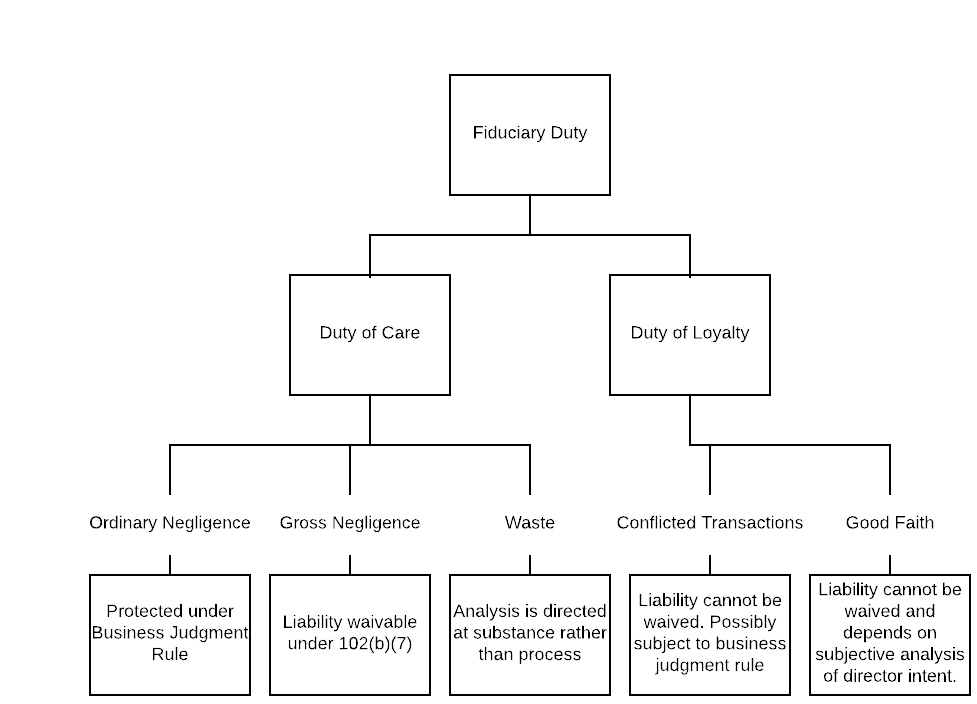
The TREC Canon of Fidelity dictates that a real estate license holder acts as a fiduciary for the client. What does this actually mean in practice? It means your client’s interests must eclipse your own. You are placed in a position of high trust. The Canon of Fidelity requires a real estate license holder to place the client's interests entirely above the license holder's own interests. If a property is perfect for your buyer, but offers a slightly lower commission than a different listing, you negotiate for the property that serves your buyer.
Integrity: The Duty of Truth
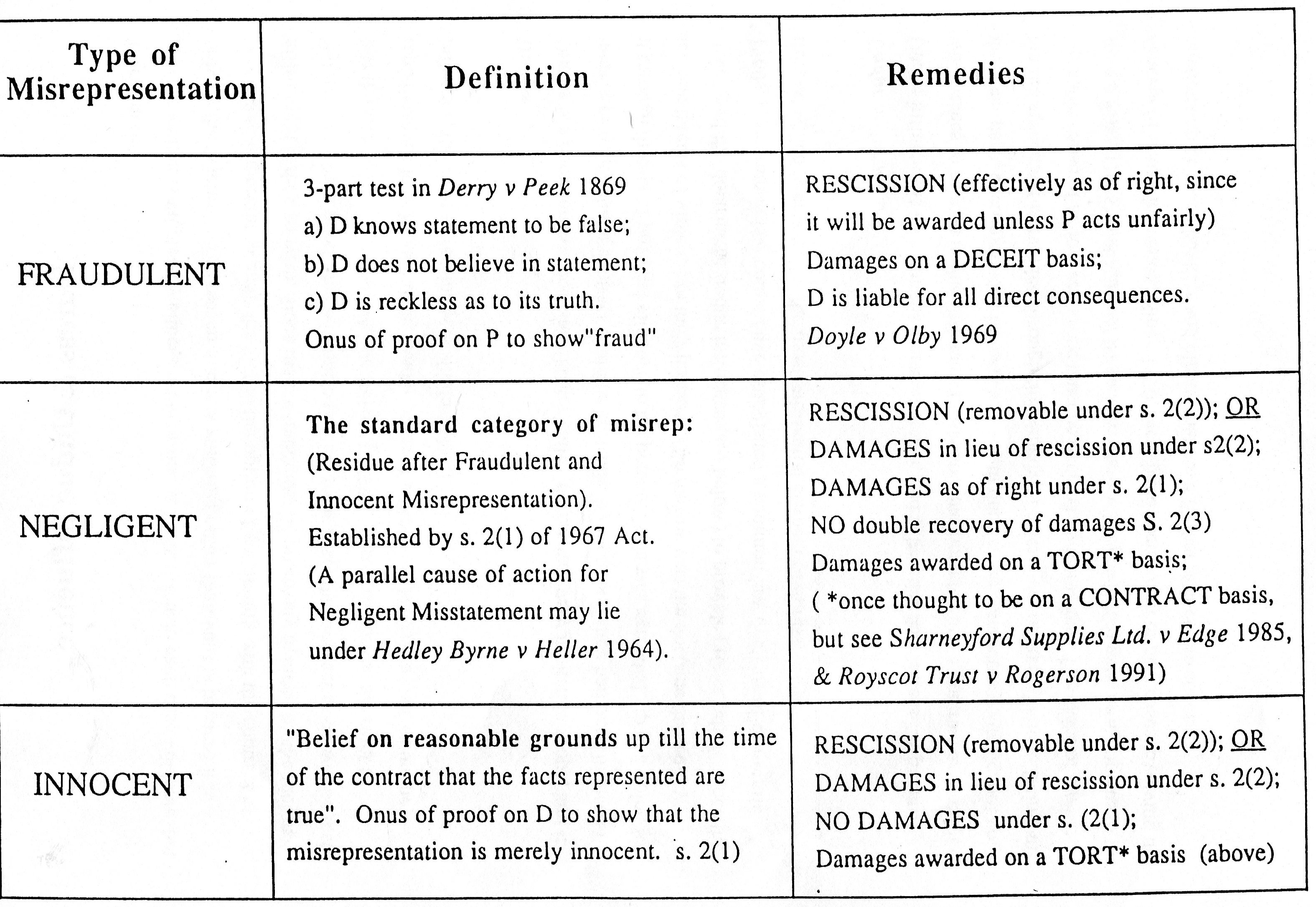
The TREC Canon of Integrity requires a real estate license holder to employ prudence and caution to avoid misrepresentation by acts of commission and omission.
- Act of Commission: You explicitly lie to a buyer, telling them a roof is brand new when you know it is 20 years old.
- Act of Omission: You remain silent when you notice a massive foundation crack hidden behind a stack of moving boxes, allowing the buyer to proceed in ignorance. Both acts violate the Canon of Integrity. You must actively work to ensure reality aligns with what is being represented.
Competency: Knowing Your Boundaries
The TREC Canon of Competency requires a license holder to be knowledgeable as a real estate practitioner and to exercise judgment and skill in the performance of real estate brokerage work. If you have spent your entire career selling suburban single-family homes, you lack the competency to suddenly negotiate a complex 50-unit commercial lease without seeking assistance from a broker skilled in that arena.
Discriminatory Practices: The Absolute Prohibition
The real estate market is a gateway to shelter, community, and generational wealth. Therefore, the TREC Canon on Discriminatory Practices strictly prohibits a real estate license holder from making inquiries, responding to inquiries, or facilitating any action based on a person's:
If a seller asks you, "What kind of families are moving into this neighborhood?" you must recognize the trap. You are legally barred from making inquiries or sharing data based on these protected classes.
In real estate, information asymmetry—where one party knows crucial facts the other does not—is incredibly dangerous. TREC combats this through mandatory, highly specific disclosures.

The IABS and Consumer Protection Notice
Consumers need to know who works for whom, and how to hold agents accountable. TREC mandates two specific documents to solve this:
1. Information About Brokerage Services (IABS) TREC rules require license holders to provide the IABS form to consumers at the first substantive communication about specific real property. If you are discussing the specifics of a home at an open house, you hand them the IABS. Furthermore, TREC rules require brokers and sales agents to provide a direct link to the IABS form on the homepage of their business website. The formatting is heavily regulated:
- The link must read
"Texas Real Estate Commission Information About Brokerage Services"in at least a 10-point font. - An acceptable alternative is
"TREC Information About Brokerage Services"in at least a 12-point font.
2. The Consumer Protection Notice This document serves a different purpose. The TREC Consumer Protection Notice informs consumers about the real estate recovery trust account (a fund to pay aggrieved parties) and details exactly how to file a complaint against a license holder.
- TREC rules require real estate license holders to prominently display the Consumer Protection Notice in each place of business.
- Like the IABS, you must provide a direct link to it on your business homepage.
- The link must read
"Texas Real Estate Commission Consumer Protection Notice"in at least a 10-point font, OR the alternative"TREC Consumer Protection Notice"in at least a 12-point font.
The Intermediary Relationship
Under Texas law, a broker must act as an intermediary if the broker agrees to represent both the buyer and the seller in a single transaction. Texas does not allow dual agency; it relies entirely on the intermediary process to handle in-house transactions. To legally become an intermediary, the broker must obtain written consent from all parties to the transaction, and crucially, that written consent must state the source of any expected compensation to the broker.
Disclosing Personal and Business Interests
You cannot hide behind your license to secure a secret advantage for your family or your investments. Under TREC rules, a license holder must explicitly disclose if the license holder is acting on behalf of:
- A spouse
- A parent
- A child
- A business entity in which the license holder owns more than a ten percent (10%) interest.
Furthermore, the Texas Real Estate Commission may suspend or revoke a license if the license holder acts in the dual capacity of broker and undisclosed principal in a transaction. If you are buying a property for yourself, you must loudly and legally declare your licensed status to the seller.
A trust account is not a standard checking account; it is a legally enforced quarantine zone for other people's money. Interestingly, under TREC rules, a real estate broker is not legally required to maintain a trust or escrow account. Many brokers prefer to let a title company hold the earnest money.
However, if a broker chooses to hold earnest money, the broker must deposit the funds into a trust account by the close of the second business day after the contract's effective date.
Commingling vs. Conversion
The mishandling of trust funds represents the fastest route to losing your license. You must understand the precise distinction between these two fatal errors:
Commingling occurs when a real estate broker mixes client trust funds with the broker's personal or operating business funds. Under TREC rules, the commingling of client trust funds and broker personal funds is strictly prohibited. Exception: A real estate broker is permitted to keep a small, precisely tracked amount of personal funds in a trust account solely to pay service charges or maintain the account minimum.
Conversion occurs when a real estate broker actually uses a client's trust funds for the broker's personal or business expenses. Think of commingling as putting your client's sandwich in your lunchbox. Conversion is eating the sandwich. The conversion of client trust funds by a broker is an illegal act that constitutes grounds for immediate disciplinary action (and often criminal prosecution).
To ensure these boundaries are respected, a real estate broker must maintain documentary records of all trust account transactions for a minimum of four years.
Money flows through a transaction in very specific channels. If you divert the flow outside of these channels, you violate the Texas Real Estate License Act (TRELA).
Splitting Fees
Under TRELA, a Texas license holder is permitted to split a real estate commission with another active Texas license holder. You are also permitted to split a real estate commission with a legally licensed foreign broker (a broker licensed in another state or country), but only if the foreign broker does not conduct real estate activities within Texas. If a broker from New York flies to Dallas to negotiate the deal, you cannot pay them a split.
The Unlicensed Prohibition
TRELA explicitly prohibits a license holder from paying a commission or fee to an unlicensed person for performing acts requiring a real estate license. You cannot pay your unlicensed friend a 1% finder's fee for finding you a buyer.
- The Gift Exception: Under TREC rules, a license holder may give an unlicensed person a non-cash gift worth $50 or less in exchange for a real estate referral (e.g., a nice bottle of wine or a restaurant voucher).
- The Cash Ban: Under TREC rules, cash or gifts convertible to cash (like a Visa gift card) cannot be given to an unlicensed person for a real estate referral regardless of the gift's monetary amount.
Rebates to a Principal
You are legally permitted to rebate a portion of a commission to a principal in the transaction (the buyer or seller). However, this is tightly regulated:
- A commission rebate paid to a principal must be fully disclosed to all parties in the transaction.
- It requires the explicit consent of the license holder's sponsoring broker.
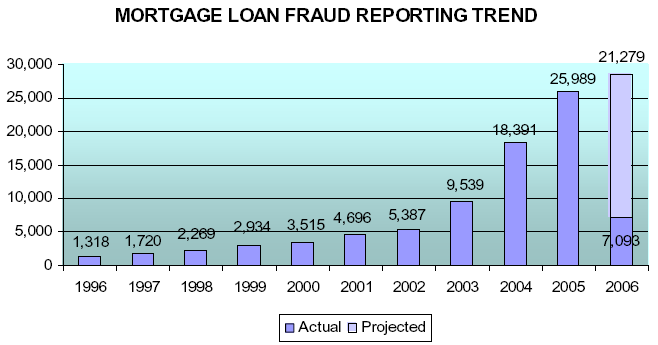
- Critically, a commission rebate given to a buyer principal must be disclosed to the buyer's lender to comply with federal lending guidelines. Hiding a rebate from a lender constitutes mortgage fraud.
TREC defines an advertisement as any written or oral statement inducing a member of the public to use a real estate licensee's services. This covers everything from a billboard to a TikTok video. Social media profiles used to promote a real estate business must fully comply with all TREC advertising rules.
The core philosophy of TREC advertising rules is that the public must always know they are dealing with a licensed agent, and they must know exactly who the responsible broker is.
The Broker Name Requirement
Under TREC rules, all real estate advertisements must include the licensed name of the broker or the broker's registered assumed business name. Furthermore, under the TREC advertising safe harbor policy, the broker's name in an advertisement must be at least half the size of the largest contact information in the advertisement. If your phone number is printed in 4-inch letters on a sign, the broker's name must be in at least 2-inch letters.
Misleading Advertising and Team Names
Under TREC rules, an advertisement is legally misleading if the advertisement implies that a sales agent is responsible for the operation of a brokerage. To prevent the public from thinking a sales team is an independent brokerage, TREC strictly regulates team names.
| Team Name Rules | Permitted vs. Prohibited |
|---|---|
| Mandatory Suffix | Under TREC rules, a team name used in real estate advertising must end in the word "team" or "group". |
| Prohibited Words | A team name cannot contain the word "brokerage". |
| Prohibited Words | A team name cannot contain the word "company". |
| Prohibited Words | A team name cannot contain the word "associates". |
Finally, if you intend to use a nickname or alternate name (like "Selling Sally") instead of your legal name, under TREC rules, a license holder's alternate name must be registered with TREC before being used in any real estate advertisement.
Real estate contracts are meticulously calibrated legal instruments transferring immense liability. A sales agent is not an attorney. The Texas Real Estate License Act prohibits real estate license holders from engaging in the unauthorized practice of law.
What does this mean mechanically?
- A real estate license holder is legally prohibited from drafting legal documents that transfer an interest in real property.
- A real estate license holder is prohibited from giving legal advice regarding the validity or legal effect of any instrument addressing real property rights.
To prevent UPL, a real estate license holder must use contract forms drafted by the Texas Broker-Lawyer Committee and promulgated (mandated) by TREC unless a specific legal exception applies.
Exceptions to Promulgated Forms
There are specific times you do not have to use a TREC form without violating UPL rules:
- A license holder may use a contract form prepared by a property owner for the owner's own transaction.
- A license holder may use a contract form prepared by an attorney and required by a property owner.
The Danger of the "Special Provisions" Paragraph
Even when using a promulgated form, you must be incredibly careful. A license holder must not add factual statements or business details to a promulgated form if a TREC promulgated addendum exists for that specific purpose. If your buyer wants to keep the refrigerator, do not invent legal phrasing in Special Provisions; use the TREC Non-Realty Items Addendum.
TREC’s ultimate tool to protect the public is the suspension or revocation of your license. Beyond the rules already discussed, the Texas Real Estate Commission may suspend or revoke a real estate license for specific, detrimental actions.
You will face severe disciplinary action if you:
- Commit a Felony: TREC may suspend or revoke a real estate license if the license holder is convicted of a felony.
- Lie on Your Application: TREC may suspend or revoke a license if the license holder procures a real estate license by fraud or misrepresentation.
- Predict the Future: TREC may suspend or revoke a license if the license holder guarantees that future profits will result from a resale of real property. Markets change; guarantees are fraudulent.
- Trap a Seller: TREC may suspend or revoke a license if the license holder fails to specify a definite termination date in a property listing contract. A client must always know exactly when their obligation to you ends.
- Gamify Real Estate: TREC may suspend or revoke a license if the license holder attempts to sell real property by means of a lottery.
- Trespass with Marketing: TREC may suspend or revoke a license if the license holder places a sign on a property without the owner's written consent.

The Ultimate Title Warning
Finally, there is a specific, legally mandated warning regarding title that you must deliver to every buyer. The Texas Real Estate Commission may suspend or revoke a license if the license holder fails to advise a buyer in writing to have the abstract of title examined by an attorney, OR fails to advise a buyer in writing to obtain title insurance. This warning is actually pre-printed in TREC promulgated contracts to ensure you comply, but the burden remains entirely on you to ensure it is communicated.
By understanding the physics of these rules—why they exist and the damage they prevent—you are no longer memorizing arbitrary statutes. You are learning how to safely engineer transactions that build wealth, secure property rights, and elevate the integrity of the real estate profession.