Texas Licensing Requirements, Maintenance & Renewal
Not sure you’re ready?
Take the ~3-minute readiness diagnostic and see where you stand.
A real estate license in the state of Texas is fundamentally a legally enforced monopoly on specific economic behaviors. The state, acting through the Texas Real Estate Commission (TREC), grants a heavily vetted group of individuals the exclusive right to broker real property transactions. Why? Because a real estate transaction is a high-stakes transfer of enormous capital, fraught with profound legal consequence. The state refuses to leave this to the whims of an unregulated open market. By demanding a license, TREC establishes a baseline of competence and a mechanism for accountability. Let us examine exactly what triggers the need for this license, the rigorous gauntlet required to obtain it, and the precise machinery required to maintain it.
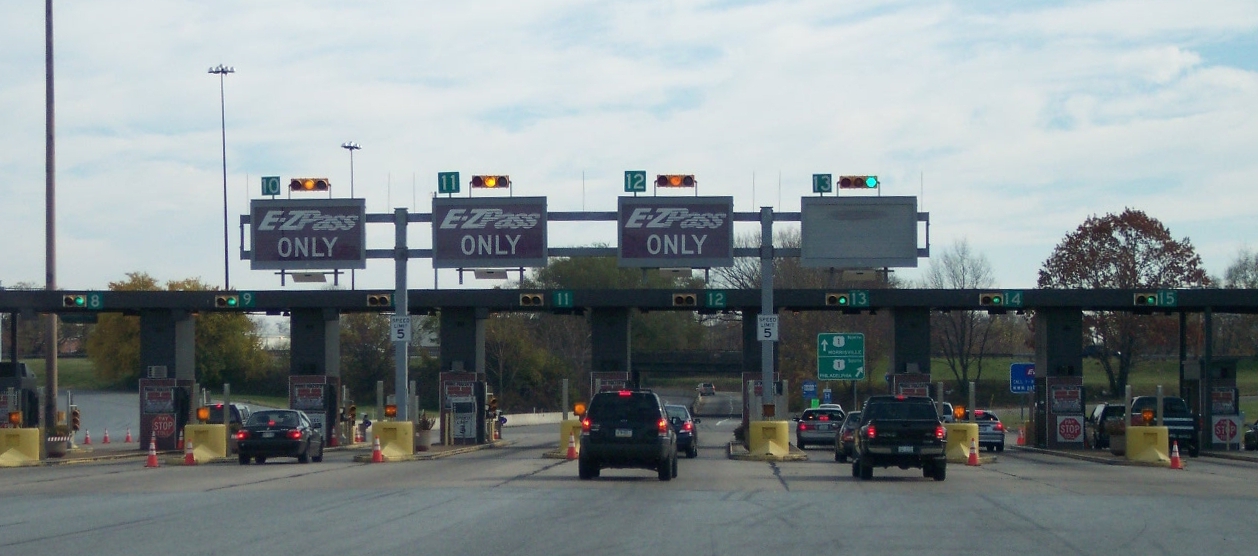
Imagine a toll booth sitting on the highway of commerce. If you engage in certain economic behaviors, you cross the toll booth and must carry an active Texas real estate license. What are these behaviors? The overarching trigger is performing a real estate act with the expectation of compensation.
- Negotiating and Procuring: Negotiating the sale or lease of real estate for compensation requires an active Texas real estate license. Similarly, procuring prospects for the purpose of buying, selling, or leasing real estate for compensation requires a license. You cannot act as an unlicensed "bird dog" matching buyers and sellers for a cut of the deal.
- Trading in Options: Dealing in real estate options for compensation requires an active Texas real estate license. An option contract is essentially a purchased right to buy a property later; dealing in these instruments on behalf of others is a heavily regulated brokerage act.
- Single-Family Rent Control: Most surprisingly, a person controlling the acceptance or deposit of rent from a resident of a single-family residential unit must hold a Texas real estate license. If you hold the keys to the dropbox or manage the payment portal for a single-family rental, you have constructive possession of another person's money. TREC guards this threshold fiercely.
The Exemptions: Bypassing the Toll Booth
Not everyone has to pay the toll. TREC carves out specific exemptions, largely based on two principles: either the individual already operates under stringent legal oversight, or the individual is simply dealing with their own property.
- Attorneys at Law: An attorney licensed in Texas is exempt from holding a real estate license to perform real estate acts. They have passed the State Bar and intimately understand contract law. However, there is a hard boundary line: a Texas-licensed attorney is strictly prohibited from splitting a real estate commission with a broker without holding an active real estate license. Why? Because commission splitting is the financial mechanism of a brokerage, not the practice of law.
- Public Officials & Auctioneers: Public Officials are exempt from Texas real estate licensing requirements while conducting official duties. Similarly, an individual holding a Texas auctioneer license may auction real estate without holding a real estate license. The auctioneer is merely crying the bids; the underlying transaction paperwork is handled by licensed brokers or attorneys.
- Direct Employees: An on-site manager of an apartment complex is exempt from Texas real estate licensing requirements, acting as an extension of the property owner. Likewise, employees of a builder selling structures erected by the owner are exempt.
- Personal Real Estate and Manufactured Homes: An individual selling, buying, or leasing the individual's own real property does not require a Texas real estate license. You have a fundamental legal right to dispose of your own land. Furthermore, TREC governs real property (land and permanent attachments). Therefore, a person selling a manufactured home not attached to land is exempt from Texas Real Estate Commission licensing. Interestingly, the state builds a small bridge between these regulatory worlds: a real estate license holder may legally sell one unattached manufactured home per twelve-month period without a separate state housing license.

Real estate sales agents do not operate in a vacuum; they exist within a strict legal hierarchy. A sales agent is legally an extension of their sponsoring broker.
-
Single Sponsorship: A Texas sales agent can only be sponsored by one active real estate broker at a time. You cannot serve two masters. When you wish to switch allegiances, a new sponsoring broker must file a sponsorship request with the Texas Real Estate Commission to change a sales agent's sponsorship. Because modern business moves at the speed of light, a sales agent may begin working for a new sponsoring broker immediately upon the Texas Real Estate Commission's receipt of the sponsorship request and fee.
-
Corporate Brokerages and the Designated Heartbeat: Many brokers form LLCs or corporations to shield themselves from liability. A business entity engaging in real estate brokerage in Texas must hold a real estate broker license issued by the Texas Real Estate Commission. But a corporation is a legal fiction; it has no pulse. Therefore, a licensed real estate business entity must designate an active Texas real estate broker to act on behalf of the entity. This designated broker serves as the entity's heartbeat.
Crucial Warning: The expiration or suspension of a designated broker's license immediately places the business entity's real estate license on inactive status. If the heartbeat stops, the entity goes into immediate regulatory cardiac arrest.
To prevent undercapitalized shell companies run by figurehead brokers, TREC demands the designated broker have "skin in the game." If the designated broker owns less than ten percent of the entity, the business entity must maintain at least \$1,000,000 in errors and omissions (E&O) insurance.

TREC acts as a societal filter, allowing only those who meet strict standards of character and intellectual competence to broker property.
Character and Fitness
The baseline qualifications are straightforward: an applicant for a Texas real estate license must be at least 18 years of age, a citizen of the United States or a lawfully admitted alien, and a legal resident of Texas at the time of application.

Beyond demographics lies the character test. The Texas Real Estate Commission requires all license applicants to pass a criminal background check to satisfy moral character requirements. Because the state is granting you the authority to guide consumers through massive financial transitions, the Texas Real Estate Commission may deny a license application for failure to meet the requirements of honesty, trustworthiness, and integrity.
If you fall short, the Texas Real Estate Commission immediately issues a written notice to an applicant when a real estate license application is denied. The door is not entirely shut, but the clock is ticking: an applicant must submit a written request for a hearing within 30 days of receiving a notice of license application denial. This appealed license application denial is then heard by an administrative law judge at the State Office of Administrative Hearings (SOAH).
Education and the Examination
The intellectual filter is equally rigorous. A Texas sales agent applicant must complete 180 hours of qualifying real estate education before taking the licensing examination.
To earn the license, a Texas sales agent candidate must pass both a state portion and a national portion of the real estate examination. TREC views failure as a vital diagnostic indicator of missing fundamental knowledge:
- Failing either the state or national portion of the real estate examination three times requires the completion of 30 additional hours of qualifying education.
- Failing both the state and national portions of the real estate examination three times requires the completion of 60 additional hours of qualifying education.
You cannot simply log back into the portal and click "retest." A candidate must submit additional course completion certificates and the third failed score report to the Texas Real Estate Commission before registering to retest.
Once you finally pass, remember your place in the hierarchy: a newly licensed Texas sales agent is strictly prohibited from performing real estate activities until sponsored by an active licensed broker. Passing the exam makes you a license holder; finding a broker makes you an active agent.
TREC treats your very first license renewal as a crucial extension of your foundational education, while subsequent renewals focus on keeping your existing tools sharp.
The Crucible of the First Renewal (SAE)
A sales agent renewing a Texas real estate license for the first time must complete 90 hours of Sales Agent Apprentice Education (SAE). This is a heavy lift, and TREC mandates specific contents:
- The 90-hour Sales Agent Apprentice Education requirement for first-time renewing Texas sales agents must include a mandatory 30-hour Real Estate Brokerage course.
- In addition to the 90 hours of SAE, first-time renewing Texas sales agents must complete four hours of Legal Update I and four hours of Legal Update II.
- Add it all up: a first-time renewing Texas sales agent must complete a total of 98 hours of mandatory education.
Steady State: Subsequent Renewals (CE)
Once you survive the crucible of the first renewal, you enter a steady state. Texas sales agents completing a second or subsequent renewal must complete 18 hours of continuing education every two years. How do those 18 hours break down?
- The 18-hour continuing education requirement for renewing a Texas real estate license includes four hours of Legal Update I and four hours of Legal Update II.
- It includes three mandatory hours of contract-related coursework. (Contracts are the scaffolding of every deal; you must stay current on promulgated forms).
- It includes seven hours of elective coursework for agents without supervisory duties.
Note for leadership: A Texas sales agent assigned as a supervisor for six months or more must complete a six-hour Broker Responsibility course to renew a license, which replaces six of those elective hours.
The Deferral Grace Period
What happens if you hit your expiration date and haven't finished your classes? TREC offers a safety net, but you have to pay for the privilege. Failing to complete continuing education before the license expiration date requires the payment of a \$200 continuing education deferral fee. Paying the continuing education deferral fee provides a license holder an additional 60 days to complete the required education without falling out of active status.
Sometimes, a professional needs to step away from the business without destroying the license they worked so hard to build. A license holder may voluntarily place a real estate license on inactive status to suspend continuing education requirements.
Think of this as cryogenic sleep. While in the pod:
- An inactive license holder must pay regular renewal fees every two years to maintain the inactive license status. (You still have to pay the state to keep the machinery running).
- A license holder on inactive status is strictly prohibited from engaging in any activity requiring a real estate license.
When you are ready to thaw out and return to the market, reactivating an inactive real estate sales agent license requires the completion of 18 hours of continuing education and sponsorship by an active broker.
Advertising in real estate is heavily regulated by TREC to prevent a specific psychological danger: consumer confusion. When a consumer looks at a billboard or a yard sign, they must immediately understand who legally owns the brokerage and who is merely an agent.
-
Assumed Business Names: An assumed business name (a DBA) must be registered with the Texas Real Estate Commission before a broker uses the name in advertisements. Crucially, a sales agent is strictly prohibited from including the sales agent's personal name in the assumed business name of a brokerage. If your name is John Doe, you cannot operate under "John Doe Brokerage" as a sales agent, because it deceives the public into believing you hold broker-level authority and liability.
-
Team Names: To allow agents to brand themselves while avoiding this deception, TREC allows teams. A team name is a name used by a group of sponsored sales agents performing real estate activities under an exclusive collective name.
- To ensure consumers know they are dealing with a subdivision of a larger brokerage, a team name must end with the word "team" or "group" to comply with Texas advertising rules.
- A team name is strictly prohibited from containing the words "brokerage", "company", or "associates". These words legally imply broker authority.
- However, a Texas real estate team name may legally include the word "realty" as long as the entire name ends with the word "team" or "group" (e.g., "The Smith Realty Group" is perfectly legal).
-
Alternate and Derivative Names: If you operate under an alias, TREC needs to know. An alternate name such as a nickname or maiden name must be registered with the Texas Real Estate Commission before use in advertising. However, common sense prevails for basic abbreviations: a common derivative of a name shown on a license (such as using "Dave" instead of "David," or "Chris" instead of "Christopher") is not considered an alternate name and does not require registration.