Liens, Easements, and Encumbrances
Not sure you’re ready?
Take the ~3-minute readiness diagnostic and see where you stand.
Imagine purchasing a meticulously restored antique clock, only to discover a web of invisible strings attached to it. One string allows a neighbor to wind the clock on Tuesdays; another string requires you to pay a craftsman who repaired the glass three years ago; a third dictates that the clock must never be painted green. In real estate, the property is the clock, and those invisible strings are encumbrances.
An encumbrance is any claim, charge, or liability that attaches to and is binding on real estate. Property ownership is often described as a "bundle of rights." An encumbrance represents a right held by a third party, effectively removing one or more sticks from the owner’s bundle. Consequently, an encumbrance lessens the value or impairs the use of a real property.
Crucially, however, an encumbrance does not prevent the transfer of a property's title. Properties are bought and sold every day with encumbrances intact. Instead, these invisible strings simply transfer along with the deed. For a real estate salesperson, uncovering and explaining these strings is a fundamental duty. When reading a title report, you will find that title insurance policies typically list existing, known encumbrances as exceptions to coverage, meaning the title company will not protect the buyer against these specific, pre-existing claims.
Broadly, encumbrances divide into two kingdoms: financial and non-financial. Financial encumbrances are known as liens. Non-financial encumbrances include easements, encroachments, and deed restrictions. It is a strict rule of real estate logic that all liens are encumbrances, but not all encumbrances are liens.
A lien is a financial charge or claim against property to secure payment of a debt or obligation. If the property owner fails to pay the debt, the lienholder can often force the sale of the property to satisfy the obligation. A lien runs with the land and binds the property until the underlying debt is cleared.
To navigate liens, you must understand how they are classified across three distinct axes.
1. Voluntary vs. Involuntary
- Voluntary liens are created intentionally by the property owner's action. When a buyer takes out a loan to purchase a home, they willfully hand the bank a claim against the property. A mortgage lien is a type of voluntary lien.
- Involuntary liens are created by law without the property owner's consent. If an owner fails to pay taxes, the government does not ask permission to attach a lien to the property; the law does it automatically.
2. Statutory vs. Equitable
Involuntary liens are further divided by their legal origin.
- Statutory liens are a type of involuntary lien created by written legislation. The legislature has passed a statute explicitly creating the lien.
- Equitable liens are a type of involuntary lien created by common law or a court of equity. They arise out of fairness, typically when a court recognizes that a creditor has a valid claim against a debtor's property even if no written statute exists.
3. General vs. Specific
- General liens affect all property, both real and personal property, owned by a debtor. They are a blanket claim over everything the debtor owns.
- Specific liens are secured by a specific parcel of real estate and affect only that particular property.
The Core Roster of Liens
| Lien Type | Classifications | How it Functions in Practice |
|---|---|---|
| Real Estate Property Tax Lien | Specific, Involuntary, Statutory | Attached to a specific property when local taxes are unpaid. |
| Special Assessment Lien | Specific, Involuntary, Statutory | Created to fund public improvements (like paving a street or adding streetlights) that benefit a particular property. |
| Mechanic's Lien | Specific, Involuntary, Statutory | Secures payment for labor or materials supplied for property improvement. If a roofer is unpaid, they file this against the specific house they roofed. |
| Mortgage Lien | Specific, Voluntary, Equitable/Statutory | The homeowner voluntarily uses their specific property as collateral for a loan. |
| Judgment Lien | General, Involuntary, Equitable | Arises when a court issues a financial judgment against a debtor. It attaches to both real and personal property. |
| IRS Tax Lien | General, Involuntary, Statutory | Attached by the federal government for unpaid income taxes, covering all of the debtor's real and personal property. |
The Priority of Liens: The Rule of Time and Its Exceptions
When a property is foreclosed upon and sold, the proceeds are distributed to lienholders. But who gets paid first? If the money runs out, junior lienholders get nothing.
The baseline rule is that most liens are prioritized according to the date of recording in the public record. First in time, first in right. However, there are massive exceptions to this rule that disrupt the timeline.
- The Sovereignty of Taxes: Property tax liens generally take priority over all other liens regardless of the recording date. Even if a mortgage was recorded ten years ago, a brand-new property tax lien jumps to the front of the line.
- Special Assessments: Special assessment liens generally take priority over all other liens except property tax liens. Government claims for property-related improvements reign supreme.
- The Mechanic's Time Machine: The priority of a mechanic's lien is often established by the date the work commenced rather than the recording date. If a plumber starts work on May 1, and a bank records a new mortgage on May 15, and the unpaid plumber files a lien on June 1, the plumber's lien travels back in time to May 1, giving it priority over the bank's mortgage.
- Subordination Agreements: Creditors can willingly alter the queue. A subordination agreement is a written contract between lienholders to change the priority of mortgage, judgment, and other liens. A primary lender refinancing a home might require a secondary lender to sign a subordination agreement to ensure the new primary loan stays in first position.
Where liens limit the owner's absolute financial freedom, non-financial encumbrances limit the owner's physical and legal use of the land.
Easements: The Right to Pass and Use
An easement is the right to use the land of another person for a particular purpose. It is a non-possessory interest in real estate; the easement holder has the right to use the property, but does not own it.
Easements take several distinct forms:
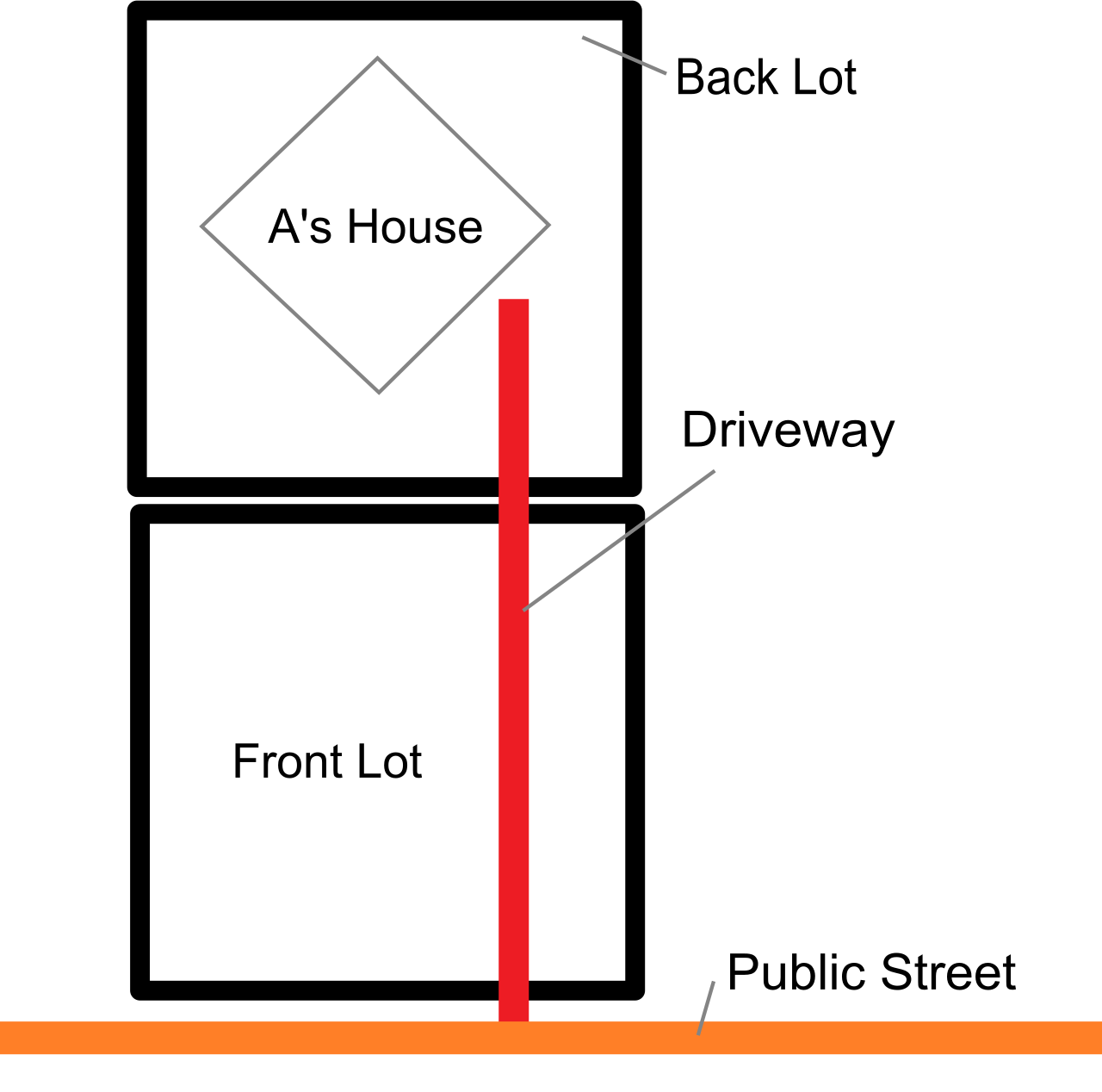
1. Easement Appurtenant An easement appurtenant is attached to the ownership of real estate and allows the owner of that property the use of a neighbor's land. An easement appurtenant requires two adjacent parcels of land owned by two different parties.
- The parcel of land that benefits from an easement appurtenant is known as the dominant tenement.
- The parcel of land over which an easement appurtenant runs is known as the servient tenement.
Because this right is tied to the land itself, an easement appurtenant transfers with the title of the dominant tenement forever. If you buy the dominant estate, you automatically buy the right to drive across your neighbor's driveway.
2. Easement in Gross An easement in gross is an individual or company interest in or right to use someone else's land. There is a servient tenement (the burdened land), but no dominant tenement.
- Commercial easements in gross may be assigned, conveyed, or inherited. A utility company has a commercial easement in gross to run power lines across your yard. If the utility company is bought by another corporation, the easement transfers.
- Personal easements in gross usually terminate on the death of the easement owner. If a property owner gives a specific individual the lifelong right to fish in their pond, that right cannot be sold to someone else and dies with the fisherman.
3. Easement by Necessity The law abhors landlocked property. An easement by necessity is created when an owner sells a parcel of land that has no legal access to a street or public way except over the seller's remaining land. Because an easement by necessity ensures the legal right of ingress and egress for a landlocked parcel, a court will force the creation of this easement to make the land usable.
4. Easement by Prescription Property rights reward those who use land and penalize those who sleep on their rights. An easement by prescription is acquired when a claimant has used another's land for a continuous, open, notorious, and hostile period defined by state law. A prescriptive easement requires the use of the land to be without the property owner's permission. If you drive across a corner of your neighbor's farm every day for twenty years to reach the highway, and the neighbor never stops you or grants you formal permission, you may legally acquire a permanent right to keep doing it.
5. Rights of Way A right of way is a specific type of easement allowing passage over another person's land. Public rights of way are easements that allow the general public to travel across a specific portion of a property, such as a public sidewalk cutting through the front edge of a private lawn.
Terminating an Easement Easements are persistent, but they are not immortal. They can be extinguished in several ways:
- An easement terminates when the need for the easement no longer exists (e.g., a new public road is built, ending an easement by necessity).
- An easement terminates when the owner of the dominant tenement or the servient tenement becomes the sole owner of both properties. The merging of a dominant tenement and a servient tenement under a single owner extinguishes an existing easement appurtenant, because you cannot have an easement over your own land.
- An easement terminates by the release of the right of easement to the owner of the servient tenement.
- An easement terminates upon the legal abandonment of the easement (requires intentional action, not just ignoring it).
- An easement terminates by the continuous nonuse of a prescriptive easement.
Licenses: The Fragile Permission
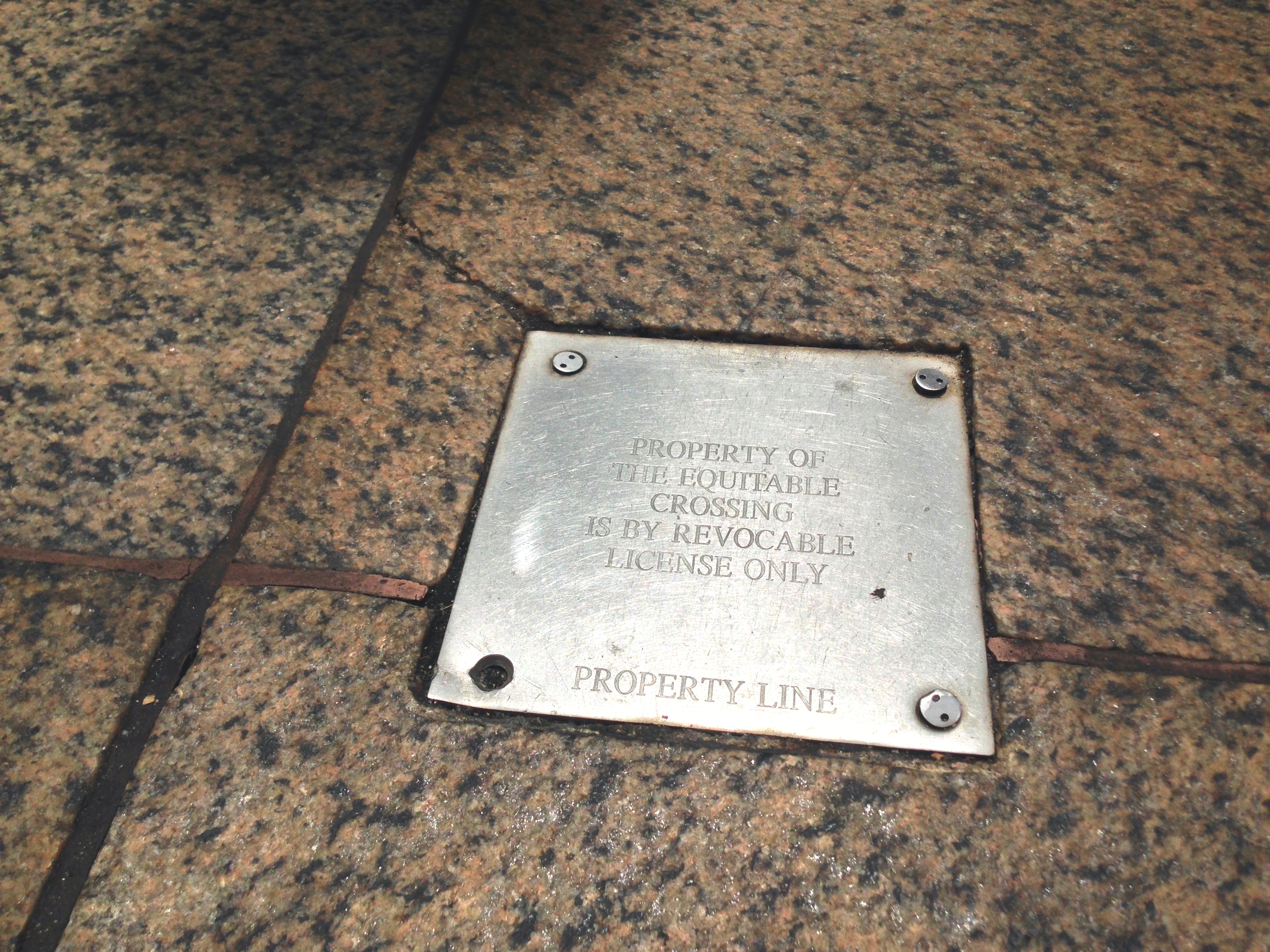
It is vital to distinguish an easement from a license. A license is a personal, revocable privilege to enter the land of another for a specific purpose.
Unlike an easement, a license does not run with the land and is generally not considered an encumbrance. It is entirely at the mercy of the property owner. A license can be terminated or canceled at any time by the owner of the property. Furthermore, a license ends automatically with the death of either party, and it ends automatically with the sale of the land by the licensor. A movie theater ticket or permission to hunt deer on a farmer's land for one weekend are classic examples of licenses.
Encroachments: The Physical Intrusion
An encroachment occurs when a building, fence, or driveway illegally extends beyond the boundaries of the land of its owner. It is an unauthorized physical intrusion on a neighboring property.
Encroachments are typically disclosed by a physical inspection of the property or a spot survey. If a buyer's survey reveals the neighbor's garage sits one foot over the property line, this is an encroachment. The severe danger of an encroachment is time: an encroachment that remains unchallenged for a state's prescriptive period can give rise to an easement by prescription.
Beyond liens and easements, a title search may reveal other forms of encumbrances and title defects.
Leases
A lease is an encumbrance because a lease limits the property owner's right to possess and use the property. When a property is sold, the new owner generally purchases it subject to the existing leases. The tenant's right to occupy the space encumbers the landlord's right to use it.
Private Land Use Controls
Local zoning codes are public land use controls. However, private parties can also restrict land use.
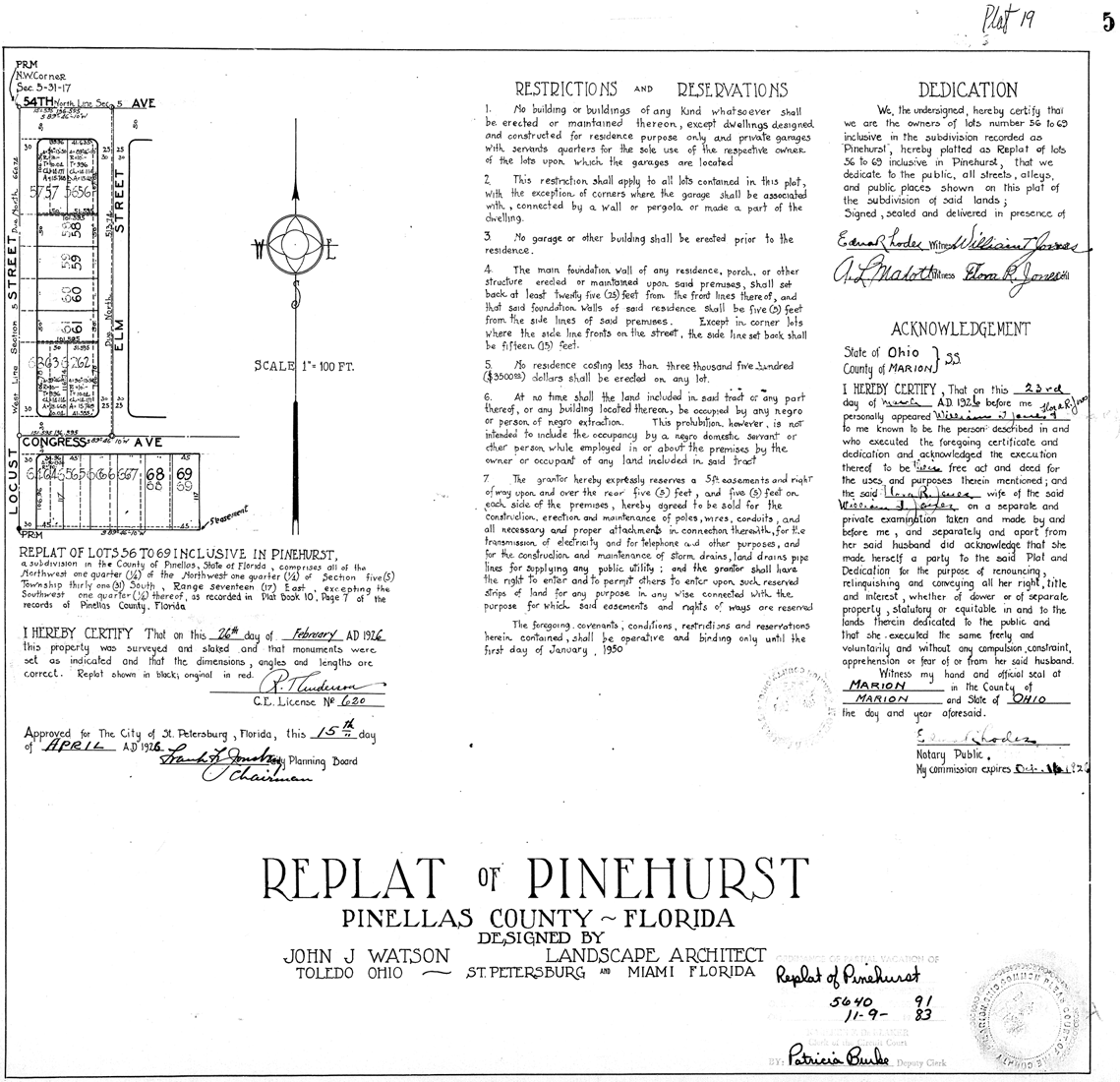
- Deed restrictions are private agreements that affect land use, and they are encumbrances that run with the land. A seller might include a restriction in the deed prohibiting the sale of alcohol on the premises forever.
- Covenants, conditions, and restrictions (CC&Rs) are private limitations on the use of land typically established by a real estate developer. These are the rules governing Homeowners Associations (HOAs), dictating everything from acceptable paint colors to whether a homeowner can park a commercial vehicle in the driveway.
Notice of Litigation and Probate
- Lis Pendens: A lis pendens is a notice filed in the public record of a pending legal action affecting the title to or possession of a property. While a lis pendens is not a lien, but rather a public notice of a potential future lien, its effect is severe. A lis pendens creates a cloud on the title of the property, warning any prospective buyer that if they purchase the real estate, they do so subject to the outcome of the lawsuit.
- Probate: A pending probate proceeding can encumber a property's title by clouding ownership during the estate settlement. Until the court validates the will and the executor distributes the assets, clear title cannot be transferred to a new buyer.
Adverse Possession: The Ultimate Encumbrance
While an easement by prescription steals the use of a property, adverse possession steals the property itself. Adverse possession is a legal mechanism where an individual acquires title to a property by occupying the property without the owner's permission.
To succeed, adverse possession requires the possessor's use of the property to be continuous, hostile, open, notorious, and exclusive. If these conditions are met for the duration of the state's statutory period, a successful adverse possession claim extinguishes the original owner's title and transfers ownership to the adverse possessor.
In the day-to-day reality of a real estate salesperson, encumbrances form the core of the negotiation and closing process. When the preliminary title report arrives, it is a map of the property's encumbrances.
A buyer has choices. A buyer can assume existing encumbrances when purchasing a property—such as agreeing to abide by the neighborhood CC&Rs, accepting the utility easement in the backyard, or legally taking over an existing tenant's lease.
Conversely, a buyer can negotiate for the seller to clear encumbrances prior to a real estate closing. If the title report reveals an old $15,000 mechanic's lien or a $5,000 special assessment for sidewalk paving, the buyer's agent will typically demand the seller use the proceeds of the sale to pay off and remove these financial encumbrances before the deed is recorded.
By mastering the mechanics of liens, easements, and encroachments, you protect your client from inheriting invisible strings that choke their finances or restrict their use of the land they call their own.