Title Searches, Insurance, and Marketable Title
Not sure you’re ready?
Take the ~3-minute readiness diagnostic and see where you stand.
Imagine handing over a million dollars for a piece of land, only to discover weeks later that the seller never actually owned it. In real estate, physical possession of property is an illusion if it is not backed by an unbroken, legally verifiable lineage of ownership. When a client signs a purchase agreement, they are not merely buying a house; they are purchasing a bundle of legal rights. If those rights are encumbered by a forgotten mortgage, a forged deed from three decades ago, or an unrecorded mechanic's lien, the physical structure offers no protection against financial ruin. This fundamental vulnerability is why the systems of title searches, public recordation, and title insurance exist: to transform the chaotic history of human transactions into a secure, transferrable asset.
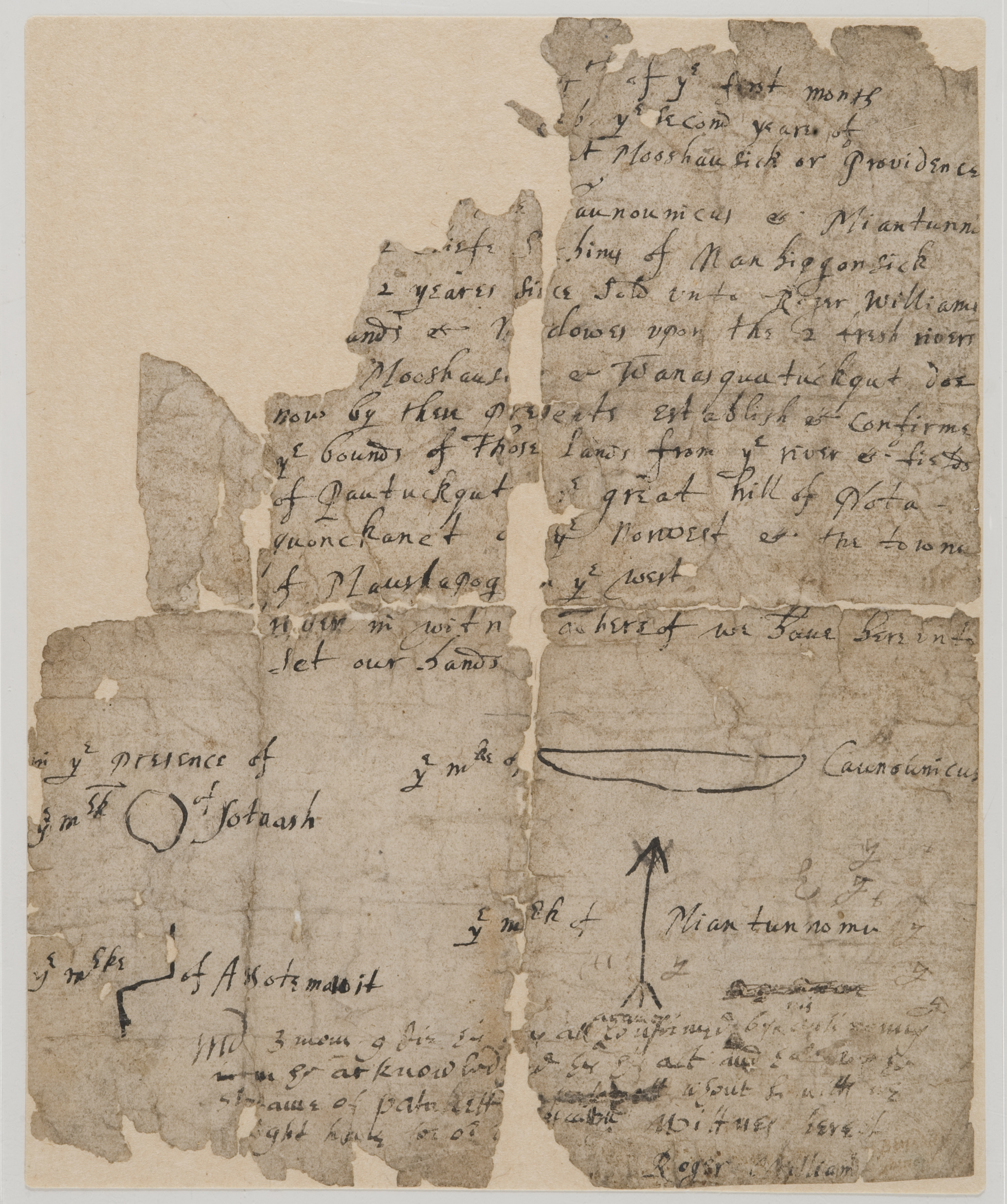
To understand how we prove ownership, we must first understand how the law recognizes information. Property law relies on a dual system of "notice"—a framework determining what a buyer or an agent is legally expected to know about a property.
Constructive notice is the legal presumption that information is publicly available through officially recorded documents. You do not need to have actually read a document to be bound by it; the fact that it is available in the public square is enough. For example, recording a deed in the county public records provides constructive notice of property ownership to the general public. Once that deed is filed, the entire world is legally presumed to know who owns the property.
In contrast, actual notice involves direct, explicit knowledge of a specific fact regarding property ownership or condition. You gain actual notice through firsthand observation or direct communication. To illustrate, a real estate buyer attains actual notice of a property's physical condition by personally inspecting the premises. If your buyer walks through a home and sees a tenant living in the basement, they have actual notice of a potential leasehold interest, regardless of whether a lease was ever recorded at the county courthouse.

Before a transaction can safely close, we must verify exactly what the seller is selling. This is achieved through a title search, which is an examination of public records to determine the legal ownership of a specific property.
When a title examiner pores over these county records, they are looking for two distinct things: the lineage of ownership and any attached baggage. Primarily, a title search identifies recorded defects, liens, and encumbrances on a real estate parcel.
The Chain and the Abstract
The goal of the search is to reconstruct the chain of title, which is the continuous historical record of property ownership transfers. Think of it like a relay race: Grantor A passes the baton to Grantee B, who becomes Grantor B and passes it to Grantee C.

As the examiner pulls these historical deeds, mortgages, and tax records, they compile them into an abstract of title. An abstract is a condensed written summary of all recorded documents affecting a specific property. It is essentially the property's historical biography.
However, a biography is just a story; it is not a legal guarantee. An abstract of title does not guarantee or ensure the legal validity of a property title. To determine if the property is actually safe to purchase, the abstract must be analyzed by a legal expert. This results in an attorney's opinion of title, which is a legal professional's written evaluation of an abstract of title. The attorney reviews the historical summary and issues a verdict on the current state of ownership.
Breaks in the Chain: Clouds and Gaps
History is rarely perfect. During the title search, examiners frequently encounter issues that compromise the property's integrity.
A cloud on a title is any claim, lien, or encumbrance that impairs the legal ownership of a property. This could be an unpaid property tax bill, an unresolved mortgage from 1995, or an easement granted to a neighbor.
A far more serious issue occurs when the relay race of ownership drops the baton. A gap in the chain of title creates a cloud on the property title. For example, the records might show ownership transferring from Smith to Jones in 1980, but the next recorded deed is from Williams to Davis in 1992. How did Williams get the property from Jones? That missing link is a gap.
How we resolve these clouds depends on their severity:
- Minor Clouds: If a defect is largely administrative—such as a misspelled name or an ex-spouse who never formally relinquished their claim after a divorce—a quitclaim deed is frequently used to remove minor clouds on a property title without requiring a lawsuit. The party simply "quits" any potential claim they might have, clearing the way.
- Major Gaps: A missing historical link cannot be fixed with a simple signature. A gap in the chain of title must be resolved by initiating a suit to quiet title. A suit to quiet title is a court action used to establish property ownership and remove title defects. The judge hears the evidence, issues a ruling "quieting" all other claims, and legally bridges the gap.
For an aspiring real estate salesperson, understanding the required quality of the title is paramount, because it directly dictates whether a contract can be enforced.
The gold standard is marketable title. This is a property ownership interest free from reasonable doubt or the threat of impending litigation. It means a reasonably prudent buyer would accept the property without fear of having to defend their ownership in court. Why is this critical to your day-to-day transactions? Because a real estate buyer can be legally forced to complete a purchase if the seller provides a marketable title. If the title is marketable, the buyer cannot use "title issues" as a loophole to breach the purchase agreement.
Sometimes, a title falls short of being completely marketable but is still functional. Insurable title means a title insurance company is willing to provide coverage on the property despite the presence of a known title defect. For example, there might be a decades-old technical violation of a building setback line. The title isn't perfectly "marketable" because a technical defect exists, but a title company calculates the risk of an actual lawsuit to be nearly zero and agrees to insure the transaction anyway. Warning for the exam: A buyer whose contract explicitly demands marketable title cannot be forced to close if the seller only provides insurable title.
Even a flawless title search and a brilliant attorney's opinion cannot protect a buyer against hidden defects—things that are not in the public record, such as a forged signature on a past deed, or a previous grantor who was secretly legally incompetent.
This is where insurance steps in. Title insurance protects real estate buyers and mortgage lenders against financial loss from hidden defects in a property title.
Title insurance operates completely differently from auto or health insurance. First, consider the timeline. Auto insurance charges you to protect against future accidents. Conversely, title insurance exclusively protects against past title defects that occurred before the policy issue date. It is a time machine, shielding you from the ghosts of previous owners.
Because it protects against the past rather than the ongoing future, the payment structure is also unique: title insurance premiums are paid as a single, one-time fee at the real estate closing.
Comparing Policies: Owner's vs. Lender's
When a property is financed, two distinct title insurance policies are typically issued at closing. They protect different parties and behave in fundamentally different ways.
| Feature | Owner's Title Insurance Policy | Lender's Title Insurance Policy |
|---|---|---|
| Primary Function | Protects the buyer's equity in the property up to the total purchase price. | Protects the mortgage lender's financial interest in the property. |
| Duration of Coverage | Remains in effect as long as the insured party or their heirs own the property. | Terminates when the associated mortgage loan is fully paid off. |
| Coverage Dynamics | The coverage amount remains constant (or increases with inflation riders). | The coverage amount of a lender's title insurance policy decreases as the mortgage loan principal is paid down. |
Analogy: Imagine buying a $500,000 home with a $400,000 mortgage. The owner's policy protects the full $500,000 value for the buyer's lifetime. The lender's policy starts at $400,000. As the buyer pays off the loan over 30 years, the bank's risk shrinks. When the loan balance drops to $250,000, the lender's policy coverage drops to $250,000. When the final payment is made, the lender's policy vanishes entirely.
Levels of Coverage: Standard vs. Extended
Not all policies cast the same safety net. The American Land Title Association creates standardized title insurance policy forms used widely across the United States (often referred to as ALTA policies), which generally fall into two coverage tiers:
- Standard Title Insurance Policy: This is the baseline. A standard title insurance policy covers recorded title defects, forged documents, and incompetent grantors. It protects against the most common systemic failures in the paperwork.
- Extended Title Insurance Policy: This is the premium tier, often required by mortgage lenders. An extended title insurance policy covers unrecorded title defects such as unrecorded mechanics' liens. Furthermore, it covers defects that are discoverable only through a physical property inspection or survey. If a neighbor's garage is secretly built two feet over the property line (an encroachment), a standard policy won't care because it isn't in the county paperwork. An extended policy will cover it.

The Mechanics of Payouts: Subrogation
Suppose an escrow agent makes a negligent error resulting in a massive title defect, costing your buyer $50,000. The buyer files a claim, and their title insurance company pays them the $50,000. Can the buyer now sue the negligent escrow agent for another $50,000?
No. Once the insurance company makes the buyer whole, they invoke a clause called subrogation. Subrogation is the legal process where a title insurance company assumes the insured party's right to sue a third party. By stepping into the buyer's shoes, the insurance company goes after the escrow agent to recoup the money they just paid out. Fundamentally, subrogation prevents an insured property owner from collecting compensation twice for the exact same title defect.
Throughout this discussion, we have relied on the public recordation system—a messy, decentralized method of tracking thousands of individual deeds and hoping they form a cohesive chain.
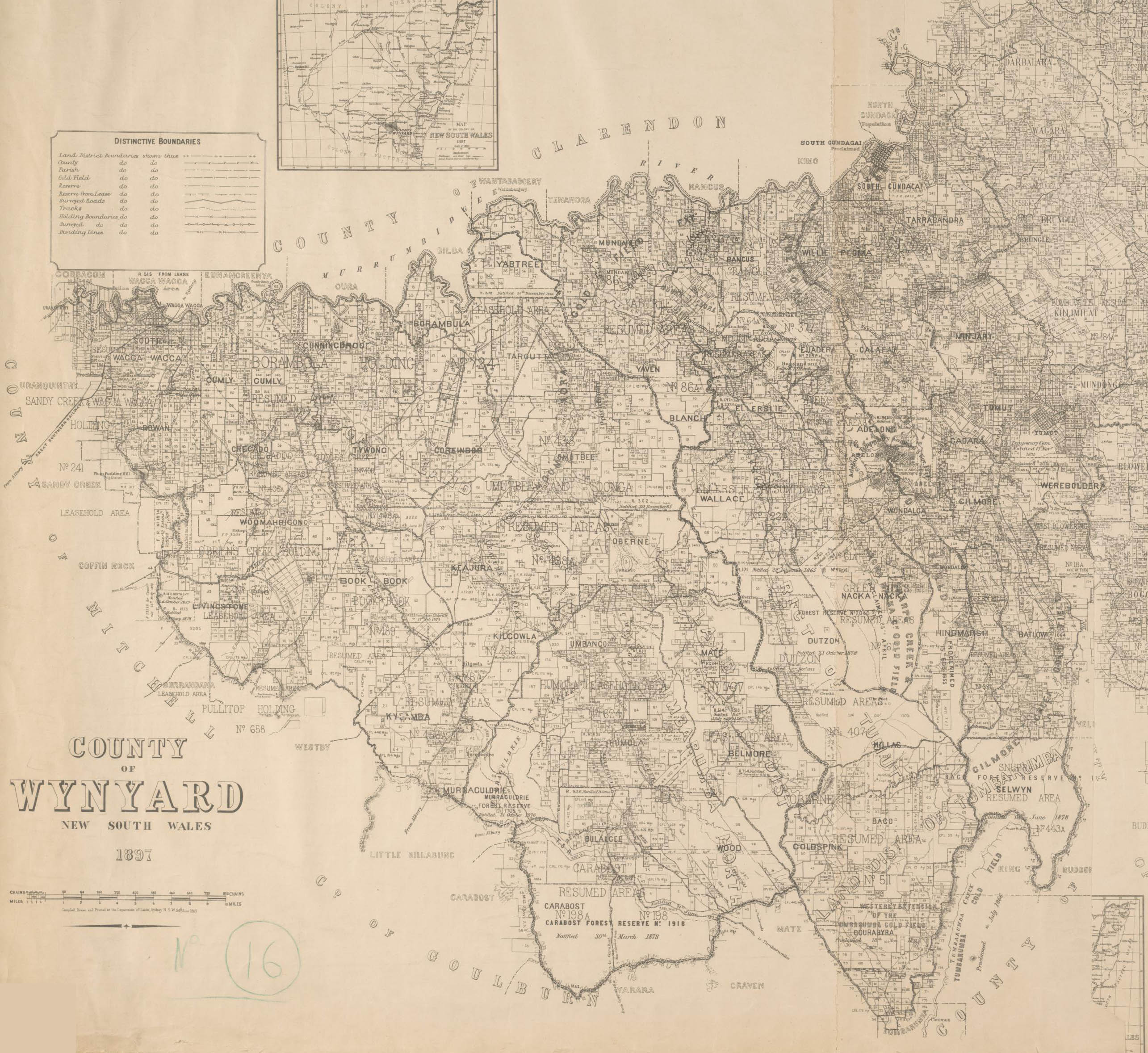
There is an alternative. Developed in Australia and adopted in a few American regions, the Torrens system treats real estate more like a car title. Instead of searching historical documents to prove ownership, the state acts as the ultimate guarantor.
Under this framework, a Torrens certificate is a government-issued document that provides absolute proof of property ownership. If your name is on the certificate, you own the property. Period. There is no need for a massive historical abstract or a suit to quiet title against decades-old claims. However, because transitioning millions of parcels to this system requires massive administrative overhaul, the Torrens system of land registration is only utilized in a limited number of United States jurisdictions.
For the national exam, master the traditional system of constructive notice, title searches, and insurance policies. Understanding how we verify, clean, and insure the chain of ownership is what ensures that when you hand your client the keys, they truly own the land beneath their feet.