Virginia Residential Property Disclosure
Not sure you’re ready?
Take the ~3-minute readiness diagnostic and see where you stand.
A buyer walks into a half-million-dollar transaction expecting the seller to hand over an exhaustive dossier detailing every creaking floorboard, leaky pipe, and drafty window. In reality, the legal doctrine governing residential real estate in Virginia shifts the entire burden of discovery squarely onto the buyer’s shoulders. Virginia operates under a system where silence is the default and disclosure is the heavily regulated exception. Understanding exactly where that silence ends, and where the law mandates a seller to speak, is the fundamental geometry of every real estate transaction in the Commonwealth.
Virginia follows the legal doctrine of caveat emptor in residential real estate transactions. The Latin phrase caveat emptor translates directly to buyer beware.
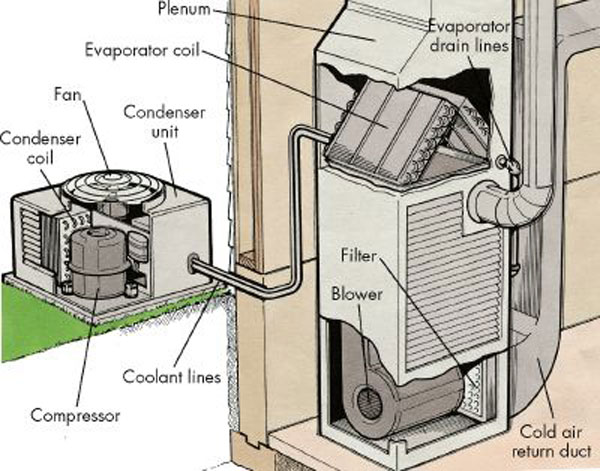
To understand how this operates in practice, you must abandon the assumption that a seller is a guarantor of the property's quality. Under the Virginia caveat emptor doctrine, the seller makes absolutely no representations regarding the physical condition of the property. If the roof is nearing the end of its life, or the HVAC system wheezes during the summer, the seller is under no general obligation to volunteer this information.
Consequently, the buyer is solely responsible for exercising due diligence to determine a property's physical condition in Virginia. As a real estate professional, your role is to ensure your buyer understands they must hire the home inspector, scope the sewer lines, and check the structural integrity themselves. You are guiding them through a landscape where they are the primary investigators of their own investment.
While caveat emptor is the baseline, it is not absolute anarchy. The Virginia Residential Property Disclosure Act is the specific statute that governs the information owners must disclose to prospective purchasers.
As a licensee, one of your primary statutory duties is that real estate licensees must inform buyers and sellers of their respective rights and obligations under the Virginia Residential Property Disclosure Act. You cannot simply hand them the forms; you must ensure they comprehend the rules of the game.
Scope of the Act
Who has to play by these rules? The Virginia Residential Property Disclosure Act casts a wide net. It applies to:
- Residential real property consisting of one to four dwelling units.
- A lease with an option to buy residential property.
- Installment land sales contracts (also known as contracts for deed).
Interestingly, the law applies to the property owner regardless of their professional representation. The Virginia Residential Property Disclosure Act applies even if the transaction does not involve a licensed real estate agent (such as a For Sale By Owner transaction).

When a new agent hears "disclosure statement," they typically envision a sprawling, multi-page checklist where the seller checks boxes indicating whether the plumbing leaks or the foundation settles. This intuition is completely wrong in Virginia.
The seller does not fill out a checklist detailing the property's physical condition on the Virginia Residential Property Disclosure Statement.
Instead, a seller must provide a Virginia Residential Property Disclosure Statement Acknowledgement form to the purchaser. This form is essentially a piece of paper wherein the buyer acknowledges that the seller is telling them almost nothing. The Virginia Residential Property Disclosure Statement directs the purchaser to the Real Estate Board's website to review the actual statutory disclosures.
When the buyer goes to that website, they will read a long list of things the seller is not responsible for. Specifically, the Virginia Residential Property Disclosure Act states the seller makes no representations regarding:
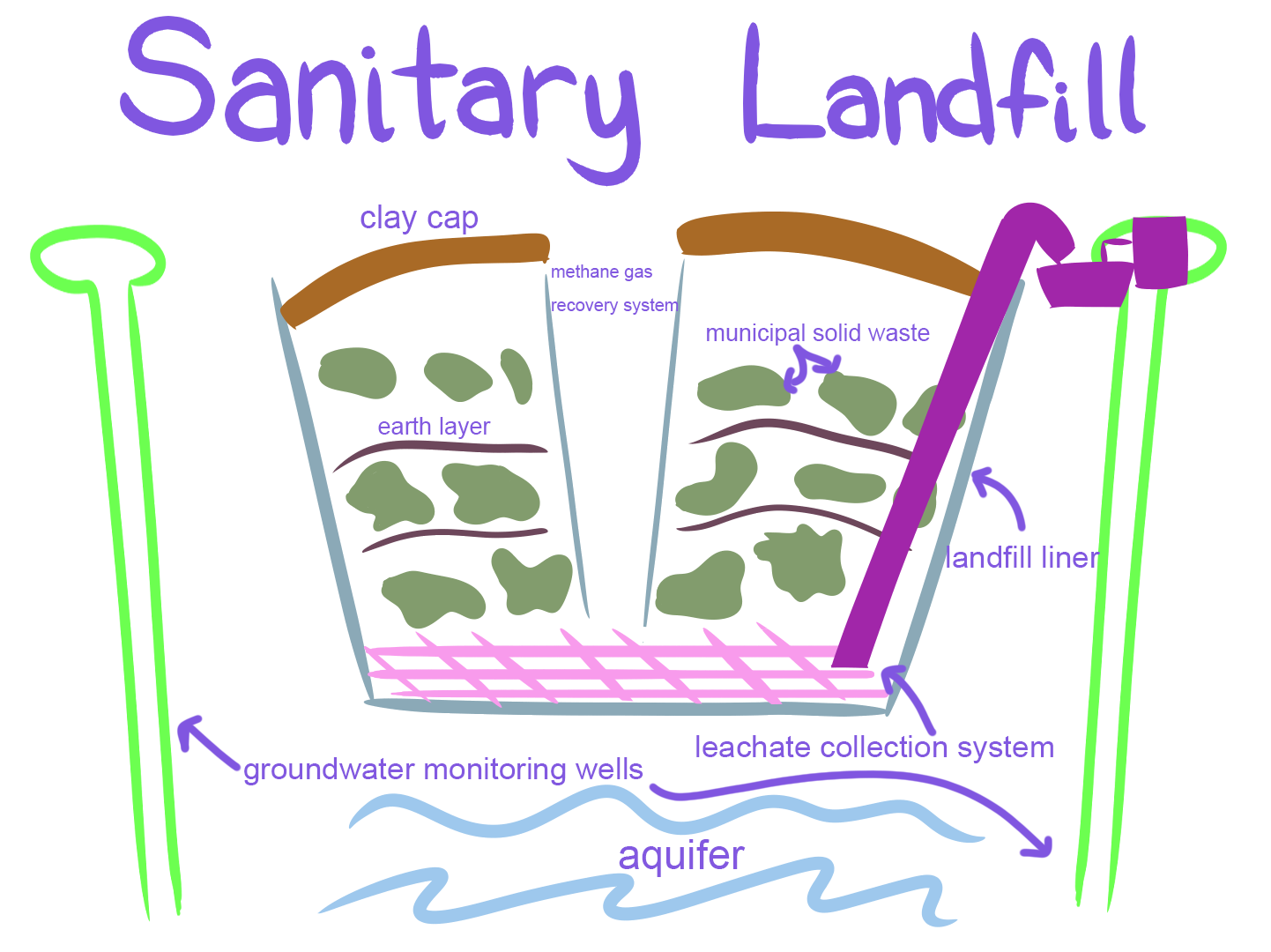
- Adjacent parcels: (The seller makes no representations regarding parcels adjacent to the subject property. If the buyer wants to know if a landfill is being built next door, the buyer must check the county zoning records.)
- Historic boundaries: (The seller makes no representations regarding historic district boundaries, which might restrict how the buyer can renovate the exterior.)
- Sex offenders: (The seller makes no representations regarding registered sex offenders in the area. The buyer must check the registry themselves.)
- Environmental restrictions: (The seller makes no representations regarding the presence of resource protection areas, like Chesapeake Bay Preservation Act boundaries.)
Because the disclosure statement fundamentally outlines the buyer's burden of due diligence, the buyer needs this information before they legally bind themselves to buy the house.
The seller must provide the Virginia Residential Property Disclosure Statement to the buyer prior to the ratification of the real estate purchase contract.
What happens if the seller or their agent forgets, and the contract is ratified without the buyer receiving the form? The law provides the buyer with a powerful escape hatch. If a buyer receives the Virginia Residential Property Disclosure Statement after contract ratification, the buyer obtains a right to terminate the contract. Crucially, a buyer can terminate a real estate contract without penalty if the required disclosure statement is delivered after contract ratification. This means they get their earnest money deposit back in full.
However, this termination right acts as a ticking clock with strict parameters based on the method of delivery:
| Method of Late Delivery | Termination Window for the Buyer |
|---|---|
| Hand-Delivered | A buyer must terminate the contract within three days of receiving a late property disclosure statement if the statement is hand-delivered. |
| Electronic Delivery | A buyer must terminate the contract within three days of receiving a late property disclosure statement if the statement is delivered electronically (e.g., via email or DocuSign). |
| United States Mail | A buyer must terminate the contract within five days of the postmark if a late property disclosure statement is delivered by United States mail. |
Warning: This escape hatch is not infinite. A buyer loses the right to terminate a contract for a late property disclosure upon settlement of the transaction. Furthermore, a buyer loses the right to terminate a contract for a late property disclosure upon occupancy of the property (e.g., if they move in early under an interim lease). Once the keys cross the table or the buyer moves in, the leverage is gone.
In physics, certain environments are perfectly insulated from outside forces. In law, we have exemptions. Not every transfer of real estate requires the Virginia Residential Property Disclosure Statement. The law recognizes that certain transactions are either administrative, forced, or occurring between parties who already know the property (or each other) intimately.
The following transfers are exempt from the Virginia Residential Property Disclosure Act:
- Transfers of real estate pursuant to a court order (e.g., an estate settlement by a probate court).
- Transfers of real estate resulting from a divorce decree.
- Transfers of real estate by a trustee in bankruptcy.
- Transfers of real estate at a foreclosure sale.
- Transfers of real estate by eminent domain (the government taking the property).
- Transfers of real estate between co-owners.
- Transfers of real estate between spouses.
- Transfers of real estate between relatives in the direct line of consanguinity (blood relatives like grandparents, parents, children, and grandchildren).
There is one specialized exemption regarding modern developments: Transfers of new residential home construction are exempt from the standard Virginia Residential Property Disclosure Statement requirements. (Note: New construction has its own specific, separate disclosure requirements regarding builder warranties and mechanic's liens, which is why it is carved out of the standard resale form).
While caveat emptor allows the seller to remain silent on general physical conditions, the Virginia legislature has identified highly specific, specialized hazards that completely flip the script. For these specific issues, silence is legally construed as fraud.
A Virginia seller must explicitly disclose the presence or existence of the following specific conditions if they have actual knowledge of them:
- Defective Drywall: A Virginia seller must explicitly disclose if the property contains defective drywall (often associated with high-sulfur imported drywall that corrodes copper wiring and HVAC coils).
- Methamphetamine Labs: A Virginia seller must explicitly disclose if the property was previously used to manufacture methamphetamine and was not properly remediated according to state guidelines.
- Code Violations: A Virginia seller must explicitly disclose any pending building code violations on the property.
- Zoning Violations: A Virginia seller must explicitly disclose any pending zoning ordinance violations on the property.
- Military Noise Zones: A Virginia seller must explicitly disclose if the property is located in a military air installation noise zone.
- Military Accident Zones: A Virginia seller must explicitly disclose if the property is located in a military air installation accident potential zone.
- Stormwater Management: A Virginia seller must explicitly disclose if the property contains a privately owned stormwater management facility (such as a retention pond requiring private maintenance).
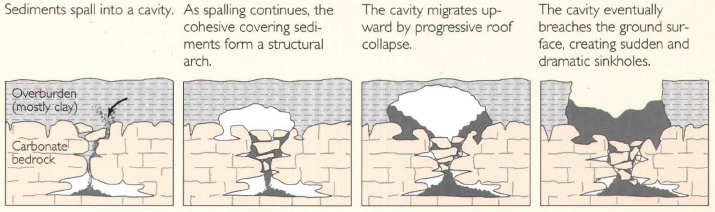
- Sinkholes: A Virginia seller must explicitly disclose the presence of any known sinkhole on the property.
- Tourism Zones: A Virginia seller must explicitly disclose if the residential property is subject to a tourism activity zone (which might subject the property to parades, heavy traffic, or specialized noise ordinances).
Finally, because water damage is incredibly destructive and insurance can be highly localized, a Virginia seller must provide a separate Flood Risk Information Form to prospective purchasers, ensuring buyers are prompted to investigate flood zones and insurance availability.
We must distinguish between a property with a physical defect (like a cracked foundation) and one with a psychological defect. When a property's value or desirability is negatively impacted by an event that occurred there, it is known as a stigmatized property.
Virginia law classifies properties where a murder occurred as stigmatized properties. Virginia law classifies properties where a suicide occurred as stigmatized properties. Fascinatingly, Virginia law even classifies properties believed to be haunted as stigmatized properties.
How does the law handle these psychological defects? It leans heavily on caveat emptor. A Virginia seller is not legally required to disclose that a property is stigmatized by an act of murder or a felony. Similarly, a Virginia seller is not legally required to disclose that a property is stigmatized by a suicide. If a ghost supposedly roams the halls, or a horrific crime took place in the basement, the seller can remain perfectly silent.
The Agent's Duty Regarding Stigmas
While the seller can remain silent, the real estate licensee is bound by ethical and legal standards of honesty. A real estate licensee must answer truthfully if a buyer specifically asks about a known, non-protected property stigma.
- Scenario: If you are the listing agent and the buyer asks, "Did someone die in this house?", and you know they did, you cannot lie. You must answer truthfully.
The Fair Housing Firewall
There is one monumental exception to this rule of answering truthfully, and it lies at the intersection of stigmas and federal civil rights.
The HIV or AIDS status of a prior occupant is a protected class under Fair Housing laws rather than a standard property stigma. It is classified under the handicap/disability protection. Because of this paramount federal civil rights protection, a real estate licensee cannot disclose if a prior occupant had HIV or AIDS under any circumstances.
- Scenario: Even if the buyer directly looks you in the eye and asks, "Did the previous owner have HIV?", you are legally prohibited from answering that question. To do so would violate Fair Housing law.
Given the complexity of what must be disclosed (sinkholes, meth labs) versus what can be hidden (murders, broken HVACs), what is your liability if your seller lies?
Imagine your seller has knowledge of a pending zoning violation but fills out the mandatory disclosure claiming no such violation exists. You process the paperwork and pass it to the buyer. Are you, the agent, liable for the seller's deception?
The law provides a clear shield for the agent, provided they are not complicit in the deception. A real estate licensee is not held liable for a seller's false disclosure statement if the licensee did not know the statement was false. Your duty is to inform the seller of their obligation to be truthful regarding the mandatory exemptions. You are not required to act as a private investigator verifying their claims. As long as you operate with honest intentions and do not conceal known material facts, the liability for a fraudulent disclosure rests squarely on the shoulders of the seller.