WA Licensing Requirements, Renewal & Education
Not sure you’re ready?
Take the ~3-minute readiness diagnostic and see where you stand.
The transfer of real estate is not merely a commercial transaction; it is a profound legal event. When you facilitate the exchange of a piece of the Earth, you are engaging with centuries of property law, intricate financial mechanics, and the foundational economic security of your clients. Because the stakes are extraordinarily high, the State of Washington does not leave this machinery to amateurs. It constructs a rigorous, heavily monitored gateway. Chapter 18.85 of the Revised Code of Washington (RCW) and Chapter 308-124A of the Washington Administrative Code (WAC) dictate precisely who may operate in this space, how they must be educated, and how they are monitored. Understanding these regulations is not a bureaucratic exercise in memorization—it is the bedrock of your professional legitimacy.
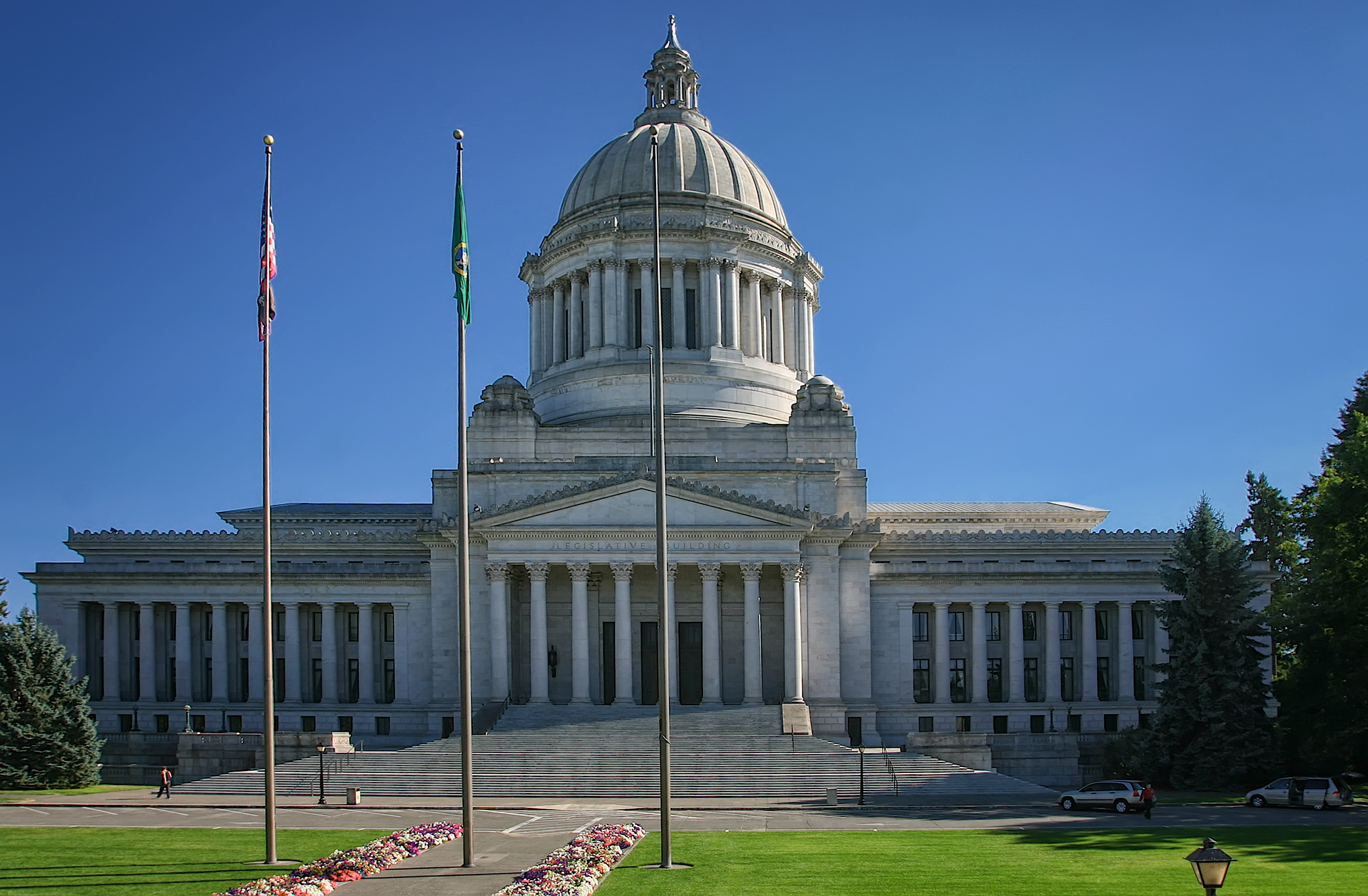
In physics, a threshold is the minimum energy required to initiate a reaction. In Washington law, the threshold for real estate licensure is defined by the nature of the activity and the presence of compensation.
Fundamentally, negotiating, listing, selling, buying, or exchanging real estate for compensation requires a real estate broker license. The law extends this requirement far beyond the traditional residential home sale. For instance, property management services performed for compensation require an active Washington real estate broker license. Why? Because property management involves handling trust funds, signing legally binding lease agreements, and protecting a vital asset on behalf of a principal.
Furthermore, if you are negotiating the sale of a business opportunity that includes real estate, you cross the threshold: a Washington real estate broker license is required. The inclusion of real property instantly subjects the transaction to real estate licensing laws, even if the primary asset changing hands is a commercial enterprise.
Statutory Exemptions
The law recognizes that not every real estate transaction requires a state-appointed guardian. The fundamental principle is that individuals have an inherent right to dispose of their own property. Therefore, property owners selling or leasing their own property are exempt from Washington real estate licensing requirements.
Similarly, attorneys acting in the performance of their legal duties are exempt from Washington real estate licensing requirements. Their existing legal licensure and fiduciary obligations already bind them to a higher standard of care. Finally, resident managers managing an apartment complex under a licensed broker or property owner are exempt from Washington real estate licensing requirements, as their duties are tightly prescribed and heavily supervised by the ultimate license holder or property owner.
Unlike states that utilize a "salesperson" designation, Washington elevates its entry-level practitioners by designating them as Brokers. Earning this title requires satisfying strict demographic, educational, and examination criteria.
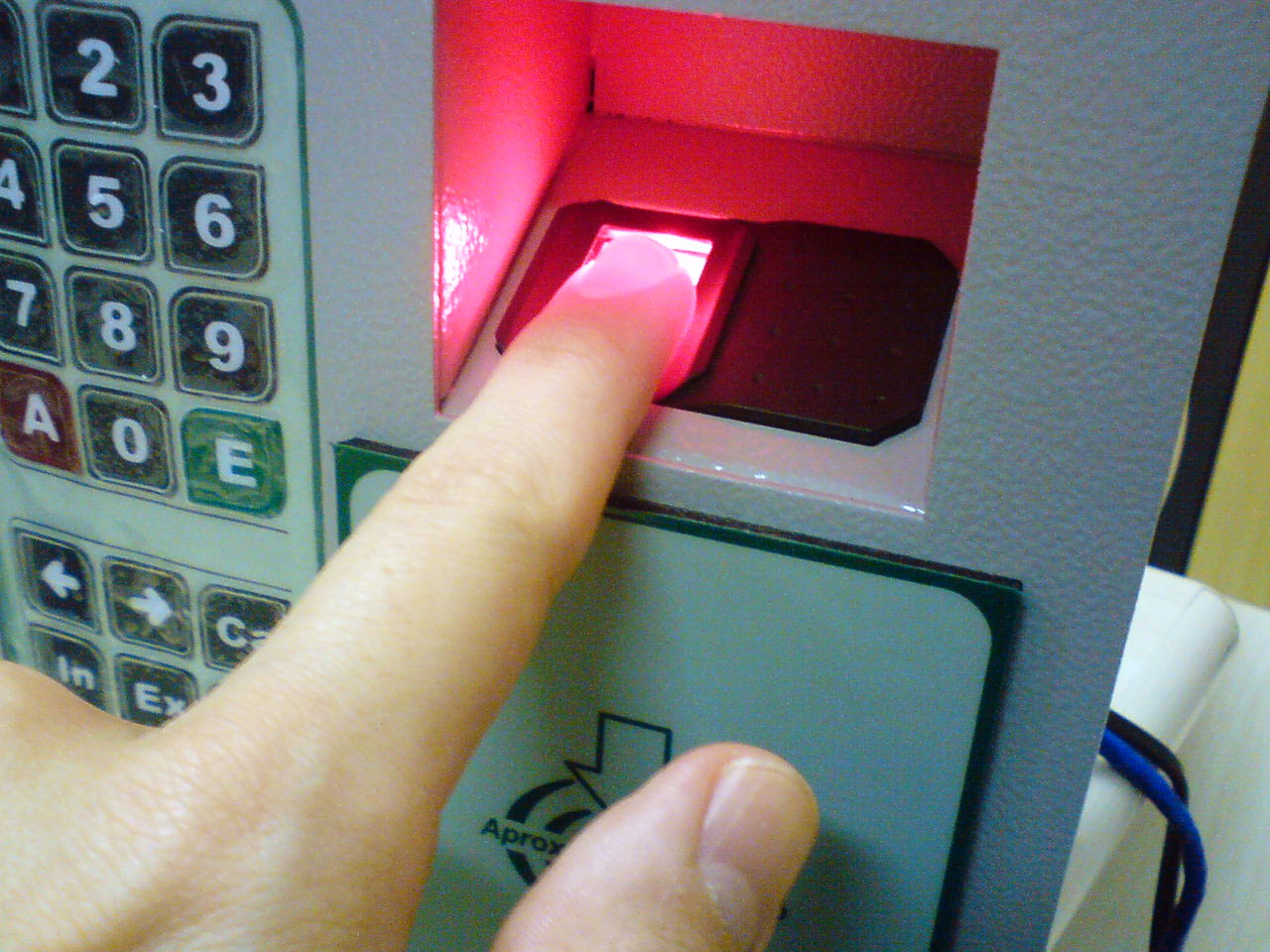
To begin, an applicant must be at least 18 years old and hold a high school diploma or its equivalent to qualify for a Washington real estate broker license. Because brokers are immediately placed in positions of financial and legal trust, a Washington real estate broker applicant must submit a fingerprint-based background check to the Department of Licensing. This is not a one-time clearance; the state monitors character continually, meaning a Washington real estate licensee must renew their fingerprint-based background check results every six years.
Pre-License Education and the Examination
Before approaching the testing center, a Washington real estate broker applicant must complete 90 hours of approved pre-license education. This curriculum is strictly bifurcated to ensure both theoretical understanding and practical readiness:
- 60-hour Real Estate Fundamentals course: The architecture of property rights, contracts, and agency law.
- 30-hour Real Estate Practices course: The mechanical application of those laws in a real-world transaction.
Crucial Timing: All required Washington pre-license education must be completed within two years before applying for the real estate broker examination. The state demands fresh knowledge; educational credits age out quickly.
The Washington real estate broker examination consists of a state portion and a national portion. To succeed, a Washington real estate broker candidate must pass both portions of the licensing examination within six months of each other. If you are strong on national principles but stumble on Washington-specific statutes, a candidate who passes only one portion of the Washington broker exam needs to retake only the failed portion within the six-month window.
Once the exam is conquered, the clock starts ticking again. An applicant has exactly one year from the date of successfully passing the Washington broker examination to apply for their real estate license.
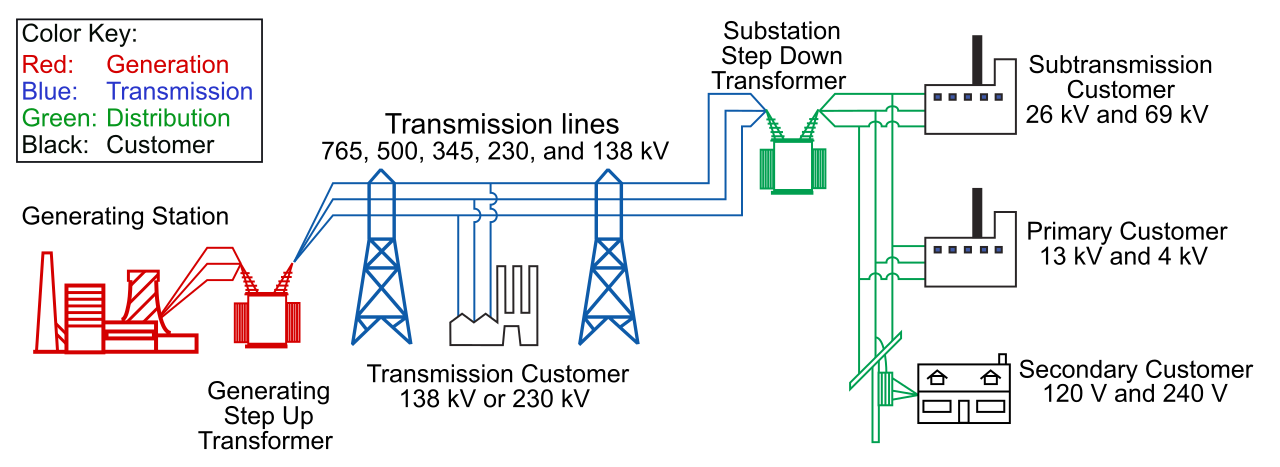
While Washington calls its entry-level practitioners "brokers," it does not allow them to operate independently. An active entry-level Washington real estate broker must be supervised by a licensed managing broker or designated broker. Furthermore, a Washington real estate broker must be affiliated with a licensed real estate firm to maintain an active license status. Think of the firm as the power grid and the broker as a lightbulb; without the physical connection (affiliation), no energy (real estate practice) can legally flow.
To ascend to the supervisory level and become a managing broker, the state requires proof of intense, lived experience. A Washington real estate managing broker applicant must have a minimum of three years of actual full-time real estate broker experience.
However, Washington makes allowances for adjacent, highly relevant professional experience. There are two acceptable substitutions:
- One year of full-time experience as a licensed attorney practicing in real estate transactions can substitute for the broker experience requirement.
- Five years of full-time experience as a licensed real property appraiser can substitute for the broker experience requirement for a Washington managing broker applicant.
In addition to experience, a Washington managing broker applicant must complete 90 hours of approved managing broker education. Because managing brokers oversee complex firm operations and the legal compliance of junior brokers, this 90-hour block is highly specialized:
- 30 hours of Brokerage Management
- 30 hours of Business Management
- 30 hours of Advanced Real Estate Law
Just like the entry-level education, this Washington managing broker pre-license education must be completed within three years before applying for the managing broker examination.
The Designated Broker
Every licensed Washington real estate firm must have a designated broker. A designated broker for a Washington real estate firm must hold an active managing broker license. They are the ultimate authority. The designated broker is ultimately responsible for all brokerage activities of the Washington real estate firm and the affiliated licensees. If an entry-level broker makes a critical error in a trust account, the designated broker answers to the Department of Licensing.
Because the designated broker carries ultimate liability, the mechanism for hiring and firing is instantaneous. When a broker's employment with a Washington real estate firm is terminated, the firm must immediately separate the broker's license from the firm.
At the exact moment of separation, the circuit is broken. Upon termination of an affiliation with a Washington real estate firm, a broker's license becomes inactive until the license is transferred to a new firm. There is no grace period for independent practice; you are either tethered to a firm's supervisory structure, or you are inactive.
Obtaining a license is a singular event; maintaining it is an ongoing commitment to competence. A Washington real estate broker license must be renewed every two years. A Washington real estate license renewal date is determined by the date the initial license was issued, not by your birthdate or a standard calendar year.
To ensure brokers are not penalized for proactive behavior, licensees can renew their Washington real estate license up to 120 days before the license expiration date. However, renewing a Washington real estate license late does not change the future two-year renewal dates for the licensee. The cycle is rigidly anchored to the original issuance date.
The First Active Renewal vs. Subsequent Renewals
Washington treats your first two years in the business as an extension of your initial education. Therefore, a Washington real estate broker must complete 90 clock hours of continuing education for their first active license renewal.
There is a critical caveat to this rule that catches many novices off-guard: Continuing education courses used for the first active Washington license renewal must be started after the issuance date of the first license. You cannot stockpile courses taken while you were studying for the exam.
After you survive the intense first renewal, the burden lessens. Subsequent active Washington real estate license renewals require 30 clock hours of continuing education every two years.
To prevent brokers from cramming 30 hours into the final weekend of a two-year cycle, the state mandates that at least 15 clock hours of continuing education must be completed within 24 months of the current Washington real estate license renewal date. If you are an aggressive learner, Washington rewards you: a Washington real estate licensee may carry forward up to 15 clock hours of unused continuing education from the previous renewal period to the current renewal period.
| Requirement | First Active Renewal (90 Hours Total) | Subsequent Active Renewals (30 Hours Total) |
|---|---|---|
| Advanced Practices | 30 hours | Not required |
| Real Estate Law | 30 hours | Not required |
| Core Curriculum | 3 hours (prescribed) | 3 hours (prescribed) |
| Fair Housing | 6 hours (WA RE Fair Housing) | 3 hours (WA RE Fair Housing) |
| Electives | 21 hours | 24 hours |
A license is a living legal instrument. It exists in various states of validity depending on your actions, your continuing education, and your payment of fees.
Inactive Status
Sometimes a broker wishes to step away from the industry temporarily. A Washington real estate broker can renew their license on an inactive status every two years by paying the renewal fee. The benefit here is immediate: Continuing education clock hours are not required to renew a Washington real estate license on an inactive status.
However, the Department of Licensing strictly prohibits gamesmanship. A Washington real estate broker must not place a license on inactive status solely to avoid continuing education or post-licensing requirements. When the broker decides to return, the piper must be paid. To reactivate an inactive Washington real estate license, a broker must complete specific continuing education requirements based on the length of the inactive period.
Expired and Canceled Status
If you simply forget to renew, the state's response is swift. A Washington real estate license status immediately shifts to expired if the license is not renewed by the expiration date. The legal implications are absolute: a Washington real estate broker cannot legally represent clients or earn commissions while their license is in an expired status. Any real estate activity performed on day one of expiration is unlicensed activity.
The state does offer a lifeline. A Washington real estate licensee has a one-year grace period to renew an expired license by completing requirements and paying a late penalty.
If you allow that year to elapse, the situation turns grave. A Washington real estate license is designated as canceled if the license remains expired for more than one year without being renewed.
Recovering a canceled license requires significant friction, determined by how long it has been canceled:
- Within Two Years of Cancellation: Reinstating a canceled Washington real estate license within two years of cancellation requires completing 60 hours of approved real estate coursework, and paying a reinstatement penalty fine and back renewal fees. To ensure you are up-to-date on legislative shifts, the 60 hours of education required to reinstate a canceled Washington real estate license within two years must include a minimum of 30 clock hours in real estate law.
- After Two Years of Cancellation: The bridge is burned. Reinstating a canceled Washington real estate license after two years of cancellation requires satisfying all procedures for initial licensing. This means you must start from scratch: taking the 90 hours of pre-license education, undergoing a new background check, and successfully passing the applicable licensing examinations again.
Understanding these mechanisms is not just about passing the PSI exam; it is about recognizing the immense trust the state places in its licensed brokers. The system is designed to be rigorous because the consequences of incompetence in real estate are catastrophic. Master these parameters, and you master the very foundation of your right to practice.