Definition of an Investment Adviser Representative
Imagine walking into a sprawling, modern hospital. The hospital itself—the legal corporate entity—does not diagnose your illness, prescribe medication, or check your vitals. The doctors and nurses do. In the securities industry, the Investment Adviser (IA) is the hospital, a business entity registered to provide financial care. But an entity cannot sit across the desk from a client, analyze their risk tolerance, and recommend a portfolio reallocation. That requires a human being. Under the Uniform Securities Act, the legal architecture governing our industry, we must precisely distinguish the firm from the human practitioners acting on its behalf. Section 401 of the Uniform Securities Act provides the legal definition of an investment adviser representative.

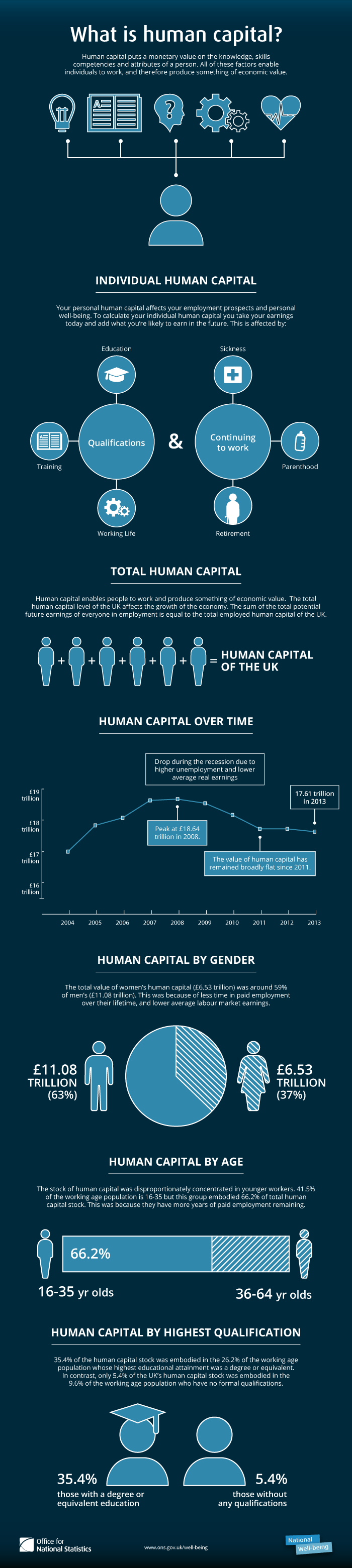
When we discuss an Investment Adviser Representative (IAR), we are talking exclusively about human capital. Under the Uniform Securities Act, an investment adviser representative must be a natural person. This is a strict statutory boundary: a business entity cannot be classified as an investment adviser representative. Just as a corporation cannot sit down and take a licensing exam, an LLC or an Inc. cannot be an IAR.
The baseline definition is straightforward but broad. An individual associated with a state-registered investment adviser to provide investment advice is defined as an investment adviser representative. Similarly, an individual associated with a federal covered investment adviser to provide investment advice is defined as an investment adviser representative.
But what does "providing investment advice" actually look like in the real world? The Act evaluates an individual based on their specific, daily functions rather than their formal job title.
The Five Triggers of Registration
If an individual associated with an investment adviser engages in any of the following activities, they are acting as an IAR and must register with the state:
-
Managing client accounts: An individual who manages client accounts on behalf of an investment adviser acts as an investment adviser representative.
-
Managing portfolios: Expanding on account management, an individual who manages client portfolios on behalf of an investment adviser acts as an investment adviser representative. This involves discretionary or non-discretionary allocation of capital.
-
Determining recommendations: You do not have to be the person speaking directly to the client to trigger registration. An individual determining which securities recommendations should be given to clients acts as an investment adviser representative. The analyst building the models and deciding what advice will be given is acting as an IAR.
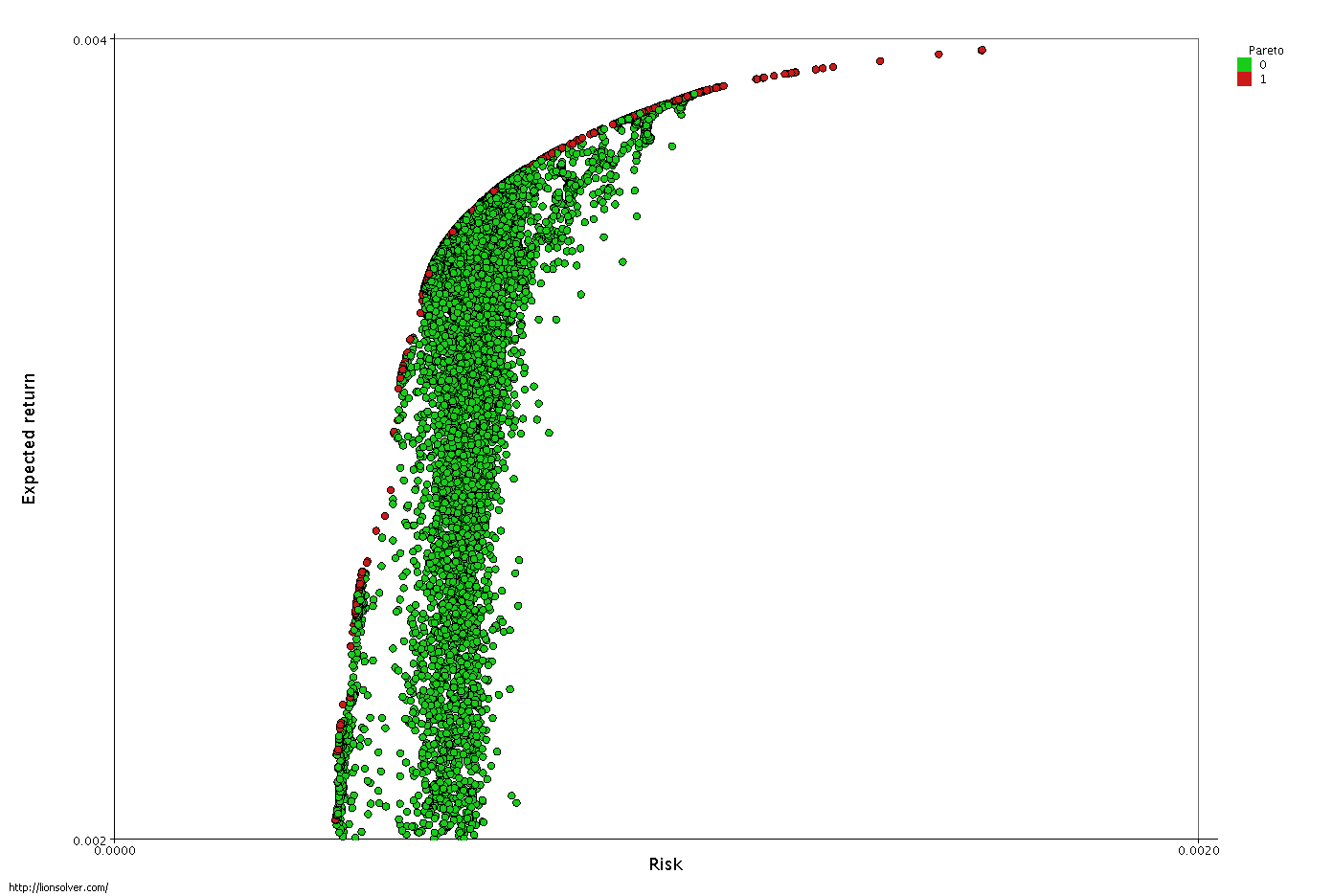
Even without direct client contact, financial analysts who build portfolio optimization models and determine recommendations are performing registrable IAR activities. -
Sales and Solicitation: The Act aggressively regulates the sale of advice. An individual offering the sale of investment advisory services on behalf of an investment adviser acts as an investment adviser representative. Furthermore, an individual soliciting the sale of investment advisory services, or an individual negotiating the sale of investment advisory services on behalf of an investment adviser acts as an investment adviser representative.
-
Supervision: If you are the boss, you cannot shield yourself from registration. An individual supervising employees who perform investment advisory functions must register as an investment adviser representative.
Crucial Application: The definition of an IAR is not limited to W-2 employees. An independent contractor providing investment advice on behalf of a state-registered investment adviser meets the definition of an investment adviser representative. Furthermore, an individual receiving a finder fee for directing clients to a state-registered investment adviser must register as an investment adviser representative, because they are effectively soliciting advisory services.
A thriving advisory firm employs more than just financial professionals. It requires a vast support network to function. The Uniform Securities Act recognizes this and excludes individuals performing solely clerical tasks from the definition of an investment adviser representative. Likewise, the Act excludes individuals performing solely ministerial tasks from the definition.
Think of clerical and ministerial tasks as the mechanics of communication and organization, completely devoid of financial analysis or advice.
- Filing client paperwork for an investment adviser is classified as a clerical task. An employee exclusively filing client paperwork for an investment adviser is not required to register as an investment adviser representative.
- Mailing marketing materials for an investment adviser is classified as a clerical task.
- Directing client phone calls to a registered advisory employee is classified as a ministerial task. An employee exclusively directing client phone calls does not meet the definition of an investment adviser representative.
The Danger of "Clerical Drift"
For securities industry professionals, the line between ministerial support and registrable activity is the site of frequent regulatory violations.
Imagine a receptionist whose sole job is directing client phone calls. One afternoon, a high-net-worth client calls, frustrated by a news report, and asks the receptionist, "The market is tanking. Do you think I should sell my tech stocks?"
If the receptionist says, "I cannot give advice, let me transfer you to your adviser," they remain safely within the ministerial exclusion. However, a clerical employee who begins answering client questions about specific securities must register as an investment adviser representative. The moment an opinion or specific recommendation leaves their lips, the ministerial shield shatters, and they are engaged in unregistered advisory activity.
Do all high-ranking executives at an advisory firm need to register as IARs? No. The Uniform Securities Act operates on a functional framework, ignoring the prestige of the title in favor of the reality of the daily workload.
- When Executives DO NOT Register: A partner of a state-registered investment adviser acting in a solely administrative capacity is not an investment adviser representative. The same applies to other C-suite roles. An officer of a state-registered investment adviser acting in a solely administrative capacity is not an investment adviser representative, and a director of a state-registered investment adviser acting in a solely administrative capacity is not an investment adviser representative. If the Chief Financial Officer (CFO) or Head of Human Resources only manages the firm's internal operations and never touches client accounts or supervises advisory staff, they are exempt.
- When Executives MUST Register: A partner of a state-registered investment adviser performing supervisory functions over advisory employees is an investment adviser representative. If your duty is to oversee the people who give advice, you are an IAR.
The distinction between state-registered advisers and federal covered advisers dictates where and if their human representatives must register. Under the National Securities Markets Improvement Act (NSMIA), the federal government regulates the largest advisory firms, but the states retain strict authority over the human beings physically operating within their borders.
For state-registered firms, an IAR registers in the state(s) where they have a place of business and any state where they have more than five retail clients. But for a representative of a federal covered firm, the rule is brutally simple and revolves entirely around one concept: the Place of Business.
- An individual representing a federal covered investment adviser must register as an investment adviser representative in a state if the individual maintains a place of business in that state.
- Conversely, an individual representing a federal covered investment adviser is exempt from state investment adviser representative registration in any state where the individual lacks a place of business. (Even if they have 500 retail clients in that state, without a place of business, the state has no jurisdiction to require IAR registration).
Defining a "Place of Business"
What constitutes a place of business? It is far more than a leased office building with a brass nameplate.
- A place of business includes an office where an investment adviser representative regularly provides investment advisory services.
- A place of business includes any location held out to the public where an investment adviser representative regularly meets with clients.
If an IAR from New York (representing a federal covered adviser) flies to Florida every Tuesday and rents a conference room at a Miami hotel to meet with clients, and advertises those meetings, that hotel conference room is a place of business. The representative must register as an IAR in Florida.
For candidates currently working in broker-dealers, this is the most critical distinction in your daily reality.
Broker-dealer agents are in the business of executing securities transactions. When an agent recommends that a client buy 100 shares of Apple, they are technically providing "advice." However, under the USA, a broker-dealer agent providing investment advice solely incidental to agent activities does not meet the definition of an investment adviser representative.

If the advice is simply a natural byproduct of selling a security, and the agent's only compensation is the commission on the trade, no IAR registration is required.
The dividing line is Special Compensation. Receiving special compensation for investment advice triggers the requirement for an individual to register as an investment adviser representative. Special compensation is any payment specifically clearly tied to the advice itself, rather than the execution of a trade.
| Scenario | Agent Hat or IAR Hat? | Registration Required |
|---|---|---|
| Recommending a mutual fund and earning a commission on the sale. | Agent Hat | Broker-Dealer Agent |
| Recommending a mutual fund and charging the client an hourly fee to analyze their portfolio. | IAR Hat | Investment Adviser Representative |
| Providing a retirement roadmap to facilitate a rollover. | Agent Hat | Broker-Dealer Agent |
| Charging a $1,500 flat fee to draft a comprehensive financial plan. | IAR Hat | Investment Adviser Representative |
As illustrated, a broker-dealer agent charging a separate fee for financial planning must register as an investment adviser representative. You cannot charge for the "map" without an IAR license, even if you are already licensed to drive the "car" as a broker-dealer agent.
Summary
Understanding the definition of an Investment Adviser Representative requires you to look past titles and focus entirely on the action and the compensation. If a natural person manages portfolios, makes recommendations, solicits advisory services, or supervises those who do—and they are not strictly limited to clerical duties or incidental brokerage activities without special compensation—they have entered the realm of the IAR. Mastering these functional boundaries is the key to successfully navigating both the Series 63 exam and your regulatory responsibilities in the field.