NASAA Model Rules for Investment Advisers
A financial system operates on a fundamental asymmetry: the professional understands the complex machinery of the market, while the client supplies the capital. When an investment adviser accepts the responsibility of managing another person’s wealth, they are not merely facilitating a transaction; they are assuming a fiduciary mantle. The North American Securities Administrators Association (NASAA) Model Rules exist because trust, while essential to commerce, is not a quantifiable safeguard. We cannot legislate morality, but we can mandate transparency, enforce rigorous accounting, and construct legal boundaries that prevent the mishandling of capital.
For the securities agent, understanding these rules is not an exercise in memorizing bureaucratic red tape. These rules form the structural integrity of the investment advisory profession. They dictate how an adviser tracks reality, when they cross the legal line into holding client money, how they structure their promises, and how they protect the modern equivalent of a bank vault: client data.

In the physical sciences, an unrecorded observation is a rumor. In securities law, an undocumented transaction is a liability. An investment adviser’s books and records are the definitive timeline of their fiduciary conduct. If a regulatory Administrator suspects fraud, or if a client alleges negligence, the resolution depends entirely on the fidelity of the firm's historical records.
The Five-Year Rule and Location Dynamics
Under NASAA Model Rules, investment advisers must maintain required books and records for a period of five years. This timeline ensures that regulators have a sufficient window to audit historical trades, communications, and financial decisions.
However, where these records are kept is just as critical as how long they are kept. Investment advisers must keep required books and records in their principal office for the first two years of the five-year retention period. This guarantees that if state examiners walk through the door for a routine or surprise inspection, the most current and relevant operational history is immediately accessible, not buried in an off-site warehouse.
Post-Mortem Documentation
The legal liability of an advisory firm does not vanish the moment it closes its doors. Lawsuits and regulatory actions often arise long after a firm ceases operations. Therefore, the foundational documents that give the firm its legal identity must survive its death.
- Investment advisers must preserve partnership articles and corporate charters for three years after the termination of the business.
- Likewise, investment advisers must preserve minute books and stock certificate books for three years after the termination of the enterprise.
Modernizing the Archive: Electronic Storage
Regulators recognize that modern finance is digital. Investment advisers may store required records electronically, but this comes with strict conditions designed to prevent the digital alteration of history.
- The electronic storage medium must fundamentally prevent the alteration of the records (often referred to in the industry as WORM compliance—Write Once, Read Many).
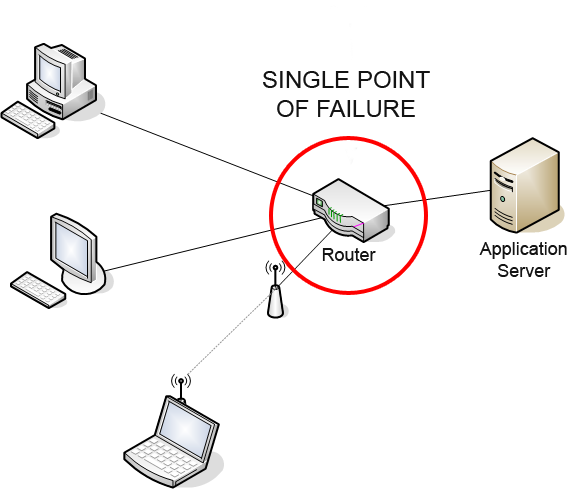
- A single point of failure is unacceptable. Investment advisers storing records electronically must maintain a duplicate copy of the records in a separate physical or cloud location. If a fire destroys the local servers, the regulatory trail must survive in the cloud.
Crucial Compliance Note: Client grievances are heavily scrutinized. Investment advisers must retain all written complaints from clients for a period of five years. A complaint is the earliest warning sign of systemic failure or individual agent misconduct.
The most dangerous threshold an investment adviser crosses is taking "custody" of client assets. When an adviser only provides recommendations, the client ultimately executes the trade and holds their own money. When an adviser takes custody, they hold the keys to the vault.
Defining the Line of Custody
Custody is defined as an investment adviser holding client funds or securities directly or indirectly. It is not limited to physically holding stock certificates in a safe. Custody includes an investment adviser having the authority to obtain possession of client funds or securities.
One of the most frequent traps for candidates involves advisory fees. Direct deduction of advisory fees from a client account by an investment adviser is considered a form of custody under NASAA rules. By authorizing the custodian to pay the adviser directly from the client's balance, the adviser essentially has the power to write themselves a check.
Because of the inherent risks, an investment adviser with custody must promptly notify the state Administrator in writing. Furthermore, a state Administrator has the statutory authority to prohibit an investment adviser from taking custody of client funds entirely if they deem the firm ill-equipped to handle the responsibility.
Net Worth and Financial Buffers
To ensure advisers have "skin in the game" and a financial buffer to absorb errors or liabilities, NASAA dictates strict capitalization requirements based on the level of risk the firm poses:
| Adviser Authority Level | Minimum Net Worth Requirement | Rationale |
|---|---|---|
| Custody | $35,000 | The firm has physical or legal access to client funds. High risk requires a higher financial buffer. |
| Discretionary Authority (No Custody) | $10,000 | The firm can make trades without asking permission, but cannot withdraw funds. Moderate risk. |
Segregation and The Mechanism of Transparency
If an adviser has custody, they cannot commingle client money with their own operating capital. An investment adviser with custody must deposit client funds in separate bank accounts under the client name or the adviser name as agent.
Transparency is the antidote to embezzlement. An investment adviser with custody must ensure that clients receive detailed account statements at least quarterly. However, to prevent an adviser from fabricating these statements (the hallmark of a Ponzi scheme), the qualified custodian maintaining the client funds must send the quarterly account statements directly to the advisory clients.
The Surprise Audit and The Fee-Deduction Exception
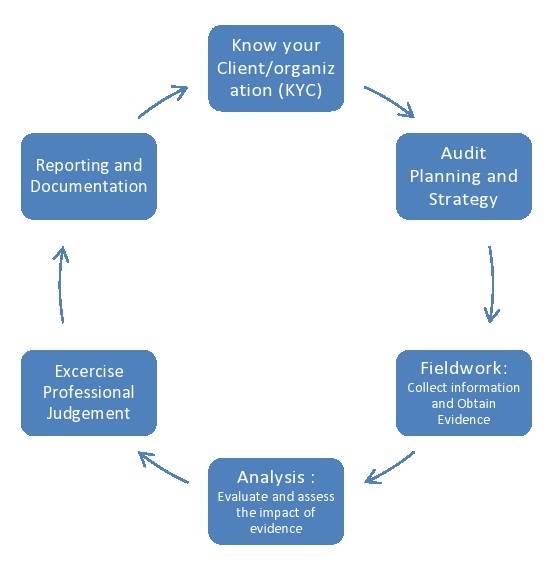
To verify that the money actually exists, an investment adviser with full custody must arrange for an independent certified public accountant (CPA) to conduct a surprise examination of client funds at least once a year.
However, regulators apply proportionality here. An investment adviser whose sole form of custody is direct fee deduction is generally exempt from the annual surprise audit requirement, provided they meet stringent invoice and notification rules. Direct fee deduction is a lower-risk form of custody compared to holding a client's physical bearer bonds.
An investment advisory relationship is bound by the parameters of its contract. Unlike a standard commercial agreement, an advisory contract is a fiduciary document. It outlines the exact rules of engagement between the architect of a portfolio and the owner of the capital.
Under NASAA Model Rules, an investment advisory contract must be established in a written format. Oral agreements regarding wealth management are legally void in this context.
Mandated Contents and Disclosures
Regulators require absolute precision in how the client pays for the service and how long the relationship lasts. An investment advisory contract must:
- Clearly disclose the exact formula used to calculate the investment advisory fee.
- Explicitly state the specific term or duration of the agreement.
- Detail the exact amount of any prepaid fee to be returned upon termination of the contract.
- Disclose whether the investment adviser is granted discretionary trading power over the client account (the ability to buy and sell without contacting the client for each trade).
The Prepayment Net Worth Trigger: If state-registered investment advisers accept prepayments of more than $500 six months or more in advance, they face an additional financial hurdle. They must maintain a positive net worth at all times. Regulators view massive, long-term prepayments as an unearned liability; if the firm goes bankrupt, they owe the client a massive refund.
The Prohibition on Assignment
An advisory relationship is deeply personal, heavily reliant on the specific expertise of the firm hired. Therefore, an investment advisory contract must explicitly prohibit the assignment of the contract without the affirmative consent of the client. You cannot sell a client's contract to another firm without their permission.
This rule goes deeper than a simple sale of the business. A change in the majority interest of an investment advisory partnership is legally considered an assignment of the advisory contract. If an advisory firm has three equal partners, and two retire, the fundamental "soul" and expertise of the firm has changed. The clients must affirmatively consent to continue with the newly structured firm.
Banned Contractual Clauses
Fiduciaries cannot contract their way out of the law. Investment advisory contracts cannot include exculpatory hedge clauses that waive the investment adviser's compliance with the Uniform Securities Act. A clause stating, "The client agrees to hold the adviser harmless for any violations of state securities law," is instantly void and an egregious violation.
Furthermore, investment advisory contracts are generally prohibited from containing performance-based fee arrangements. An investment advisory contract generally cannot base adviser compensation on a share of the capital gains or capital appreciation of client funds.
Why? Because performance fees incentivize the adviser to take immense, reckless risks. If the portfolio doubles, the adviser gets rich; if it goes to zero, the client absorbs the catastrophic loss while the adviser merely loses out on a bonus.
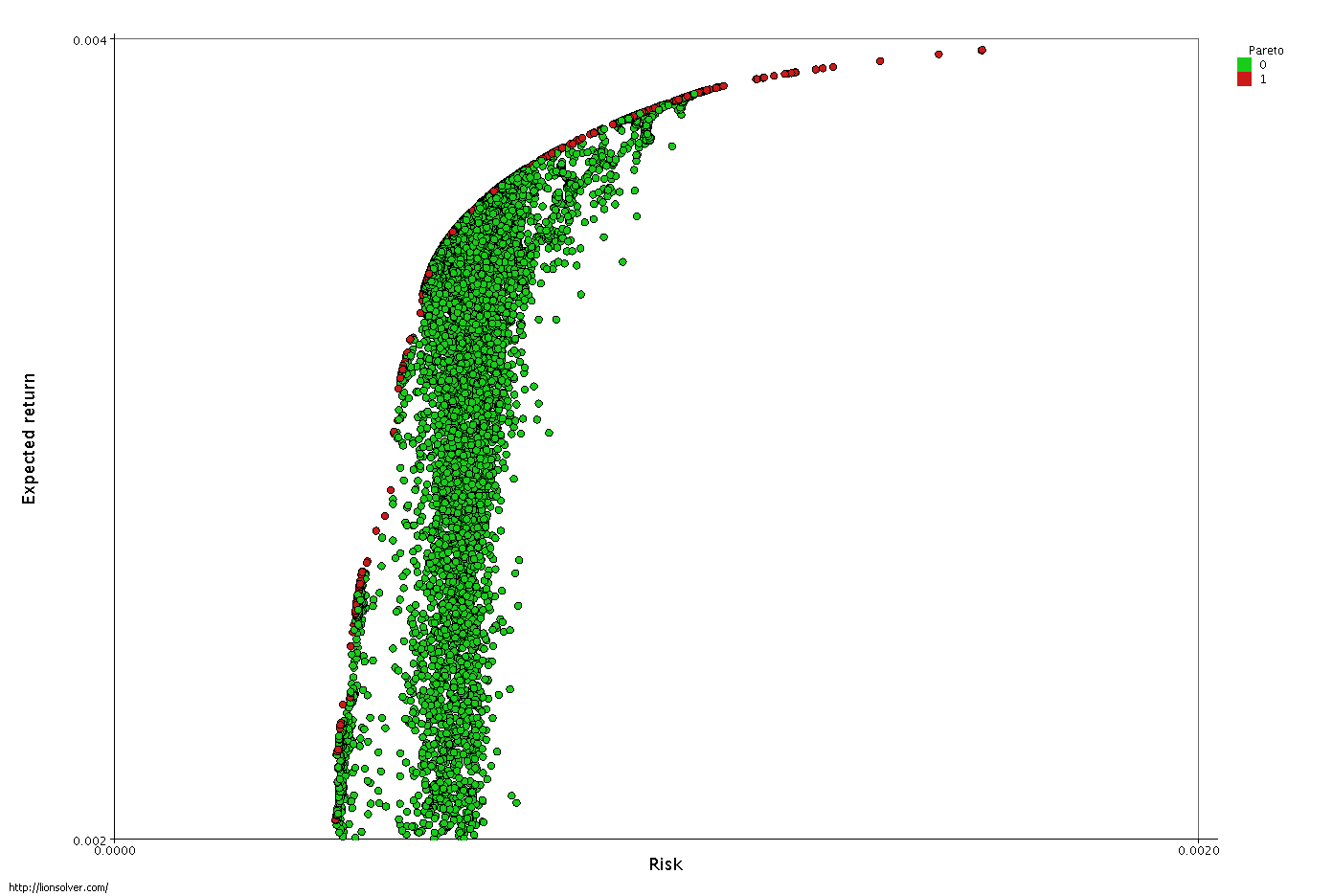
There is one critical exception: Performance-based fees are legally permitted in investment advisory contracts for qualified clients meeting specific net worth or assets under management thresholds. The law assumes that exceptionally wealthy, sophisticated clients understand the mechanics of asymmetric risk and have the capacity to absorb potential losses.
In the modern era, an investment adviser's most vulnerable asset is not the cash in the bank—it is the data on the servers. NASAA views cybersecurity not as an IT issue, but as a core fiduciary duty.
The Security Framework
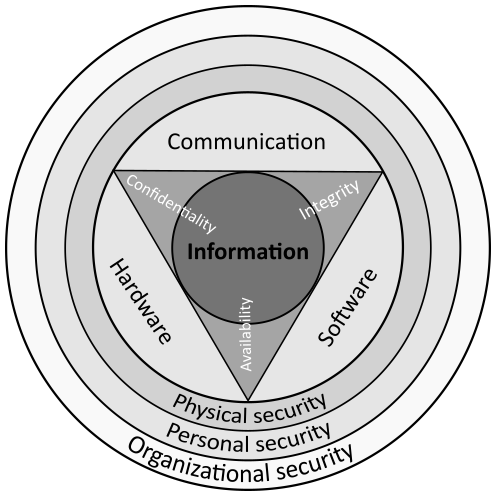
NASAA Model Rules require investment advisers to adopt written physical security and cybersecurity policies. These are not boilerplate documents; they must be living frameworks. Investment adviser information security policies must fundamentally protect the confidentiality and integrity of all client records.
Regulators understand that a two-person advisory shop does not need the exact same IT infrastructure as a global financial institution.
- Investment advisers must design their information security procedures based on the size and complexity of the advisory firm.
- Simultaneously, investment advisers must design their cybersecurity procedures based on the specific risks associated with their business operations.
The Lifecyle of Client Information
When a client hands over their social security number, bank routing details, and net worth, the adviser becomes the steward of that data. Investment advisers must implement robust safeguards to protect against unauthorized access to client information.
The rules dictating how clients are informed about their data privacy are strict and chronologically precise:
- An investment adviser must deliver an initial privacy policy notice to a client at the exact time of establishing the advisory relationship.
- An investment adviser must deliver an updated privacy policy notice to all current clients on an annual basis.
Opt-Out Rights and Data Disposal
Firms cannot freely monetize their clients' data by selling contact lists to marketers. Investment advisers are prohibited from disclosing nonpublic personal information about a consumer to nonaffiliated third parties without offering a clear opt-out mechanism.
The timing here is paramount. A consumer must be provided a reasonable opportunity to opt out before an investment adviser discloses their nonpublic personal information to a nonaffiliated third party.
Finally, when records reach the end of their required five-year retention lifespan, they cannot simply be tossed into a dumpster. Investment advisers must dispose of client records in a secure manner that entirely prevents unauthorized access to the sensitive information. Whether through cryptographically wiping hard drives or cross-cut shredding physical files, the destruction of data must be as meticulous as its preservation.

By mastering these rules, a securities agent understands the underlying physics of the advisory profession: capital must be guarded, promises must be defined, and data must be secured.