Fraudulent Conduct and Market Manipulation
The foundation of the modern securities market rests entirely on an invisible architecture of trust. When an investor transmits an order to a broker-dealer, they are operating under the premise that the price on their screen represents the genuine, unmanipulated intersection of global supply and demand. If that premise is false—if the volume is fabricated, the price is artificially anchored, or the broker places their own financial interests ahead of the client's—the market ceases to function as a tool for capital formation and degrades into a rigged casino. For a securities agent, understanding the mechanics of fraudulent conduct is not merely about memorizing prohibitions; it is about recognizing how the mechanics of market pricing and client fiduciary duty can be weaponized.
At the core of state securities regulation lies the Uniform Securities Act (USA), which establishes a sweeping, absolute prohibition against deceit. Under the USA, it is unlawful to employ any device, scheme, or artifice to defraud in connection with the offer, sale, or purchase of a security. This is the bedrock rule from which all other anti-fraud regulations are derived.
Fraud in the securities industry frequently takes the form of informational asymmetry. The USA explicitly states that it is unlawful to make an untrue statement of a material fact in connection with a securities transaction. Equally prohibited is the omission of a material fact necessary to make prior statements not misleading.

Material Fact: Any piece of information that a reasonable investor would consider important when making an investment decision. If omitting or altering a detail would change a rational person's decision to buy, hold, or sell, that detail is material.
Furthermore, FINRA Rule 2020 echoes these state-level mandates at the federal and self-regulatory levels, explicitly prohibiting member firms and agents from effecting transactions using manipulative, deceptive, or other fraudulent devices.
Beyond outright lies, fraudulent practice includes overstepping authority. Executing a transaction on behalf of a customer without obtaining prior authorization is a strictly fraudulent practice. Similarly, it is an unethical business practice to guarantee a customer against loss in a securities transaction. The market entails intrinsic risk; attempting to artificially shield a client from that reality is a profound regulatory violation.
A broker-dealer agent is often compensated through commissions generated by trading activity. This compensation structure creates an inherent conflict of interest. When an agent succumbs to this conflict, it results in churning—the practice of excessively trading a customer account primarily to generate broker commissions rather than to benefit the client.
To determine if churning has occurred, regulators do not merely look at the raw number of trades. Instead, they look at the context of the account. Regulators evaluate the frequency of trades against a customer's stated investment objectives and their financial resources. A high volume of trading might be perfectly suitable for a wealthy day-trader, but completely illegal for a retiree living on a fixed income.
Detecting the Churn
Regulators and compliance departments utilize specific mathematical metrics to identify potential churning:
- Account Turnover Ratio: A mathematical metric regulators use to calculate how many times the total value of an account is replaced over a given period. A highly elevated turnover ratio signals that the broker is relentlessly liquidating and repurchasing assets.
- Cost-to-Equity Ratio: A high cost-to-equity ratio in a customer account is an indicator of potential churning. It measures the break-even point for the client—how much the portfolio needs to appreciate simply to cover the broker's trading costs.
- In-and-Out Trading: A behavioral hallmark of churning, this involves repeatedly buying and selling the exact same security over short periods to generate back-to-back commissions without meaningfully altering the client's portfolio strategy.
A vital principle of securities law is that the outcome of the trades does not excuse the motive. Churning is a violation of securities law even if the excessively traded account experiences a net profit. The violation lies in the abuse of the fiduciary relationship and the excessive frictional costs imposed on the client, not in the ultimate performance of the portfolio.
While churning is an abuse of an individual client, market manipulation is an attack on the market itself. Market manipulation involves intentional conduct designed to deceive investors by controlling or artificially affecting the price of securities. Manipulators create phantom volume or artificial price barriers to trick other participants into making disadvantageous decisions.
Fabricating Volume
High trading volume generally signals strong market interest. Manipulators simulate this interest to draw in unsuspecting investors through a variety of tactics:
- Wash Sales: Occur when an investor simultaneously buys and sells the same security to create a false appearance of trading volume. Crucially, wash sales involve no actual change in the beneficial ownership of the traded security. The manipulator is simply trading with themselves.
- Matched Orders: A collaborative form of a wash sale. Matched orders involve entering a buy or sell order with the prior knowledge that a corresponding, offsetting order will be entered by an accomplice at the exact same time and price.
- Painting the Tape: A broader manipulation technique where coordinated trades are executed among a group to create the illusion of high market activity. The "tape" (the record of historical trades) is "painted" with fake momentum to lure retail investors.

Controlling the Price
Sometimes, the goal is not to fake volume, but to force a security to stay within a desired price corridor:
- Pegging: Involves artificial market activity designed to keep a security's price from falling below a certain level.
- Capping: The inverse of pegging. Capping is a manipulative practice aimed at keeping a security's price from rising above a specific level (often used by short sellers or options writers trying to keep a contract out-of-the-money).
- Marking the Close: Involves executing trades near the end of the trading day to artificially influence a security's closing price. Because closing prices are heavily scrutinized and used for mutual fund valuations and margin calculations, manipulating this specific print is highly disruptive.
- Marking the Open: Involves executing trades near the beginning of the trading day to artificially influence a security's opening price.
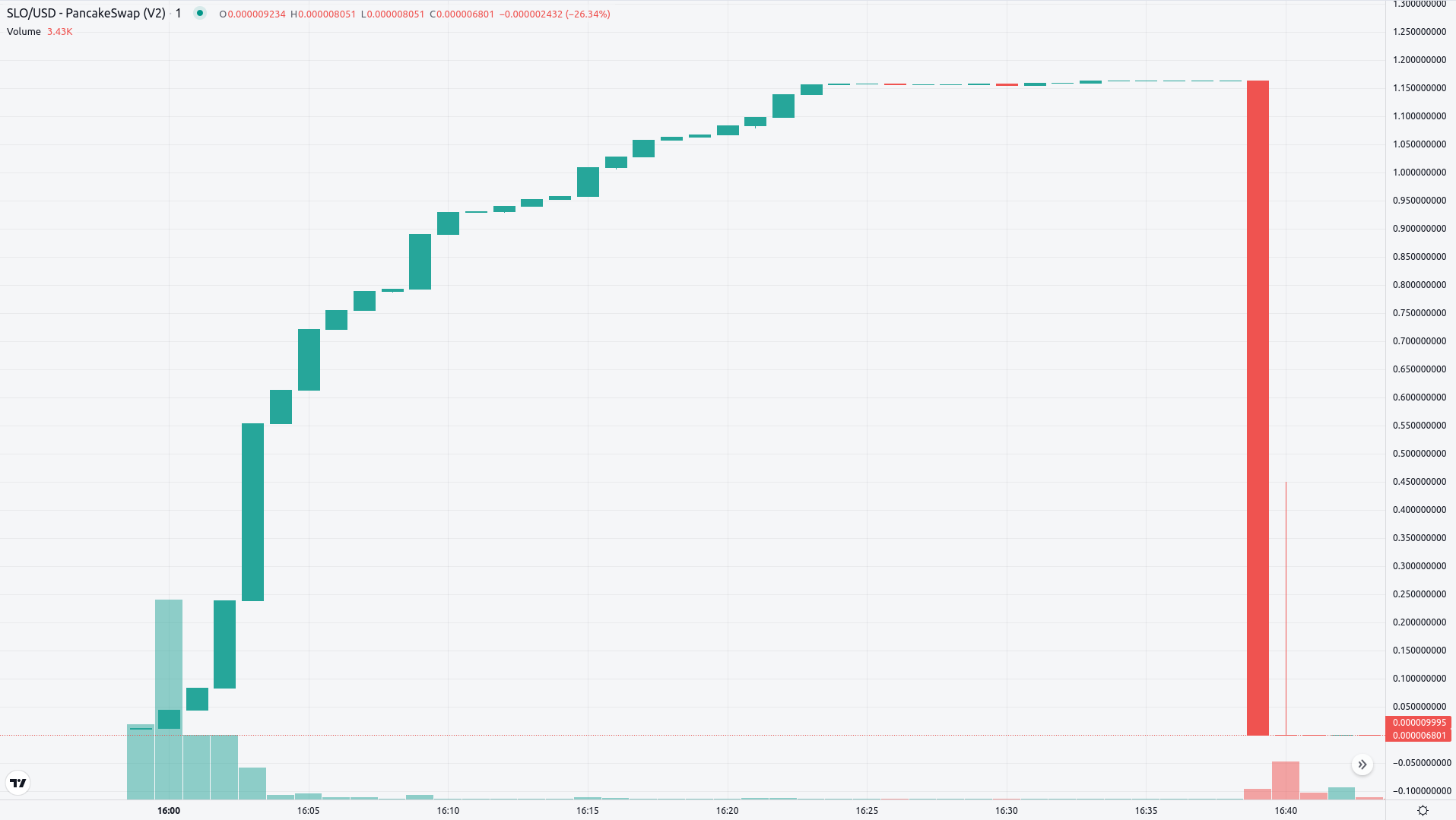
- Pump and Dump Schemes: A classic fraud where manipulators artificially inflate the price of an owned stock through false, hyping statements (the "pump"), only to sell their intentionally accumulated stock at a higher price into the artificially created demand (the "dump"), leaving later investors with worthless shares.
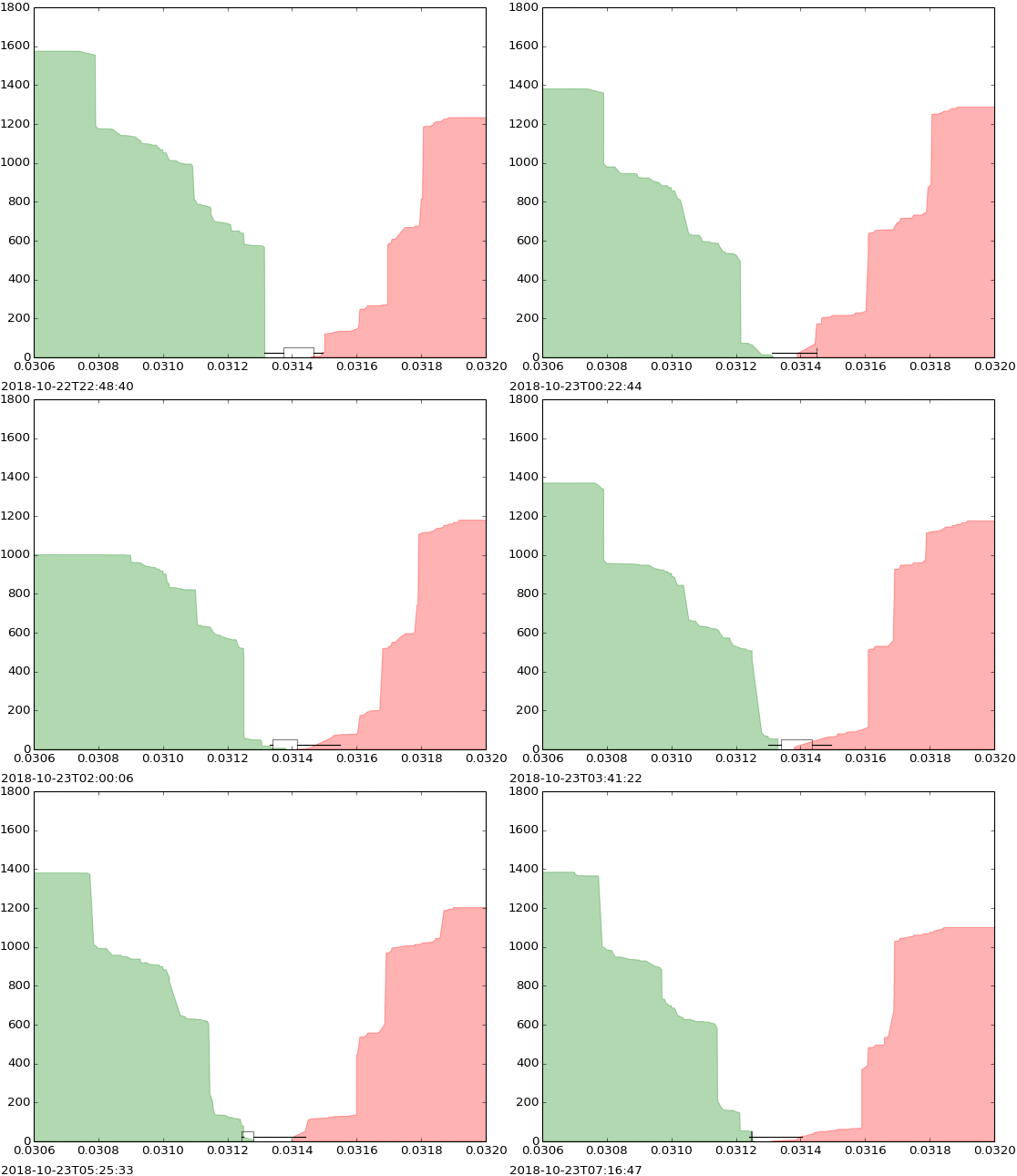
Modern electronic markets have given rise to sophisticated manipulations of the order book—the digital queue of buyers and sellers.
Front-Running
Front-running is the unethical practice of a broker placing a personal trade ahead of a known large customer block order. When an institutional client places an order to buy 500,000 shares of a stock, that massive order will inevitably absorb the available supply and drive the price up. Front-running aims to capitalize on the anticipated price movement caused by this impending customer trade. The broker steps in front of the client, buys the stock for their personal account at the lower price, lets the client's massive order push the price up, and then sells their personal shares for a riskless profit.
Spoofing and Layering
If front-running is exploiting real orders, spoofing is exploiting fake ones. Spoofing involves placing large, non-bona fide orders with the intention of canceling the orders before execution. Spoofing is designed to trick other market participants (and their automated trading algorithms) into believing there is strong buying or selling pressure.
Layering is a specific, highly structured form of spoofing. It involves the placement of multiple non-bona fide orders at various price levels. By stacking fake orders in the order book, layering creates a false appearance of deep market supply or demand. The manipulator does this to shift the execution prices for actual intended orders resting on the opposite side of the book, canceling the "layers" the millisecond their genuine order is filled.
The enforcement architecture of the Uniform Securities Act is tripartite, offering administrative, civil, and criminal remedies against those who pollute the marketplace.
1. Administrative Actions
State securities Administrators possess vast, rapid-response authority to halt market threats. An Administrator can issue a cease and desist order without a prior hearing when discovering fraudulent conduct. Furthermore, Administrators hold the power over your career; they can explicitly deny, suspend, or revoke a broker-dealer agent's registration for engaging in fraudulent business practices.
2. Civil Liabilities: Making the Client Whole
When clients are victimized by fraudulent conduct, they can sue for civil liabilities.
The Civil Recovery Formula: Recovery Amount = Initial Investment Amount
- Reasonable Attorney Fees and Court Costs
- State-Determined Interest
- Income Received from the Security (e.g., dividends)
Importantly, intent is not required to establish civil liability for misleading statements or omissions under the Uniform Securities Act. If an agent sold a security using materially false information, they are liable, even if they were merely negligent.
Timing is critical. Civil lawsuits under the Uniform Securities Act must be filed by the earlier of two dates:
- Two years from the discovery of the fraudulent violation.
- Three years from the date of the securities sale.
3. Criminal Penalties: The Cost of Willful Deceit
To trigger criminal liability under the Uniform Securities Act, the legal burden shifts: it requires proof that a violation was committed willfully.
If an agent willfully engages in securities fraud, they face severe statutory maximums. The maximum criminal fine for a willful violation of the Uniform Securities Act is $5,000, and the maximum prison sentence is three years. Regulators have a longer window to prosecute these crimes; the statute of limitations for criminal prosecution under the USA is five years from the date of the alleged violation.
Finally, irrespective of civil suits or criminal fines, regulators will demand disgorgement—a regulatory penalty requiring a violator to completely give up any profits obtained through illegal or unethical acts. The market demands symmetry: you cannot keep the financial fruits of a poisoned trade.
| Liability Type | Intent Required? | Statute of Limitations | Key Penalties |
|---|---|---|---|
| Civil | No | 2 yrs from discovery, max 3 yrs from sale | Recovery of investment + interest + fees (minus income) |
| Criminal | Yes (Willful) | 5 years from date of violation | Up to $5,000 fine, Up to 3 years in prison |
| Administrative | Varies | N/A | Cease & Desist, Revocation of Registration, Disgorgement |