An investment adviser managing client portfolios faces a relentless, daily choice: how and where to execute trades. When choosing a broker-dealer to handle a transaction, the adviser might find one broker willing to execute the trade for a base commission of 5.Anotherbrokermightcharge8 but provide access to proprietary institutional market data feeds alongside the execution. If the adviser chooses the $8 option, they are deliberately using the client's funds to pay a higher transaction cost. Under the strict rules of agency and trust, deliberately paying higher costs than necessary with someone else's money constitutes a misappropriation of assets. It is a fundamental breach of fiduciary duty.
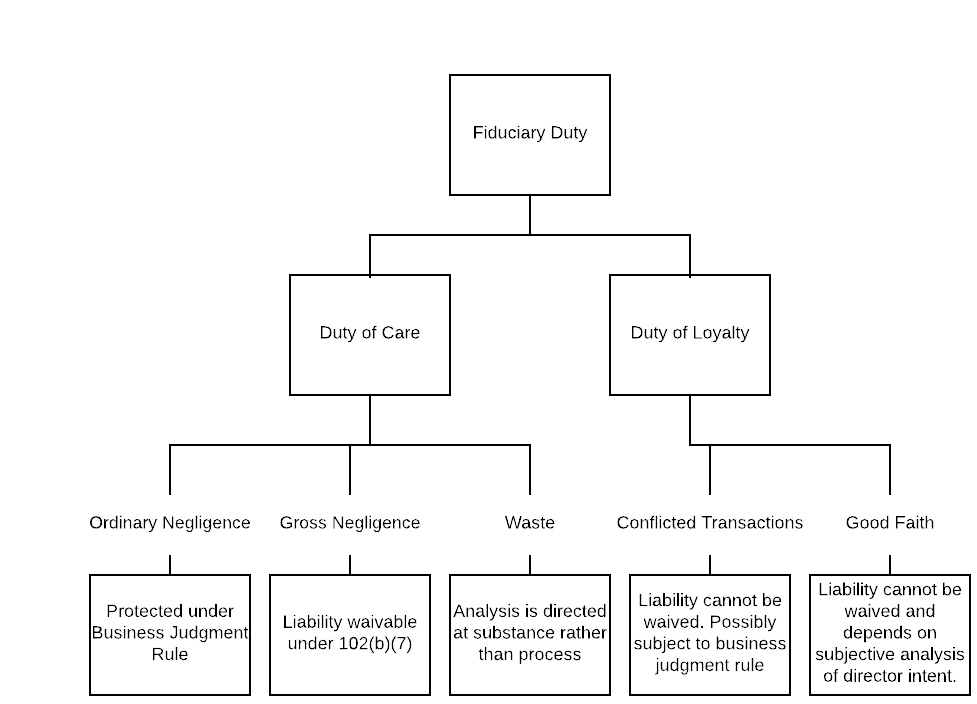
A conceptual diagram of fiduciary duty. Without the Section 28(e) safe harbor, paying higher commissions to access research would constitute a breach of the core duties of loyalty and good faith.
Yet, this exact mechanism drives a vast segment of the financial ecosystem. The difference between the baseline execution cost and the higher commission is not stolen; it is converted into an alternative currency.
Soft dollars are commission credits generated when an investment adviser directs client brokerage transactions to a specific broker-dealer. Instead of paying for essential research or execution tools out of their own pocket with direct cash—known in the industry as hard dollars—investment advisers use soft dollars to pay for research or brokerage services provided by those broker-dealers.
The rationale is clear: superior research and efficient execution ultimately benefit the client. If an adviser is starved of high-quality data because they are legally forced to choose the cheapest, bare-bones execution every single time, the client's portfolio suffers. To resolve this conflict, Congresscodified a legal protection mechanism into the Securities Exchange Act of 1934.
Section 28(e) of the Securities Exchange Act of 1934 provides a statutory safe harbor for soft dollar arrangements in the securities industry. This safe harbor shields an investment adviser from breach of fiduciary duty claims that would normally arise for paying higher commissions to obtain research and execution services.
Without the protection of the Section 28(e) safe harbor, an investment adviser who pays higher commissions than strictly necessary would be committing a fiduciary breach. The safe harbor effectively says: You may use client commissions to buy services that help you manage the client's money better, provided you follow rigorous conditions.
To qualify for the Section 28(e) safe harbor, the adviser must satisfy specific requirements regarding control, valuation, and purpose.
1. Investment Discretion
The safe harbor only applies if the investment adviser exercises investment discretion over the client account generating the commissions. If the client is making the trade-by-trade decisions, the adviser cannot independently direct the trade to a higher-priced broker-dealer just to harvest soft dollar credits for their firm. The adviser must be the one holding the steering wheel.
2. Good Faith Determination of Reasonableness
The investment adviser must determine, in good faith, that the commission paid is reasonable in relation to the value of the brokerage and research services received. This prevents advisers from blindly paying exorbitant commissions for low-value research just to keep a specific broker-dealer happy.
Fascinatingly, the law acknowledges the complexity of portfolio management when evaluating this reasonableness. The reasonableness of a commission under the Section 28(e) safe harbor can be evaluated in two ways:
In relation to a particular transaction: The specific trade justified the specific cost.
In relation to the investment adviser's overall responsibilities to all client accounts: A piece of analytical software bought with Client A's soft dollars might heavily benefit the portfolio of Client B. The SEC allows this cross-pollination because over time, research improves the adviser's holistic intellect and market capability, benefiting the aggregate client base.
Not all transactions generate valid soft dollars. The safe harbor was explicitly designed around the concept of commissions. Therefore, the type of transaction dictates whether Section 28(e) applies.
Agency Transactions: The Section 28(e) safe harbor explicitly applies to agency transactions where a broker-dealer acts as a middleman and charges a transparent commission.
Riskless Principal Transactions: The safe harbor also applies to certain riskless principal transactions, but only where a broker-dealer executes trades under specific, highly regulated trade reporting rules that require the disclosure of the equivalent of a commission.
Principal Transactions (Impermissible): The Section 28(e) safe harbor does not apply to principal transactions where a dealer trades from their own inventory and charges a markup or markdown instead of a commission. Because markups are inherently different from commissions and often lack the same transparent cost structure for execution alone, the safe harbor shuts its doors here.
If an adviser is using client funds to buy "services," we must rigorously define what qualifies as a legitimate service. Otherwise, an adviser could use soft dollars to pay their firm's rent or buy their staff luxury lunches, falsely claiming it "helps them research better."
To qualify, eligible soft dollar products and services must provide lawful and appropriate assistance to the investment adviser in carrying out their investment decision-making responsibilities. Furthermore, the Section 28(e) safe harbor covers only products or services that fall strictly into the dual categories of research or brokerage services.
Defining Brokerage and Research
Brokerage services eligible for the Section 28(e) safe harbor have a strictly defined lifespan. They begin exactly when the investment adviser communicates an order to the broker-dealer, and they end exactly when the broker-dealer completes the clearance and settlement of the transaction. Anything happening outside this temporal window is not a brokerage service.
Research services must meet a different test: the "substantive content" test. Eligible research services under soft dollar arrangements must provide substantive content related to the formulation of an investment decision. It must be intellectual capital that directly influences the adviser's analytical process.
What happens if the executing broker-dealer doesn't produce the best research themselves? An adviser can utilize third-party research. Third-party research qualifies for the Section 28(e) safe harbor when the executing broker-dealer pays the third-party preparer directly. The executing broker cannot hand the soft dollar cash to the adviser and ask the adviser to pay the third party. The capital must flow straight from the broker-dealer to the research provider.
The Classification Matrix
To master this topic, you must immediately be able to categorize an item as a permissible soft dollar expense or an impermissible one that must be paid with hard dollars.
Permissible Items (Soft Dollars Allowed)
Impermissible Items (Hard Dollars Required)
Traditional research reports on specific securities, industries, or macroeconomic trends.
The Intuition Check: Look closely at the permissible items. They are purely intellectual or highly specialized trade mechanisms. Now look at the impermissible items. They are the physical, operational, and administrative realities of running a business. A client's commissions should pay for an adviser's insights, never an adviser's overhead. You can buy the seminar ticket with soft dollars (insight), but you must pay for your own flight and hotel with hard dollars (overhead). You can buy the trading software with soft dollars (insight), but you must buy the computer monitor it displays on with hard dollars (overhead).
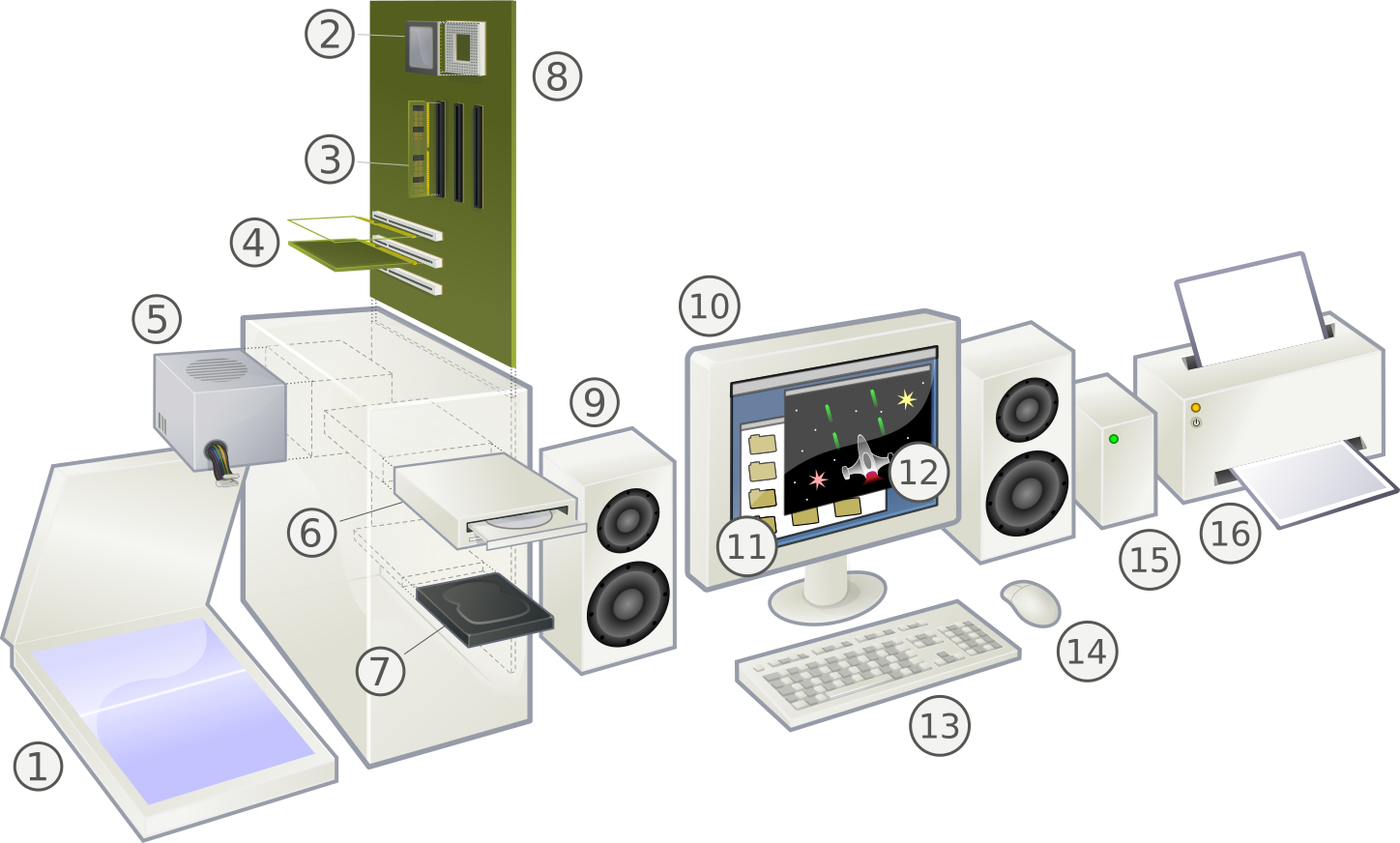
An exploded diagram of a personal computer. All physical hardware components—ranging from internal processors to external monitors—are classified as administrative overhead and must be purchased using an adviser's own hard dollars.
Real-world financial tools rarely neatly divide themselves into pure research or pure overhead. A single piece of technology might do both. These are known as mixed-use items—products or services that have both eligible research or brokerage uses and ineligible administrative or operational uses.
Consider a premium financial terminal. Half of the terminal's utility is providing real-time data feeds and quantitative analytical tools (eligible research). The other half is a messaging system used by the adviser's HR department to coordinate internal meetings, or accounting modules used for billing (ineligible operational uses).
How does an adviser legally pay for a mixed-use item without violating the safe harbor?
Good-Faith Allocation: Investment advisers must make a reasonable, good-faith allocation of the cost of mixed-use items between eligible soft dollar uses and ineligible hard dollar uses.
Hard Dollar Payment: Once the fraction is determined, the investment adviser must pay for the ineligible administrative portion of the mixed-use item using hard dollars out of their own pocket.
Recordkeeping: The SEC will not just take an adviser's word for it. An investment adviser using soft dollars must keep adequate records to document the allocation of costs for mixed-use items. If audited, the adviser must mathematically demonstrate exactly how they determined that 60% of the terminal was used for research and 40% was used for administration.
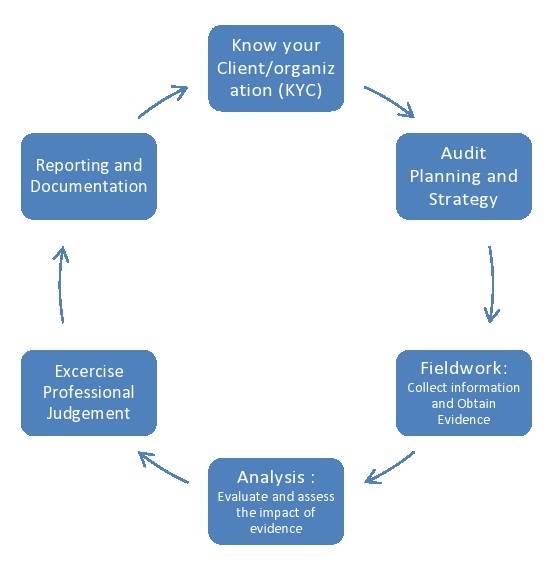
A standard audit cycle. Investment advisers must maintain rigorous records of mixed-use allocations to successfully demonstrate compliance during the verification and reporting stages of a regulatory audit.
Understanding Section 28(e) requires internalizing a single profound boundary: the boundary between a client’s money and an adviser’s business expenses. Soft dollars are a privilege granted by the SEC to grease the wheels of market intelligence. When an adviser respects the strict definitions of discretion, reasonableness, and substantive research, the safe harbor protects them. When they blur the line to subsidize their own rent or hardware, the harbor vanishes, leaving them fully exposed to the harsh penalties of a fiduciary breach.