Municipal Securities: Types and Taxes
At the heart of the municipal bond market lies a grand, unwritten bargain between the federal government and local municipalities: the federal government agrees not to tax the interest generated by local public projects, and in exchange, local governments can borrow money from investors at significantly lower interest rates. For the Series 7 professional, this mechanism is not merely an abstract policy concept. It is the core of how you will construct tax-efficient portfolios for high-net-worth clients. Understanding how these instruments are structured, how they trade, and precisely how the IRS categorizes their returns is the difference between preserving a client's wealth and triggering an unexpected, catastrophic tax liability.
When a local government needs money, it cannot simply issue equity. It must borrow. The way it promises to pay back that debt divides the municipal bond universe into two foundational categories.
General Obligation (GO) municipal bonds are directly backed by the full faith, credit and taxing power of the issuing municipality. If a city issues a GO bond, it is legally bound to use its ability to levy taxes to ensure bondholders are paid.
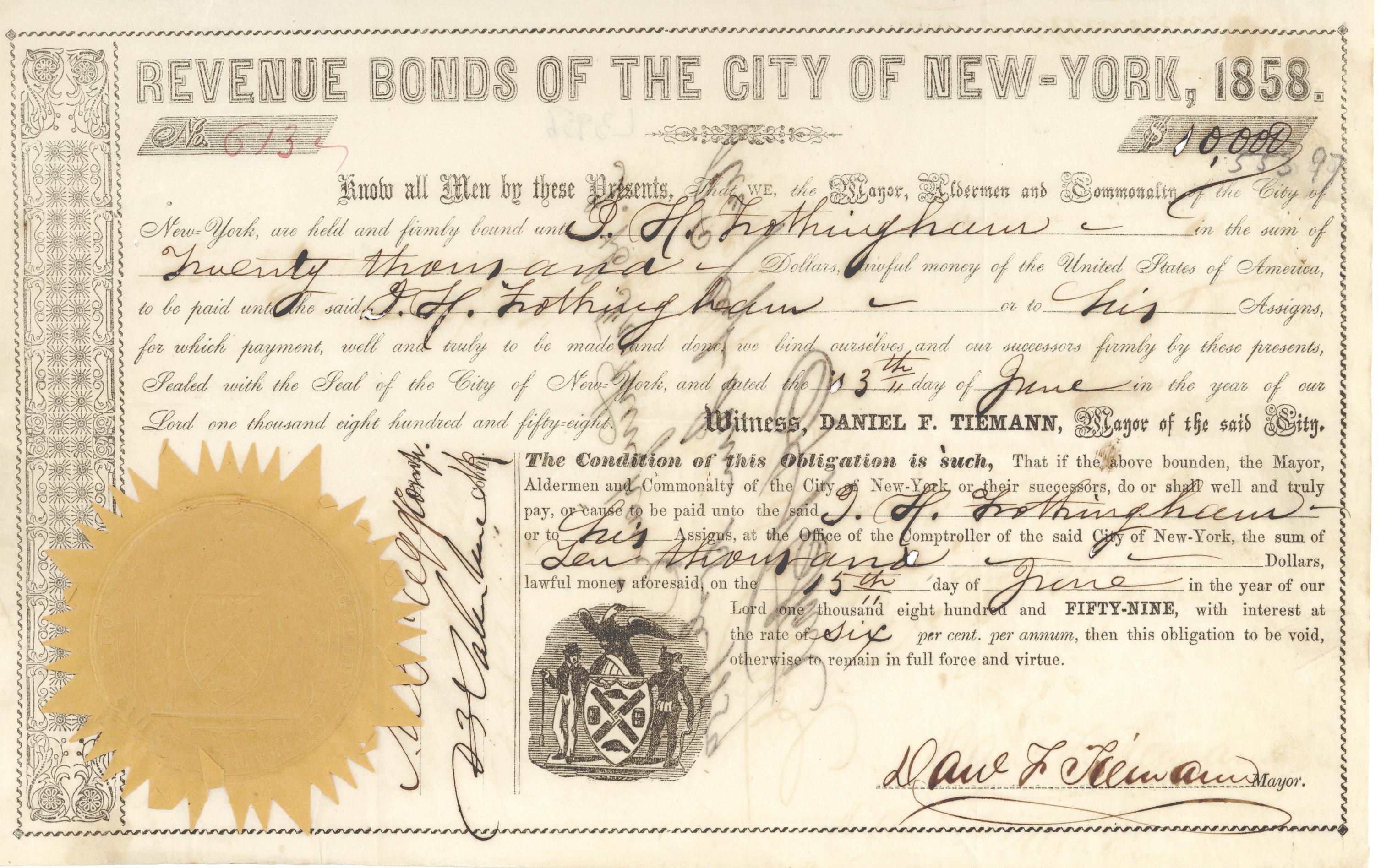
In contrast, Revenue municipal bonds are backed exclusively by a specific source of revenue generated from a financed facility—like a toll bridge or a water treatment plant. If the bridge doesn't collect enough tolls, the municipality is not legally forced to raise property taxes to make up the difference.
However, financial engineering allows for hybrids and specialized structures:
- Double-barreled municipal bonds offer a dual layer of security. They are backed by a defined facility revenue source, but if that revenue falls short, they are additionally backed by the full faith and credit of an issuer with legal taxing authority.
- Special tax municipal bonds are payable only from the proceeds of a specific excise tax. The excise taxes backing special tax municipal bonds typically include specific taxes on fuel, alcohol, or tobacco.
- Special assessment municipal bonds are issued specifically to finance public improvements benefiting a highly specific geographic area. They are repaid by levying targeted taxes on the properties directly benefiting from the public improvements, such as a new sidewalk or street lighting in a specific subdivision.
- Moral obligation municipal bonds are state-sponsored securities completely lacking a strict legal obligation to pay debt service. If the project's revenues fail, a state legislature may use the process of legislative appropriation to voluntarily cover debt service shortfalls, though they cannot be sued if they choose not to.
The Private Activity Trap
Municipalities sometimes act as conduits, issuing debt on behalf of private entities that serve a public good. Private activity municipal bonds are issued by a municipality to finance facilities intended for private, non-public entities. Airports and sports stadiums are examples of facilities commonly financed using private activity municipal bonds.
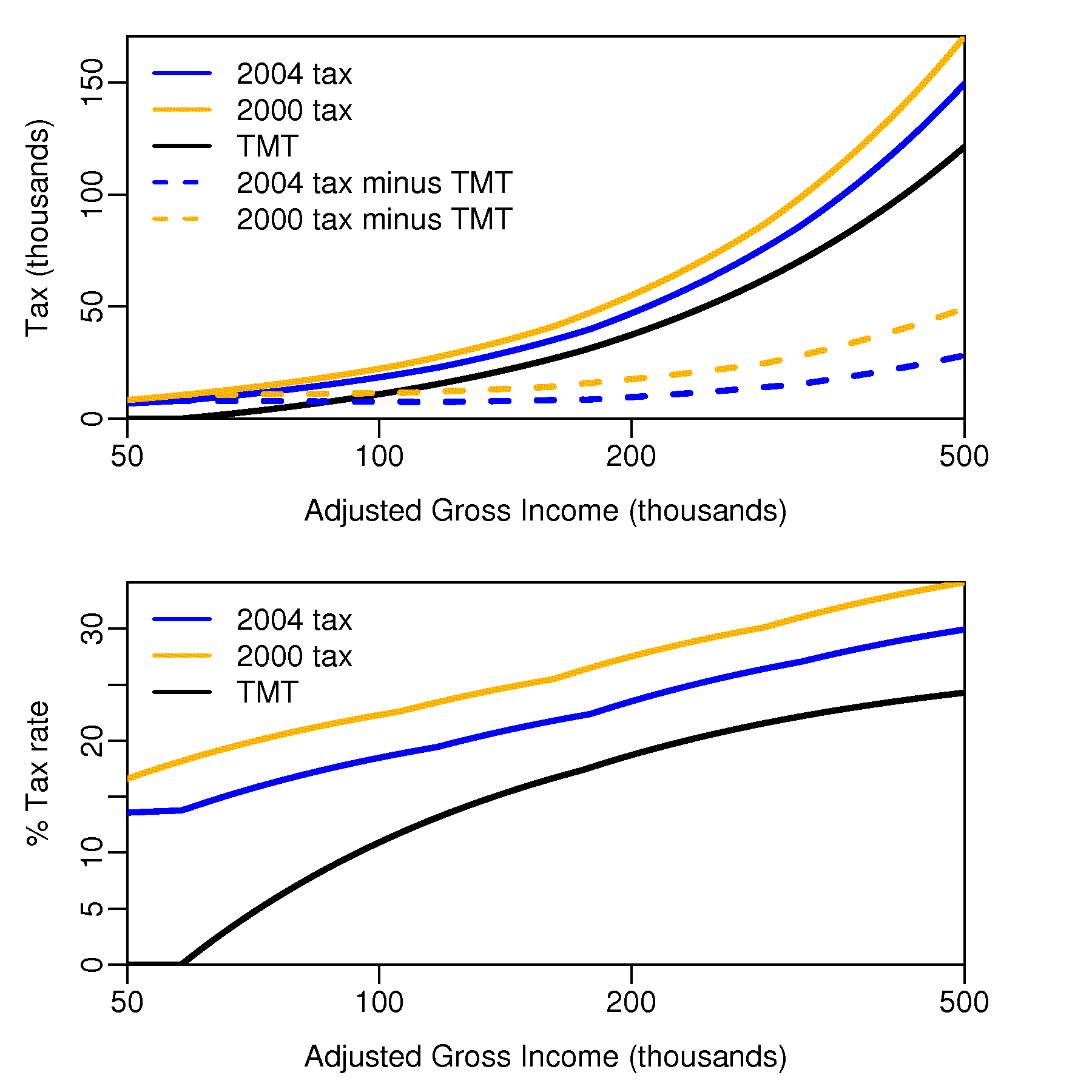
Because the ultimate beneficiary is a private entity, the IRS restricts the tax benefits. Interest earned on private activity municipal bonds is generally classified as a tax preference item. This is highly relevant for your wealthy clients: tax preference items must be added back into an investor's taxable income when calculating the Alternative Minimum Tax (AMT). Consequently, investors subject to the Alternative Minimum Tax (AMT) lose the federal tax-exempt status of interest earned on private activity municipal bonds.
Short-Term Municipal Notes: Anticipating the Future
Municipalities experience cash flow mismatches. Taxes are collected annually or semi-annually, but teachers and firefighters must be paid bi-weekly. To bridge this gap, municipalities issue short-term notes, which act as payday loans for the government.
- Tax Anticipation Notes (TANs) are short-term municipal notes issued by municipalities to finance current operations in anticipation of future tax receipts.
- Revenue Anticipation Notes (RANs) are short-term municipal notes issued to finance current operations in anticipation of future revenues from enterprise facilities.
- Tax and Revenue Anticipation Notes (TRANs) combine the funding features of Tax Anticipation Notes and Revenue Anticipation Notes into a single short-term instrument.
- Bond Anticipation Notes (BANs) provide a municipality with interim financing prior to the finalization of long-term funding. BANs are designed to be retired using the proceeds of a future long-term municipal bond sale.
- Grant Anticipation Notes (GANs) are short-term municipal securities issued with the expectation of receiving future federal grant money.
- Construction Loan Notes (CLNs) are short-term municipal securities issued to provide interim financing for the construction of housing projects.
- Tax-Exempt Commercial Paper is used for very short-term funding needs, functioning as a short-term municipal obligation with a maximum legal maturity of 270 days.
Floating Rates and Auctions
Sometimes municipalities want to issue long-term debt but pay short-term interest rates.
- Variable Rate Demand Obligations (VRDOs) are long-term municipal securities featuring a floating interest rate that resets periodically (daily, weekly, or monthly). To protect the investor from being locked into a low rate if the market shifts, VRDOs include a put feature allowing the investor to sell the bond back to the issuer at par value.
- Auction Rate Securities (ARS) are long-term municipal securities with interest rates reset periodically through a specialized bidding process. The periodic interest rates on Auction Rate Securities (ARS) are determined specifically through a Dutch auction process, where the lowest bid rate that clears the market becomes the rate paid to all holders.

Build America Bonds (BABs)
Created during the 2008 financial crisis, Build America Bonds (BABs) flipped the traditional municipal model upside down. These are municipal securities whose regular interest payments are fully taxable at the federal level. To incentivize municipalities to issue them, two variants were created:
- Direct Payment Build America Bonds provide the municipal issuer with a direct federal subsidy covering a portion of the interest paid to bondholders.
- Tax Credit Build America Bonds provide the bondholder with a federal income tax credit replacing the traditional tax-free interest feature.
To navigate the secondary market, you must speak the language of municipal quoting and correctly calculate the continuous flow of interest between buyers and sellers.
Pricing and Quoting
Most municipal bonds are quoted in the market on a yield-to-maturity basis. A yield-to-maturity quote for a municipal bond is commonly referred to in the industry as a basis quote. In this system, a single basis point in municipal bond pricing represents one-hundredth of one percent (0.01%) of yield. Conversely, municipal term bonds (which all mature on a single date) are typically quoted on a dollar basis (as a percentage of par).
When you sell a bond to a client, you must disclose the yield they can actually expect to realize. MSRB rules dictate that municipal bond customer confirmations must explicitly disclose the lower of the yield to maturity or the yield to call (often called "yield to worst").
- A municipal bond trading at a premium is priced and quoted based on the yield to call, because it is highly likely the issuer will call the expensive debt early.
- A municipal bond trading at a discount is priced and quoted based on the yield to maturity, as the issuer has no incentive to call debt carrying a below-market coupon.
Yield Comparisons
To compare a tax-free municipal bond with a fully taxable corporate bond, you must normalize the yields.
Current Yield The Current Yield of a municipal bond is calculated by dividing the annual interest payment by the bond's current market price.
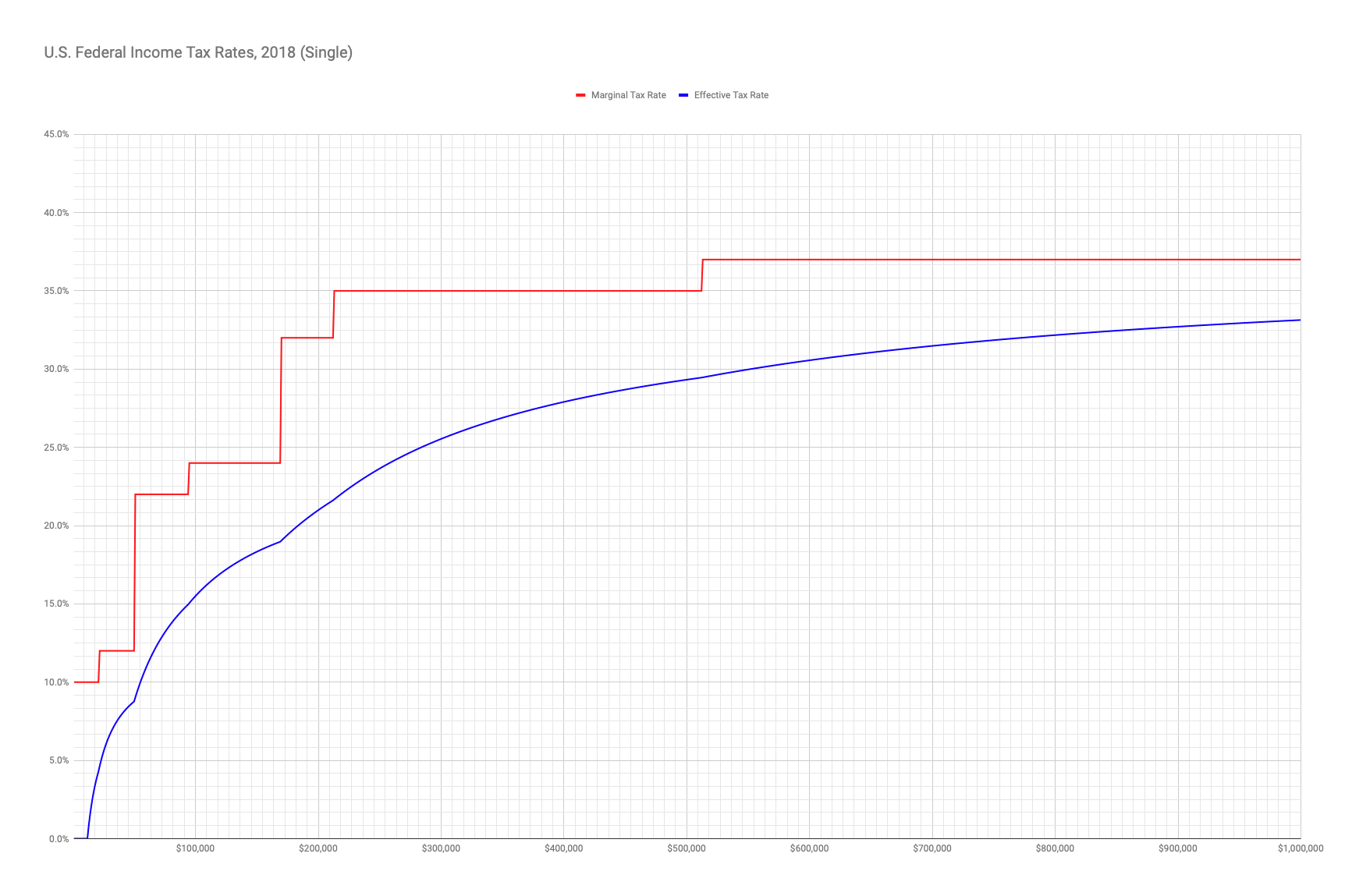
Tax-Equivalent Yield Tax-Equivalent Yield calculates the pretax yield a taxable corporate bond must offer to precisely equal the tax-free yield of a municipal bond. Formula: The mathematical formula for Tax-Equivalent Yield divides the municipal bond yield by one minus the investor's marginal tax rate.
TEY = Municipal Yield / (1 - Marginal Tax Rate)
Tax-Free Equivalent Yield Tax-Free Equivalent Yield calculates the theoretical after-tax yield generated by a fully taxable corporate bond. Formula: The mathematical formula for Tax-Free Equivalent Yield multiplies the taxable bond yield by one minus the investor's marginal tax rate.
TFEY = Taxable Corporate Yield × (1 - Marginal Tax Rate)
Accrued Interest Mechanics
Interest on a bond is like a dripping faucet filling a bucket. When a bond is sold in the secondary market, the bucket is handed from the seller to the buyer. A buyer of a municipal bond must pay the seller the accrued interest generated since the most recent interest payment date.
To standardize this math, municipal bond accrued interest calculations strictly utilize a 30-day month and strictly utilize a 360-day year.
- New Issues: Accrued interest on a new municipal bond issue begins accumulating on the bond's officially designated dated date.
- Secondary Market: Regular way settlement for municipal bonds occurs one business day after the trade date (T+1). Accrued interest on a secondary market municipal bond trade is calculated up to the exact settlement date, but the calculation explicitly excludes the settlement date itself. The seller earns interest up to, but not including, the day the cash changes hands.
- The Edge Case: If a municipal bond trades for settlement exactly on an interest payment date, the accrued interest calculation results in zero (since the seller receives the full coupon payment directly from the issuer).
Municipalities actively manage their debt obligations through call provisions and structured retirements.
- An optional call provision allows a municipal issuer to voluntarily redeem a bond at a specified price before the maturity date.
- A sinking fund provision requires a municipal issuer to regularly deposit designated funds into a dedicated escrow account. Funds accumulating in a municipal sinking fund account are systematically used to retire a specific portion of the bond issue before maturity, reducing the issuer's risk of default.
- An extraordinary call provision allows a municipal issuer to call bonds early if the underlying facility backing the debt is destroyed or condemned. Due to its nature, an extraordinary call provision is commonly known in the industry as a catastrophe call. Because these events are unpredictable acts of God, catastrophe call provisions are entirely exempt from the requirement to be explicitly disclosed on a municipal bond customer confirmation.

The most critical value a registered representative brings to a municipal bond investor is mastering the tax code. A miscalculation here transforms a safe investment into an unforced error.
General Taxation Rules
Interest income from standard municipal bonds is generally exempt from federal income tax. However, geography matters. Interest income from in-state municipal bonds is typically exempt from state and local taxes for resident investors. Conversely, interest income from out-of-state municipal bonds is generally subject to the investor's native state income tax.
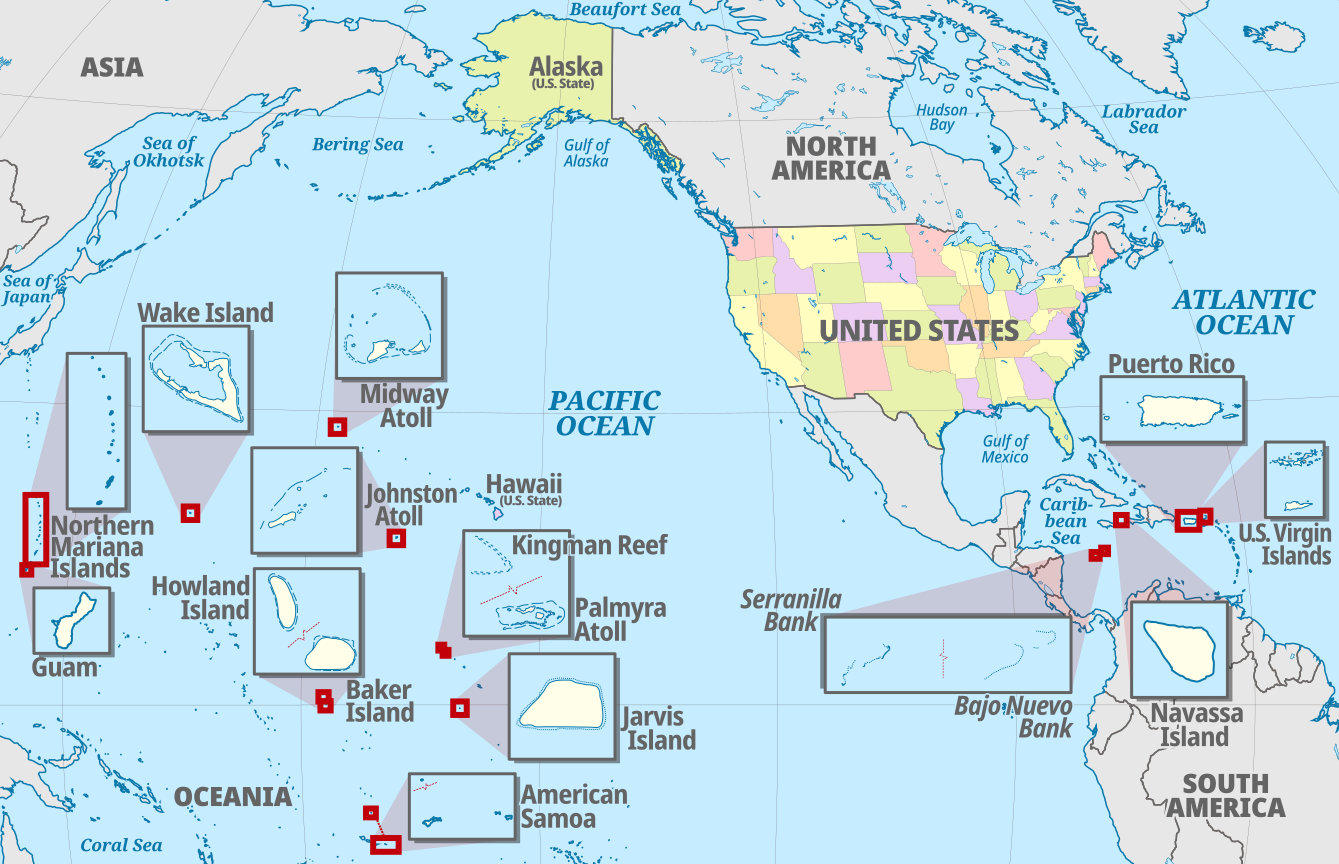
The exception lies in U.S. territories. Municipal bonds issued by Puerto Rico, Guam, and the US Virgin Islands are completely exempt from federal, state, and local income taxes for United States residents, making them highly liquid "triple-tax-free" instruments across all 50 states.
Crucially, the tax exemption applies only to the interest. Capital gains realized from the sale of any municipal bond are fully taxable at the federal level.
The Tale of Two Discounts
If a client buys a municipal bond for $900 (a discount from its $1,000 par value) and holds it to maturity, they will make a $100 profit. How the IRS taxes that $100 depends entirely on when the bond was discounted.
Scenario A: Original Issue Discount (OID) Original Issue Discount (OID) municipal bonds are initially issued at a price significantly lower than par value during the primary offering. The IRS treats the discount as a substitute for a higher interest rate. Therefore, the annual accretion of an Original Issue Discount municipal bond is treated by the IRS as tax-exempt interest income.
- The annual accretion of an Original Issue Discount municipal bond strictly increases the investor's internal cost basis each year.
- Because the basis steps up tax-free, holding an Original Issue Discount municipal bond to maturity results in absolutely no realized capital gain.
- If the investor sells early, the adjusted cost basis of an Original Issue Discount municipal bond sold prior to maturity determines the final capital gain calculation or final capital loss calculation.
Scenario B: Secondary Market Discount Secondary Market Discount municipal bonds are purchased below par value in the open market after the initial primary issuance (because interest rates rose).
- Like OIDs, the annual accretion of a secondary market discount municipal bond strictly increases the investor's internal cost basis each year.
- However, the annual accretion of a secondary market discount municipal bond is treated by the IRS as fully taxable ordinary income. The IRS views this not as the municipality paying interest, but as the investor hunting for a market bargain.
Premium Amortization
When a client buys a bond above par, they face the opposite math. Premium amortization is an accounting process reducing the cost basis of a municipal bond purchased at a premium over the remaining life of the bond.
- The annual amortization amount of a premium municipal bond is strictly not tax-deductible against the investor's ordinary income.
- Holding a premium municipal bond completely to maturity results in absolutely no realized capital loss, because the fully amortized cost basis of a premium municipal bond held perfectly to maturity equals the bond's face par value.
- If sold early, the realized capital gain (or realized capital loss) on a premium municipal bond sold prior to maturity is calculated using the bond's precisely amortized cost basis.
Bank-Qualified Municipal Bonds
Finally, municipalities want local banks to buy their debt. To incentivize this, they issue bank-qualified municipal bonds, which allow commercial banks to legally deduct a specific portion of the interest expense incurred to carry the bonds.
- Commercial banks purchasing bank-qualified municipal bonds can deduct exactly 80% of the associated interest carrying costs for tax purposes.
- To prevent massive municipal issuers from exploiting this, a municipality is strictly legally restricted to issuing a maximum of $10 million in bank-qualified bonds per single calendar year.
As you step into your role as a General Securities Representative, remember that municipal bonds are not just pieces of paper; they are the financial bedrock of the nation's infrastructure. By mastering how they are quoted, how their interest accrues, and precisely how they are taxed, you protect both the capital of your clients and the integrity of the market.