U.S. Government and Agency Securities
In modern finance, every asset—from a speculative technology stock to a complex corporate bond—is priced relative to a single, foundational benchmark: the borrowing cost of the United States government. As a registered representative, your mastery of U.S. government and agency securities is not merely an exercise in memorizing maturity dates and tax rules. You are learning the gravitational center of the financial markets. Clients will rely on your expertise to construct safety nets, generate predictable income, and shield their capital from the erosive forces of inflation and state taxes. To advise them properly, you must look under the hood and understand exactly how these instruments are structured, priced, and traded.
The U.S. Treasury issues securities in exclusively book-entry form, meaning no physical paper certificates exist—ownership is tracked entirely via computer records. All Treasury bills, notes, and bonds are accessible to almost any investor, featuring a low minimum denomination of $100.
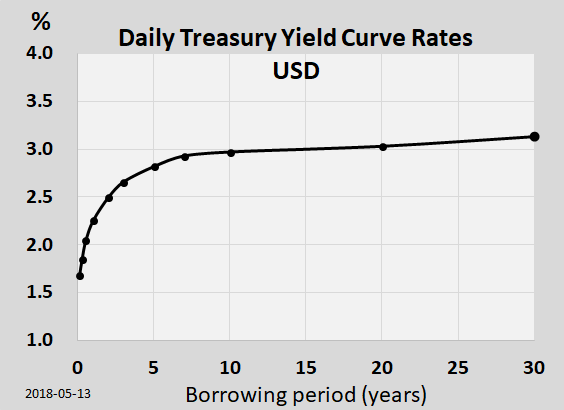
However, the Treasury divides its borrowing into distinct categories based on maturity, and the rules of the game change depending on which end of the yield curve you are playing.
United States Treasury Bills (T-Bills)
If the government needs money for a short-term horizon, it issues Treasury bills. These are short-term debt obligations with a maximum maturity of one year. They are issued in highly predictable, standard maturities of 4, 13, 26, and 52 weeks.
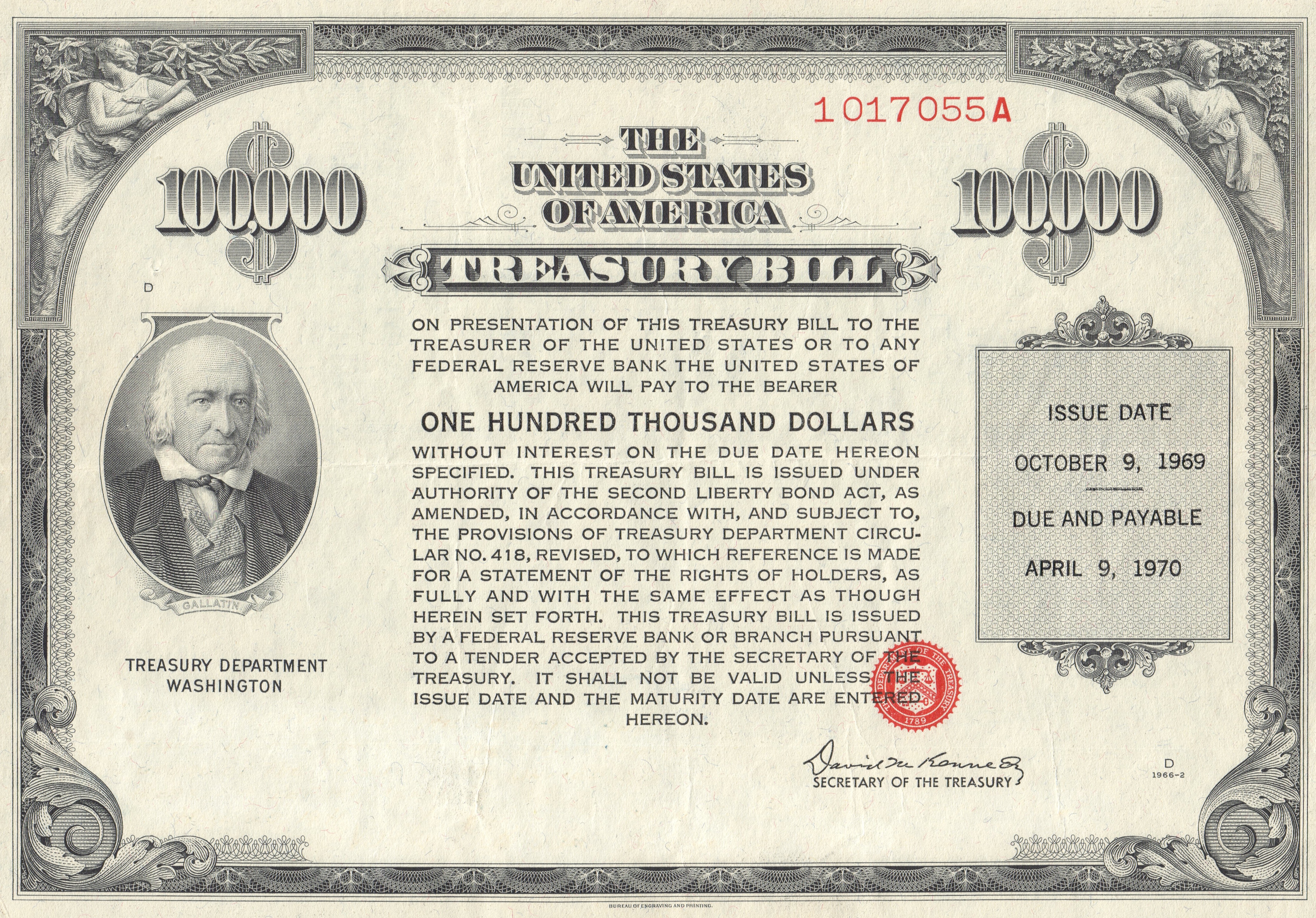
T-bills are unique because they do not pay periodic interest. Instead, United States Treasury bills are issued at a deep discount to their par value.
The Return Mechanism: The return on a United States Treasury bill is simply the difference between the discounted purchase price and the full par value received at maturity.
Quoting T-Bills: Alice in Wonderland Pricing
To a newcomer, reading a T-bill quote feels backward: the bid quote is numerically higher than the ask quote.
Why? Because United States Treasury bills are quoted on an annualized discount yield basis—you are looking at a percentage discount, not a dollar price. A higher annualized discount yield bid quote indicates a lower dollar price for a United States Treasury bill.
- Dealer Bid: "I demand a 5.00% discount." (Lower dollar price paid to the customer)
- Dealer Ask: "I am willing to sell it at a 4.90% discount." (Higher dollar price charged to the customer)
United States Treasury Notes and Bonds
When the government borrows for longer horizons, it issues notes and bonds.
- United States Treasury notes are intermediate-term debt obligations with maturities ranging from two to ten years.
- United States Treasury bonds are long-term debt obligations with maturities greater than ten years.
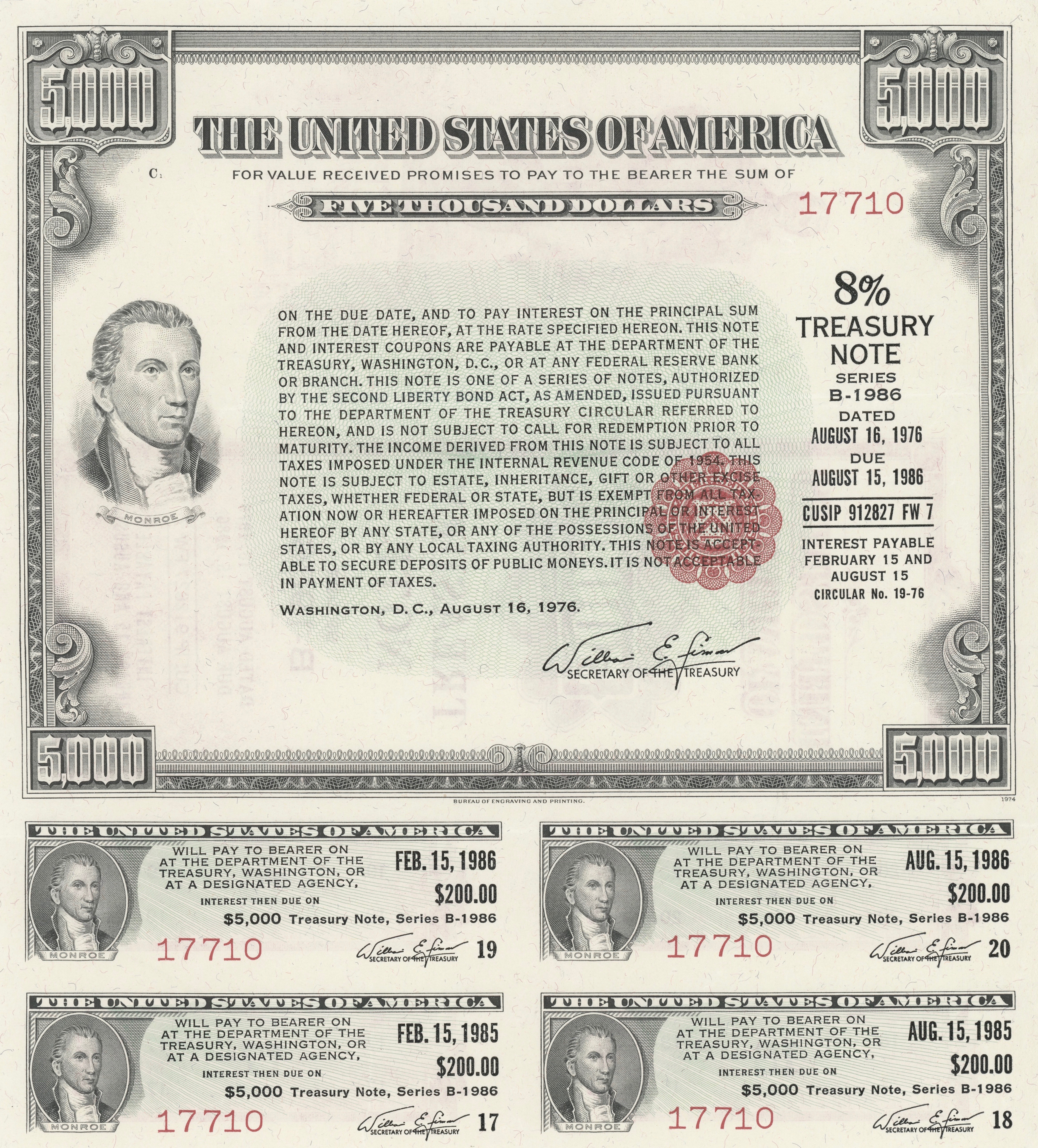
Unlike T-bills, both United States Treasury notes and bonds pay actual coupon interest semi-annually.
Quoting Notes and Bonds: Fractional Mechanics
Because they pay interest, notes and bonds are not quoted on a discount yield basis. They are quoted as a percentage of par in increments of 1/32 of a point.
You must be able to translate these quotes into actual dollars seamlessly.
- A quote of 98-16 for a United States Treasury bond represents 98 and 16/32 percent of par value. (Since 16/32 is a half, this bond is trading at 98.5% of par, or $985 for a $1,000 bond).
- The Plus Sign: Sometimes you will see a quote like 98-16+. A plus sign in a United States Treasury bond quote indicates an additional 1/64 of a point.
- Therefore, a United States Treasury bond quote of 98-16+ represents a price of 98 and 33/64 percent of par value (because 16/32 equals 32/64, plus the extra 1/64).
Market Operations: Settlement and Accrued Interest
When your client buys or sells these securities in the secondary market, the regular way settlement for United States Treasury securities occurs on the next business day after the trade date (T+1).
Because notes and bonds pay interest every six months, a buyer must compensate a seller for the interest earned between the last payment date and the settlement date. Accrued interest for United States Treasury notes and bonds is calculated using actual days in the month and actual days in the year (Actual/Actual day-count convention).
How do these securities come into existence? The government sells them directly to the public and institutions. United States Treasury securities are auctioned through a competitive and non-competitive bidding process.
Imagine you are at this auction. Giant financial institutions submit competitive bids, stating the exact yield they are willing to accept. Conversely, retail investors or smaller funds submit non-competitive bids, essentially saying, "I just want the bonds; I will accept whatever yield the auction determines."
- Non-competitive bids at a United States Treasury auction are always filled in full before competitive bids. The Treasury wants to guarantee the public gets their allocation.
- Next, the Treasury sorts the competitive bids from the lowest yield requested (cheapest for the government) to the highest.
- They accept bids moving up the ladder until they have raised all the money they need. The stop-out yield at a United States Treasury auction is the highest yield accepted among the competitive bids.
Here is the brilliant, egalitarian twist of a Dutch auction system: All winning bidders at a United States Treasury auction receive the single stop-out yield. Even if an aggressive institution bid a lower yield, they are rewarded with the higher stop-out yield.
The Treasury has designed specialized tools to address specific economic risks and operational needs.
Treasury Inflation-Protected Securities (TIPS)
Inflation is the silent assassin of fixed-income returns. To combat this, the government issues TIPS. Treasury Inflation-Protected Securities are issued with a fixed stated interest rate.
But here is the magic: The principal value of Treasury Inflation-Protected Securities is adjusted semi-annually based on the Consumer Price Index (CPI).
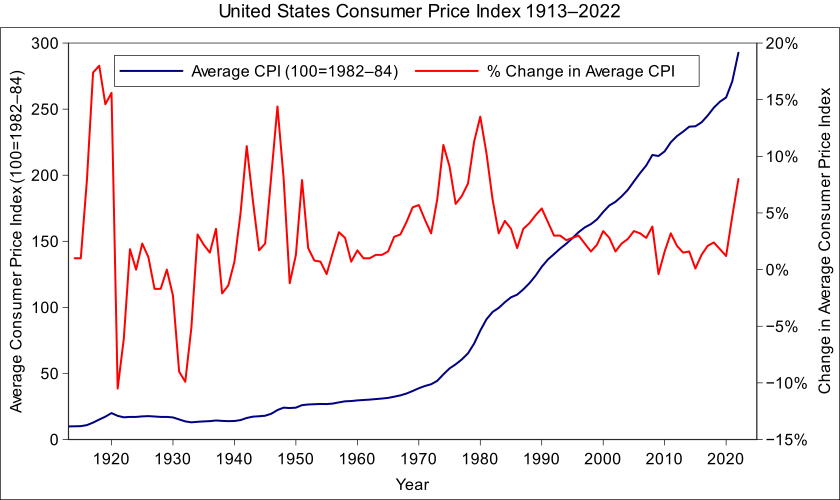
Because your principal is adjusting to match inflation, your interest payments grow too. The semi-annual interest payment for Treasury Inflation-Protected Securities is calculated by multiplying the fixed interest rate by the inflation-adjusted principal.
The Deflation Floor: What if the economy experiences deflation and the CPI drops? The Treasury protects the investor. An investor holding Treasury Inflation-Protected Securities will receive the greater of the inflation-adjusted principal or the original par value at maturity.
Zero-Coupon Securities: STRIPS and Receipts
Some clients have a specific liability in the future—say, college tuition in exactly ten years. If they buy a normal 10-year Treasury note, they face reinvestment risk: the struggle of figuring out how to reinvest their semi-annual interest payments at a good rate.
Enter the zero-coupon bond. Zero-coupon Treasury securities do not expose the investor to reinvestment risk during the holding period because there are no semi-annual coupons to reinvest; the return is entirely locked into the discount.
There are two distinct types you must differentiate:
- STRIPS (Separate Trading of Registered Interest and Principal of Securities): These are zero-coupon bonds issued directly by the United States Treasury. Because they pay no interest, United States Treasury STRIPS are sold at a deep discount to par value. Crucially, United States Treasury STRIPS are backed by the full faith and credit of the United States government.
- Treasury Receipts: These are zero-coupon bonds created by broker-dealers who buy standard Treasury notes and bonds, strip the coupons off, and sell the pieces. Therefore, Treasury Receipts are not backed by the full faith and credit of the United States government (they are backed by the financial engineering of the issuing broker-dealer).
Warning: The Phantom Tax. Just because a client isn't receiving cash interest doesn't mean the IRS ignores them. Investors in zero-coupon Treasury securities must pay annual federal income tax on the phantom accreted interest. The bond's value mathematically accretes upward each year, and the IRS taxes that paper gain annually as ordinary income.
Cash Management Bills (CMBs)
Occasionally, the Treasury runs into a short-term liquidity crunch—like an individual a few days away from a paycheck. To fix this, they issue Cash management bills, which are short-term United States Treasury obligations issued with irregular maturities to meet temporary cash shortfalls.
The government also sponsors or owns various agencies to lower the cost of borrowing for critical sectors of the economy, most notably housing, education, and agriculture.
The Mortgage-Backed Securities (MBS) Landscape
When a client buys a mortgage-backed pass-through security, they are buying a slice of a massive pool of home loans. As homeowners pay their mortgages each month, the cash "passes through" to the investor. Consequently, mortgage-backed agency pass-through securities make payments to investors on a monthly basis.
Because a typical homeowner's mortgage payment is an amortizing loan, monthly payments from mortgage-backed pass-through securities consist of both interest and principal.
There are three major players in this space, and you must know exactly how they differ structurally:
- Ginnie Mae (Government National Mortgage Association): This is the gold standard of agencies. The Government National Mortgage Association is a wholly owned government corporation. Consequently, Ginnie Mae pass-through securities are backed by the full faith and credit of the United States government. To invest, clients must meet the Ginnie Mae pass-through securities minimum denomination of $1,000.
- Fannie Mae (Federal National Mortgage Association): Fannie Mae is a publicly held corporation. While they have an implicit government guarantee, legally, Fannie Mae debt obligations are not backed by the full faith and credit of the United States government.
- Freddie Mac (Federal Home Loan Mortgage Corporation): Like Fannie, Freddie Mac is a publicly held corporation, and Freddie Mac debt obligations are not backed by the full faith and credit of the United States government.
Note on accrued interest: While actual Treasuries use Actual/Actual day counts, accrued interest on Fannie Mae and Freddie Mac debentures is calculated using a 30-day month and a 360-day year day-count convention (like corporate bonds).
The Mortgage Yield Seesaw: Prepayment and Extension Risk
When a client buys an MBS, they are essentially giving thousands of homeowners the right to pay off their debt whenever they want. This subjects the investor to two massive, directional risks based on interest rates:
- When prevailing interest rates decline: Homeowners rush to refinance their expensive mortgages into cheaper ones. This triggers prepayment risk, which is the risk that homeowners will refinance mortgages early and return principal to investors sooner than expected. The investor gets their money back early, exactly when rates are low, forcing them to reinvest at lower yields. Mortgage-backed securities subject investors to prepayment risk when prevailing interest rates decline.
- When prevailing interest rates increase: Homeowners clutch their existing low-rate mortgages tightly. Nobody moves; nobody refinances. This triggers extension risk, which is the risk that homeowners will delay refinancing mortgages and return principal to investors later than expected. The investor is trapped holding a lower-yielding asset longer than anticipated. Mortgage-backed securities subject investors to extension risk when prevailing interest rates increase.
Other Agency Issuers
Beyond housing, other entities issue debt to lubricate specific economic engines:
- Sallie Mae (Student Loan Marketing Association): Sallie Mae issues securities to provide funding for student loans. Because it is a publicly traded entity, Sallie Mae securities are not backed by the full faith and credit of the United States government.
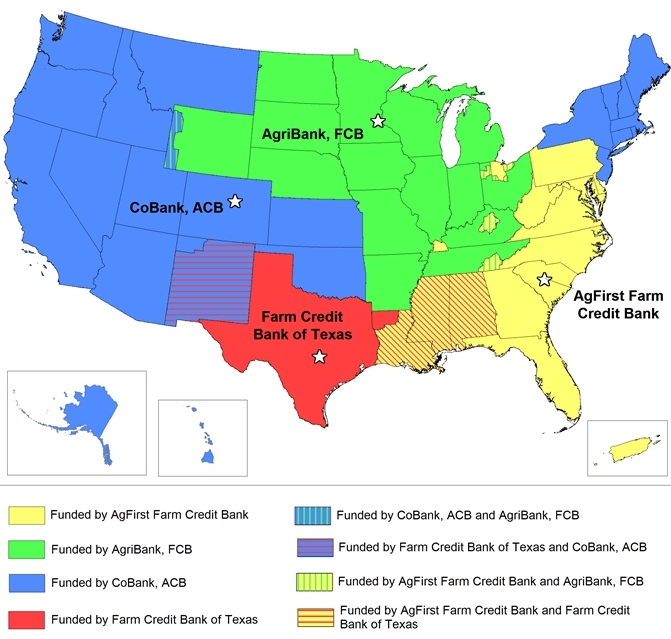
- Federal Farm Credit Banks: The Federal Farm Credit Banks issue securities to provide agricultural loans to farmers.
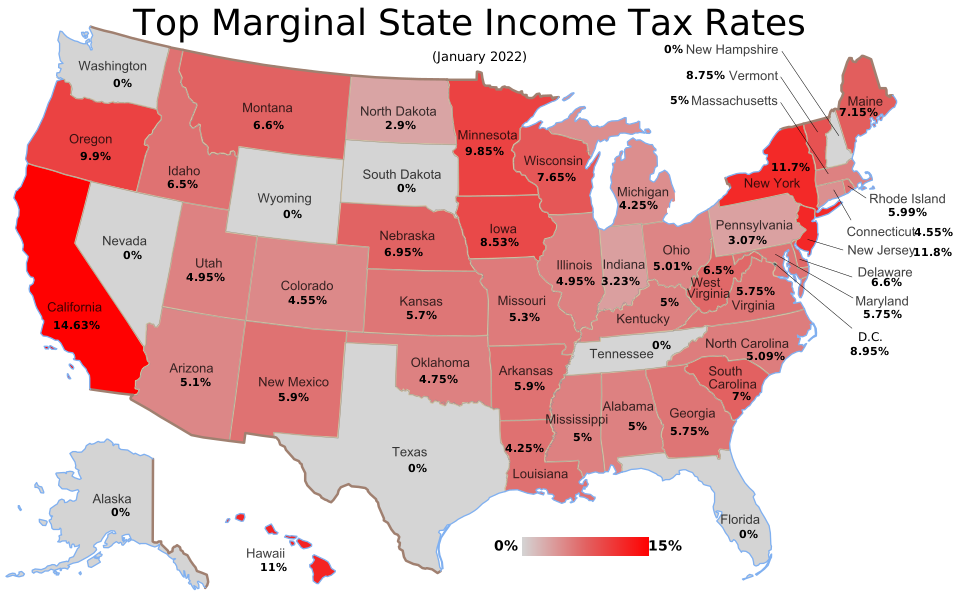
You cannot properly advise a client without understanding the net, after-tax yield of their investments. Different government entities face drastically different taxation rules.
| Issuer Category | Federal Taxation | State & Local Taxation | Rationale for the Client |
|---|---|---|---|
| U.S. Treasury Securities (Bills, Notes, Bonds, TIPS, STRIPS) | Subject to federal tax | Exempt from state & local tax | Ideal for clients living in high-income-tax states (e.g., California, New York) seeking absolute safety. |
| Mortgage-Backed Agencies (Ginnie Mae, Fannie Mae, Freddie Mac) | Fully Taxable | Fully Taxable | Because these securities benefit localized housing markets, they lose the state/local tax exemption. |
| Farm Credit System | Subject to federal tax | Exempt from state & local tax | Similar to direct Treasuries, Farm Credit debt securities are exempt from state and local income taxes. |
To summarize the absolute rules for the exam:
- Interest income earned on United States Treasury securities is subject to federal income taxes.
- Interest income earned on United States Treasury securities is exempt from state and local income taxes.
- Interest income earned on mortgage-backed securities issued by Ginnie Mae, Fannie Mae, and Freddie Mac is fully taxable at the federal, state, and local levels.
- Farm Credit System debt securities are exempt from state and local income taxes.
As a future General Securities Representative, mastering these nuances—from the mathematical certainty of a STRIP eliminating reinvestment risk to the behavioral uncertainty of a homeowner triggering prepayment risk—ensures you can build resilient, sophisticated fixed-income portfolios for your clients.