Basic Economic Concepts
Not sure you’re ready?
Take the ~3-minute readiness diagnostic and see where you stand.
Consider the Earth as a closed physical system. We inhabit a planet with a fixed amount of matter, yet we are a species endowed with an infinite capacity for imagination and desire. A child does not merely want a wooden block; they want a bicycle, a personal computer, and eventually a rocket ship to Mars. Human wants for economic products are inherently unlimited. Yet, the iron, silicon, and hours of human labor required to build these wonders are fiercely finite. The resources available to produce economic products are limited. This fundamental friction between our boundless human aspiration and the strict physical limits of our environment generates the entirety of economic thought. Economics is not merely the study of money; it is the study of survival, ingenuity, and flourishing under the rigid constraints of physical reality.

If we peel back the layers of any financial system, we discover one inescapable truth: scarcity.
Scarcity is the fundamental economic problem of having seemingly unlimited human wants in a world of limited resources.
Because we cannot have everything, we must make choices. Every economic system must answer three basic, structural questions to navigate this reality:
- What goods to produce?
- How to produce those goods?
- For whom to produce those goods?
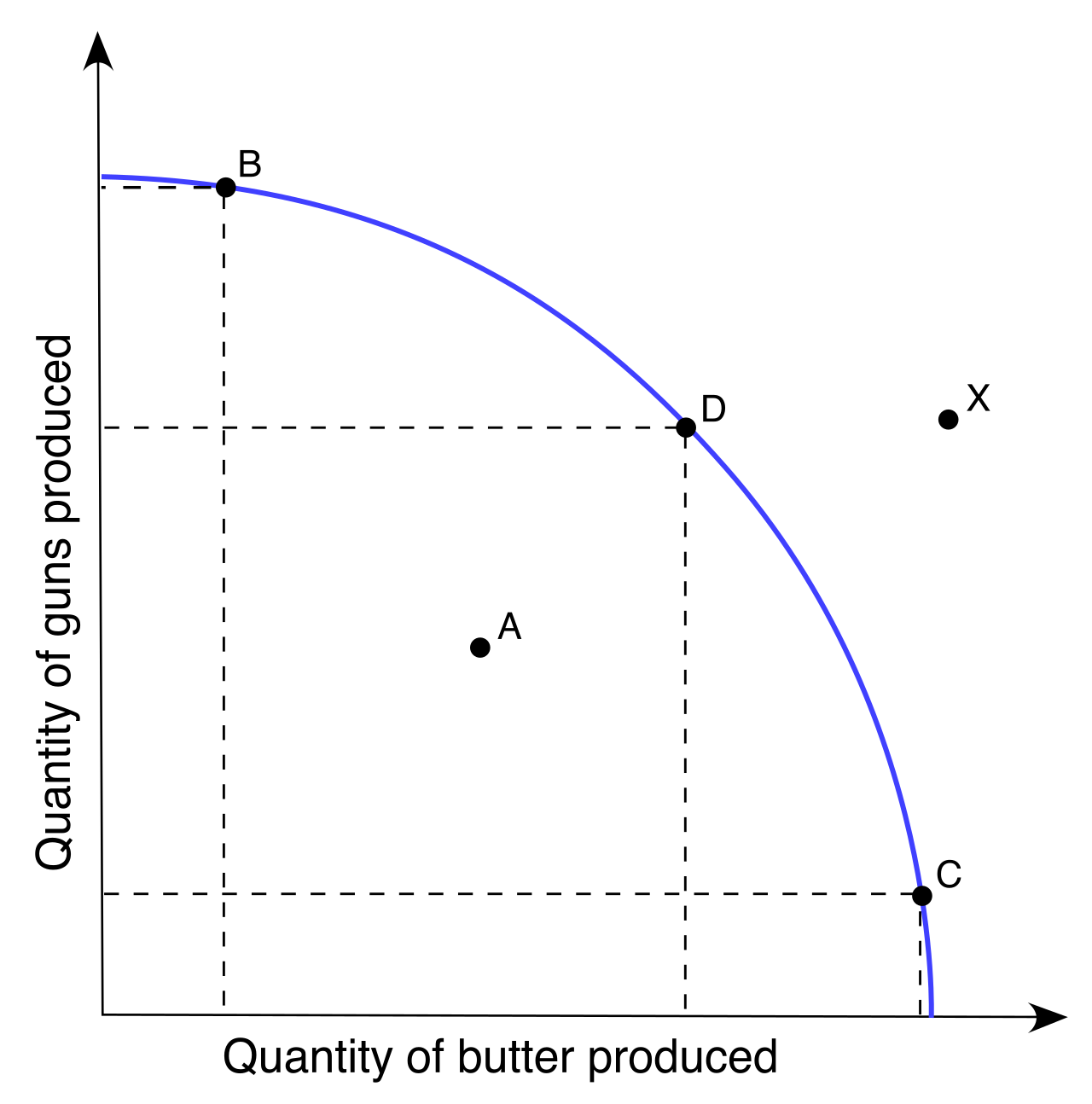
Ultimately, economic systems exist to determine how to allocate scarce resources among competing uses. When a city uses concrete and steel to build a new hospital, it cannot use those exact same materials to build a bridge. Therefore, every economic decision involves trade-offs due to the fundamental problem of scarcity.
A trade-off involves sacrificing one option to obtain another. But how do we measure the pain of that sacrifice? We do not measure it in vague feelings; we measure it in lost opportunities. Opportunity cost is the specific value of the single next best alternative given up when making a choice. If you spend your Friday evening studying for this exam instead of working a shift that pays $60, the opportunity cost of your study session is precisely the $60 you forfeited, plus whatever experience you would have gained on the job.
When we observe these choices at the granular level, we engage in microeconomics, which studies the economic behavior of individual consumers and individual businesses. In this arena, the interactions of individual actors are governed by the mechanical forces of supply and demand.
Supply
Supply is the total amount of a specific economic asset available to consumers. Imagine a local baker deciding how many loaves of sourdough to bake. If the town is willing to pay $2 for a loaf, the baker might bake ten. If the town is suddenly willing to pay $8 a loaf, the baker will fire up a second oven. This behavioral rule is so reliable we call it the law of supply: producers will increase production of a product when its market price increases.
Demand
In casual conversation, "demand" means asking firmly for something. In economics, it is far more precise. Demand is the economic principle describing a consumer's desire to purchase a specific product. Crucially, mere desire is not enough. Economic demand requires a consumer to have the financial willingness to pay a specific price for an item. If I desire a private jet but have empty pockets, my demand is mathematically zero.
Because consumers want to maximize their limited resources, they are highly sensitive to price tags. The law of demand states that consumers will purchase a higher quantity of a product when its market price decreases.
Finding the Balance
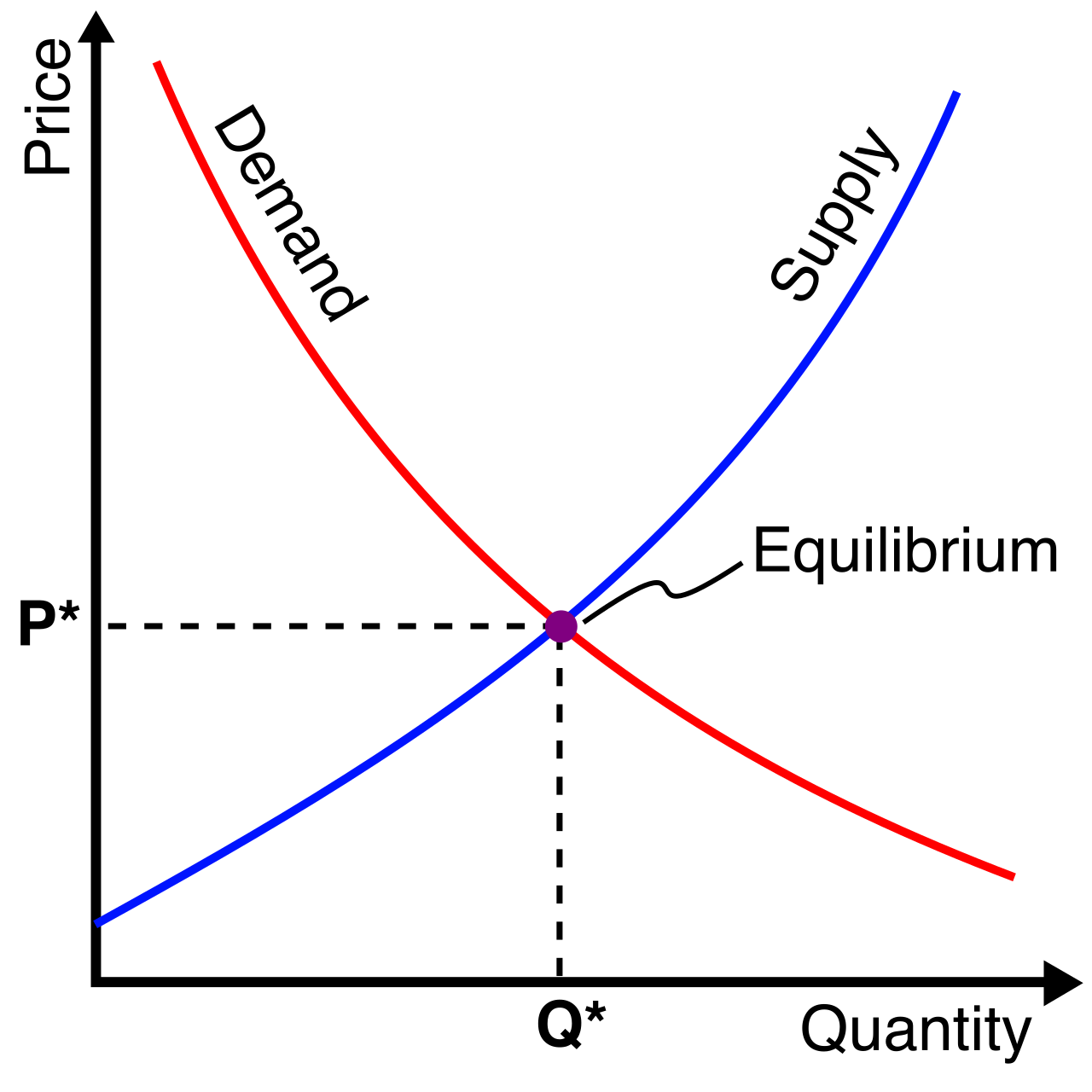
If we plot the baker’s rising supply and the consumers' falling demand on a graph, the two lines will eventually cross.
The market equilibrium price is established at the exact point where the quantity supplied equals the quantity demanded.
At this magical price point, there is no waste and no want. But markets are rarely perfectly balanced. If the baker produces 50 loaves but prices them at $10 each, only 10 people might buy them. An economic surplus occurs when the quantity supplied of a product exceeds the quantity demanded. Conversely, if the loaves are priced at $1, 100 people might show up for only 50 loaves. An economic shortage occurs when the quantity demanded of a product exceeds the quantity supplied.
To produce goods, an economy requires raw materials, human effort, and tools. We categorize these inputs carefully.
First, we have natural resources, which are materials occurring in nature that can be exploited for economic gain. Think of crude oil, fresh water, and timber. Over time, heavy consumption leads to the depletion of natural resources, which historically forces economies to innovate and develop alternative energy sources, such as solar or wind power.
Second, we look at the human element. An expanding population increases the overall market demand for basic necessities like food and housing. However, an increasing population is not merely a drain on resources; it is also an engine. An increase in a region's population expands the size of the available labor force, and subsequently, a larger labor force increases a region's overall capacity for economic production.
But raw labor isn't enough; the quality of that labor matters. Human capital refers to the collective knowledge, skills, and experience possessed by an individual or population. When a society builds universities or funds trade schools, it is investing in human capital through education, which increases overall economic productivity. A highly educated engineer can design a bridge that takes half the steel to support twice the weight.
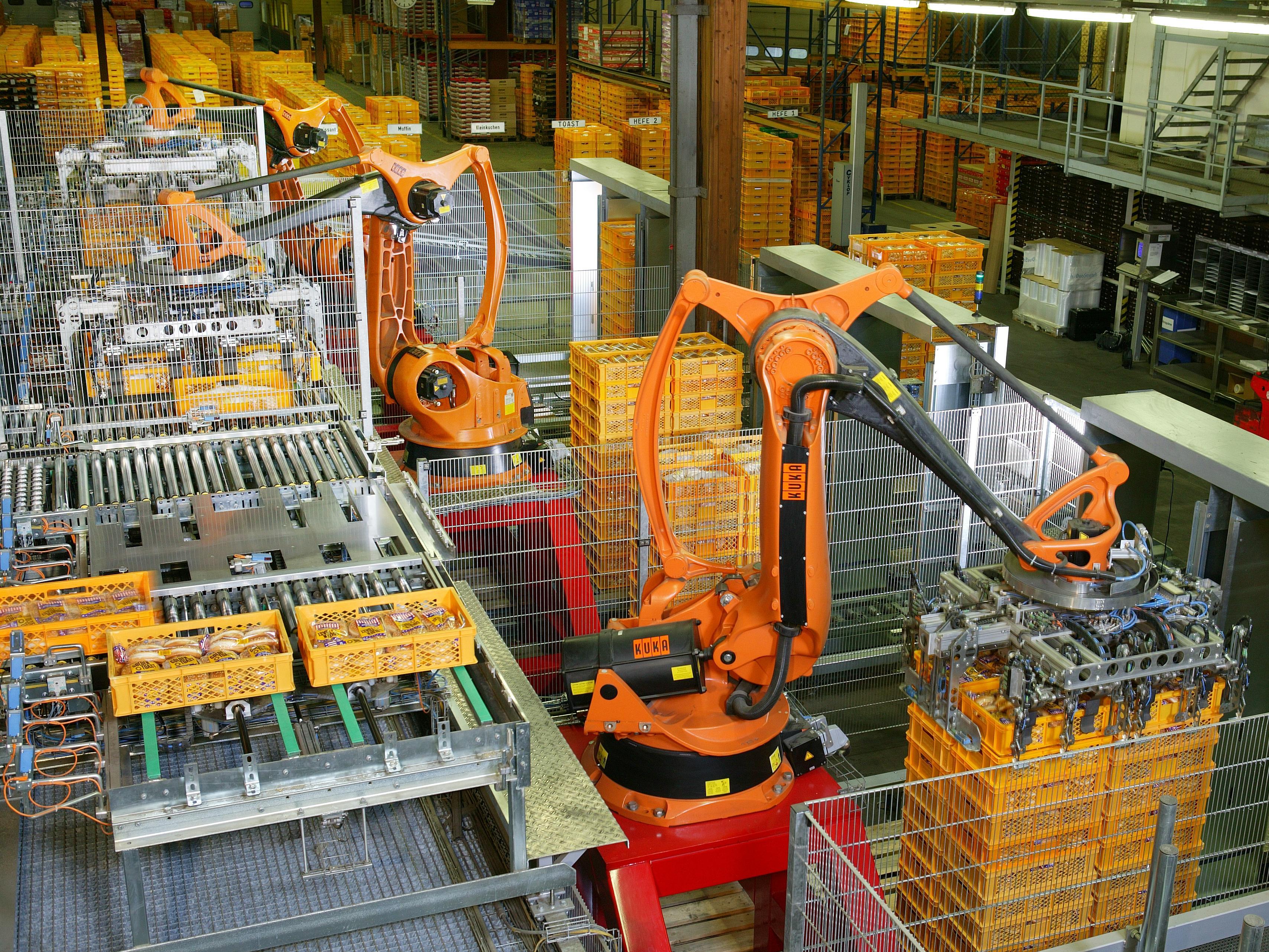
Finally, we have tools. In economics, capital resources are man-made physical assets used in the production of other economic outputs. Examples of capital resources include factory buildings, delivery trucks, and manufacturing tools.
All these inputs are supercharged by technological advancements. Technology fundamentally alters the physical limits of production in three distinct ways:
- Lowering costs: Technological advancements lower the monetary cost of extracting natural resources from the environment (e.g., advanced drilling techniques).
- Speed and Efficiency: Technological advancements increase production efficiency by reducing the time needed to manufacture goods.
- The Human Cost: As systems become more efficient, technological advancements in automation often render older manual manufacturing skills obsolete, forcing workers to retrain.
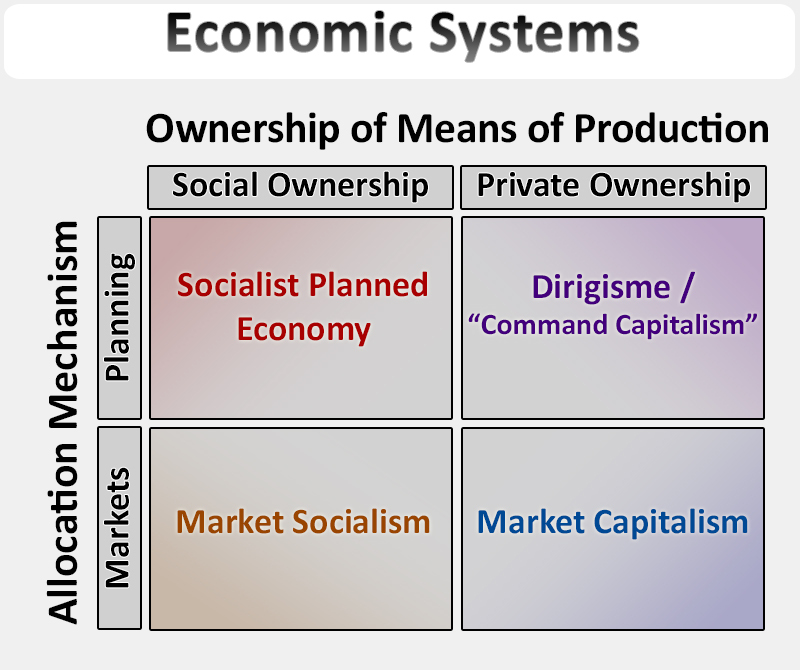
While microeconomics looks at the trees, macroeconomics studies the performance of a national or global economy as a whole. To manage the macroeconomy, human societies have historically relied on different rulebooks.
| Economic System | Core Characteristic |
|---|---|
| Traditional Economy | Relies primarily on inherited customs and historical precedents to guide economic decisions. |
| Command Economy | A system where a central government makes all production and pricing decisions. |
| Free Market Economy | A system where pricing decisions are dictated entirely by the interactions of individual citizens and private businesses. |
| Mixed Economy | Incorporates characteristics of a free market system alongside varying degrees of government intervention. |
The United States operates primarily under a mixed economic system. While citizens and private businesses make the vast majority of pricing and production decisions, the government steps in as both a referee and a safety net.
To measure the success of an economic system on a macro level, economists use several vital metrics. The most famous is Gross Domestic Product (GDP), which measures the total monetary value of all final economic output produced within a country over a specific time period.
We must also monitor the stability of our currency.
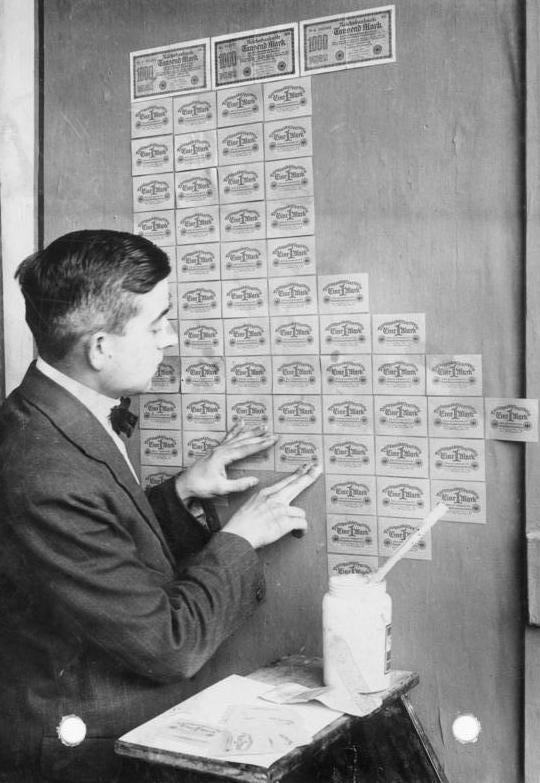
- Inflation is the rate at which the general level of prices for market products rises. Because your money buys less than it used to, high inflation decreases the overall purchasing power of a specific national currency.
- Conversely, deflation is a sustained decrease in the general price level of economic output within a nation. While falling prices sound great to consumers, deflation often signals a dangerous stalling of the economic engine.
In a mixed economy, the government corrects the blind spots of the free market.
Protecting Ideas and Assets
Markets collapse without trust and ownership. The government enforces physical property rights to protect the ownership of tangible assets, ensuring that a thief cannot steal your delivery truck with impunity. Just as importantly, the government enforces intellectual property rights to protect the ownership of intangible creations like patents. Why does this matter? Because secure property rights encourage economic innovation by ensuring creators can profit from their inventions. If a brilliant chemist knows her new medicine cannot be legally copied by a rival, she will spend the millions of dollars required to research it.
Market Failures and Public Goods
Sometimes, the profit motive fails entirely. The government provides public goods that the private market fails to supply efficiently. No private company can profitably bill citizens for clean air, or charge an entry fee for national safety. Thus, examples of government-provided public goods include national defense, public parks, and interstate highways.
Preventing Monopolies
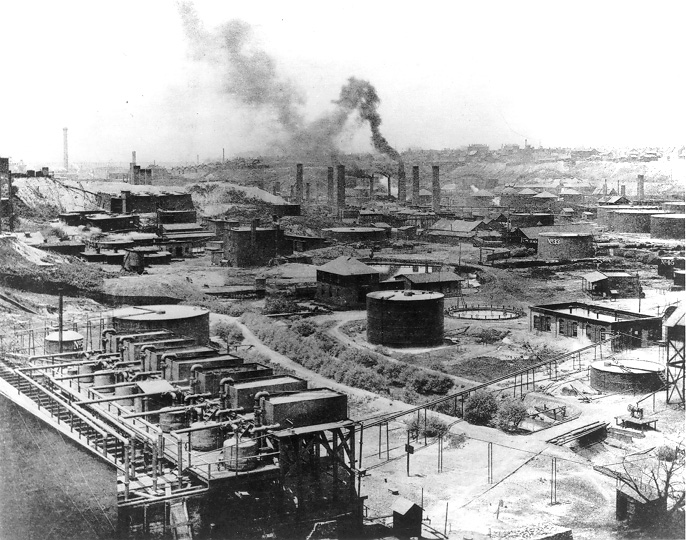
When the competitive dance of supply and demand breaks down, a market monopoly exists, which occurs when a single company is the sole supplier of a particular product. Monopolies can artificially choke supply to raise prices. To combat this, the United States government uses antitrust laws to prevent monopolies from dominating a market. This legal tradition began over a century ago; the Sherman Antitrust Act of 1890 was the first Federal act that outlawed monopolistic business practices in the United States.
The Levers of Power: Fiscal and Monetary Policy
To prevent the macroeconomy from overheating into hyperinflation or plunging into a depression, the government utilizes two distinct steering wheels.
1. Fiscal Policy Fiscal policy is the use of government revenue collection and expenditure to influence a country's economy. This is managed by the legislature and the executive branch. A key tool of fiscal policy is taxation. Specifically, the government uses progressive taxation to collect higher percentages of income from wealthier individuals. The money collected doesn't just disappear into a vault; the government uses tax revenue to fund social welfare programs for citizens in financial need, stabilizing the society against the brutal extremes of the free market.
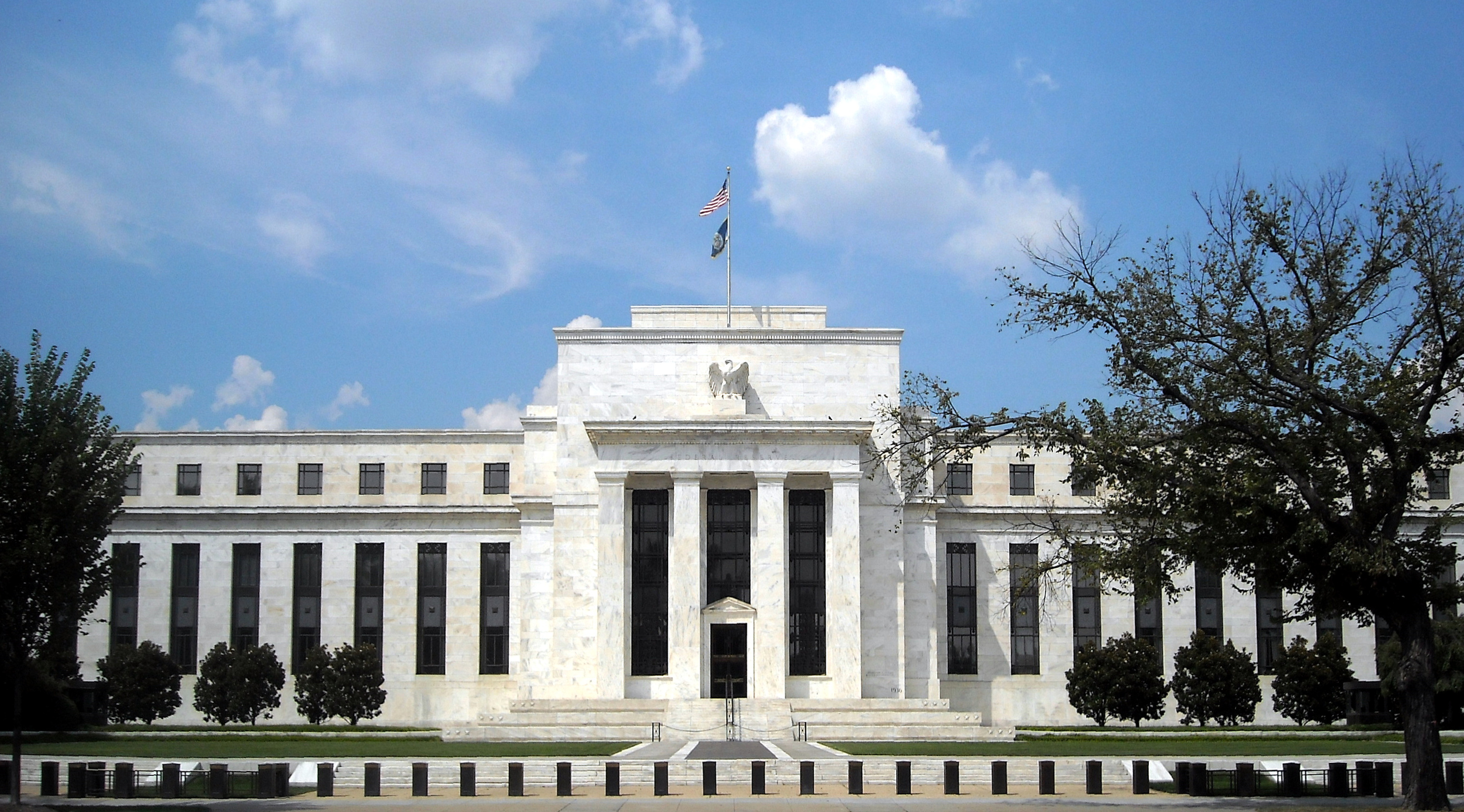
2. Monetary Policy Monetary policy is the process by which a central bank manages the national money supply to achieve specific economic goals. In the U.S., this authority rests with the Federal Reserve. Historically, the Federal Reserve Act of 1913 established the central banking system of the United States.
The central bank does not pass tax laws. Instead, central banks use interest rate adjustments as a primary tool of monetary policy to stabilize the economy. When inflation runs too hot, the bank makes borrowing money more expensive. Consequently, the Federal Reserve System influences national inflation by adjusting the federal funds rate.
Understanding these basic principles—from the undeniable physical reality of scarcity to the complex monetary levers pulled by modern central banks—gives us the power to decipher the world around us. Economics is not an abstraction; it is the living, breathing mechanics of human civilization.