Structure and Processes of Earth
Not sure you’re ready?
Take the ~3-minute readiness diagnostic and see where you stand.
Pick up an ordinary stone from the ground, and you are holding a fragment of a colossal, churning thermal engine. The solid earth beneath our feet is not a permanent, static stage; it is merely the hardened, transient rind of a spherical machine that has been continuously recycling its own surface for over four billion years. To understand Earth science is to recognize that mountains, oceans, and atmospheric gases are not distinct, isolated phenomena. Rather, they are deeply interconnected systems in constant motion, driven by the profound heat radiating from the planet's core and the radiant energy pouring in from our Sun.
Understanding the architecture and processes of our planet requires us to look at Earth through two different lenses: what it is made of (its chemical composition) and how it behaves (its mechanical properties).
If we slice the Earth in half, we find that the planet has settled into distinct strata based on density. The Earth is composed of four main compositional layers: the crust, the mantle, the outer core, and the inner core.
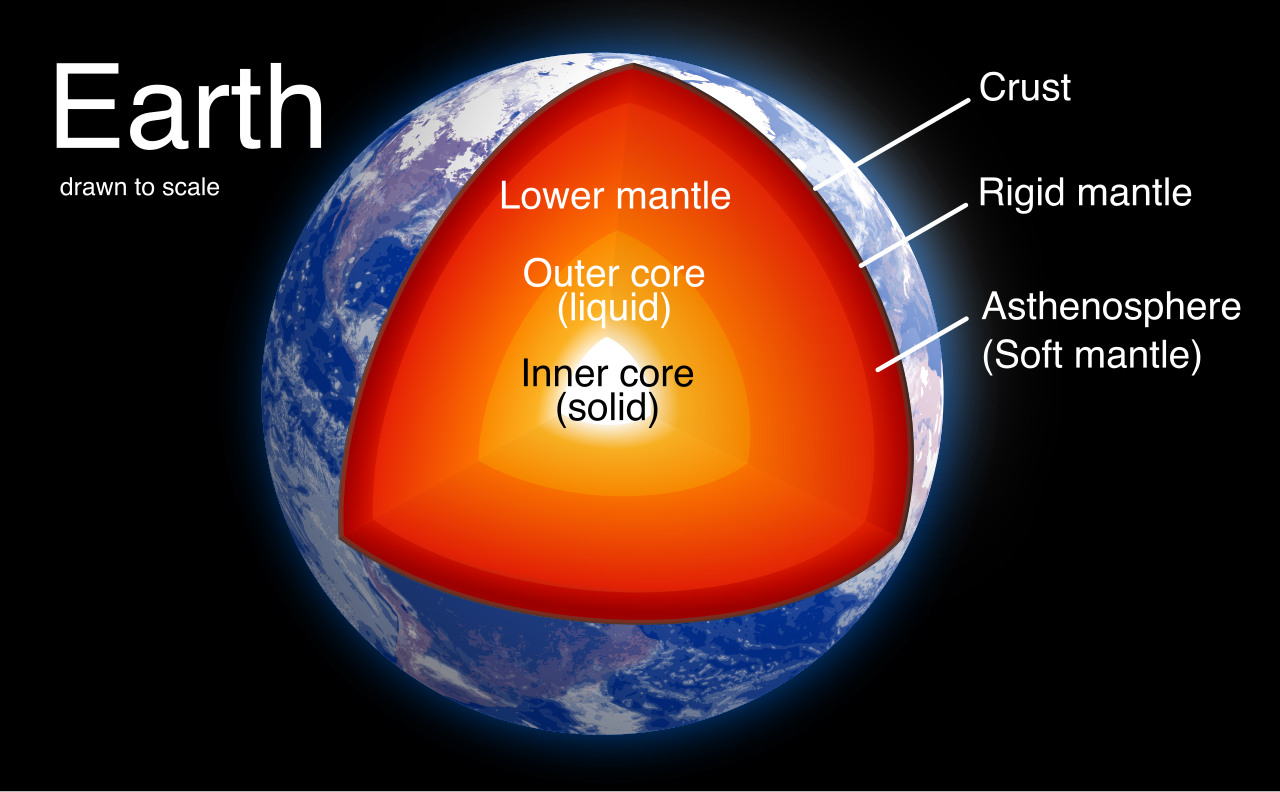
1. The Compositional Layers (What Earth is Made Of)
- The Crust: The Earth's crust is the outermost solid layer of the planet. It is the razor-thin skin of our apple, but it is not uniform. The Earth's crust is divided into two distinct types: oceanic crust and continental crust.
- Continental crust is significantly thicker than oceanic crust and is primarily composed of less dense granitic rocks.
- Oceanic crust, by contrast, is much thinner but is primarily composed of denser basaltic rocks. Because it is denser, oceanic crust rides lower on the underlying mantle, creating the deep basins that hold our oceans.
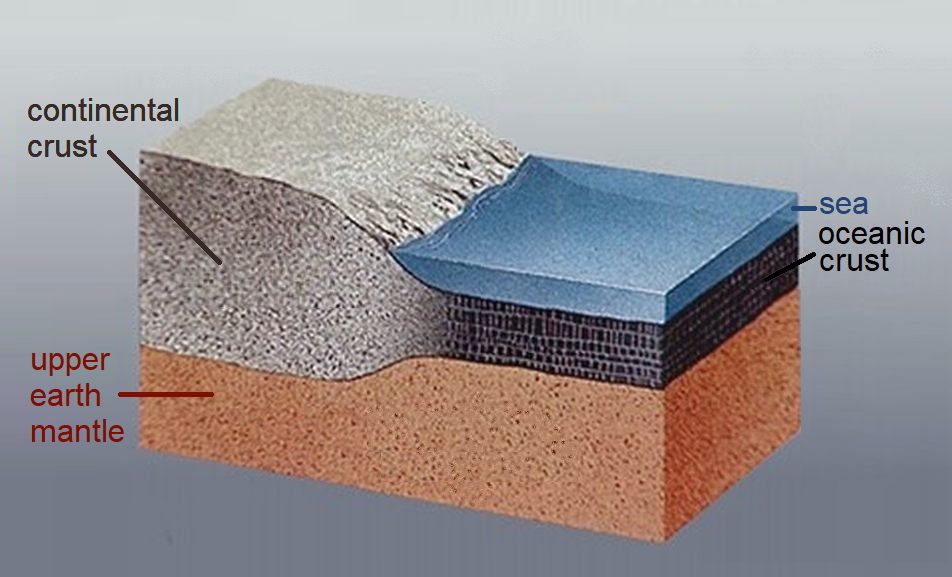
- The Mantle: Located directly beneath the Earth's crust, the mantle is the thickest compositional layer of the Earth. While we often imagine the deep Earth as a sea of magma, the mantle actually consists of solid rock that slowly deforms and flows over geological time.
- The Outer Core: Descending further, we reach a boundary where temperatures soar and the composition shifts from silicate rock to heavy metal. The outer core is a liquid layer of the Earth, composed predominantly of iron and nickel.
Crucial Concept: Convection currents within this violently swirling, liquid outer core generate the Earth's magnetic field—a massive electromagnetic shield that protects our atmosphere from the solar wind.
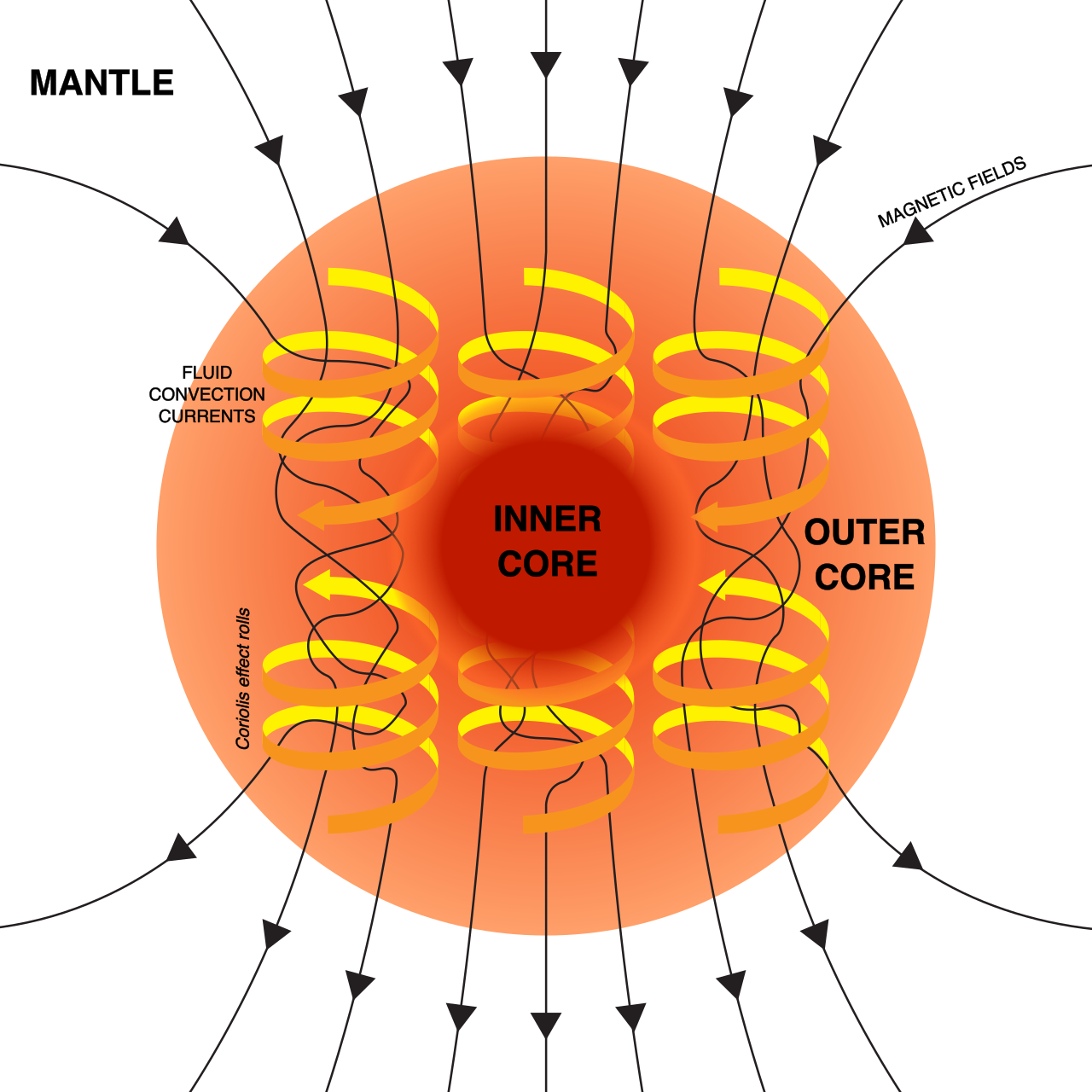
- The Inner Core: The inner core is the innermost layer of the Earth. It is a solid ball composed primarily of iron and nickel. You might naturally wonder: if it is deeper and hotter than the liquid outer core, why is it solid? The answer lies in the intense weight of the entire planet pressing down upon it. Extreme pressure maintains the inner core in a solid state despite extremely high temperatures.
2. The Mechanical Layers (How Earth Behaves)
While chemistry divides the Earth into crust and mantle, physical physics divides the outer layers into the lithosphere and asthenosphere based on how they respond to stress.
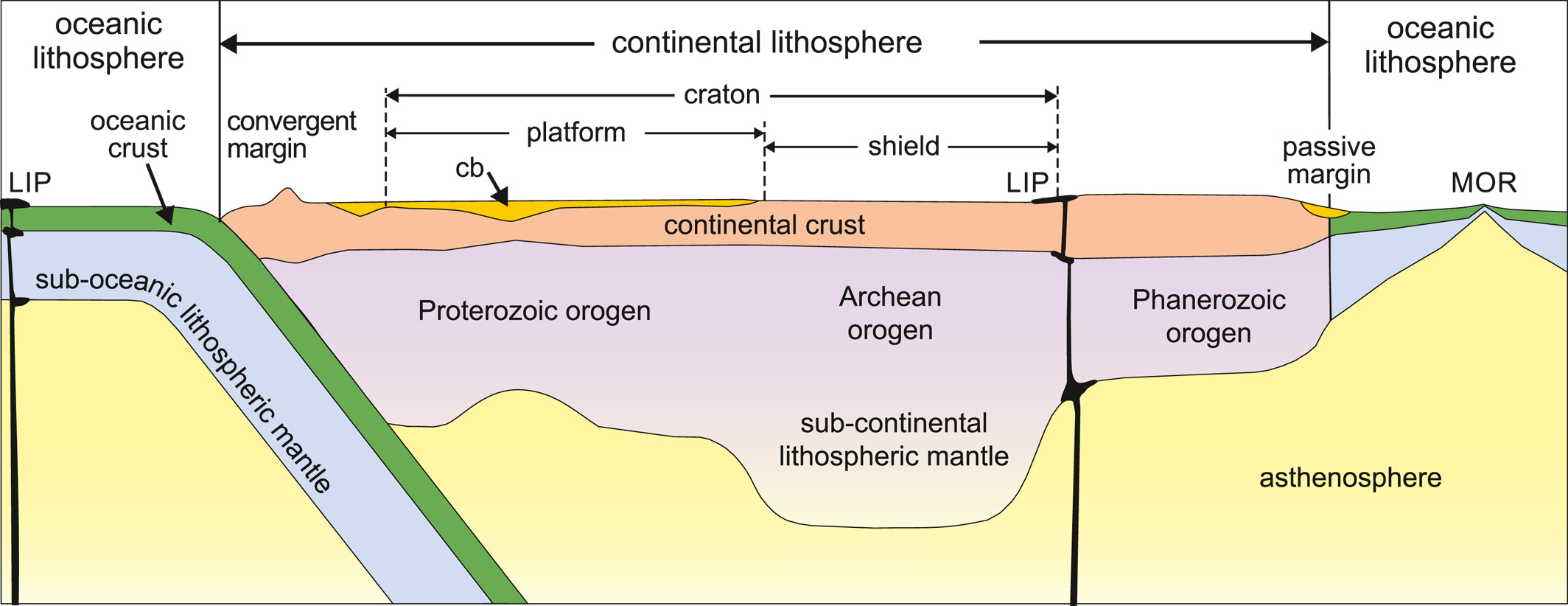
- The Lithosphere: The lithosphere comprises the crust and the uppermost rigid portion of the mantle. It is cold, brittle, and fractures when stressed. Because of the turbulent forces below it, the lithosphere is broken into numerous distinct tectonic plates.
- The Asthenosphere: The asthenosphere is located directly below the lithosphere. It is a highly viscous and mechanically weak layer of the upper mantle. Because it is hot enough to be soft and pliable—like warm wax or Silly Putty—the rigid tectonic plates float and move on top of the ductile asthenosphere.
The solid Earth interacts continuously with the water and gases that envelop it.
The Hydrosphere
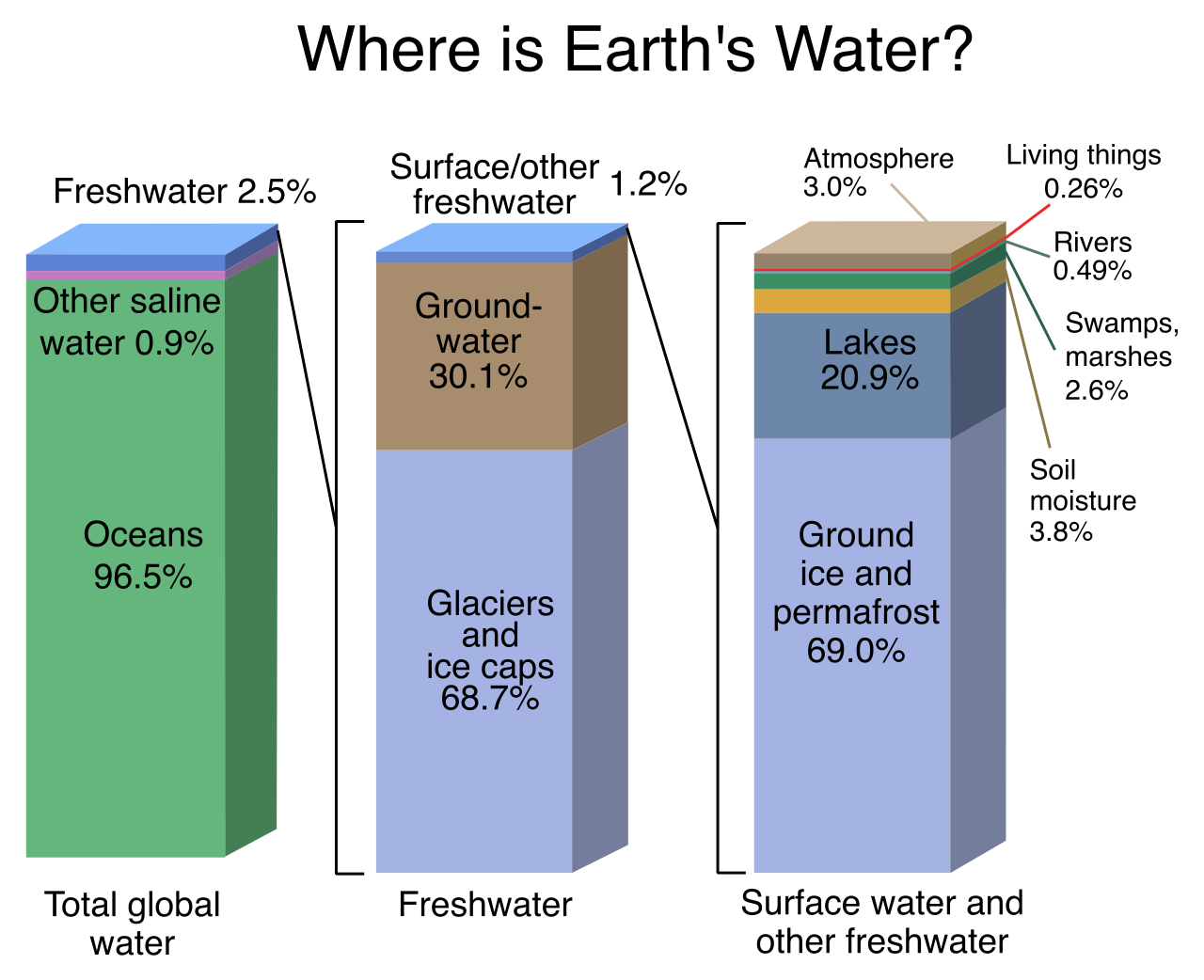
The hydrosphere encompasses all water found on, under, and above the surface of the Earth. Despite our perception of an abundant, watery world, the distribution of this water is highly unequal.
- Oceans contain approximately 97 percent of the Earth's total water supply in the form of saltwater.
- Freshwater accounts for less than 3 percent of the Earth's total water supply.
- Even within that tiny fraction of freshwater, it is not primarily flowing in rivers or lakes; most of the Earth's freshwater is trapped in glaciers and ice caps.
The Atmosphere
The Earth's atmosphere is not a homogenous cloud of gas fading uniformly into space. Instead, the Earth's atmosphere is divided into five primary layers. These atmospheric layers are defined by distinct changes in temperature gradients—meaning boundaries occur where the temperature abruptly stops dropping and begins rising (or vice versa).

| Layer | Key Characteristics |
|---|---|
| Troposphere | The lowest atmospheric layer of the Earth. Atmospheric pressure decreases as altitude increases in the troposphere. It is the most dense layer, and nearly all Earth weather phenomena occur within the troposphere. |
| Stratosphere | Situated directly above the troposphere. The Earth's ozone layer is located primarily within the stratosphere. This is vital for life, as the ozone layer absorbs the majority of the Sun's harmful ultraviolet radiation. |
| Mesosphere | Situated directly above the stratosphere. Though the air is incredibly thin, it creates enough friction that most incoming meteors burn up upon entering the mesosphere. |
| Thermosphere | Situated directly above the mesosphere. Gases here absorb high-energy solar radiation, causing intense heat. Brilliant displays of light known as auroras primarily occur within the thermosphere. |
| Exosphere | The outermost layer of the Earth's atmosphere. Here, atmospheric particles are so sparse that the exosphere gradually transitions into the vacuum of outer space. |
The grand unifying theory of Earth science is plate tectonics. The theory of plate tectonics describes the large-scale motion of the Earth's lithosphere. But what drives millions of cubic miles of solid rock to move?
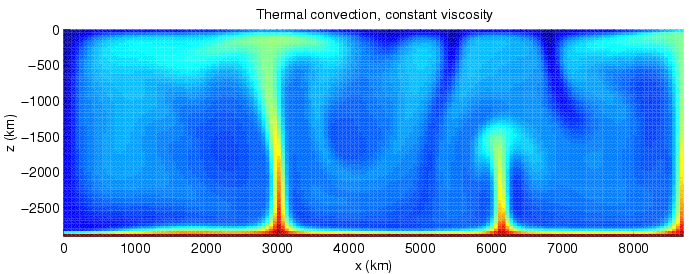
The answer is heat. The Earth's interior is cooling, and heat rises. Convection currents within the Earth's mantle drive the lateral movement of tectonic plates. As mantle rock heats up near the core, it becomes buoyant and slowly rises. As it approaches the crust, it cools, flows horizontally, and eventually sinks back down. This conveyor belt motion drags the overlying lithospheric plates with it.
These plates interact at their edges in three primary ways:
- Divergent Plate Boundaries exist where two tectonic plates move away from each other. As the plates pull apart, deep mantle rock rises to fill the gap, decompressing and melting to form new oceanic crust. Because of this continuous creation of fresh, warm rock, mid-ocean ridges form exclusively at divergent plate boundaries.
- Convergent Plate Boundaries exist where two tectonic plates move toward each other. The outcome depends on the types of crust colliding:
- Subduction occurs when one tectonic plate is forced underneath another tectonic plate at a convergent boundary. (This almost always involves denser oceanic crust sinking beneath lighter continental crust). Deep ocean trenches are formed by the subduction of tectonic plates.
- When two continents crash into one another, neither is dense enough to subduct. Therefore, continental mountain ranges form when two continental plates collide at a convergent boundary (the Himalayas are a perfect example of this).
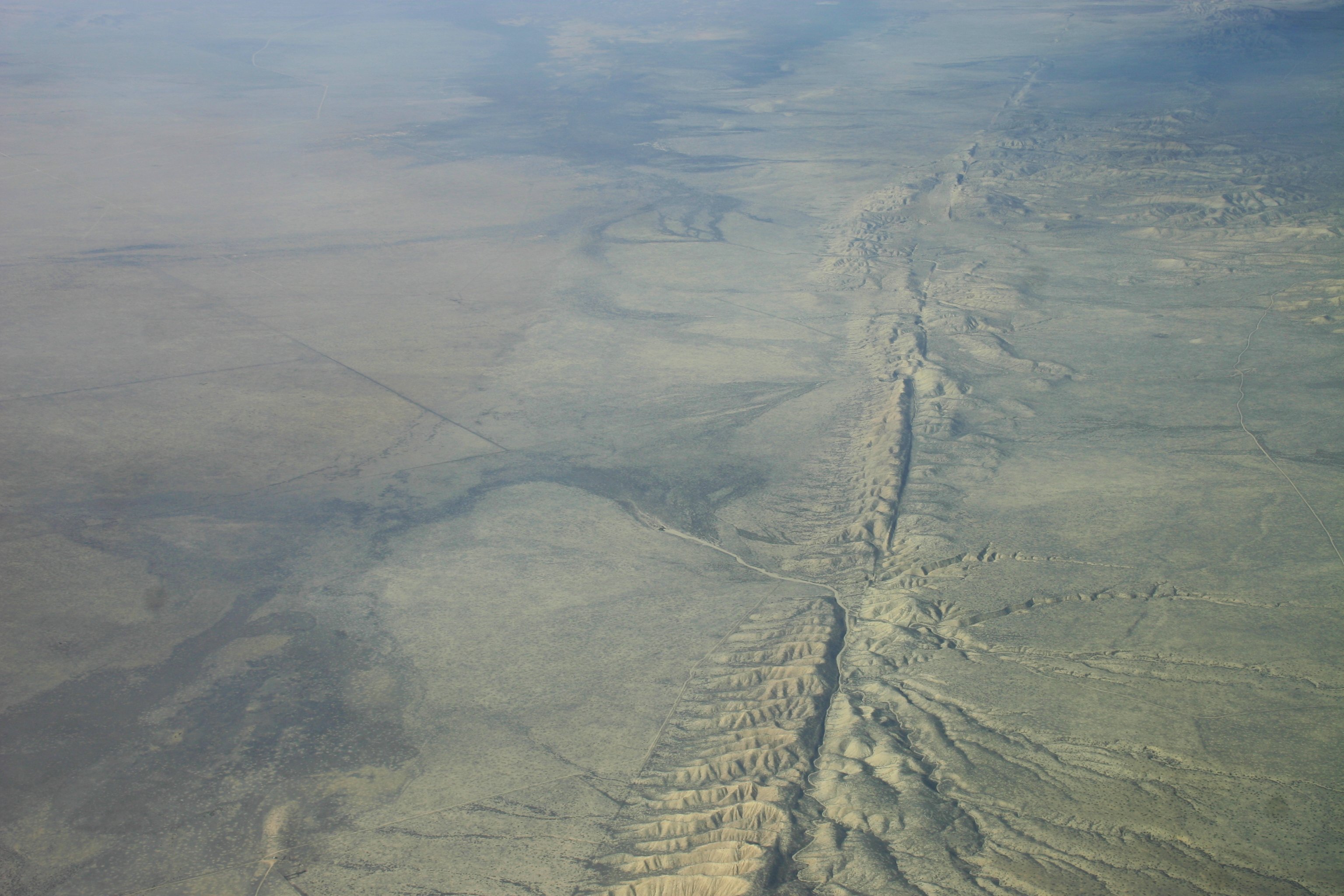
- Transform Plate Boundaries exist where two tectonic plates slide past one another horizontally. Because rock is jagged and friction is high, the plates frequently get stuck. Stress builds up until the rock fractures, releasing immense energy. Thus, earthquakes frequently occur along transform plate boundaries. The most famous example is the San Andreas Fault in California, which represents a transform plate boundary.
A volcano is a geological rupture that allows hot lava, ash, and gases to escape from a magma chamber below the surface. To speak of volcanoes accurately, we must differentiate between two terms:
- Magma is molten rock located beneath the surface of the Earth.
- Lava is molten rock that has erupted onto the surface of the Earth.
Where do volcanoes form? Mostly at the seams of our tectonic plates. Volcanoes frequently form near divergent plate boundaries (where magma rises to fill the gap of separating plates) and they frequently form near convergent plate boundaries (where subducting plates carry water deep into the mantle, lowering the melting point of the surrounding rock and generating explosive magma).
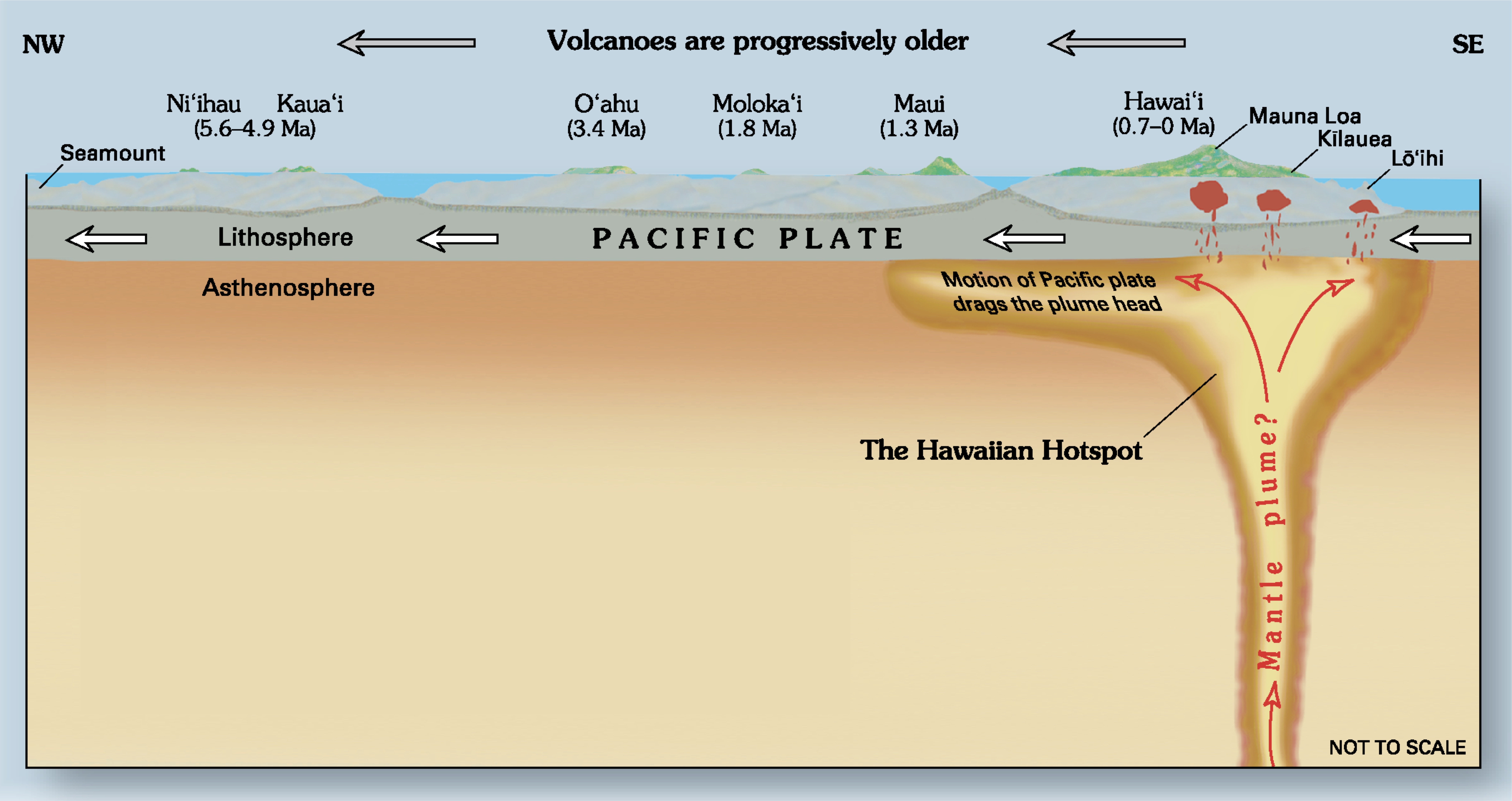
However, not all volcanoes respect tectonic boundaries. Volcanic hotspots are regions fed by underlying mantle that is anomalously hot. These plumes of intense heat remain stationary while tectonic plates drift over them, burning a sequence of holes through the crust like a blowtorch passing under a sheet of plastic. The Hawaiian Islands were formed by volcanic activity over a stationary mantle hotspot.
While plate tectonics and volcanism build the Earth's surface up, the atmosphere and hydrosphere tear it down. This occurs through three distinct, sequential processes.
1. Weathering (The Breakdown)
Weathering is the in-place breakdown of rocks, soil, and minerals at the surface of the Earth. It does not involve movement; it is the physical or chemical rotting of rock where it sits.
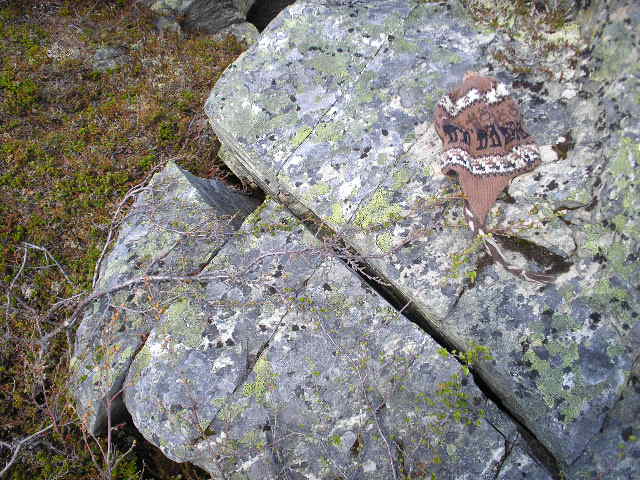
- Mechanical weathering physically breaks rocks into smaller pieces. Crucially, mechanical weathering does not alter the chemical composition of the rock; a shattered piece of granite is still granite. A classic example is frost wedging, a mechanical weathering process caused by the freezing and expanding of water in rock cracks. Water seeps into a crevice, freezes, expands by 9%, and slowly pries the boulder apart.
- Chemical weathering breaks down rocks through chemical reactions. Unlike mechanical weathering, chemical weathering alters the molecular structure of the original rock.
- Oxidation is a chemical weathering process that produces rust on iron-bearing rocks, literally turning hard minerals into crumbling dust.
- Additionally, acid rain accelerates the chemical weathering of carbonate rocks such as limestone, dissolving the rock away molecule by molecule.
2. Erosion (The Transport)
Once rock is weathered into smaller sediment, it can be moved. Erosion is the transport of weathered Earth materials by natural forces.
- Water: Moving liquid water is the primary agent of soil and rock erosion on Earth. Rivers relentlessly carve canyons and valleys over millennia.
- Wind: Wind causes erosion by blowing loose sediment away from dry land surfaces, acting like nature's sandblaster.
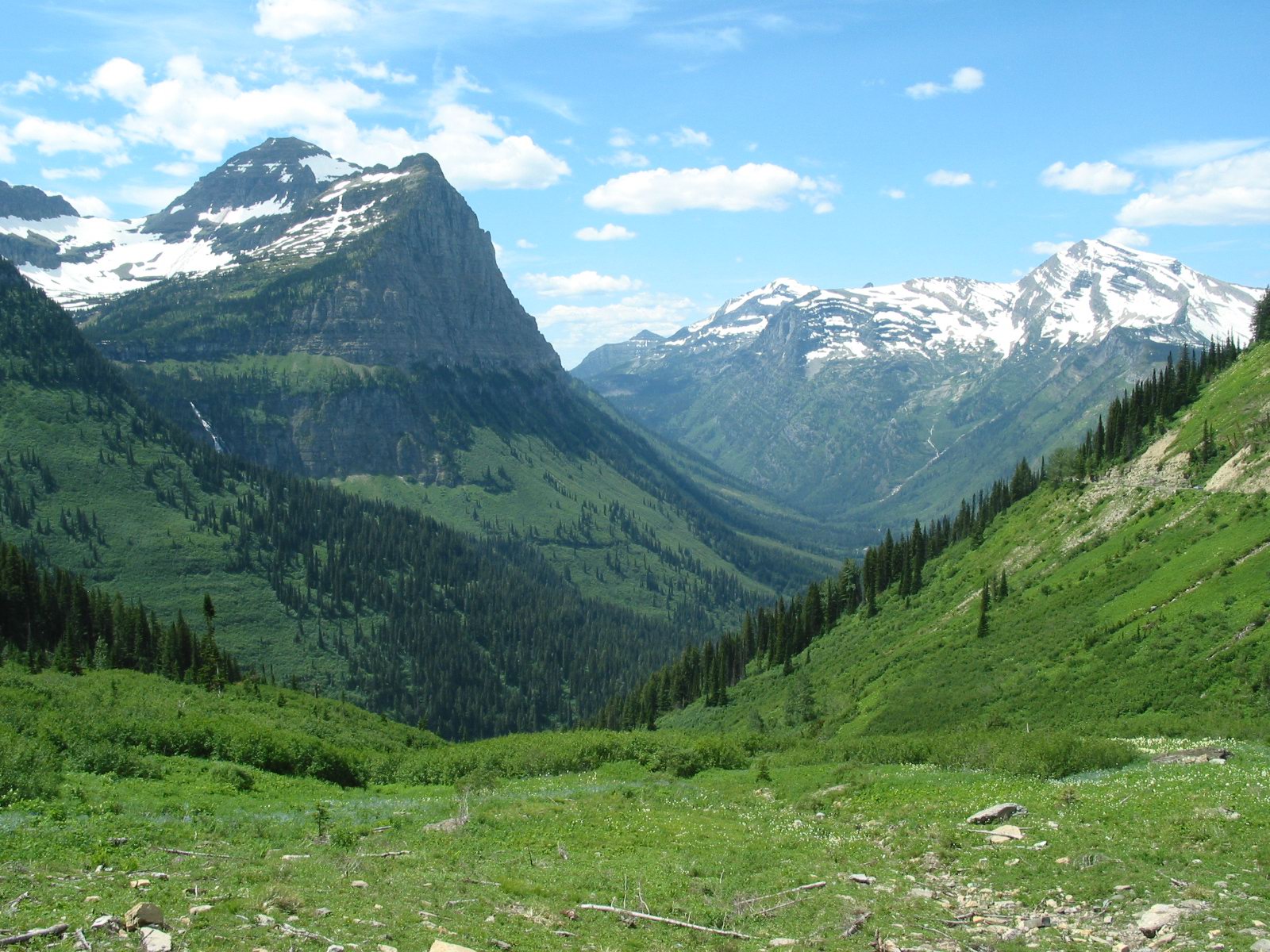
- Glaciers: Glaciers cause erosion by scraping the underlying rock surface as massive ice sheets move. They act as geological bulldozers, carving deep, U-shaped valleys out of solid mountains.
3. Deposition (The Drop-off)
Eventually, the forces of erosion lose their energy, and gravity takes over. Deposition is the geological process of adding transported sediments and soil to a landform.
- When a rushing river meets the stagnant ocean, it slows down and drops its sediment load. Consequently, river deltas form through the deposition of sediment at the mouth of a river.
- When wind loses its carrying velocity, sand dunes form through the deposition of wind-blown sand.
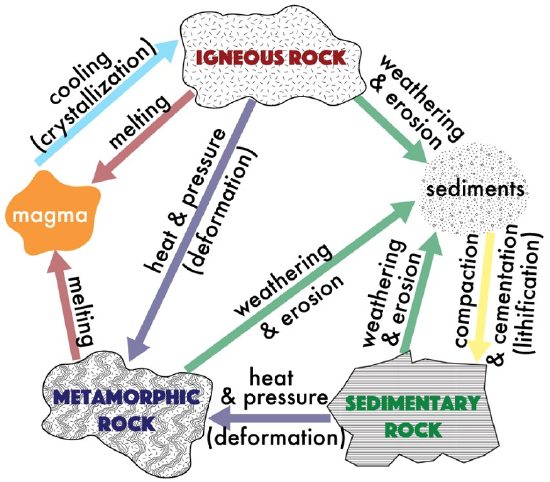
Every rock you have ever touched is in the middle of a transition. The rock cycle describes the continuous geological transformation of rocks from one type to another over millions of years. Rocks are continually created, destroyed, and altered, taking on one of three fundamental forms:
- Igneous rocks form from the cooling and solidification of magma or lava. Whether erupting violently from a volcano as lava or cooling slowly deep underground as magma, the crystallization of molten material creates igneous rock.
- Sedimentary rocks form from the accumulation, compaction, and cementation of mineral particles. As weathering and erosion grind mountains into sand and clay, these sediments wash into oceans and lakes, settling layer upon layer. Over time, the immense pressure of overlying layers cements them into solid rock. Because this process happens at the cool surface of the Earth where life thrives, fossils are found almost exclusively within sedimentary rocks.
- Metamorphic rocks form when pre-existing rocks are subjected to high heat and extreme pressure. Deep burial by tectonic collisions or the proximity of rising magma bakes and squeezes the rock, causing its minerals to recrystallize into entirely new forms.
Crucial Concept: The formation of metamorphic rock occurs without the complete melting of the original rock. If the rock melts completely, it resets the cycle and becomes magma, eventually cooling into igneous rock once again.