Effective Writing and Revisions
Not sure you’re ready?
Take the ~3-minute readiness diagnostic and see where you stand.
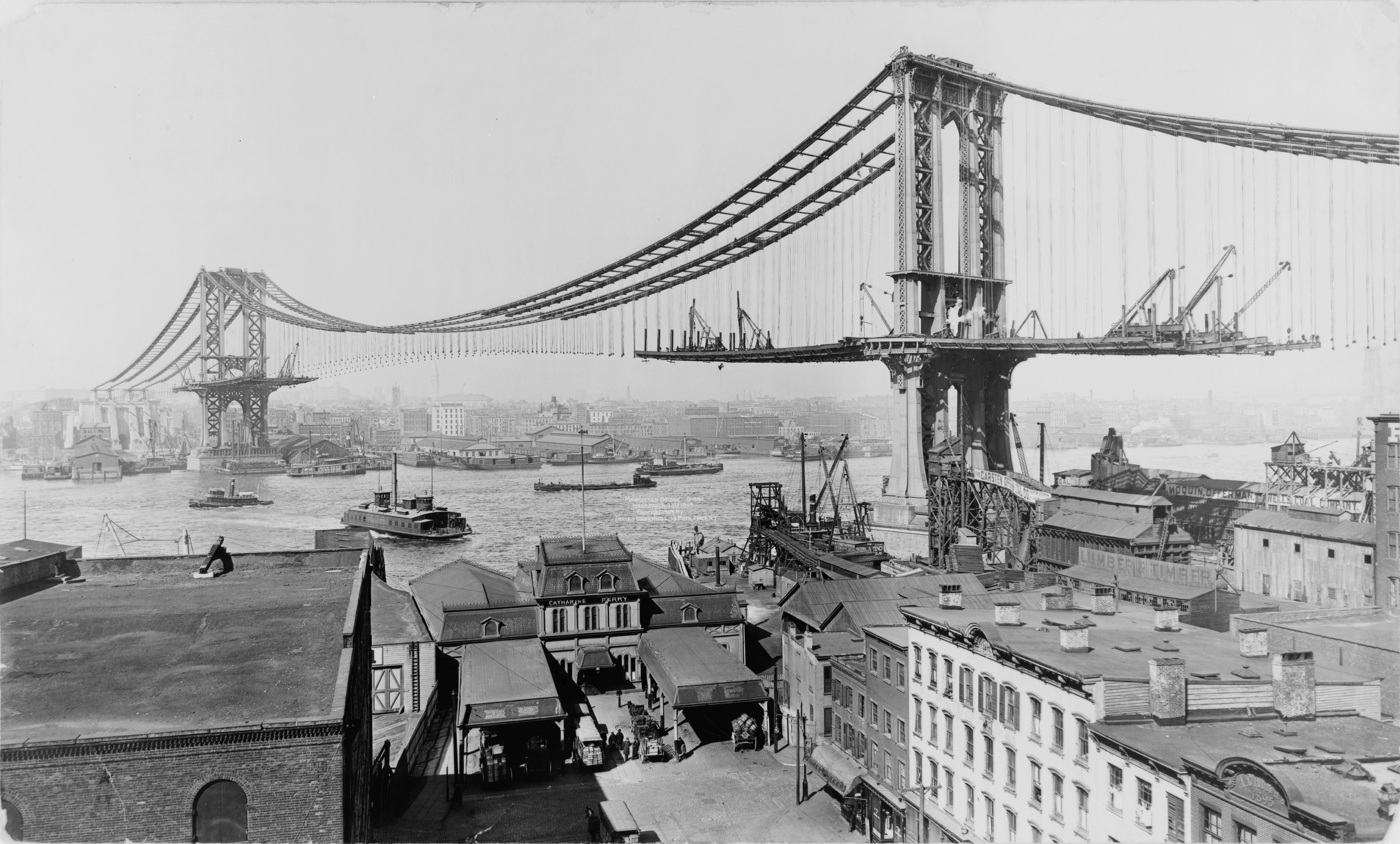
Consider the construction of a suspension bridge. The steel cables are not spun, nor are the concrete towers poured, without a rigorous, overarching blueprint that accounts for the specific terrain, the anticipated traffic, and the physical laws of tension and compression. Writing is precisely the same. It is an act of engineering thought. To produce effective writing, one cannot simply pour words onto a page and expect them to hold the weight of a complex idea. Instead, writers engage in a dynamic, interwoven process of planning, building, testing, and refining. The architecture of a sentence, the sequencing of paragraphs, and the careful modulation of tone are not accidental; they are deliberate choices calibrated to serve a specific function. Understanding how to evaluate the appropriateness, organization, and style of a text—and knowing precisely how to manipulate these elements through revision—is the difference between a chaotic pile of materials and a bridge that carries an idea safely from the mind of the writer to the mind of the reader.
Before a single word is drafted, the writer must establish the fundamental boundaries of the project. These boundaries are not arbitrary restrictions; they are the governing variables that dictate how the text will be constructed.
Every piece of writing is born from a specific task, and it is the specific task that dictates the structural format required for a piece of writing. If the task is to detail a laboratory experiment, the structural format must accommodate hypotheses, methodologies, and data tables. If the task is to tell a story, the structure will mold itself around character and plot. Form follows function.
Similarly, the writing purpose dictates the overall goal of a text. What is the text meant to do to the reader? Though human communication is vast, the three primary purposes for writing are highly distinct:
- To Persuade: To change the reader's mind or provoke action.
- To Inform: To transfer knowledge or clarify a complex reality.
- To Entertain: To evoke an emotional response or capture the imagination.
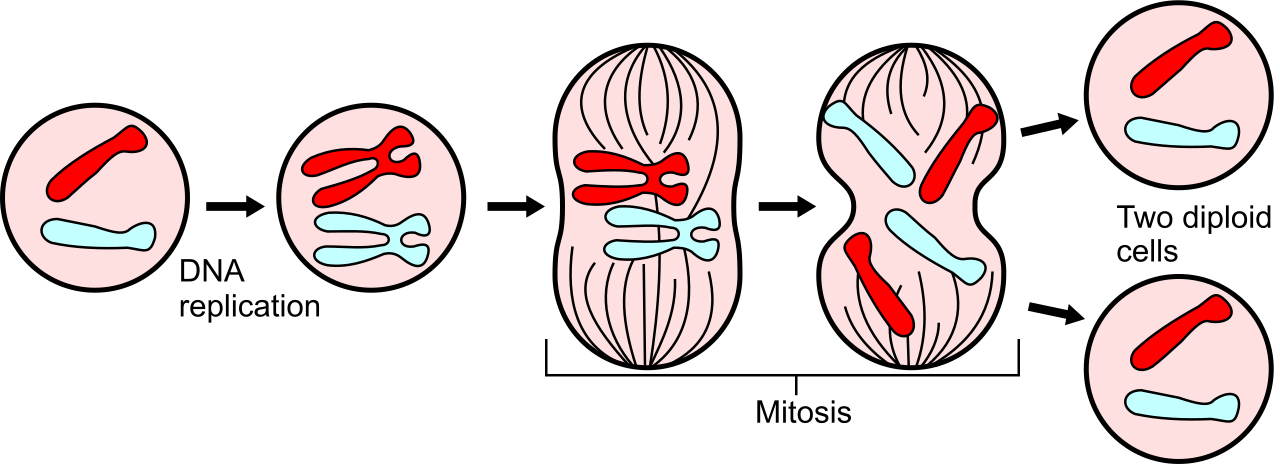
Once the purpose is set, the writer must account for the receiver of the signal: the reader. The intended audience determines the appropriate vocabulary used in a text. You do not explain cellular mitosis to a room of third graders using the same lexicon you would use at a postdoctoral biology conference. Furthermore, the intended audience determines the appropriate tone of a piece of writing. An angry letter to a municipal board possesses a drastically different tonal frequency than a gentle note of condolence.
Register: In linguistics, register refers to the degree of formality in a writer's language choices.
Understanding register is crucial for evaluating writing appropriateness. An academic task requires a formal register—meaning it utilizes objective language, complex syntax, and highly precise terminology. Conversely, a personal narrative task typically allows for an informal register, inviting colloquialisms, first-person pronouns, and conversational rhythms that build intimacy with the reader.
The creation of a text is rarely a straight, chronological assembly line. The writing process consists of prewriting, drafting, revising, editing, and publishing stages. But to view this as a strictly linear sequence is a fundamental misunderstanding of how the human mind organizes language.
The core truth of composition is this: the writing process is recursive.
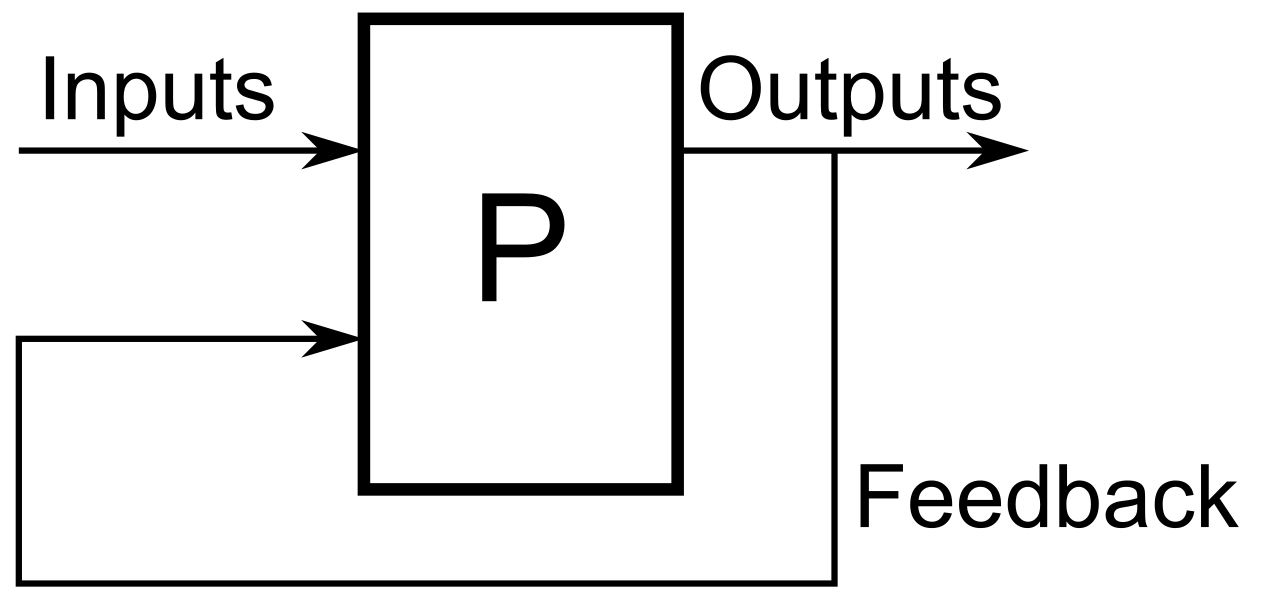
Writers move back and forth between different stages of the writing process as needed. A writer might be in the middle of drafting, suddenly realize their central argument lacks evidence, and loop back into the prewriting stage to gather more ideas. They might be revising a paragraph and realize they need to draft an entirely new section to bridge a logical gap. It is a constant feedback loop of generation and refinement.
Prewriting: Generating the Raw Material
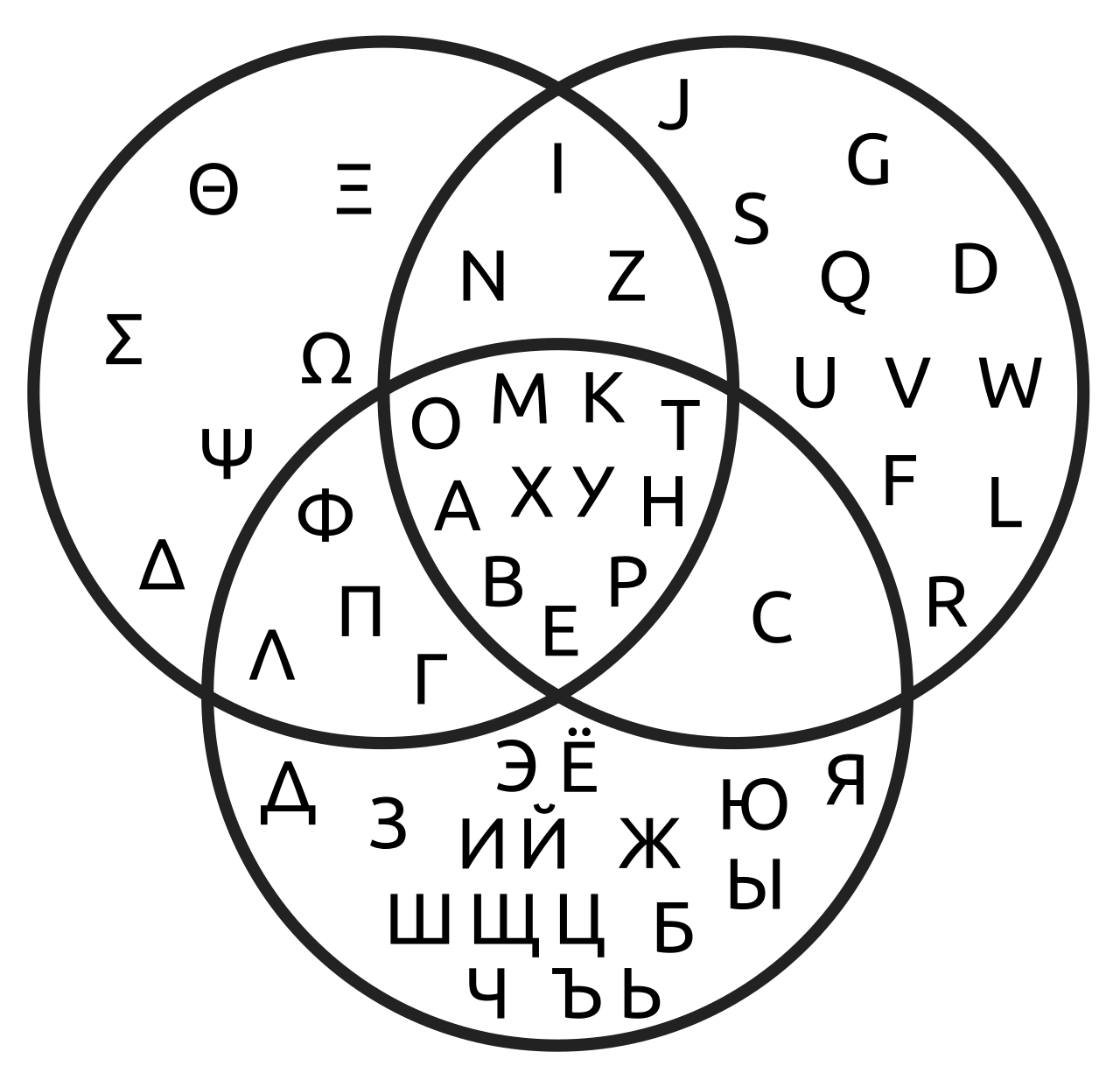
Prewriting involves generating ideas before writing a draft. It is the brainstorming phase where the chaotic energy of thought is captured and corralled. Because human memory is inherently disorganized, graphic organizers help writers structure ideas during the prewriting stage. Mind maps, Venn diagrams, and flowcharts allow the writer to visualize relationships between concepts.
Once ideas are generated, outlining during the planning stage provides a structural framework for the drafting stage. An outline acts as the skeletal support.
Drafting: Pouring the Foundation
Drafting involves translating prewriting ideas into connected sentences and paragraphs. The primary objective here is momentum. Therefore, writers focus on content generation rather than mechanical correctness during the drafting stage. Pausing to fix a misplaced comma interrupts the cognitive flow required to synthesize complex ideas. The writer’s only job during drafting is to get the ideas out of the conceptual realm and onto the physical page.
Whether informative, persuasive, or narrative, a well-constructed draft relies on internal structural mechanisms to hold it together.
For academic and analytical writing, the center of gravity is the thesis statement. A thesis statement clearly identifies the central claim of an informative or persuasive text. It is not merely a topic announcement; it is the specific angle or argument the writer will defend. Consequently, a thesis statement guides the overall organizational structure of a text. Every subsequent paragraph must serve to uphold this central claim.
Within those individual paragraphs, topic sentences state the main idea of a specific paragraph. They act as signposts for the reader, indicating exactly what conceptual territory is about to be explored. As a writer evaluates their draft, they must frequently revise topic sentences to ensure alignment with the main thesis. If a topic sentence wanders away from the thesis, the structural integrity of the entire essay weakens. Finally, concluding sentences summarize the main points of a paragraph or text, sealing the conceptual unit before the reader moves on to the next.
The Influence of Genre on Structure
The organizational logic of a text shifts depending on its genre.
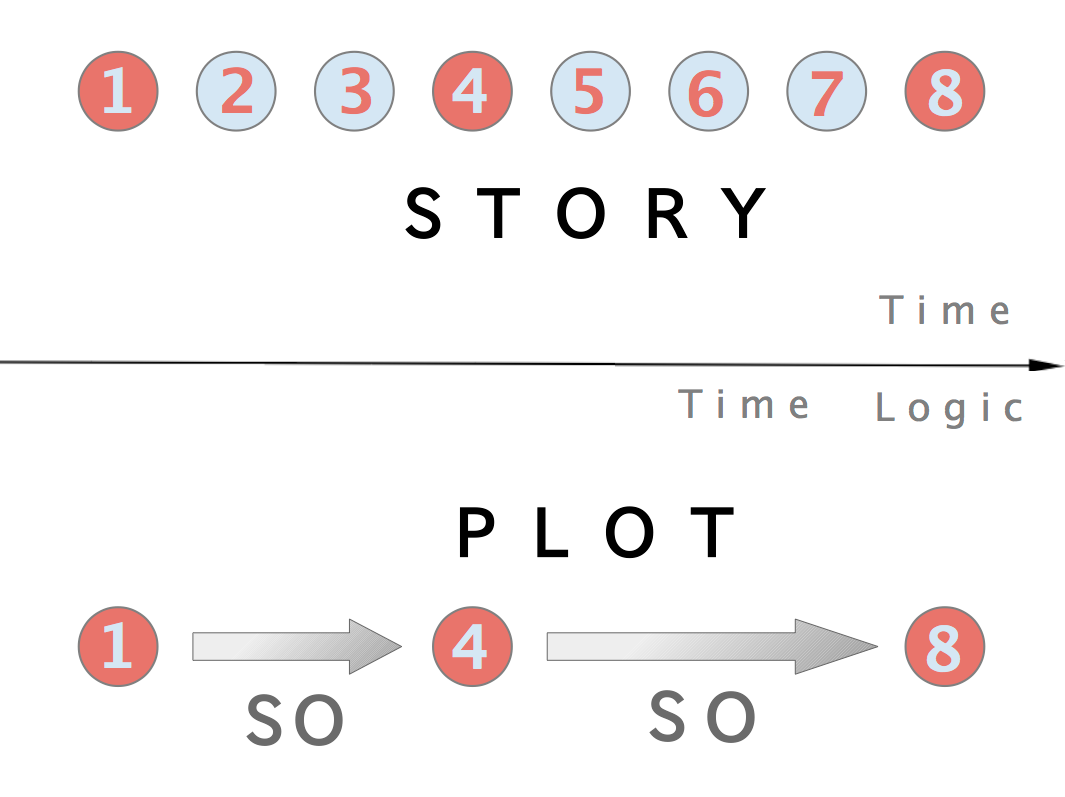
- Narrative writing tasks typically require chronological organization. Because stories unfold through time, the logical progression is temporal (first, then, next, finally).
- Persuasive writing tasks often utilize a logical organization based on claims and evidence. Time is irrelevant here; what matters is the sequential building of an argument, moving from premise to proof to conclusion.
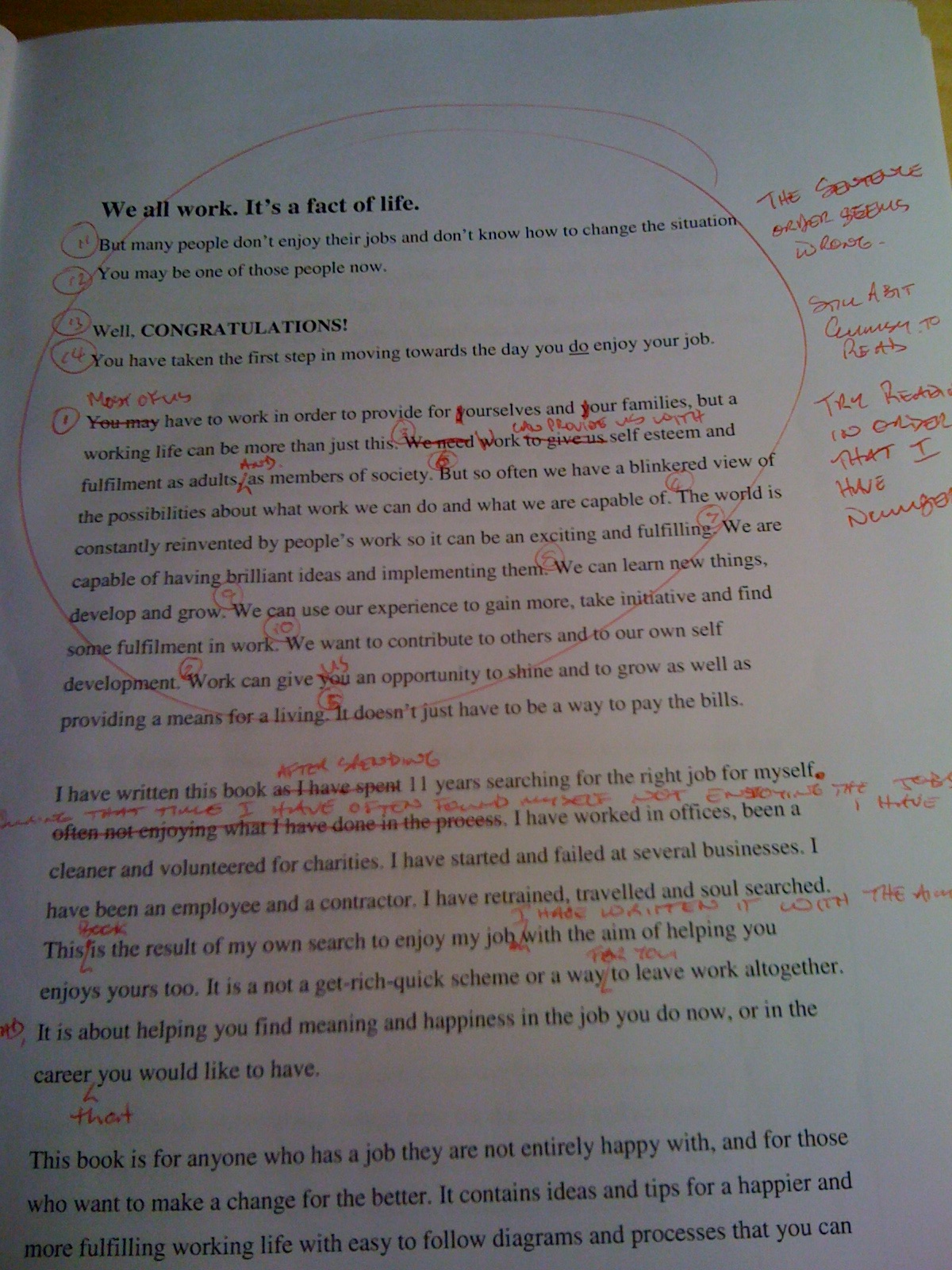
Many novice writers conflate revising with editing. This is a fatal error. Revising is not hunting for typos; it is architectural remodeling.
Revising involves making significant structural and content changes to a draft. When a writer revises, they are manipulating the fundamental elements of the text to ensure it effectively executes its purpose.
Revising generally targets three distinct areas: development, organization, and style.
1. Revising for Development
Revising improves the development of a text by ensuring ideas are fully explored and supported, and that extraneous noise is eliminated.
- Adding supporting evidence is a developmental revision. If a paragraph makes a bold claim but provides no data or logical proof, the writer must develop it further by adding substance.
- Deleting off-topic sentences is a developmental revision. Even a beautifully written sentence must be cut if it distracts from the core argument. This is the writer acting as an aggressive curator of their own thought.
2. Revising for Organization
Revising improves the organization of a text by addressing how seamlessly ideas flow into one another.
- Reordering paragraphs is an organizational revision. A writer may realize that their third argument actually serves as a better introduction to their second argument, requiring structural rearrangement.
- The lifeblood of organizational flow is the use of transitional markers. Transitional words connect ideas between sentences and paragraphs (e.g., however, furthermore, consequently, nevertheless). They act as logical bridges. If a text feels disjointed, adding transitional words improves the organizational flow of a text, explicitly instructing the reader on how two thoughts relate to one another.
3. Revising for Style
Revising improves the stylistic choices within a text. Style is not mere decoration; it is the precise modulation of language to maximize impact.
- Changing a weak verb to a strong verb is a stylistic revision. Replacing "The scientist was looking at the data" with "The scientist scrutinized the data" injects immediate energy and precision into the prose.
- Varying sentence lengths improves the stylistic rhythm of a text. A succession of short, five-word sentences sounds robotic and monotonous. A succession of sprawling, thirty-word sentences becomes exhausting to read. By blending short, punchy statements with longer, elegantly subordinated clauses, the writer creates an engaging, musical cadence that pulls the reader forward.
The Role of Peer Review
Because writers suffer from the curse of knowledge—they already know what they are trying to say—they often cannot see when their writing is confusing. Peer review provides writers with external feedback on the clarity of a text. Another set of eyes can easily spot logical leaps or tangled phrasing that the author is blind to. Consequently, writers use feedback from peer review to guide the revision process, identifying exactly which developmental, organizational, or stylistic levers need to be pulled.
Only when the architecture of the text is solid—when the thesis is sharp, the arguments developed, the paragraphs ordered, and the verbs strengthened—does the writer move to the editing phase.
Editing involves correcting errors in grammar, spelling, punctuation, and capitalization. While revising moves walls and reinforces the foundation, editing is the equivalent of painting the trim and polishing the glass.
Crucial Distinction: Editing focuses on mechanical conventions rather than content.
Because it makes no logical sense to spend ten minutes perfectly punctuating a sentence that will ultimately be deleted for being off-topic, editing typically occurs after the revision stage is complete. It is the final layer of quality control, ensuring that the brilliant ideas you have engineered are not undermined by distracting mechanical flaws.
Summary Comparison: Revising vs. Editing
| Feature | Revising | Editing |
|---|---|---|
| Primary Focus | Content, structure, and style | Mechanical conventions |
| Action | Adding, deleting, moving, rephrasing | Correcting grammar, spelling, punctuation |
| Stage in Process | Highly recursive; occurs throughout | Linear; typically occurs at the very end |
| Example | Reordering paragraphs; changing weak verbs | Fixing a comma splice; capitalizing a noun |
By mastering the interrelationships among planning, drafting, revising, and editing, you transcend the act of merely stringing words together. You become an architect of language, capable of evaluating any text for its structural integrity, its stylistic grace, and its undeniable appropriateness for the task at hand.