Earth and the Universe
Not sure you’re ready?
Take the ~3-minute readiness diagnostic and see where you stand.
Look up at the night sky, and you are witnessing the continuous interplay of gravity, geometry, and light. The fundamental mechanics of our universe do not operate in isolated silos; they dictate the rhythm of our daily physical lives, from the cycle of the seasons to the rhythmic pulling of the ocean tides. To understand Earth science is to understand our planet not as a static sphere, but as a dynamic component of a much larger clockwork. By breaking down the structural hierarchy of our cosmos and the specific positional relationships between the Earth, Sun, and Moon, we can deduce exactly why our world behaves the way it does.
To understand our local neighborhood, we must first zoom out and look at the structure of the universe itself. The universe is organized into massive clusters of matter, the most fundamental of which are galaxies.
A galaxy is a gravitationally bound system of stars, stellar remnants, interstellar gas, dust, and dark matter. They are the great metropolitan centers of the cosmos. The solar system is located within the Milky Way galaxy, which is classified by astrophysicists as a spiral galaxy. If you could view the Milky Way from the outside, it would look like a brilliant, rotating pinwheel, with sweeping arms of stellar material spiraling out from a dense core.
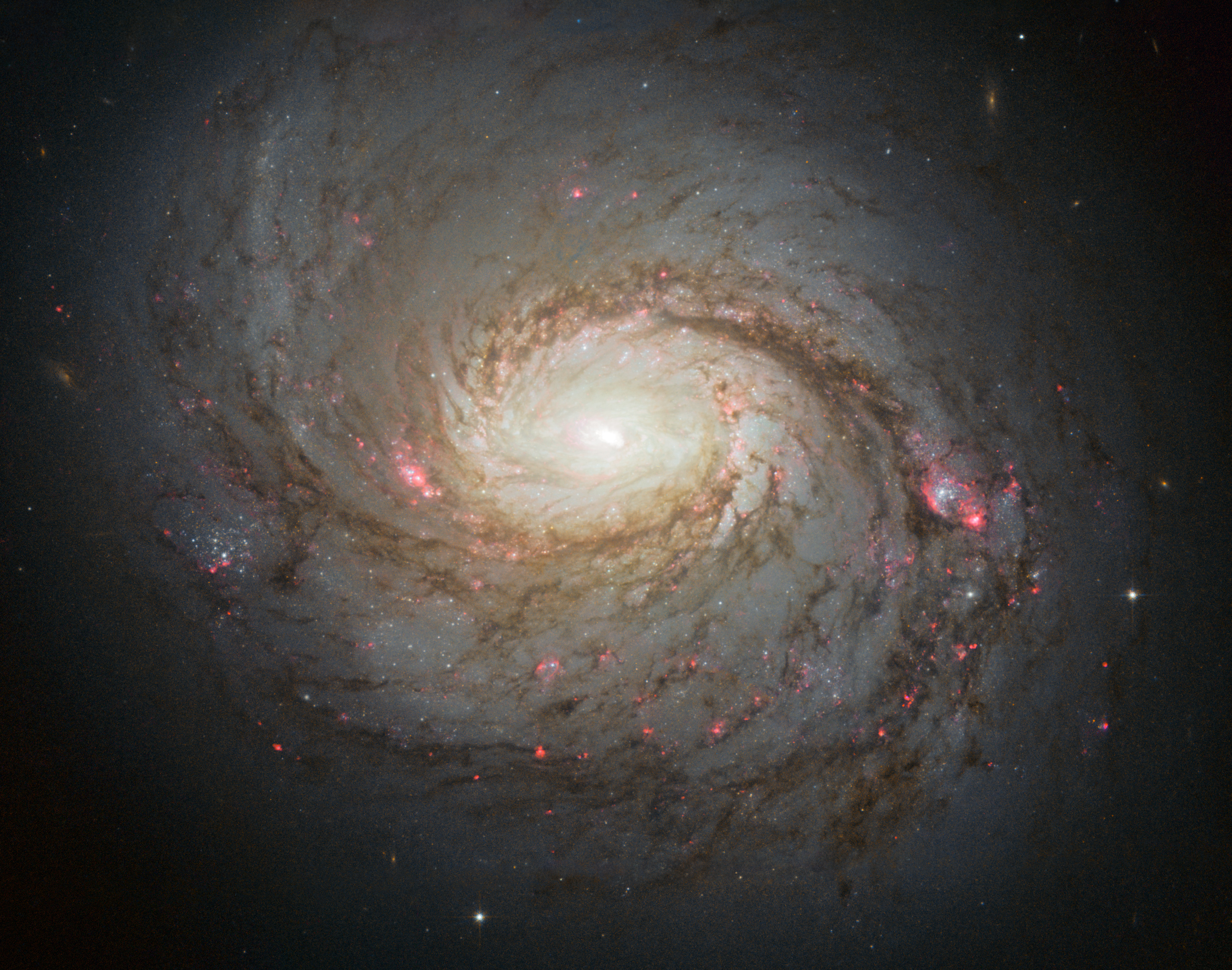
Deep within one of these spiral arms sits our solar system, anchored by a central star. A star is a luminous sphere of plasma held together by the gravity of the star itself. In our case, the Sun is a medium-sized star located at the center of the solar system. Because it contains 99.8% of all the mass in the solar system, its massive gravitational well dictates the orbits of everything around it.
The solar system is not a random scattering of rocks and gas; it is neatly bifurcated into two distinct realms, divided by a vast, rocky debris field. An asteroid belt physically separates the inner planets from the outer planets. Specifically, the main asteroid belt is located between the orbits of Mars and Jupiter.
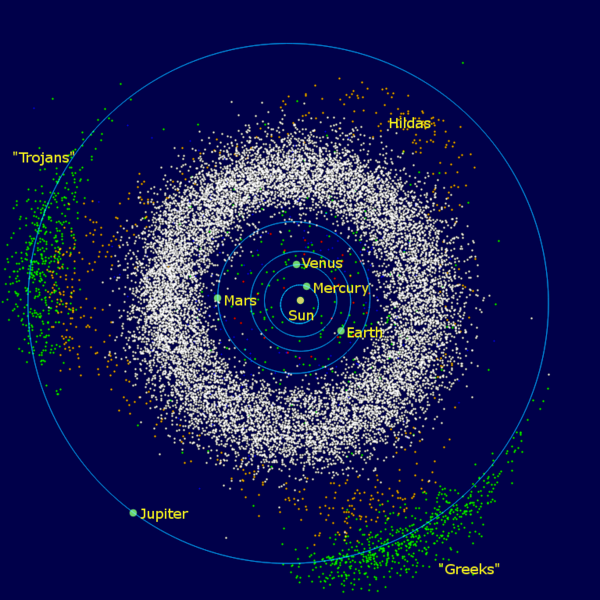
This division marks a profound shift in planetary composition, driven by how close these worlds formed to the searing heat of the early Sun.
The Inner Planets: Dense and Rocky
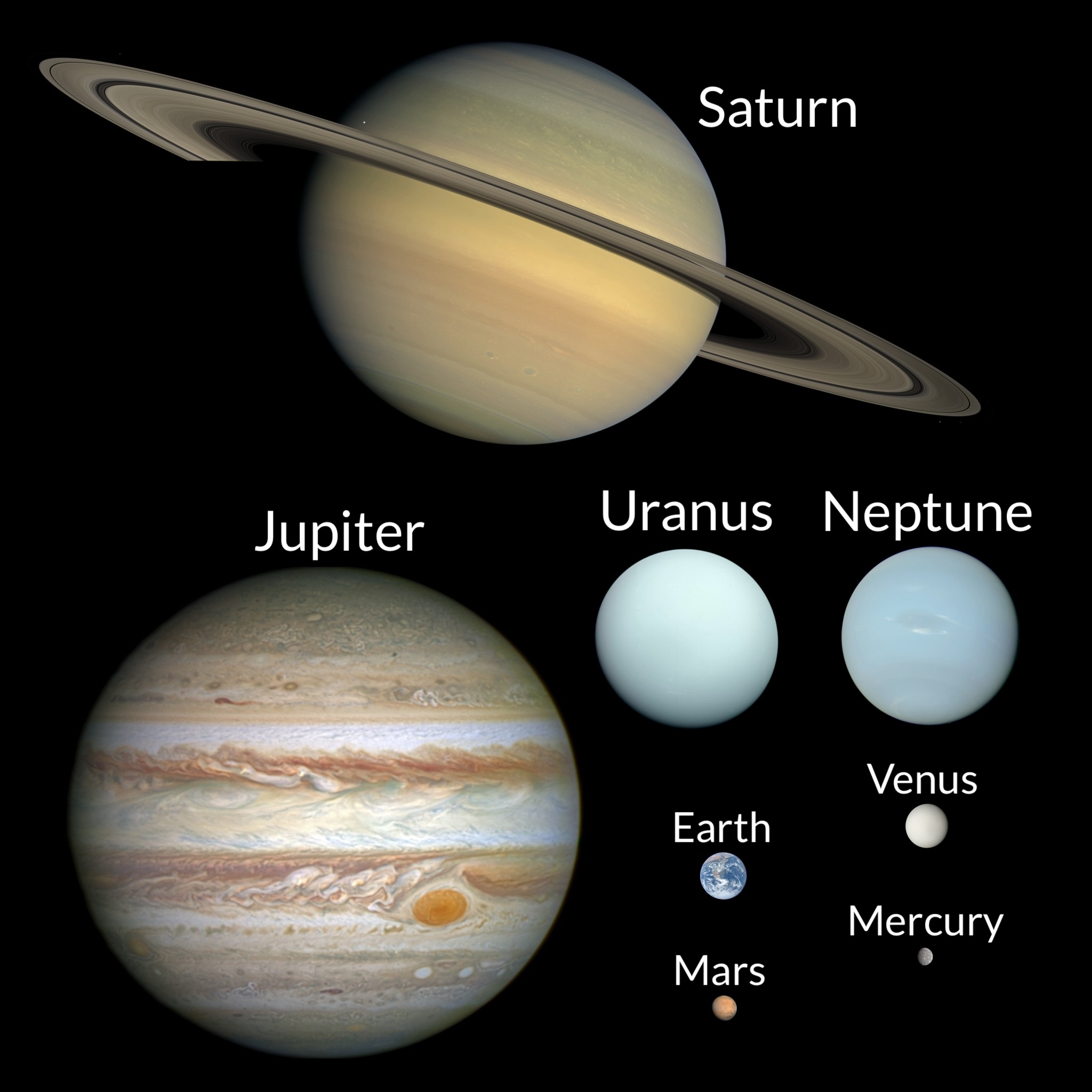
The inner planets of the solar system are Mercury, Venus, Earth, and Mars.
Because they formed close to the Sun, lighter gases were boiled away, leaving behind heavier elements. Consequently, inner planets are characterized by solid rocky surfaces and high densities. Because they possess relatively weak gravitational fields compared to the giants of the outer solar system, inner planets have very few or zero moons. Earth has just one, Mars has two tiny captured asteroids, and Mercury and Venus have none. Furthermore, inner planets do not have ring systems.
The Outer Planets: The Gas Giants
Cross the asteroid belt, and the environment changes completely. The outer planets of the solar system are Jupiter, Saturn, Uranus, and Neptune.
Farther from the Sun's heat, these planets were able to capture and hold onto vast amounts of lighter materials. Outer planets are primarily composed of hydrogen and helium gases rather than solid rock. This composition means that the outer planets are characterized by massive physical sizes and low overall densities (if you could find a bathtub large enough, Saturn would actually float).
Their immense mass also gives them extraordinary gravitational dominance. All outer planets in the solar system possess extensive ring systems—though Saturn's are by far the most visible—and outer planets typically have dozens of moons orbiting them, acting almost like miniature solar systems themselves.
| Feature | Inner Planets | Outer Planets |
|---|---|---|
| Members | Mercury, Venus, Earth, Mars | Jupiter, Saturn, Uranus, Neptune |
| Composition | Solid rocky surfaces | Hydrogen and helium gases |
| Density & Size | High density, relatively small | Low density, massive physical sizes |
| Moons | Very few or zero moons | Dozens of moons |
| Rings | Do not have ring systems | All possess extensive ring systems |
One of the most persistent misconceptions in elementary astronomy is that summer occurs when Earth is closer to the Sun, and winter occurs when it is further away. This is fundamentally incorrect. If distance were the cause, the entire planet would experience summer at the same time.
The truth relies entirely on geometry. Earth experiences seasons because the axis of rotation of Earth is tilted relative to the orbital plane of Earth.
The Magic Number: The axis of rotation of Earth is tilted at an angle of 23.5 degrees.
Imagine Earth like a spinning top that has been knocked slightly off-center. As Earth revolves around the Sun over the course of a year, this 23.5-degree tilt remains fixed in space, always pointing toward the North Star.
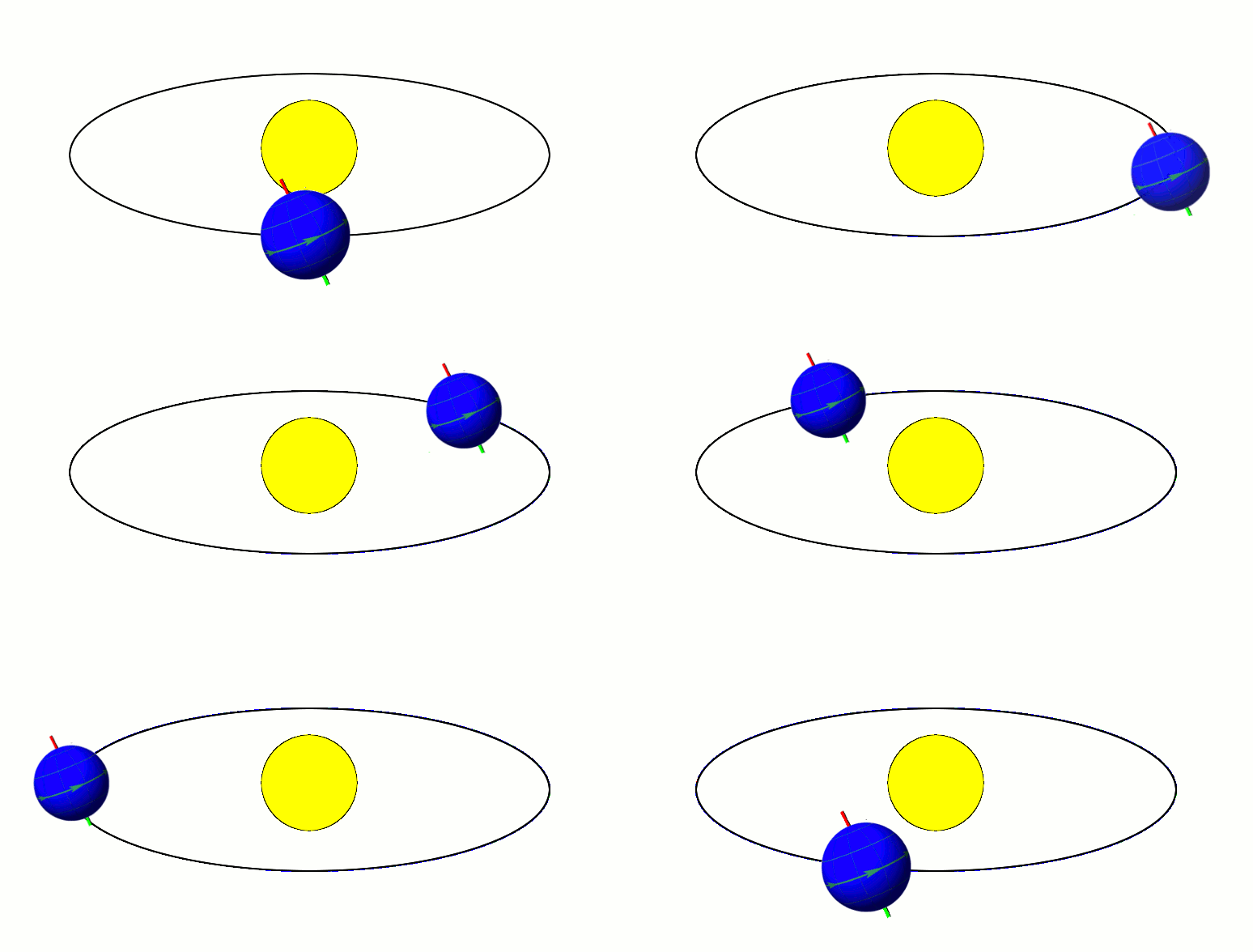
- Summer occurs in the hemisphere tilted toward the Sun due to receiving more direct sunlight over a longer period each day. The light strikes the ground nearly straight-on, concentrating the thermal energy, and the Sun stays above the horizon longer.
- Winter occurs in the hemisphere tilted away from the Sun due to receiving less direct sunlight over a shorter period each day. The light strikes the Earth at a steep, glancing angle, spreading the same amount of energy over a much larger area, and the days are shorter.
This geometry produces four distinct astronomical milestones each year:
- A solstice occurs when the rotational axis of Earth is tilted maximally toward or maximally away from the Sun (resulting in the longest and shortest days of the year).
- An equinox occurs when the rotational axis of Earth is tilted neither toward nor away from the Sun (resulting in roughly equal day and night across the globe).
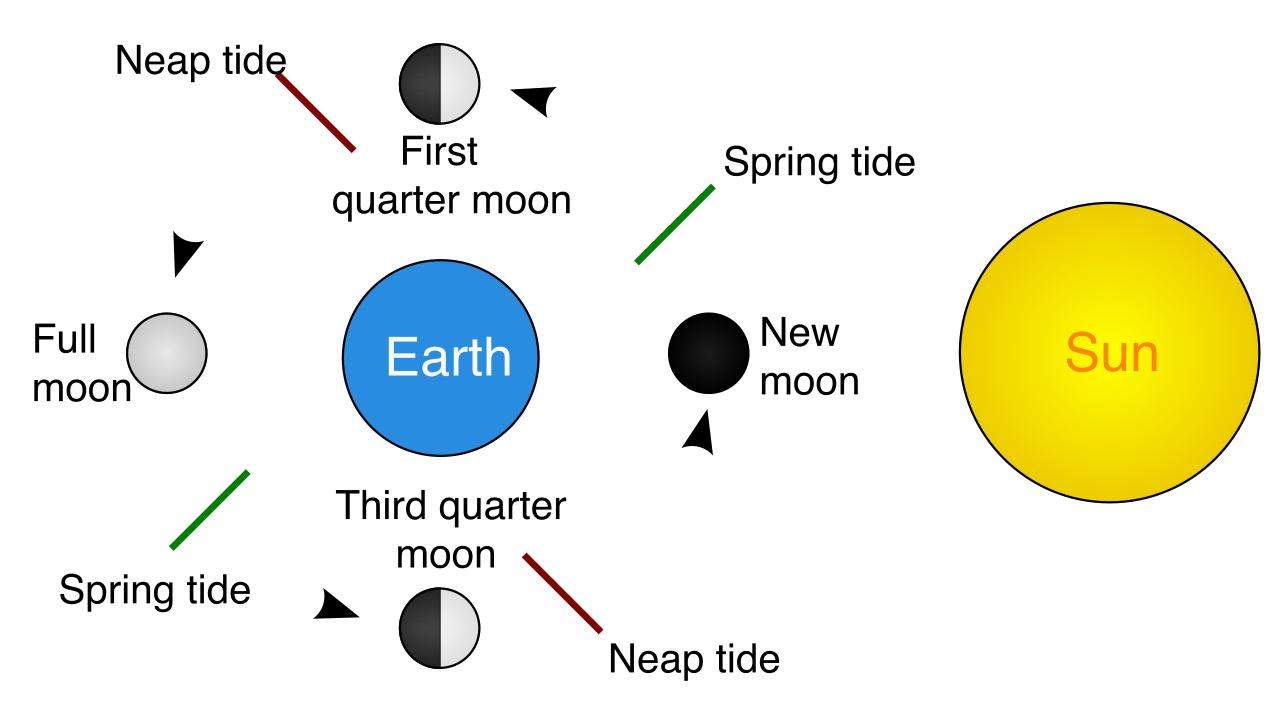
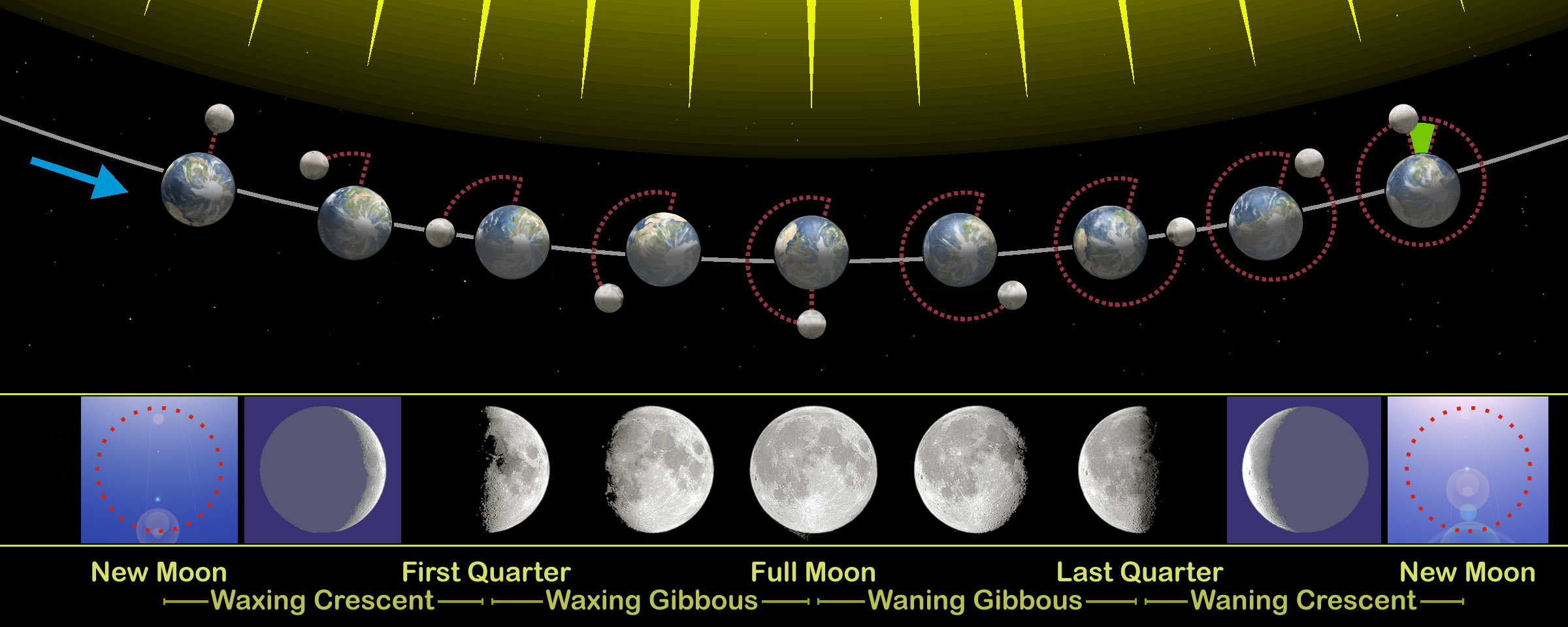
The Moon is a dark sphere of rock; it generates no light of its own. We only see it because it reflects the light of the Sun. The Moon goes through a cycle of visible phases as seen from Earth due to the changing position of the Moon relative to Earth and the Sun.
As the Moon orbits us, different fractions of its sunlit half are visible from our vantage point. A complete cycle of lunar phases takes approximately 29.5 days to finish.
- A waxing moon refers to the period in the lunar cycle when the visible illuminated portion of the Moon is increasing (growing from a sliver to a full disk).
- A waning moon refers to the period in the lunar cycle when the visible illuminated portion of the Moon is decreasing (shrinking back into darkness).
The Geometry of Eclipses
Occasionally, the orbital paths of the Earth, Moon, and Sun align perfectly, causing them to cast dramatic shadows upon one another. These are eclipses, and their type depends entirely on the order in which the celestial bodies are lined up.
Solar Eclipses (Sun - Moon - Earth) A solar eclipse occurs when the Moon passes directly between Earth and the Sun. From our perspective on the ground, a solar eclipse completely or partially blocks the light of the Sun from reaching specific areas on Earth. Because the Moon must be positioned exactly on the daylight side of Earth to block the Sun, a solar eclipse can only occur during the new moon phase.
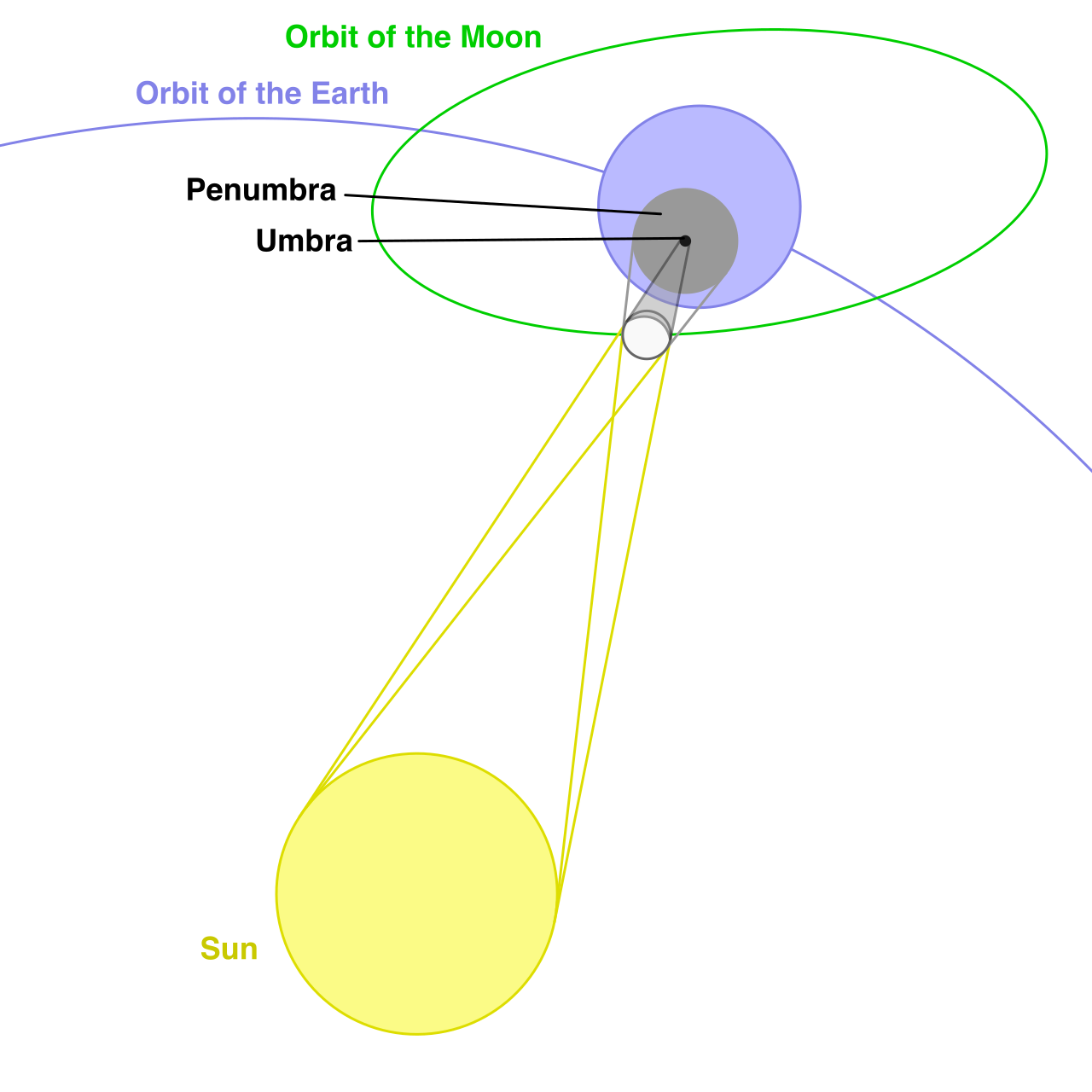
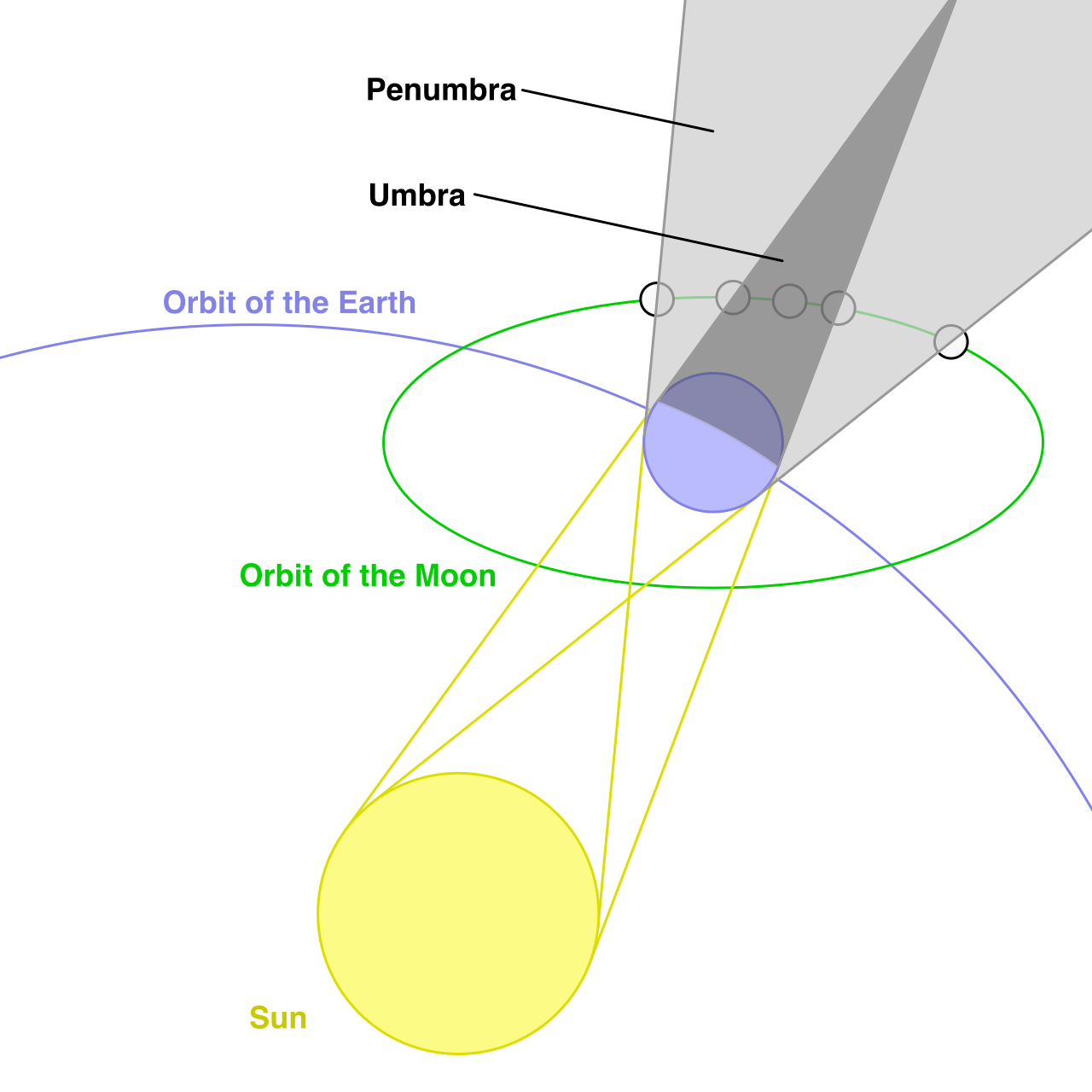
Lunar Eclipses (Sun - Earth - Moon) A lunar eclipse occurs when Earth passes directly between the Sun and the Moon. In this scenario, it is Earth that blocks the sunlight, and a lunar eclipse involves the shadow of Earth falling across the surface of the Moon. Because the Moon must be positioned directly on the night side of Earth to be caught in its shadow, a lunar eclipse can only occur during the full moon phase.
Gravity doesn't just hold planets in orbit; it reaches across the vacuum of space to tug at the fluid surface of our own world. Tides are the periodic rise and fall of sea levels on Earth.
At a fundamental physical level, tides are caused by the gravitational pull of the Moon and the Sun on the oceans of Earth. You might reasonably assume that the Sun, which holds the entire solar system together, dominates the tides. However, gravity's strength weakens dramatically as distance increases. Therefore, the Moon has a greater gravitational effect on the tides of Earth than the Sun due to the closer proximity of the Moon to Earth. The ocean bulges out slightly toward the Moon, creating a high tide.
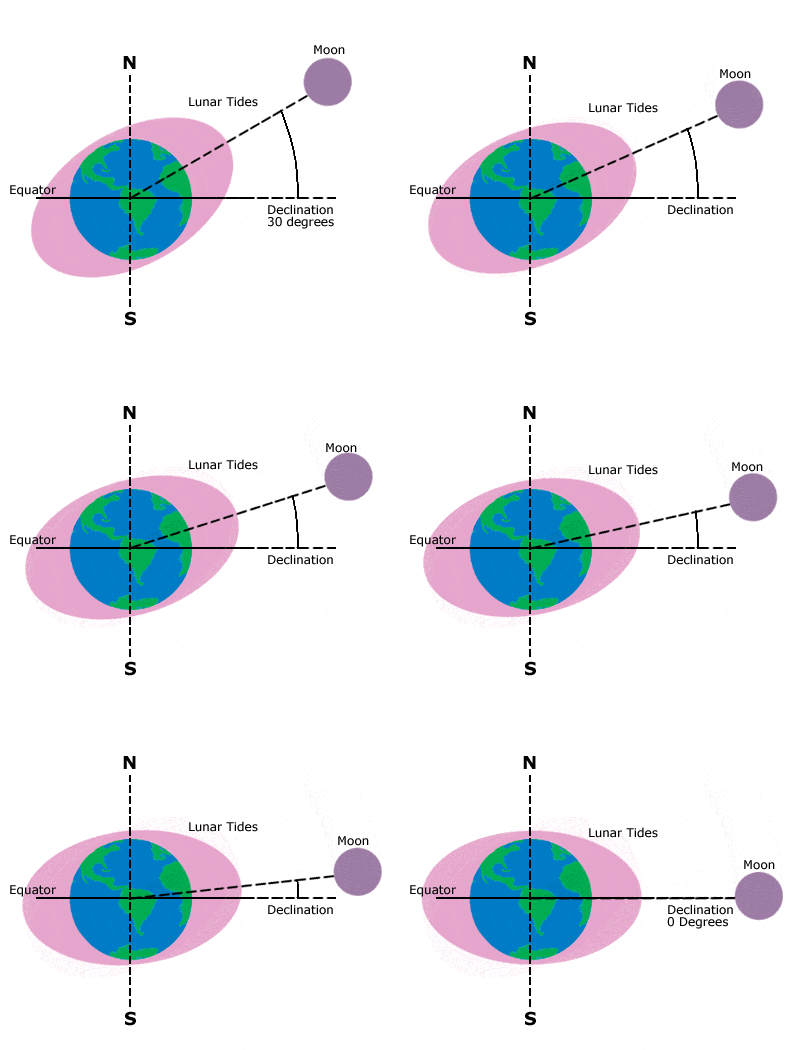
Because both the Moon and the Sun are pulling on Earth's oceans, their relative positions dictate the amplitude of our tides:
Spring Tides (Maximum Severity)
Spring tides occur when the Earth, Moon, and Sun are aligned in a straight line. (This happens during the new moon and full moon phases). In this configuration, the gravitational pulls of the Sun and the Moon combine their strength. Consequently, spring tides result in the greatest difference between high tide and low tide water levels—the highest highs and the lowest lows.
Neap Tides (Minimum Severity)
Neap tides occur when the gravitational forces of the Moon and the Sun act perpendicularly to one another relative to Earth. (This happens during the first and third quarter moon phases). Because the Sun is pulling the ocean in one direction while the Moon pulls it at a 90-degree angle, their gravitational forces partially cancel each other out. As a result, neap tides result in the smallest difference between high tide and low tide water levels—producing a much flatter, milder tidal cycle.