Ecology and Adaptation
Not sure you’re ready?
Take the ~3-minute readiness diagnostic and see where you stand.
Consider a single photon of light striking a leaf in a dense forest. That microscopic packet of solar energy sets off a chain reaction that builds towering trees, feeds millions of insects, powers the migrations of birds across continents, and ultimately drives the relentless engine of biological evolution. Life on Earth is a grand, continuous negotiation between living organisms and their physical environments. Every physical trait, every behavioral quirk, and every predator-prey relationship is the highly refined output of millions of years of this high-stakes negotiation. To understand ecology and adaptation is to look past the static scenery of nature and recognize the invisible, dynamic rules of a complex, life-sustaining system.
The diversity of life we observe is not a random assortment of shapes and sizes; it is the result of a rigorous, ongoing filtering process. Charles Darwin formally introduced the theory of natural selection in his 1859 book On the Origin of Species, providing biology with its unifying foundational principle.
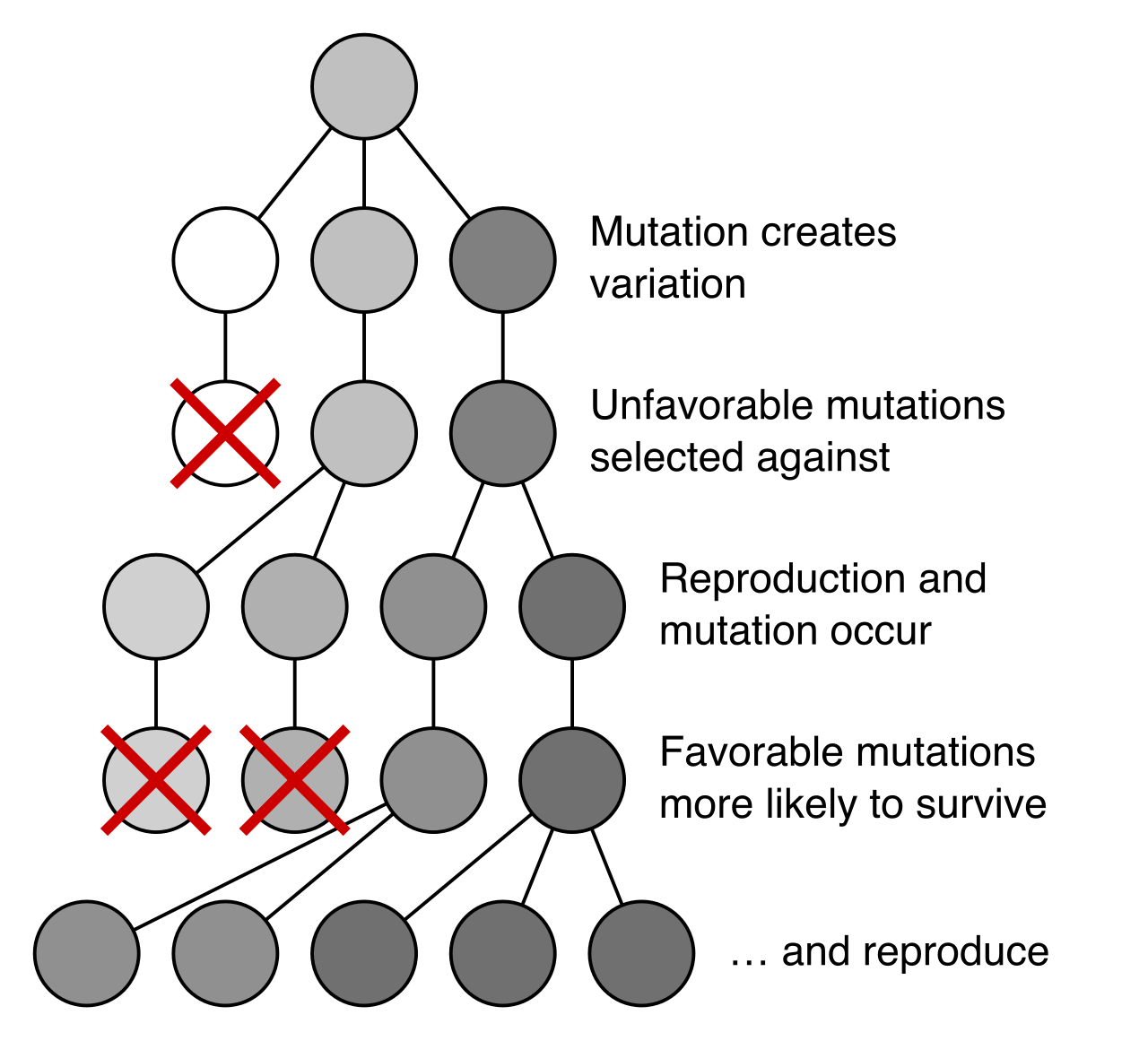
Natural selection is the process by which organisms better adapted to their environment tend to survive and produce more offspring. It is nature’s sieve. However, for this sieve to work, there must be differences among the organisms passing through it. Genetic variation within a population is an absolute requirement for natural selection to occur. If every individual in a species were genetically identical, a single environmental threat could eradicate them all, and no individual would have an advantage over another.
Where does this variation come from? The raw material for all evolutionary change arises from mutations, which are random changes in DNA that introduce new genetic variations into a biological population. Most mutations are harmless, some are detrimental, but occasionally, a mutation grants an organism a slight edge in its current environment.
Refining "Survival of the Fittest"
A common misunderstanding in biology is the phrase survival of the fittest. In evolutionary terms, this phrase refers to an organism's reproductive success within an environment rather than pure physical strength. A tiny, well-camouflaged moth that successfully evades predators and lays hundreds of eggs is far "fitter" than a massive, muscular mammal that fails to reproduce before it dies. Fitness is simply a measure of genetic legacy.
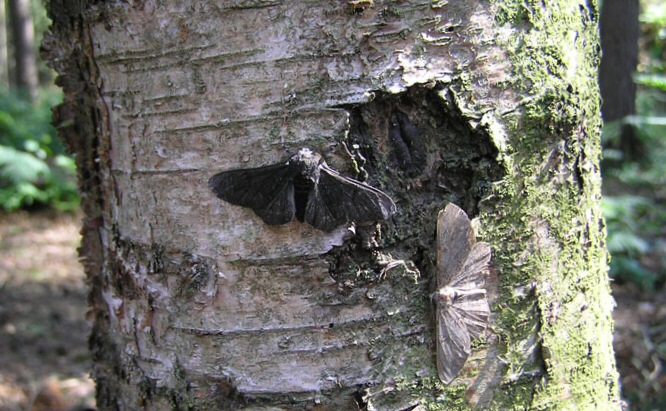
Crucially, fitness is a moving target. Because environments are dynamic, environmental changes can shift which physical or behavioral traits are most advantageous for an organism's survival. A thick fur coat is highly advantageous during an ice age but becomes a lethal liability if the global climate rapidly warms.
When natural selection acts upon genetic variations over countless generations, it produces adaptations. An adaptation is a physical or behavioral trait that helps an organism survive and reproduce in its specific environment. We categorize these survival tools into two primary types:
| Type of Adaptation | Definition | Classic Example |
|---|---|---|
| Structural Adaptation | Physical features of an organism's body that enhance survival. | Camouflage is a structural adaptation allowing an organism to visually blend in with the surrounding environment, masking it from predators or prey. |
| Behavioral Adaptation | Specific actions an organism takes to survive in a particular environment. | Migration is a behavioral adaptation involving the seasonal movement of animal populations from one region to another to find food or breed. |
Organisms do not adapt in a vacuum. They live within an ecosystem, which consists of all the living organisms in a specific area interacting with the non-living environment (such as water, soil, and climate). To maintain the highly organized state of life within this system, energy must be constantly injected and circulated.
The Ecological Ledger: Producers and Consumers
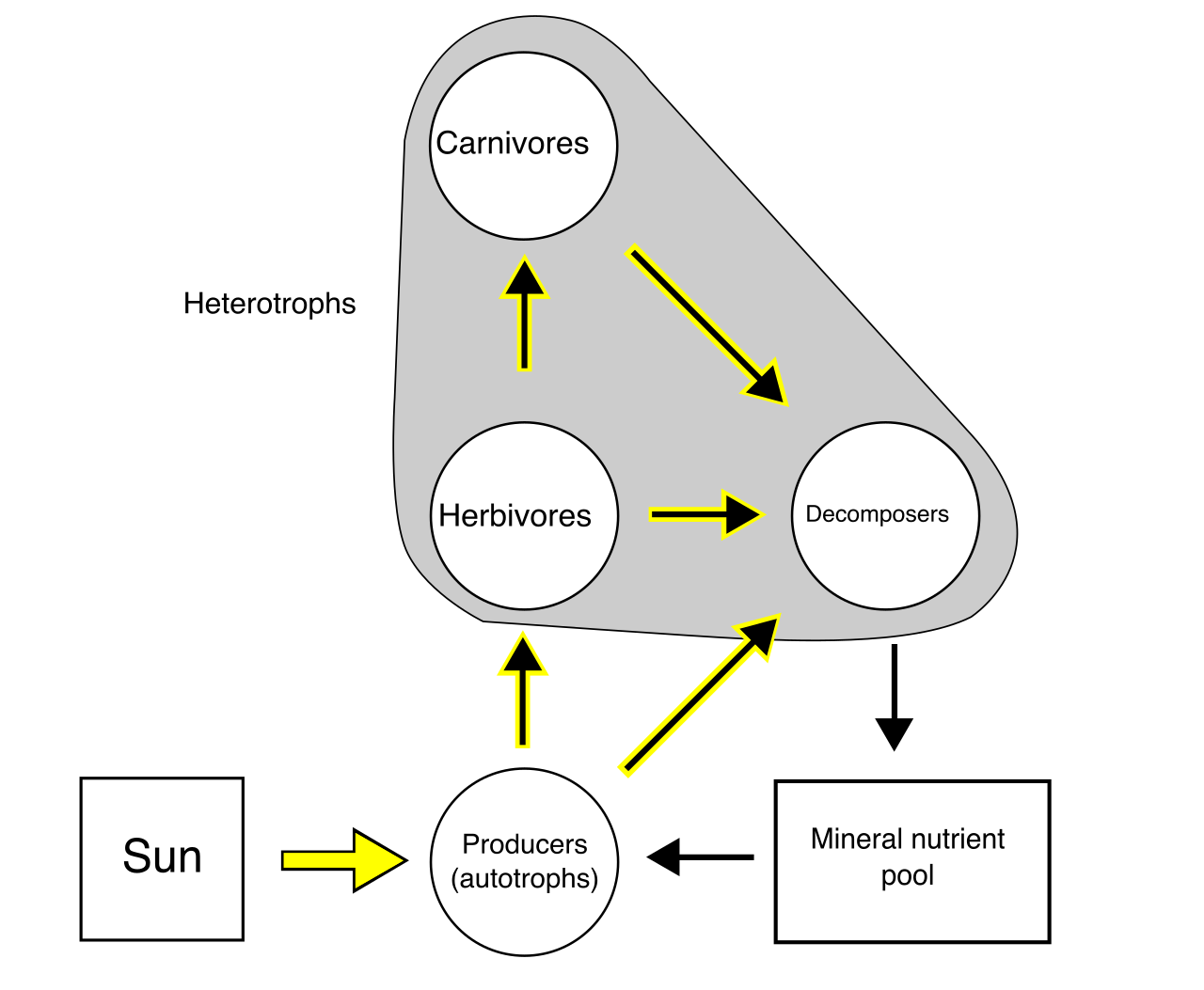
The primary energy source: The sun acts as the primary source of energy for almost all terrestrial and shallow marine ecosystems on Earth.
Energy enters the biological realm via producers (like plants and algae), which convert solar energy into chemical energy through the process of photosynthesis. Because other organisms cannot perform this solar alchemy, they must act as consumers, obtaining chemical energy by eating other living organisms.
Ecosystems organize these consumers into distinct trophic (feeding) levels:
- Primary consumers: These are herbivores that obtain energy strictly by eating producers.
- Secondary consumers: These are carnivores or omnivores that eat primary consumers to obtain energy.
- Tertiary consumers: These are apex predators that obtain energy by eating secondary consumers.
Mapping the Flow: Chains vs. Webs
To trace the movement of this chemical energy, ecologists use models. A food chain traces the linear transfer of energy from one organism to another within an ecosystem (e.g., Grass → Grasshopper → Frog → Hawk).
However, nature is rarely strictly linear. A food web is a complex network of multiple interconnected food chains within a single ecosystem. It reflects the reality that most predators eat multiple types of prey, and most prey are hunted by multiple types of predators.
The Harsh Thermodynamics of Survival
Energy does not cycle through an ecosystem indefinitely. Energy flows through an ecosystem in a single direction from producers upward to various levels of consumers. Why a single direction? Because of the relentless cost of living.
Organisms lose approximately ninety percent of consumed energy as heat during normal metabolic processes—just by moving, breathing, growing, and existing. This leads to a fundamental biological constraint known as the ten percent rule, which states that only about ten percent of the energy at one trophic level is passed on to the next higher trophic level.
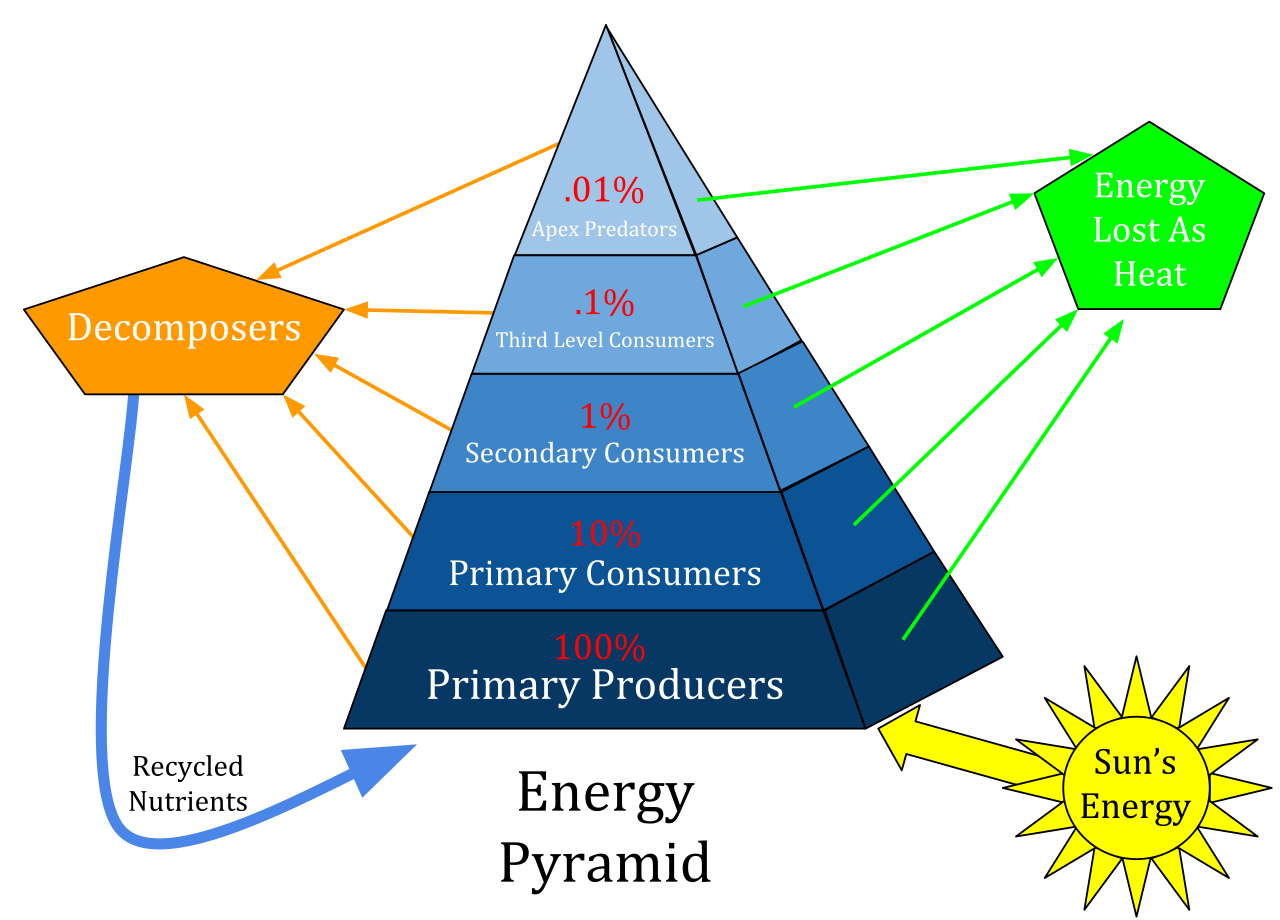
This thermodynamic tax explains why ecosystems rarely support higher than tertiary consumers. By the time energy travels from a vast field of grass, to a herd of deer, to a small pack of wolves, there is simply not enough energetic "budget" left over to support a predator that preys strictly on wolves.
The Indispensable Recyclers
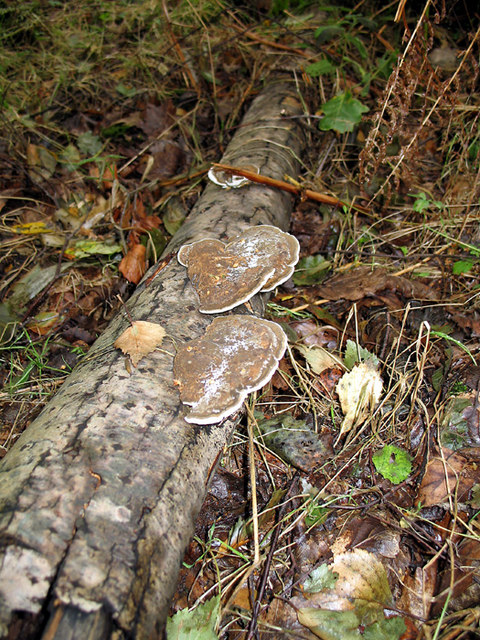
While energy flows in a single, depleting direction, physical matter must be conserved. This is the domain of decomposers (like fungi and bacteria). Decomposers break down dead organic matter to recycle essential nutrients back into the soil. As a result, nutrients are continuously recycled through an ecosystem by the chemical action of decomposers, allowing plants to grow anew and the cycle of life to sustain itself.
Because energy and nutrients pass intricately between species, ecosystems are defined by interdependence—the biological reliance of organisms on other organisms and the environment for survival. A shift in one population invariably ripples through the entire system.
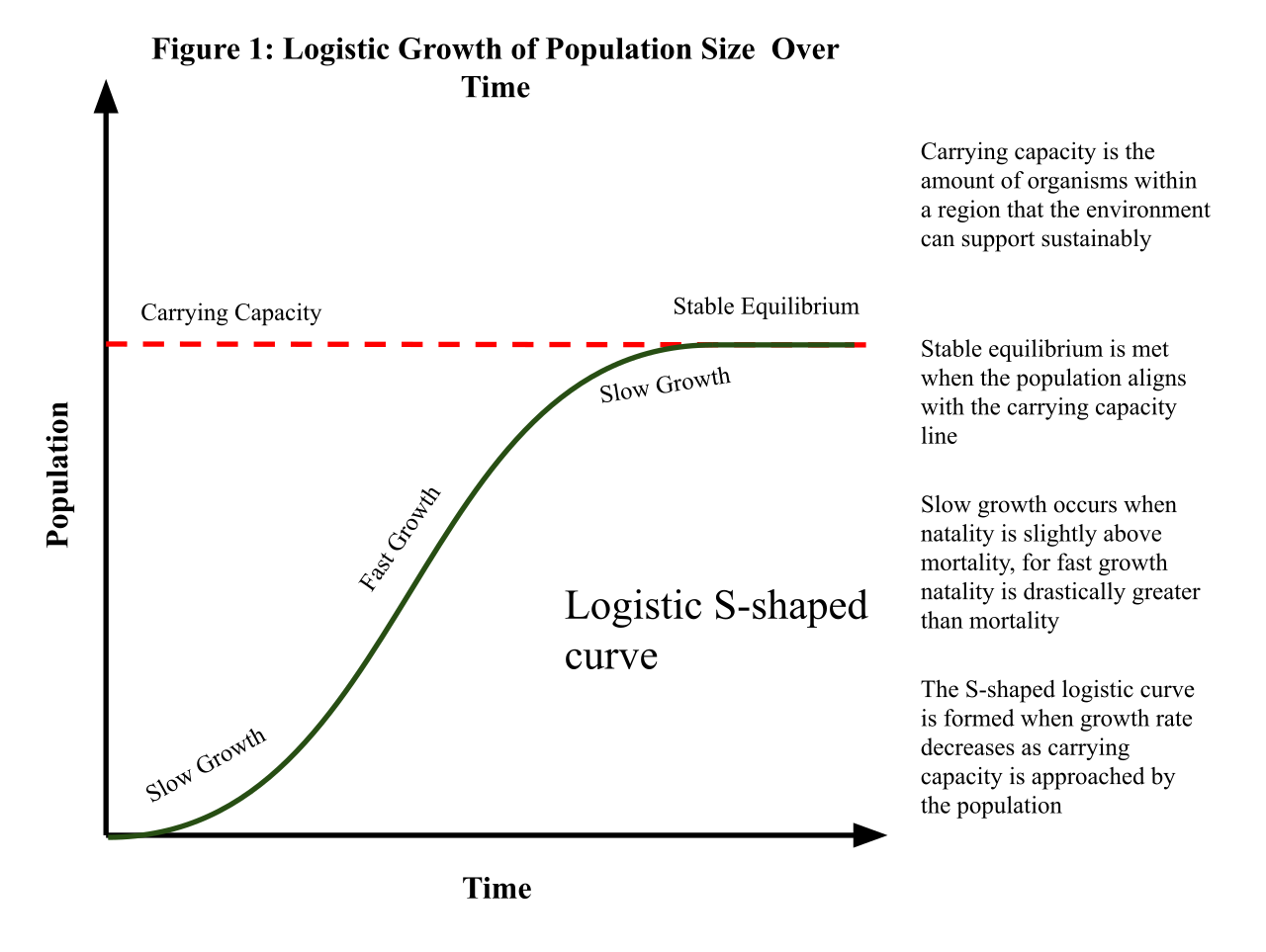
Every environment has strict physical limits. The carrying capacity is the maximum population size of a specific species that a given environment can sustain indefinitely. Population sizes are kept at or below this capacity by limiting factors like food availability, space, and predation.
Keystone Species and Trophic Cascades
Not all species hold equal structural weight in an ecosystem. A keystone species is an organism that has a disproportionately large stabilizing impact on an entire ecosystem, much like the central keystone in a Roman arch. The removal of a keystone species frequently leads to the collapse or drastic alteration of an entire ecosystem.
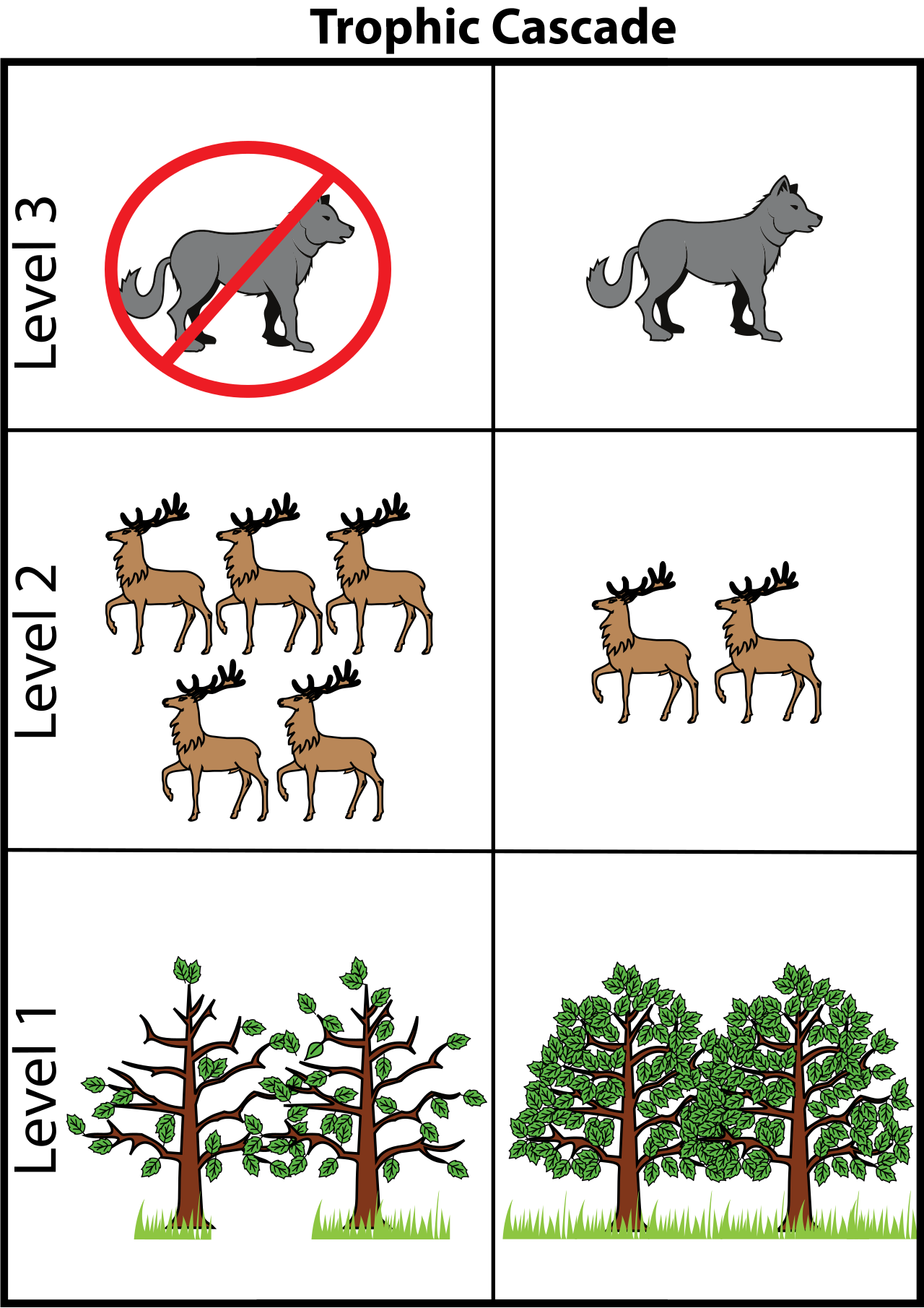
Consider the catastrophic chain reaction of removing an apex predator:
- Removing a top predator from an ecosystem causes an immediate overpopulation of the predator's primary prey species. Without a limiting mechanism, the prey numbers explode.
- Consequently, overpopulation of a herbivorous prey species routinely leads to the severe depletion of local producer populations. The herbivores consume vegetation faster than it can grow back, leading to soil erosion, starvation, and habitat collapse.
The Threat of Invasive Species
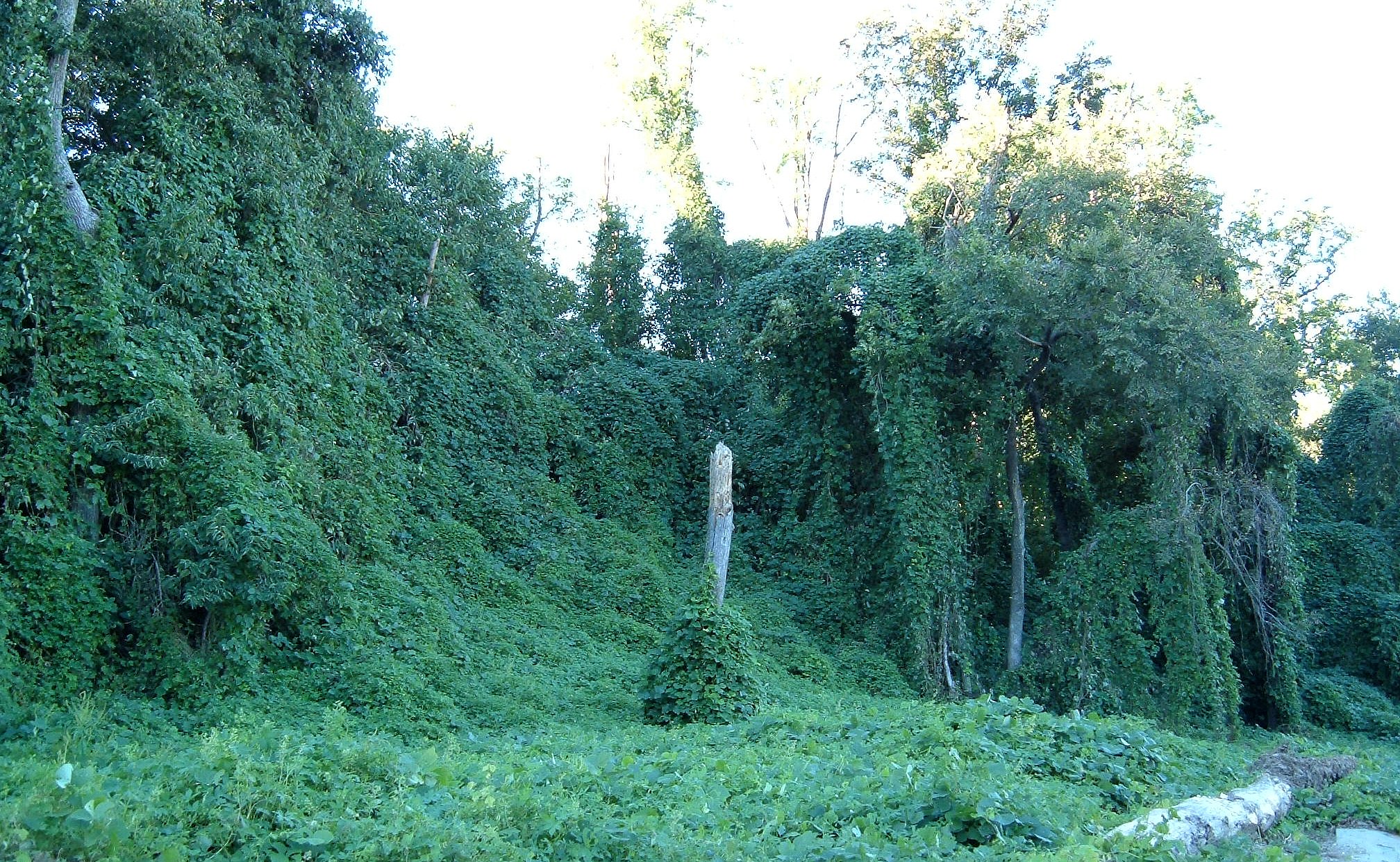
Ecosystems can be destabilized just as quickly by additions as they can by subtractions. An invasive species is a non-native organism that causes severe ecological or economic harm to a new environment.
When humans intentionally or accidentally introduce a novel species into an ecosystem, the biological checks and balances developed over millions of years of natural selection are entirely bypassed. Invasive species typically experience rapid population growth due to a total lack of natural predators in the new environment. Unchecked, they consume massive amounts of resources. Ultimately, the introduction of an invasive species often results in native species being outcompeted for limited survival resources.
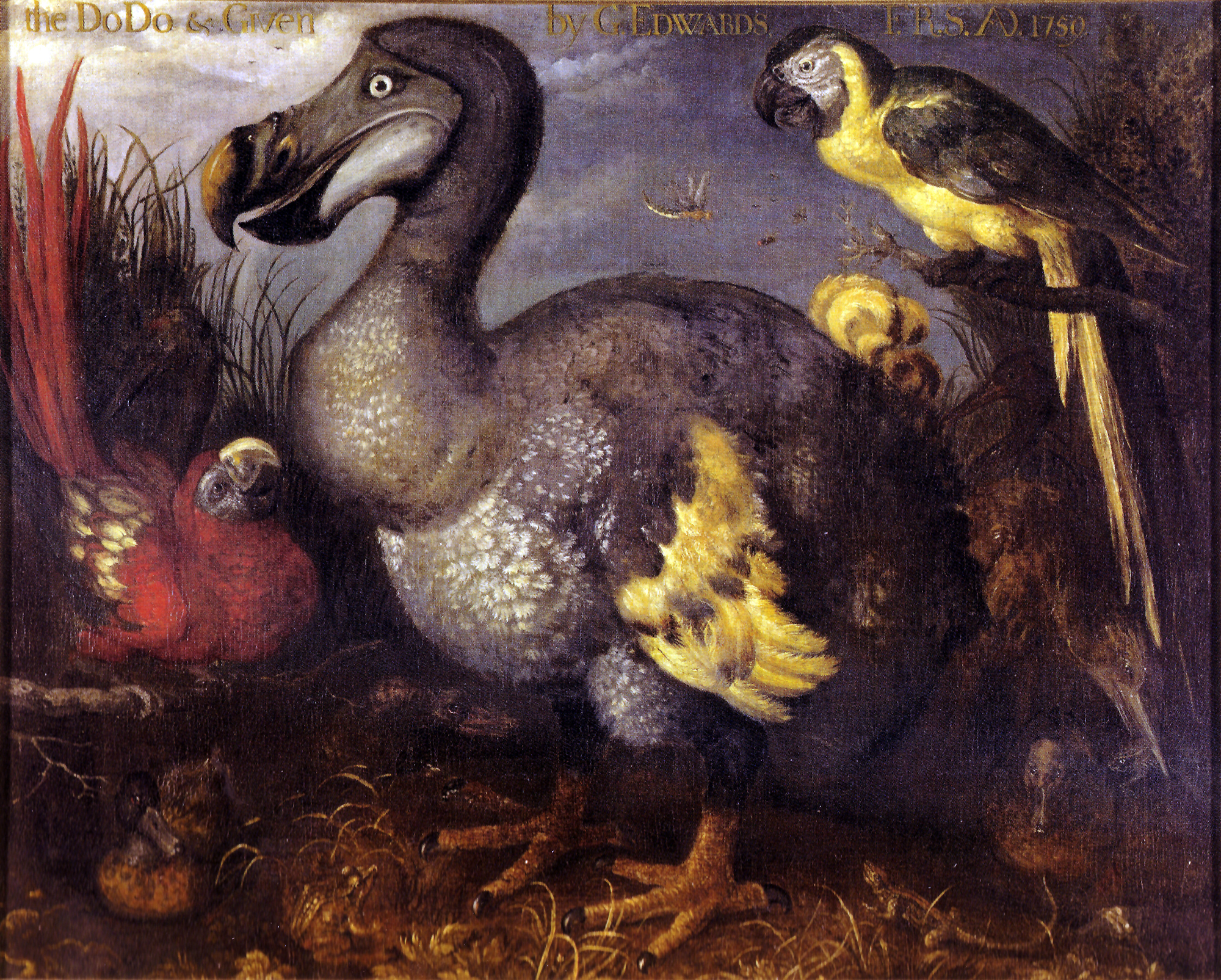
The Final Boundary: Extinction
Whether due to the removal of a keystone species, the arrival of a virulent invasive species, or a rapid shift in the climate that outpaces a population's genetic variation, organisms sometimes face insurmountable environmental pressures. When a species lacks the requisite adaptations to survive these pressures, and its population continually falls well below the carrying capacity without recovering, the ultimate biological endpoint is reached. Extinction occurs when every individual member of a biological species dies. Extinction is the starkest reminder that ecology is not a passive backdrop; it is an active, ongoing test of survival.