Properties and Structure of Matter
Not sure you’re ready?
Take the ~3-minute readiness diagnostic and see where you stand.
Look at a glass of ice water resting on a solid oak table. To the naked eye, this scene presents a tranquil, continuous reality. Yet, beneath the threshold of our vision, it is a chaotic theater of tiny, invisible entities vibrating, colliding, and binding together. Matter is defined as anything that has mass and takes up space. And the profound revelation of modern science is that all matter is composed of tiny fundamental particles called atoms. To understand the physical universe—and to confidently teach its foundational principles—we must understand the rules that govern these particles, how they arrange themselves into the macroscopic states we experience, and the precise ways they transform when they interact.
If we were to magnify a single drop of water until it was the size of the Earth, the atoms within it would be roughly the size of baseballs. An atom is the smallest unit of an element that retains the chemical properties of that element. Despite being the fundamental building block of matter, the atom itself has a highly organized internal structure consisting of three primary subatomic particles: protons, neutrons, and electrons.
The Nucleus and Electron Cloud
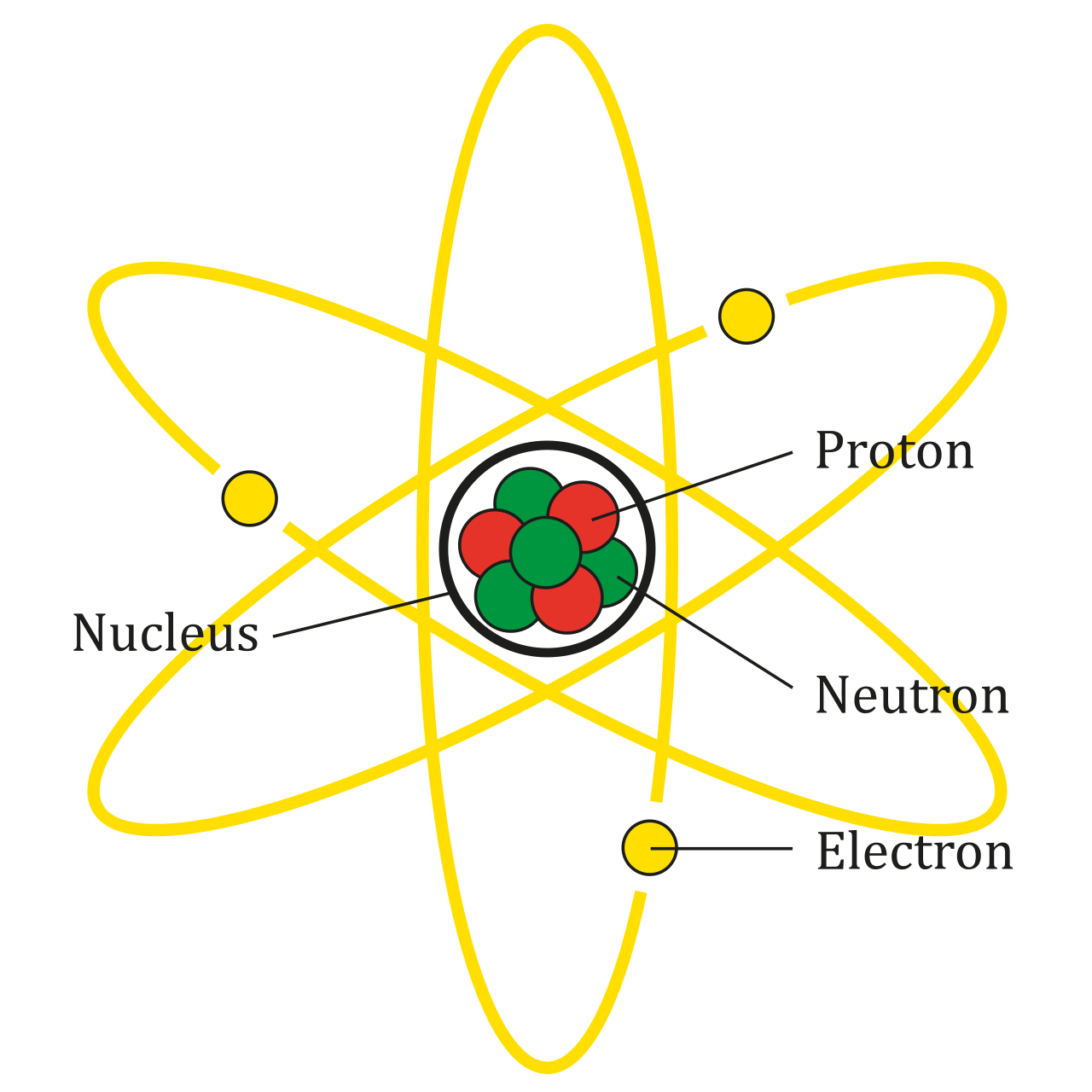
At the very core of the atom lies the nucleus. The nucleus is the small, dense, positively charged center of an atom. It is home to two types of particles:
- Protons are located inside the nucleus of an atom. A proton is a subatomic particle with a positive electrical charge.
- Neutrons are located inside the nucleus of an atom. A neutron is a subatomic particle with no electrical charge.
Both of these heavy nuclear particles dictate the atom's mass. Protons have a mass of approximately one atomic mass unit (amu), and similarly, neutrons have a mass of approximately one atomic mass unit. Because they are bound together at the center, most of the mass of an atom is concentrated in the nucleus.
Swarming around this dense center are the electrons. An electron is a subatomic particle with a negative electrical charge. These particles do not sit still; rather, electrons orbit the nucleus of an atom in regions called electron clouds or shells. They are astonishingly light. The mass of an electron is roughly 1/1836th the mass of a proton. Because these tiny electrons orbit at immense distances relative to the size of the nucleus, a shocking physical truth emerges: most of the volume of an atom consists of empty space in the electron cloud.
Identity and Variation
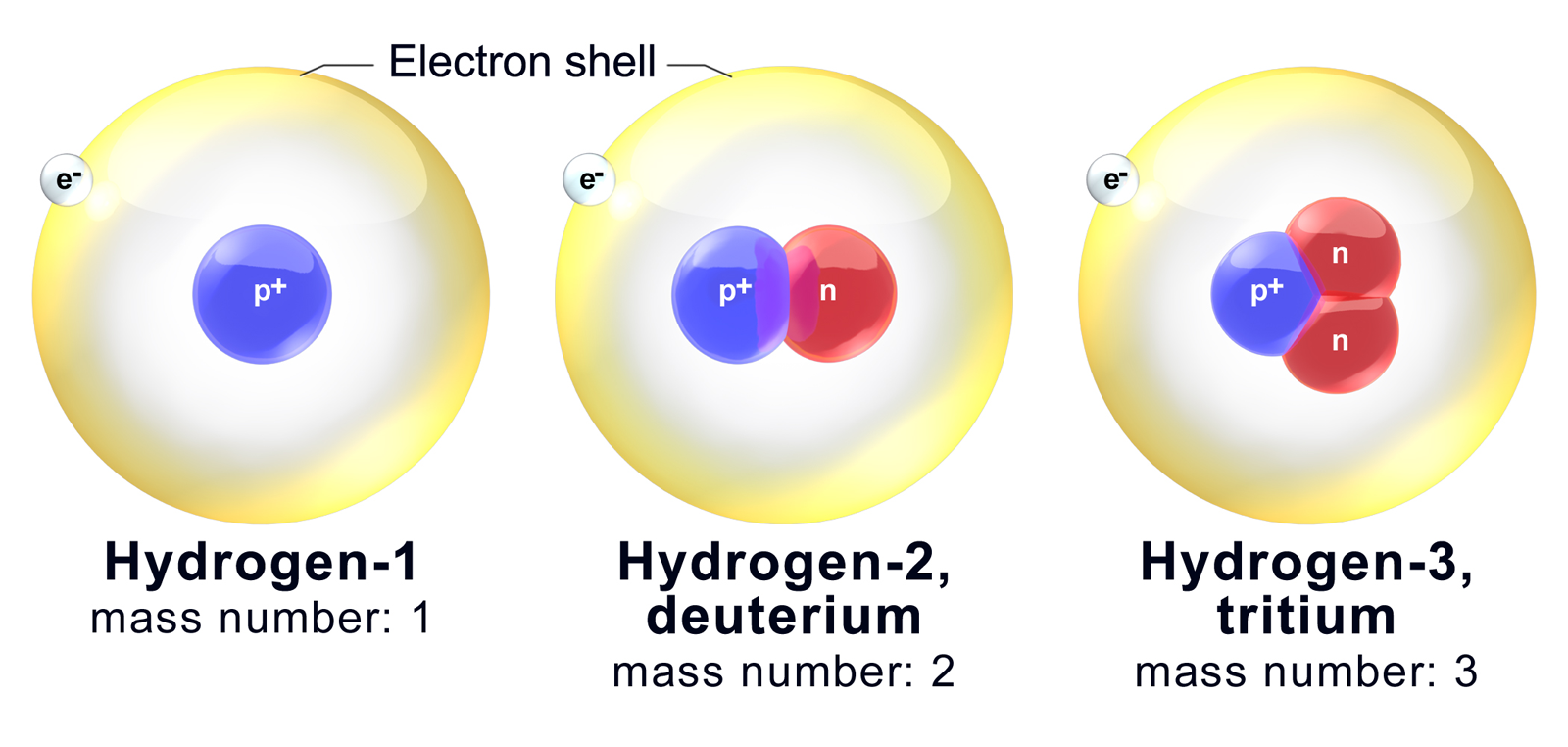
What distinguishes carbon from gold, or oxygen from iron? Simply the number of protons. The number of protons determines the elemental identity of an atom.
- The atomic number of an element is equal to the number of protons in the atoms of that element.
- Meanwhile, the mass number of an atom is the sum of the protons and neutrons in the atom.
While all atoms of a specific element must have the exact same number of protons, their neutron and electron counts can vary:
- Isotopes are atoms of the same element that have different numbers of neutrons.
- Ions are atoms that have gained or lost electrons to acquire a net electrical charge.
With our atomic building blocks established, we can examine how matter organizes itself on a macroscopic scale.
Pure Substances
An element is a pure substance consisting of only one type of atom. Because it is perfectly uniform at the atomic level, it cannot be broken down into simpler substances. Gold is an example of an element.
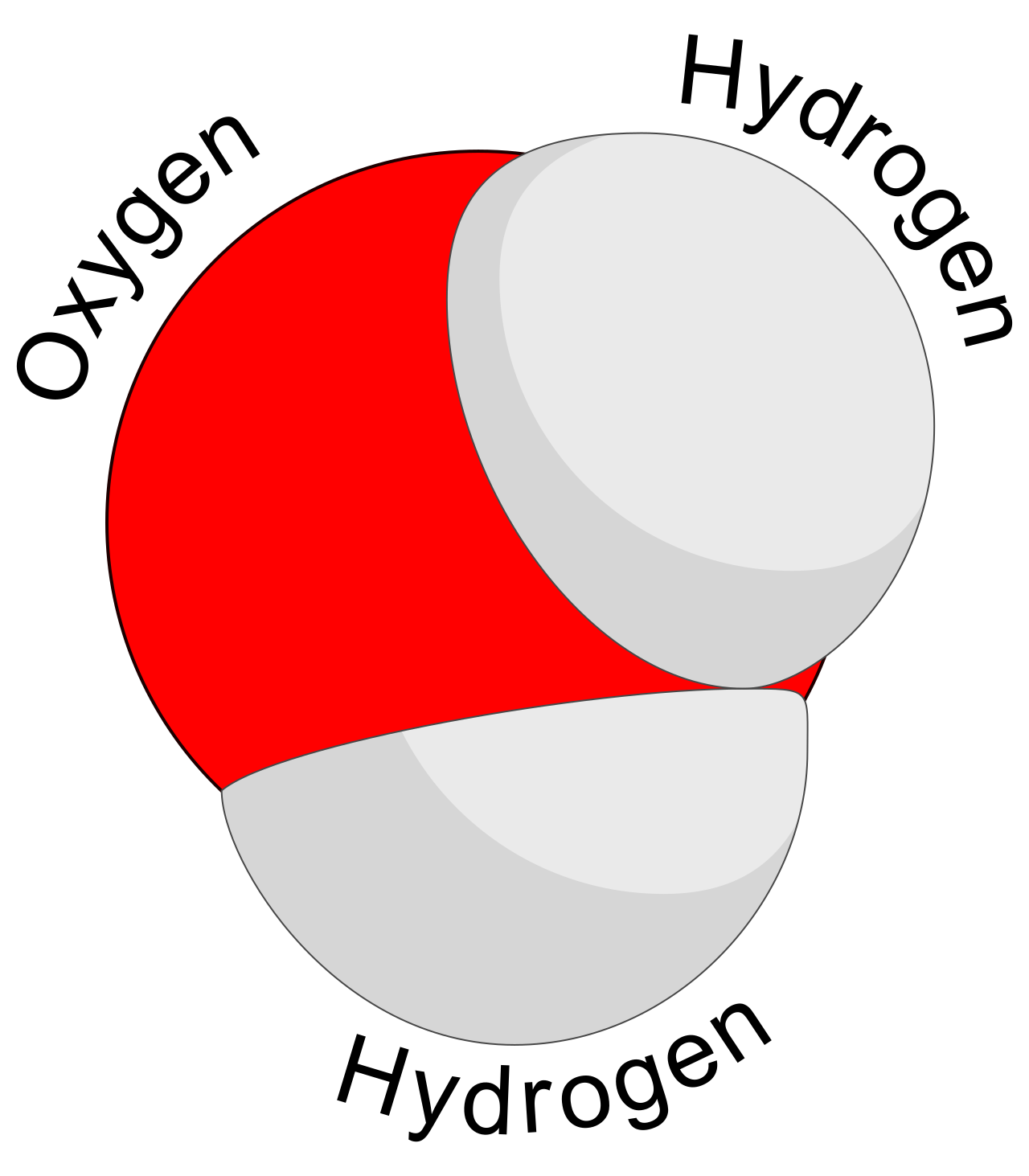
However, elements rarely exist in isolation. When different elements chemically bond, they form a new pure substance. A compound is a pure substance formed by the chemical combination of two or more different elements in fixed proportions. For example, water is a compound made of hydrogen and oxygen (always in a fixed 2:1 ratio). One of the most fascinating phenomena in chemistry is that compounds have different physical and chemical properties than their constituent elements. Hydrogen is a highly explosive gas, and oxygen aggressively fuels combustion, yet when bonded together into water, they form a liquid that extinguishes fire.
Mixtures and Solutions
Often, substances intermingle without undergoing a chemical bond. A mixture is a combination of two or more substances that are not chemically combined. Because no chemical reaction has taken place, each substance in a mixture retains its own individual chemical properties. Mixtures fall into two distinct categories:
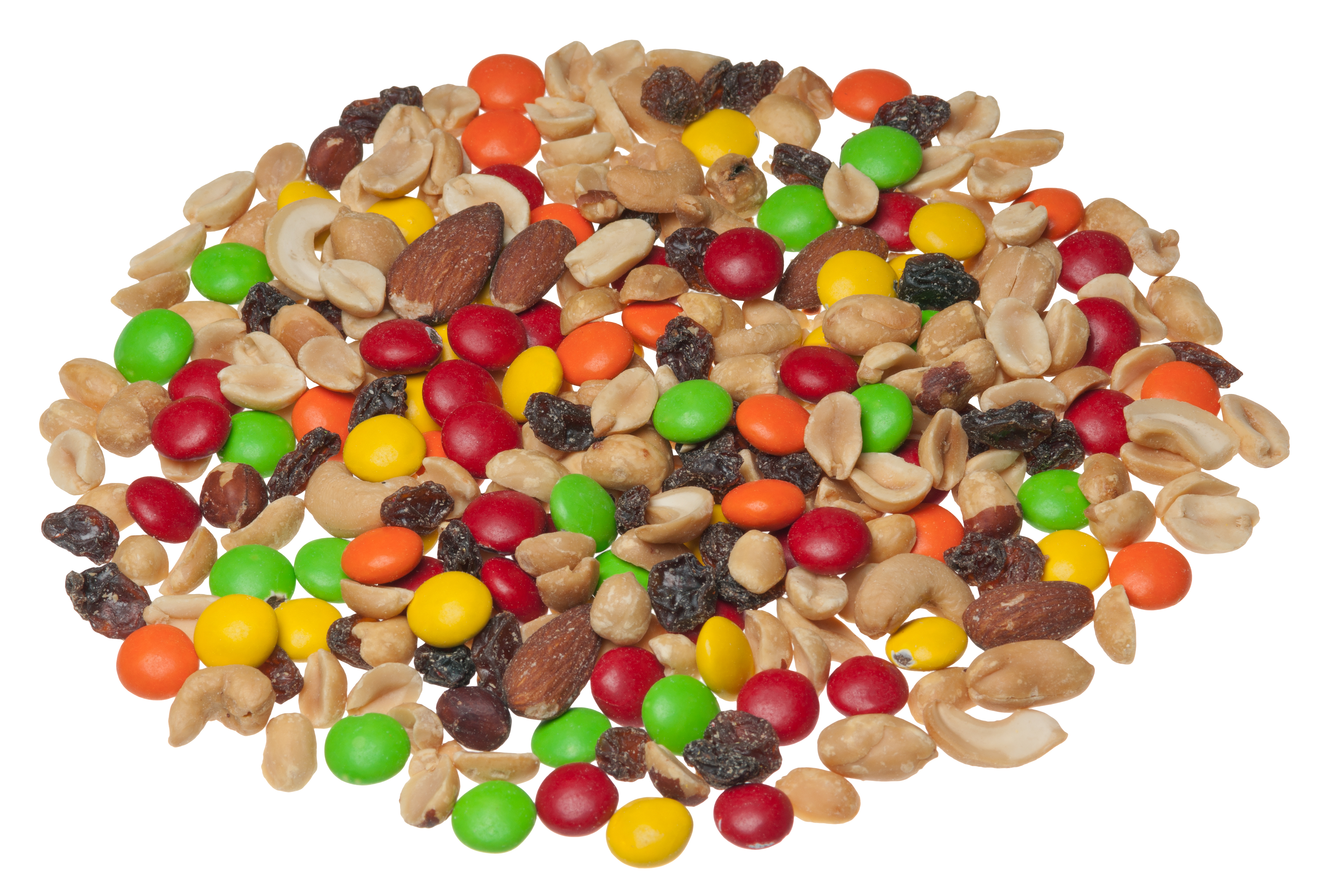
- Heterogeneous Mixtures: A heterogeneous mixture contains substances that are not evenly distributed throughout. If you take two scoops of it, they might look different. A bowl of trail mix is an example of a heterogeneous mixture. Within this category, a suspension is a heterogeneous mixture containing large solid particles that will settle upon standing (like muddy water).
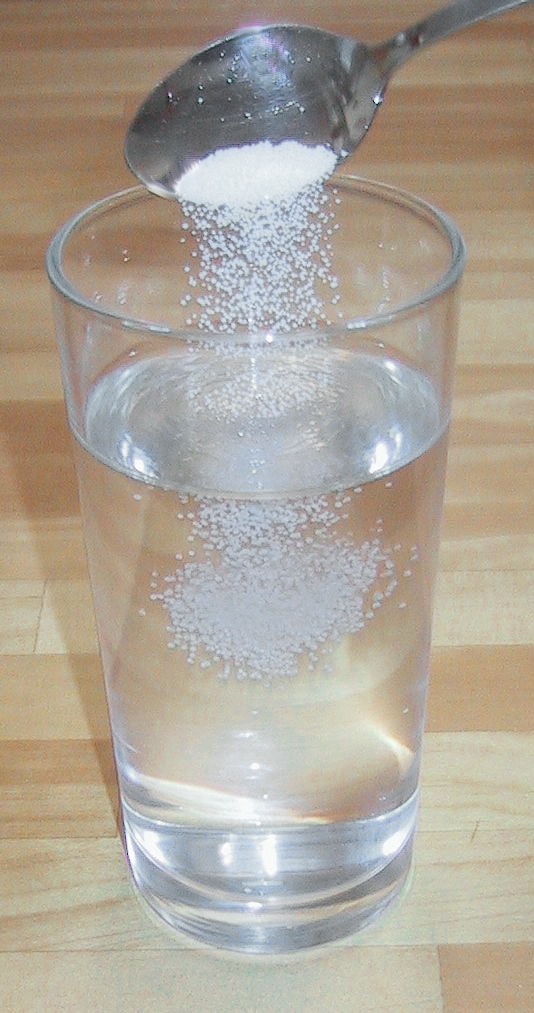
- Homogeneous Mixtures: A homogeneous mixture contains substances that are evenly distributed. Because of this perfect distribution, a homogeneous mixture appears uniform throughout. In chemistry, a solution is another name for a homogeneous mixture.
In a liquid solution, we identify two parts. A solute is the substance that is dissolved in a solution, while a solvent is the substance that does the dissolving in a solution. For instance, in a saltwater solution, salt acts as the solute and water acts as the solvent. Water is so incredibly effective at dissolving various solutes that water is commonly referred to as the universal solvent. Solutions are not limited to liquids; an alloy is a solid solution composed of two or more metals. Steel is an example of an alloy, consisting of iron evenly mixed with carbon and other trace elements.
Because mixtures are not chemically bonded, mixtures can be separated by physical means.
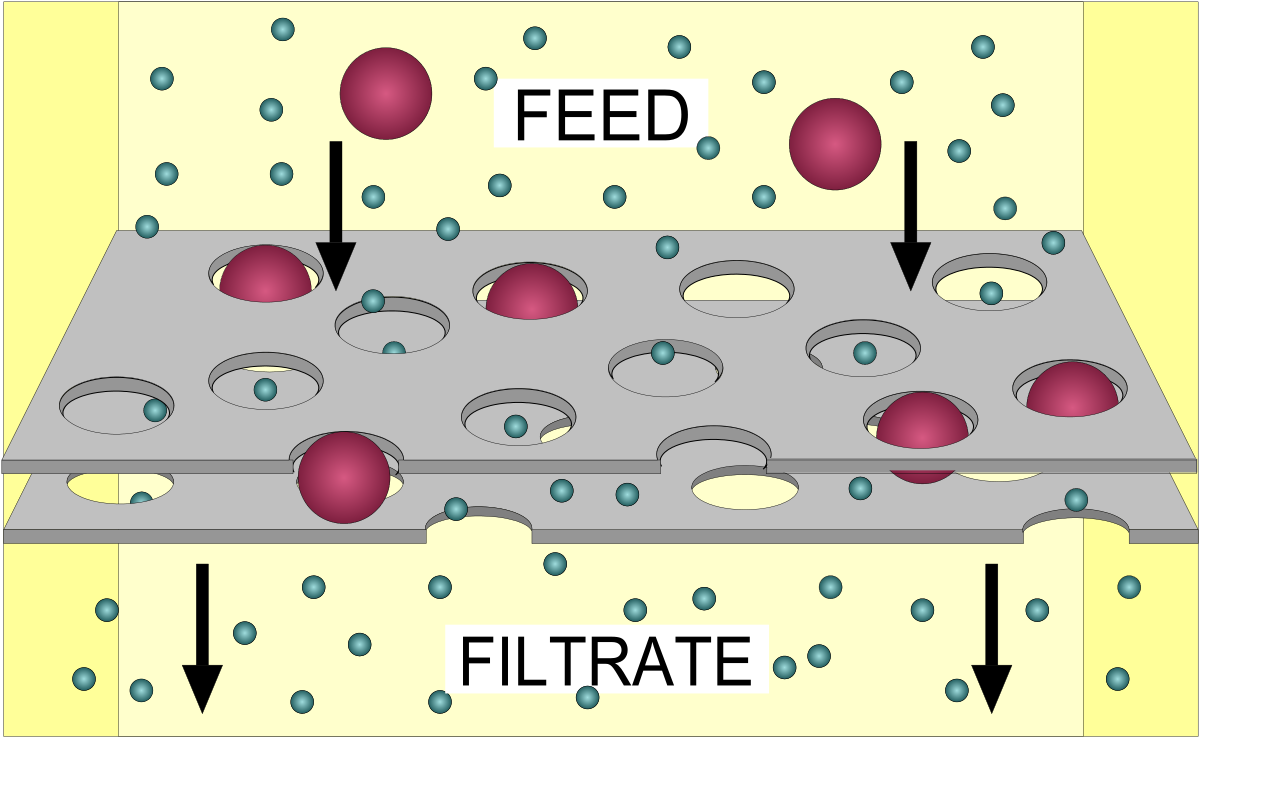
- Filtration is a separation method used to remove solid particles from a liquid in a heterogeneous mixture (like using a paper filter for coffee).
- Distillation is a separation method that separates homogeneous mixtures based on differences in boiling points.
To categorize the material universe, scientists measure specific properties. We divide these into two distinct classes based on how they are observed.
Physical Properties
A physical property is a characteristic of a substance that can be observed without changing the chemical identity of the substance. Measuring these does not destroy or alter the matter.
- Mass is a physical property measuring the amount of matter in an object.
- Volume is a physical property measuring the amount of three-dimensional space an object occupies.
- Density is a physical property defined as the mass per unit volume of a substance.
- Visual characteristics, such as color is classified as a physical property.
- Electrical conductivity is a physical property describing how well a substance allows electricity to flow through the substance.
- Thermal benchmarks are also purely physical. The melting point is the specific temperature at which a solid becomes a liquid, and the boiling point is the specific temperature at which a liquid becomes a gas.
Chemical Properties
In contrast, observing a chemical property requires the substance to potentially change its fundamental identity. A chemical property describes the ability of a substance to undergo a specific chemical change to form a new substance.
- Flammability is a chemical property indicating how easily a substance can catch fire.
- Reactivity is a chemical property describing how readily a substance undergoes a chemical reaction with another substance.
- Toxicity is a chemical property describing the degree to which a substance can harm living organisms.
Matter exists in different phases depending on the kinetic energy of its particles. The four fundamental states of matter are solid, liquid, gas, and plasma.
| State | Shape & Volume | Particle Behavior |
|---|---|---|
| Solid | A solid has a definite shape and a solid has a definite volume. | The particles in a solid are tightly packed together in fixed positions. They vibrate but do not roam. |
| Liquid | A liquid has a definite volume, but a liquid takes the shape of the container holding the liquid. | The particles in a liquid are close together, yet the particles in a liquid can slide past one another freely. |
| Gas | A gas does not have a definite shape and a gas does not have a definite volume. | The particles in a gas are widely spaced and the particles in a gas move rapidly in all directions. |
| Plasma | Definite shape/volume absent (like a gas), but electrically conductive. | A plasma is a highly energized state of matter consisting of a gas of ions and free electrons. |
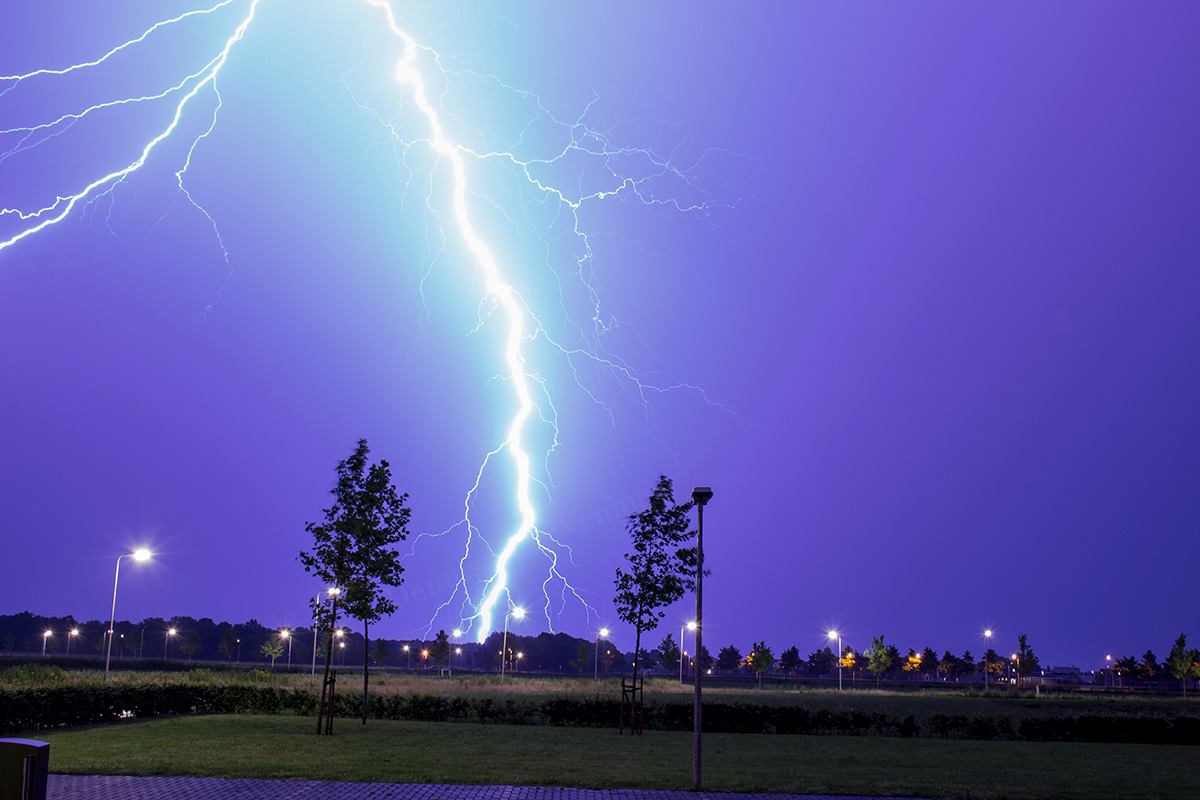
While plasmas are rare on Earth's surface, they dominate the cosmos. Lightning consists largely of plasma, and stars consist largely of plasma.
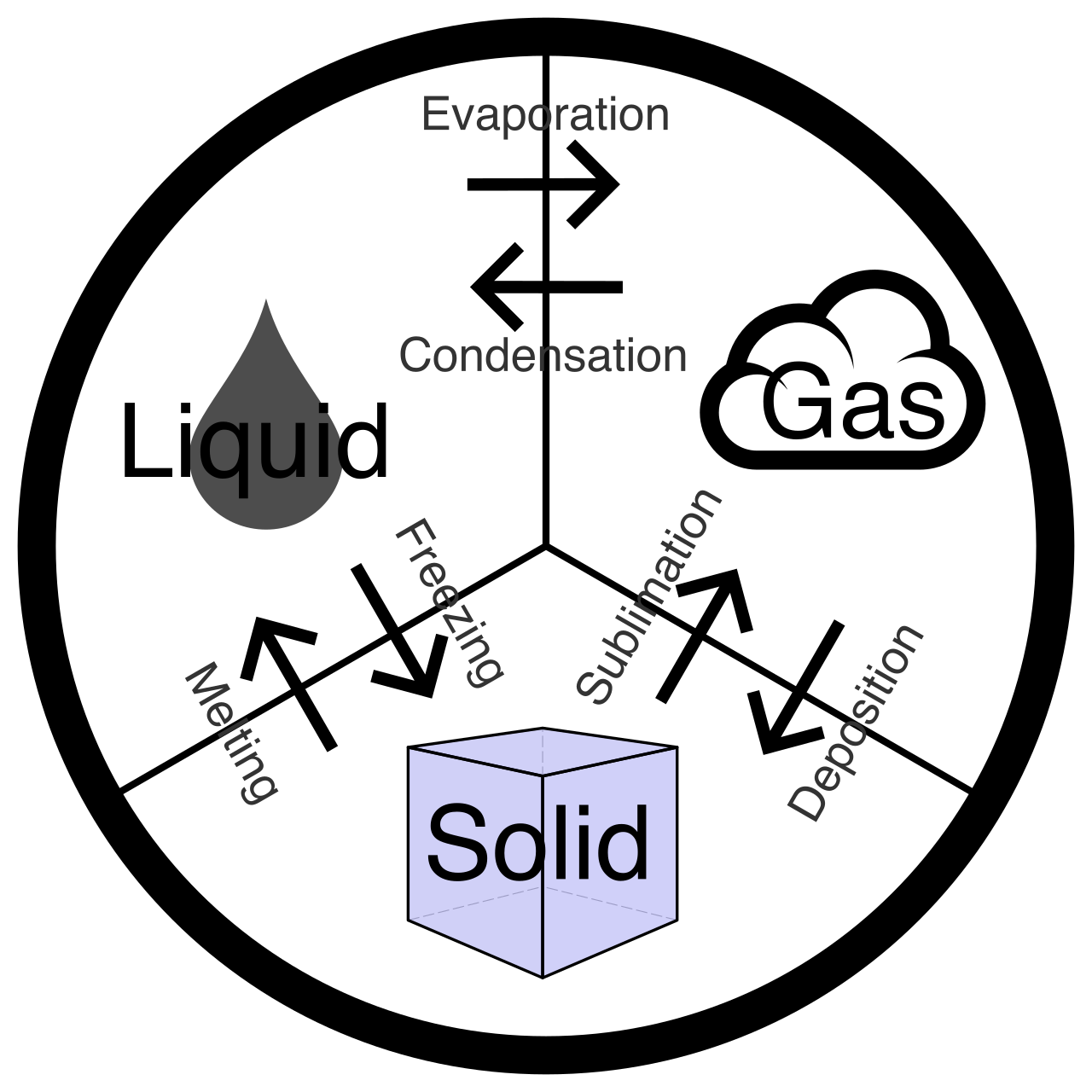
Phase transitions are driven by heat. Adding thermal energy to a substance increases the kinetic energy of the particles in the substance, causing them to move faster and spread apart. Conversely, removing thermal energy from a substance decreases the kinetic energy of the particles in the substance, causing them to slow down and condense.
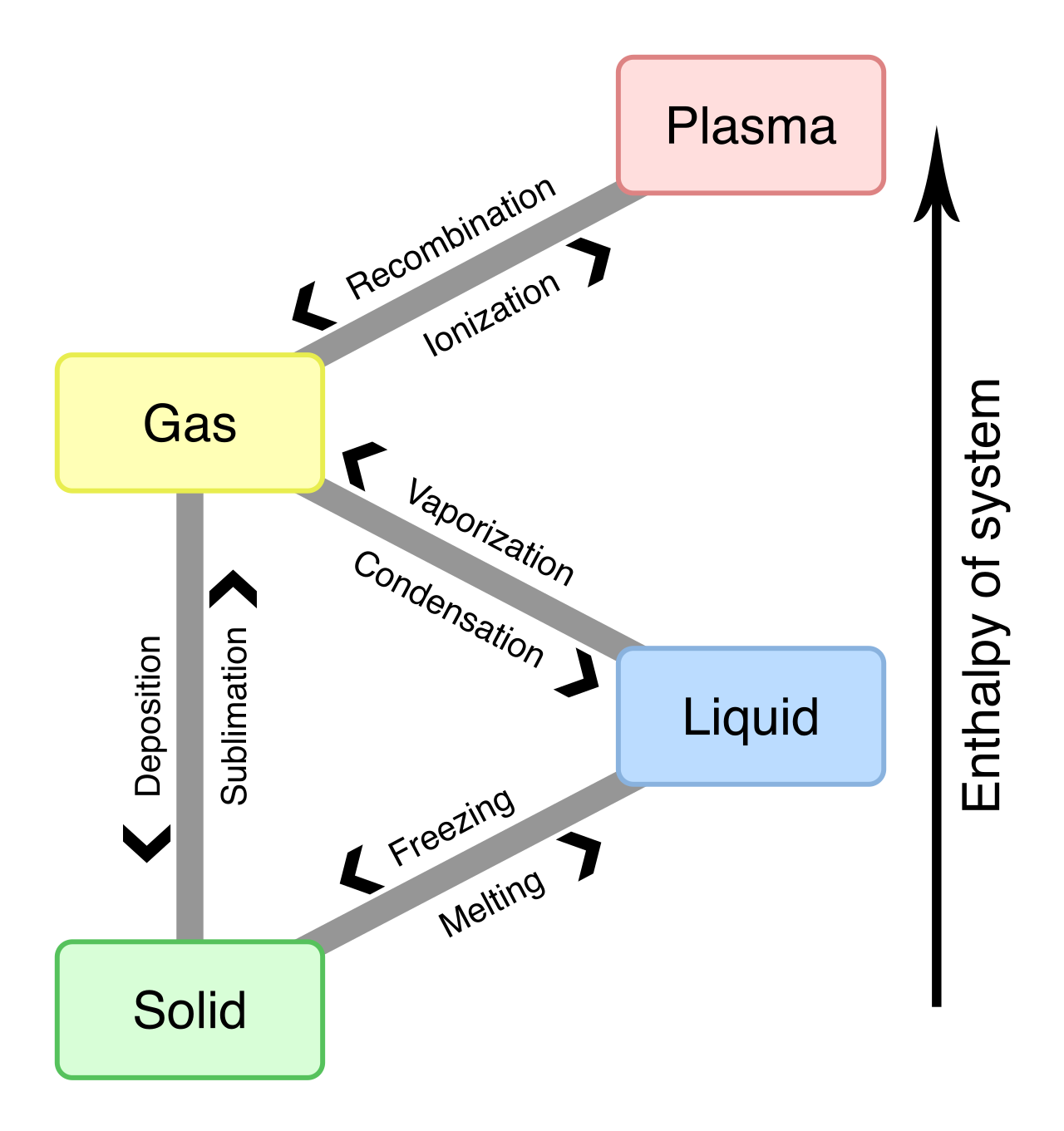
- Melting is the phase transition from a solid to a liquid.
- Freezing is the phase transition from a liquid to a solid.
- Vaporization is the phase transition from a liquid to a gas. This occurs in two distinct ways: evaporation is a type of vaporization that occurs only on the surface of a liquid, whereas boiling is a type of vaporization that occurs throughout the entire volume of a liquid.
- Condensation is the phase transition from a gas to a liquid.
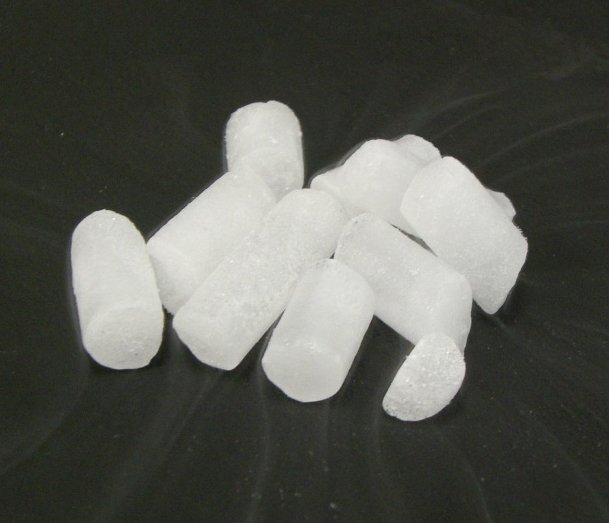
Occasionally, matter skips the liquid phase entirely. Sublimation is the phase transition directly from a solid to a gas without passing through the liquid phase. For example, solid carbon dioxide, known as dry ice undergoes sublimation at room temperature. The reverse process is also possible: deposition is the phase transition directly from a gas to a solid without passing through the liquid phase. The formation of frost on a cold window is an example of deposition.
The universe is dynamic; matter is constantly changing. We categorize these transformations into two types.
Physical Changes
A physical change alters the form or appearance of a substance without creating a new substance. The molecular structure remains entirely intact.
- Tearing a piece of paper is a physical change.
- Dissolving salt into water is a physical change. (The salt and water remain salt and water, which is why they can be separated by distillation).
- Melting ice into liquid water is a physical change. By extension, changes of state are always classified as physical changes.
Chemical Changes
A chemical change results in the formation of one or more new substances with different properties. Chemical bonds are broken and new ones are formed.
- The rusting of iron is a chemical change. (Iron and oxygen form iron oxide).

Because we cannot see atoms rearranging with our naked eyes, we rely on macroscopic evidence. Four primary indicators tell us a chemical reaction is occurring:
- The production of a new gas during a reaction often indicates a chemical change (e.g., bubbling or fizzing).
- A sudden unexpected change in color during a reaction can indicate a chemical change.
- The formation of a solid precipitate from two liquid solutions indicates a chemical change.
- The release or absorption of heat without an external source indicates a chemical change.
The Law of Conservation of Mass
Regardless of whether a physical or chemical change occurs, the universe keeps a strict ledger.
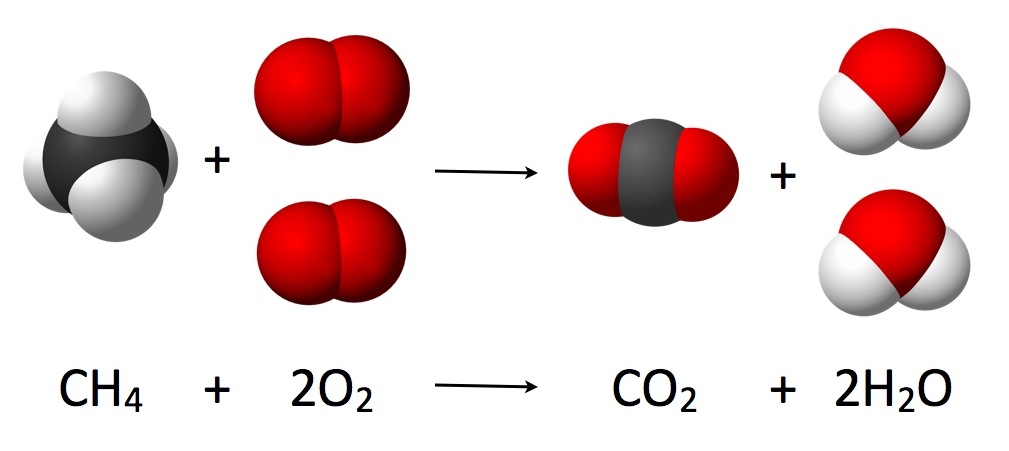
The Law of Conservation of Mass states that matter is neither created nor destroyed during an ordinary chemical reaction.
When a log burns, it may seem like matter has vanished into thin air. However, if you were to trap and weigh all the soot, ash, and invisible gases released, you would find a perfect equivalence. The total mass of the reactants in a chemical reaction exactly equals the total mass of the products. Matter simply changes its atomic arrangement, proving that from the invisible electron cloud to a blazing star, the physical universe is an endless, elegant cycle of transformation.