European Exploration and Colonization
Not sure you’re ready?
Take the ~3-minute readiness diagnostic and see where you stand.
Imagine two massive, highly complex biological and cultural terrariums that have evolved in complete, absolute isolation from one another for over ten thousand years. In one terrarium, you have horses, smallpox, wheat, and the economic engines of Renaissance Europe. In the other, you have immense empires, potatoes, maize, and ecosystems pristine from the footprints of heavy livestock. Suddenly, the glass separating them shatters.
This is the true scale of what occurred at the end of the fifteenth century. The era of European exploration and colonization was not merely a redrawing of maps; it was a violent, profound collision of biospheres, economies, and human populations that permanently rewired the fundamental operating system of the planet. To understand how the modern world was forged, we must observe how a handful of European nations cast lines across the Atlantic, fundamentally altering life on both sides of the ocean.
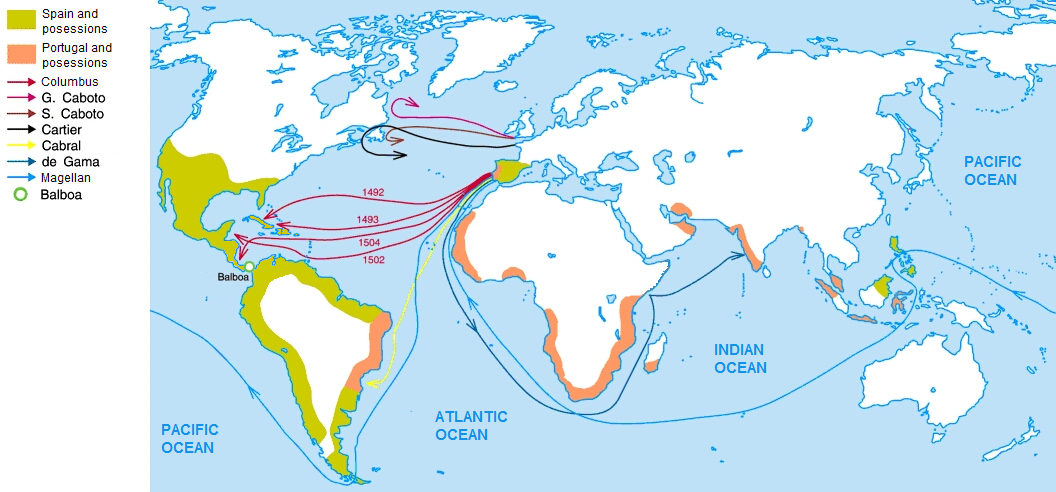
To understand the sudden outward burst of European ships in the late 1400s, we have to look at the underlying motivations. European nations did not brave the terrifying, unmapped expanse of the Atlantic out of mere curiosity. They were driven by a triad of intense, overlapping desires: the acquisition of tremendous wealth, the zealous spread of Christianity, and the relentless pursuit of national glory.
Five primary European nations took the lead in this endeavor: Spain, France, England, Portugal, and the Netherlands.
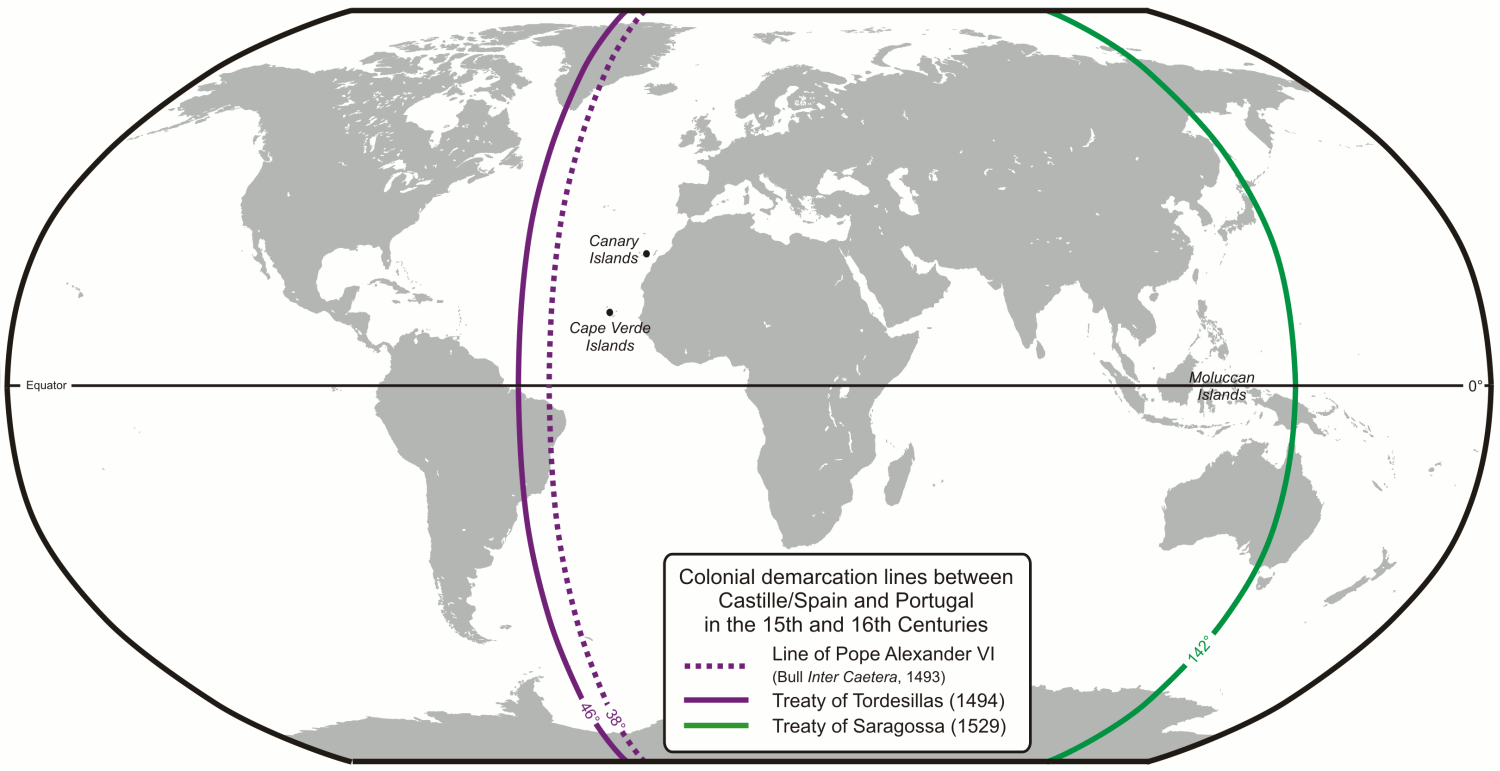
The catalyst for this new era was an Italian mariner sailing for Spain. In 1492, Christopher Columbus struck land in the Caribbean islands, permanently bridging the two hemispheres. Realizing that vast new territories were suddenly in play, the great powers of the era moved quickly to secure their claims. To prevent war between the two dominant maritime powers of the time, the Pope intervened. The result was the 1494 Treaty of Tordesillas, a sweeping agreement that essentially drew a line down the map, dividing the newly "discovered" lands outside Europe between the Portuguese Empire and the Spanish Empire.
But the other nations—England, France, and the Netherlands—refused to be left out. They began charting their own expeditions, primarily probing the northern coastlines of the Americas:
- In 1497, John Cabot explored the North American coastline on behalf of England, giving the English Crown its foundational claim to the continent.
- In 1513, Juan Ponce de León led the first known European expedition to the Florida peninsula, expanding Spain's reach into North America.
- Beginning in 1534, Jacques Cartier navigated the St. Lawrence River, claiming massive swaths of North American lands for France.
When these explorers arrived, they triggered an unprecedented biological swap.
The Columbian Exchange was the widespread, continuous transfer of plants, animals, culture, human populations, and ideas between the Americas and the Old World (Europe, Asia, and Africa).
This exchange operated as a dual-edged sword that radically transformed diets, economies, and ecosystems across the globe.
Calories and Demographics
From the Americas, the Old World received miraculous new staple crops like potatoes and maize (corn). Because these crops were incredibly calorie-dense and able to grow in poor soils, their introduction supported a massive, unprecedented surge in significant population growth across Europe.
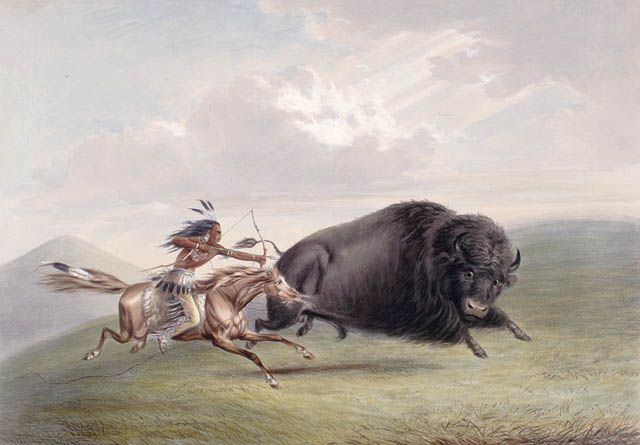
Conversely, European colonists introduced Old World crops like wheat and sugarcane to the Americas. They also introduced large domesticated animals. European colonists introduced horses to North America, a biological addition that fundamentally altered the continent's history. For the Plains Native American tribes, the introduction of the horse was revolutionary; it completely transformed their hunting practices and warfare, creating the highly mobile, buffalo-hunting cultures that dominated the Great Plains.
Pathogens and Tragedy
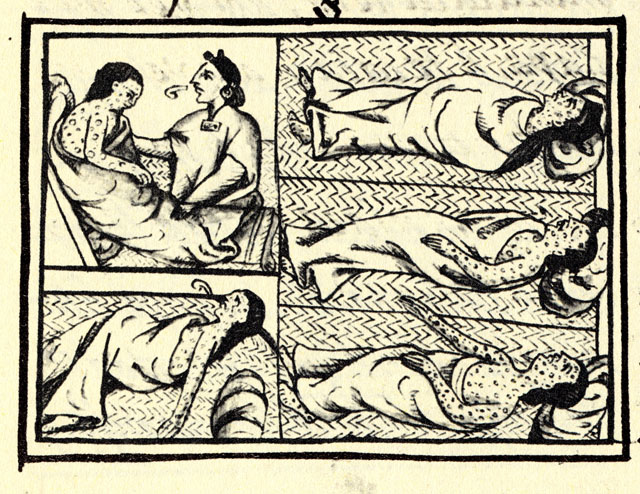
However, the most consequential export of the Old World was microscopic. The isolation of the Americas meant that indigenous peoples had zero exposure to the pathogens that had circulated in Afro-Eurasia for millennia.
European explorers inadvertently introduced new, devastating diseases such as smallpox and measles to the Americas. Because there was an absolute lack of natural immunity among the indigenous peoples, these epidemics swept through the continent like a wildfire. The result was a demographic catastrophe: a massive, staggering decline in Native American populations, which destabilized ancient empires and paved the way for European conquest.
The political and economic structure of European colonization was dictated by a specific economic theory that treated the world's wealth as a pie of a fixed size.
Mercantilism was the dominant economic theory driving European colonization. It measured a nation's true wealth by its accumulation of precious metals (gold and silver) and its ability to maintain a favorable balance of trade (exporting more than it imports).
Under mercantilist policies, colonies were not meant to be independent entities. They existed for two specific reasons: to supply raw materials back to the mother country, and to serve as captive, exclusive markets for the mother country's manufactured goods.
This relentless drive for wealth dictated how different nations approached the "New World."
The Spanish Strategy: Conquest and Conversion
Spain approached colonization as a military and religious crusade. Beginning in 1519, Hernán Cortés led the ruthless Spanish conquest of the mighty Aztec Empire in modern-day Mexico. Shortly after, in the 1530s, Francisco Pizarro led a brutally efficient campaign resulting in the Spanish conquest of the Inca Empire in the Andes.
To extract wealth from these fallen empires, the Spanish established the encomienda system. This was a brutal labor system that rewarded Spanish conquerors by granting them the forced labor of specific, designated groups of conquered Native American people. Alongside this economic extraction was a massive religious effort; Spanish missionaries actively sought to convert Native American populations to Catholicism, doing so by establishing sprawling mission settlements that doubled as centers of colonial control.
The French and Dutch Strategy: Commerce and Cooperation
France and the Netherlands found themselves in regions less abundant in surface gold, but rich in another highly prized commodity: animal pelts. Consequently, French colonization in North America heavily relied on establishing cooperative fur-trading relationships with Native American tribes rather than attempting outright military conquest.
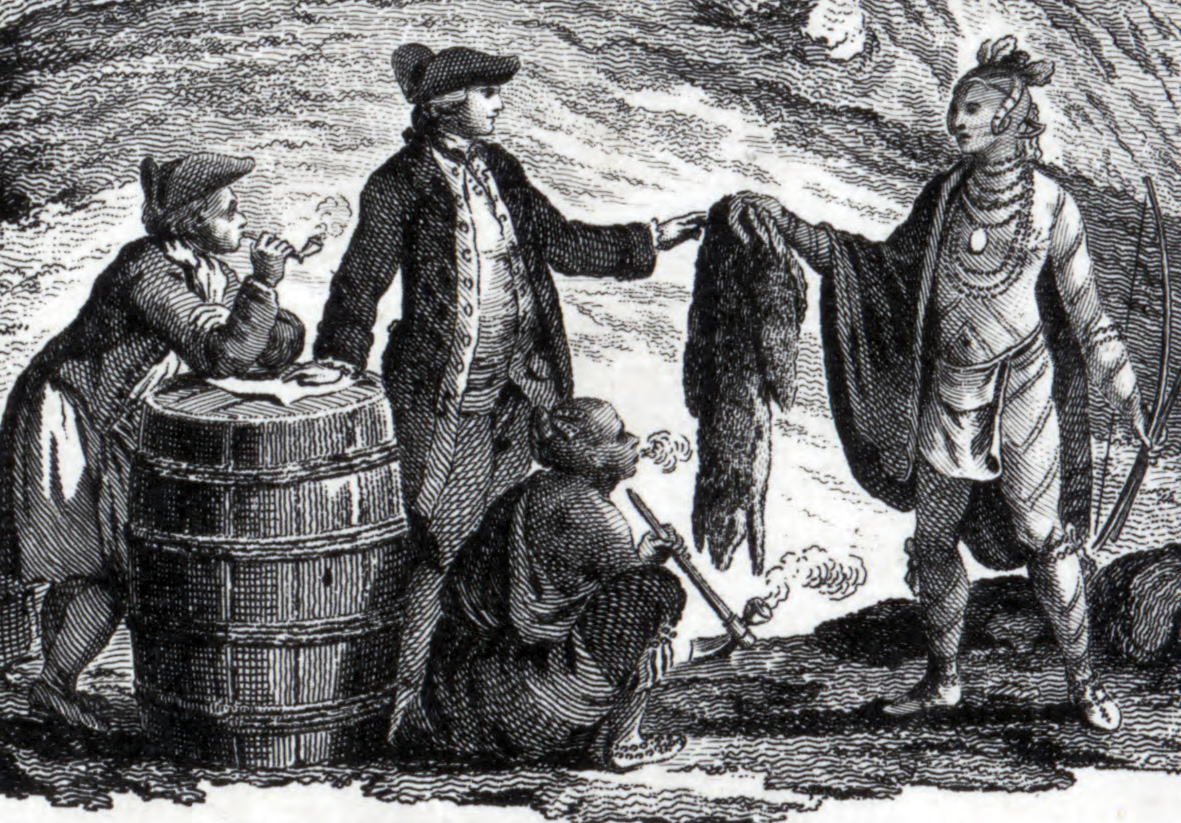
This strategy required outposts. In 1608, Samuel de Champlain founded the French settlement of Quebec specifically to facilitate this lucrative fur trade.
Similarly, the Dutch sought commercial footholds. In 1609, the English explorer Henry Hudson, sailing on behalf of the Dutch Republic, explored the river and the modern-day New York region that now bears his name. This led to the establishment of New Netherland, a colony built almost entirely on the mechanics of trade rather than widespread settlement.
The English Strategy: Land, Agriculture, and Displacement
England arrived slightly later to the colonization game, but their model proved to be the most radically transformative to the North American landscape. Unlike the French, who wanted trade, the English wanted land.
The English established their first permanent North American settlement at Jamestown, Virginia, in 1607. Thirteen years later, seeking religious autonomy, the Pilgrims established the English settlement at Plymouth, Massachusetts, in 1620.
The English focus was on permanent agricultural settlements. However, this demand for land put them in direct, existential conflict with indigenous populations. Unlike the cooperative French networks, English colonization frequently led to the violent displacement of Native American populations in order to acquire vast tracts of land for English agricultural development.
Furthermore, this insatiable appetite for farmland caused immense environmental transformation. The establishment of permanent European agricultural settlements frequently led to widespread deforestation and the outright destruction of local North American habitats, permanently altering the ecological balance of the eastern seaboard.
As European colonies matured, the mercantilist engine demanded massive quantities of labor. The climate of the Americas was perfectly suited for highly profitable, labor-intensive cash crops like tobacco and sugar (the latter having been introduced from the Old World).
Initially relying on indentured servants and the forced labor of Native Americans, the European demand for these crops quickly outpaced the available workforce. This sheer, unyielding economic demand drove the immense, tragic importation of enslaved African laborers to the Americas.
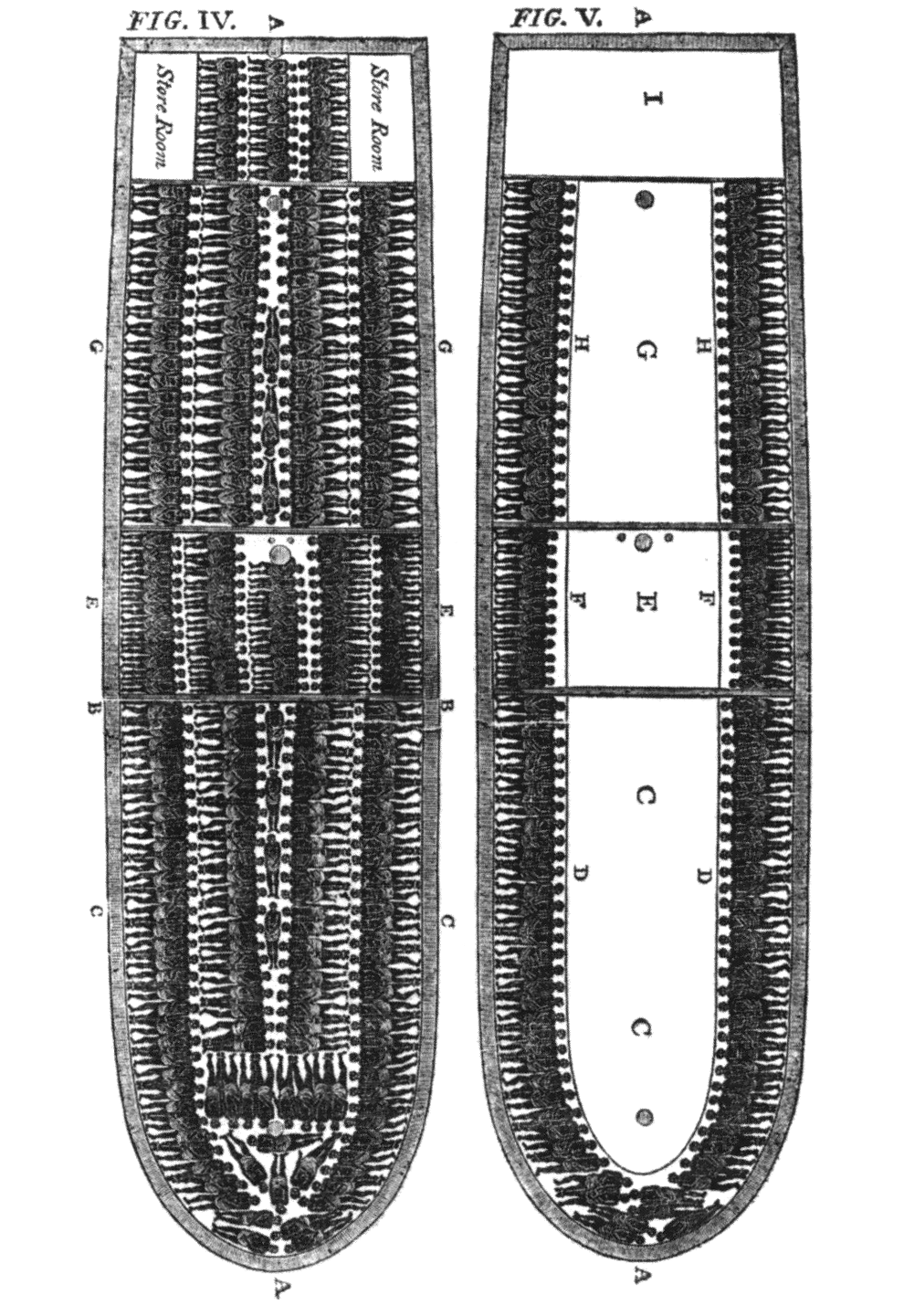
This labor dynamic gave birth to an insidious, highly organized maritime network.
The Triangular Trade was a sprawling maritime network connecting Europe, Africa, and the Americas. It functioned as a continuous, cyclical exchange: European manufactured goods (like textiles and firearms) were shipped to Africa; enslaved people were brutally transported across the "Middle Passage" to the Americas; and the resulting raw materials (sugar, tobacco, cotton) were shipped back to Europe to fuel its growing industries.
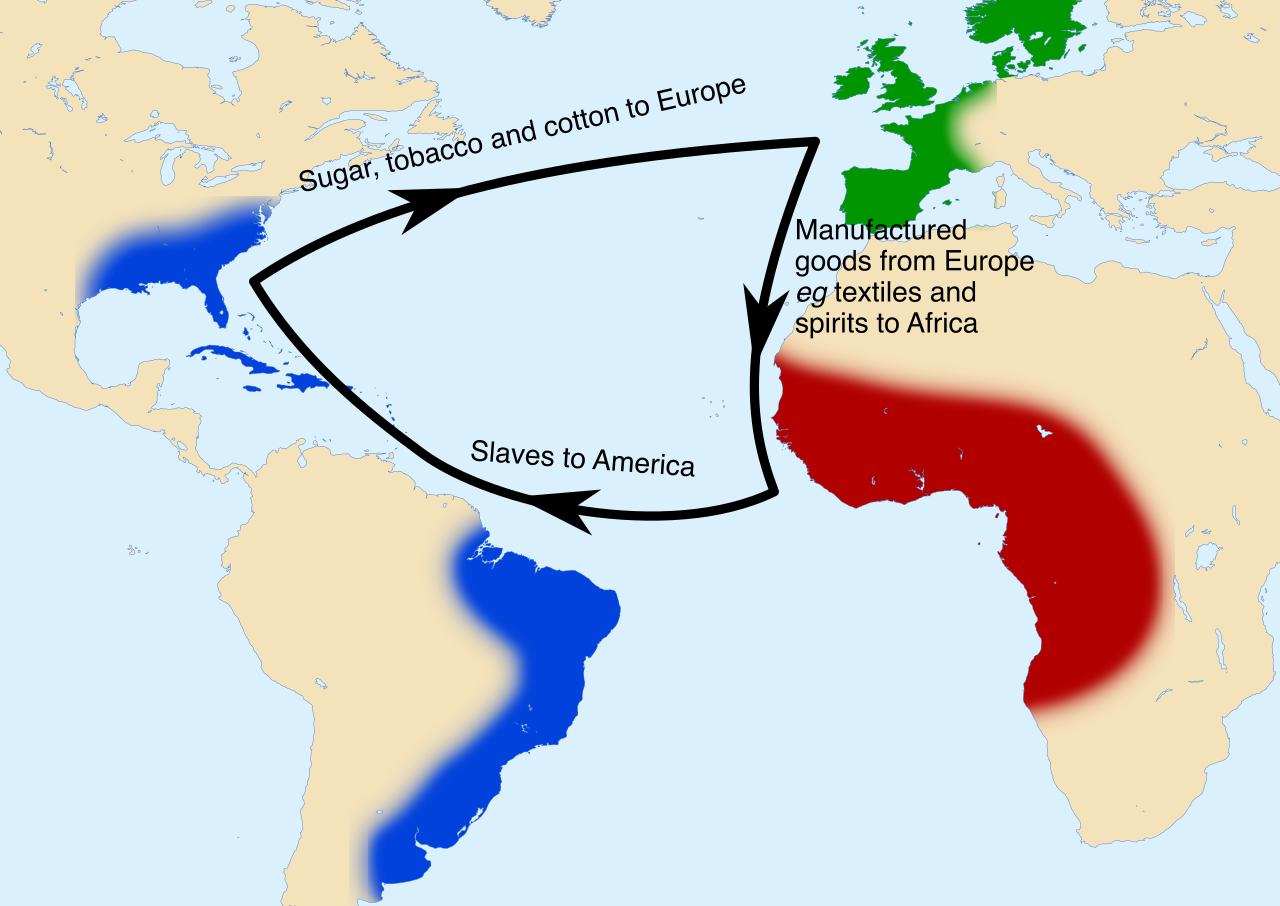
The exploration and colonization of the Americas by Spain, France, England, Portugal, and the Netherlands was a geopolitical earthquake. It was driven by the mercantilist thirst for wealth and national glory, enabled by the shattering effects of imported diseases, and sustained by the violent restructuring of both human populations and the natural environment. To study this era is to look at the exact moment the isolated components of our globe were fused together—often by force, and always with profound, enduring consequences that shaped the modern world.