Reading Fluency
Not sure you’re ready?
Take the ~3-minute readiness diagnostic and see where you stand.
When a human mind first encounters a printed page, it confronts a chaotic landscape of arbitrary lines and curves. Through the grueling, magnificent process of learning to read, those geometric squiggles become letters, letters map to sounds, and sounds fuse into words. Yet, the ultimate goal of reading is not the mechanical act of sounding out syllables—it is the seamless extraction of complex meaning from a text. The transformational mechanism that elevates a student from a mechanical decoder of symbols to a master of textual meaning is reading fluency.
Recognizing the sheer gravity of this process, the National Reading Panel identified reading fluency as one of the five essential components of effective reading instruction (alongside phonemic awareness, phonics, vocabulary, and comprehension). To understand how to teach reading, we must thoroughly understand the cognitive architecture of fluency.
.pdf)
Reading fluency is defined as the ability to read text accurately, quickly, and with proper expression.
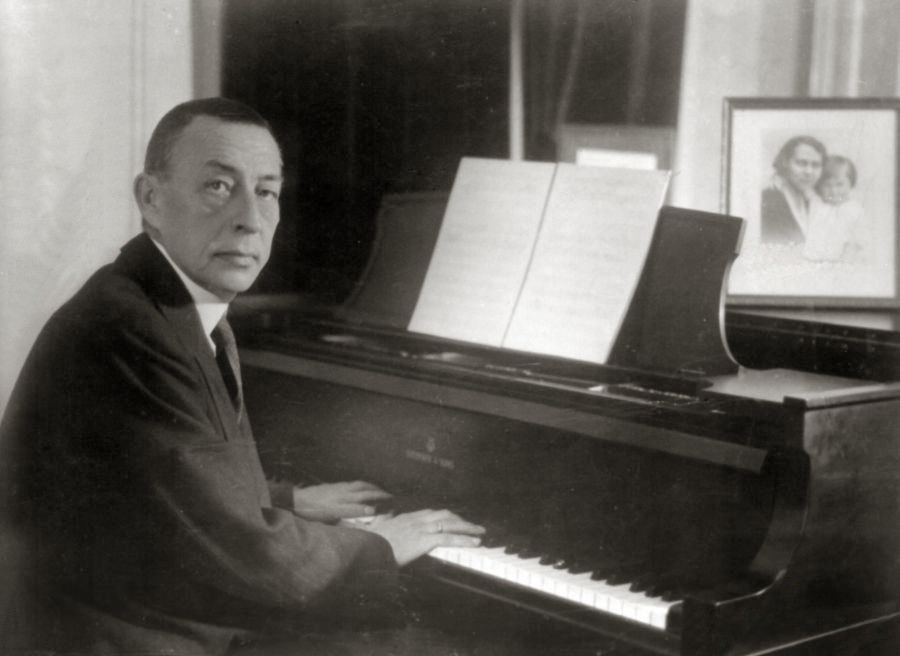
If you watch a master pianist play a complex sonata, you don't see them calculating where to place each finger. The mechanics of the instrument have vanished, leaving only the music. Reading fluency operates precisely the same way. When a student is truly fluent, the mechanics of the alphabet vanish, leaving only the author's ideas.
To achieve this, three primary components of reading fluency must work in tandem: accuracy, rate, and prosody.
1. Accuracy
Reading accuracy is the fundamental ability to correctly recognize and decode words without making errors. If a student looks at the word "thought" and reads "though," or looks at "house" and reads "horse," the fundamental data of the text has been corrupted. Without high accuracy, the foundation of comprehension collapses immediately.
2. Rate
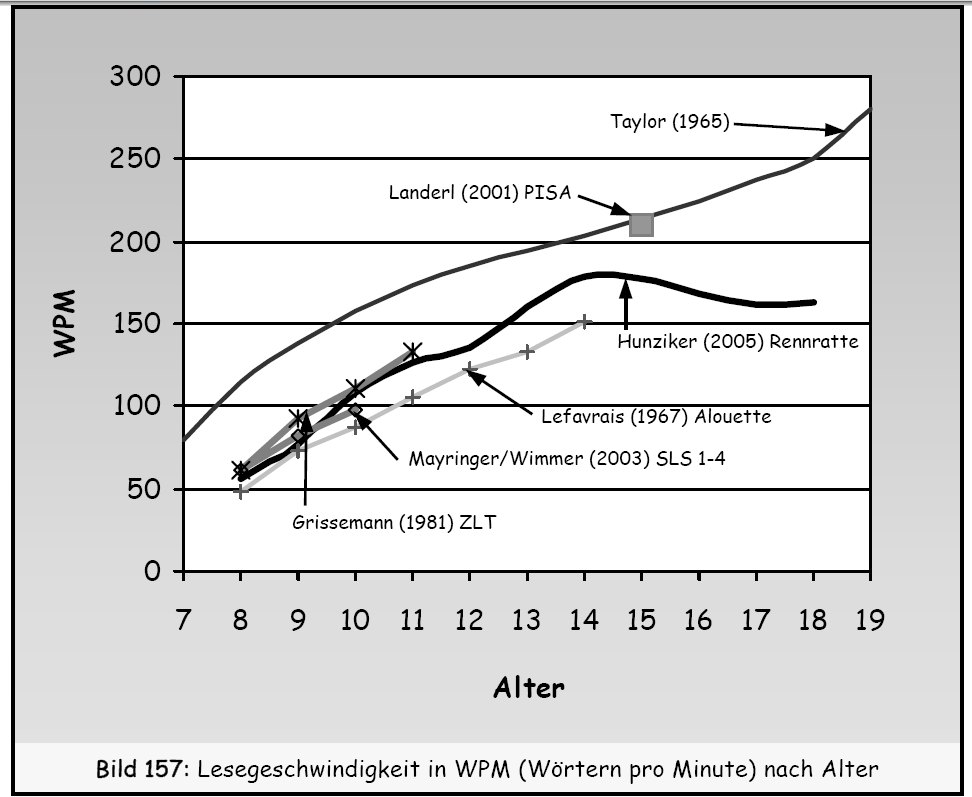
Reading rate is the speed at which a person reads a continuous text. It is not merely about reading fast—it is about processing text at a conversational pace that mimics natural human thought. If the reading rate is too slow, the reader's short-term memory drops the beginning of a sentence before they ever reach the end of it, destroying their ability to capture the overarching meaning.
3. Prosody
While accuracy and rate form the mechanical foundation, reading prosody is the soul of fluent reading. It is the ability to read with appropriate rhythm, pitch, and phrasing. When we speak to one another, we do not speak in a flat, robotic monotone; we use the music of language to embed secondary layers of meaning.
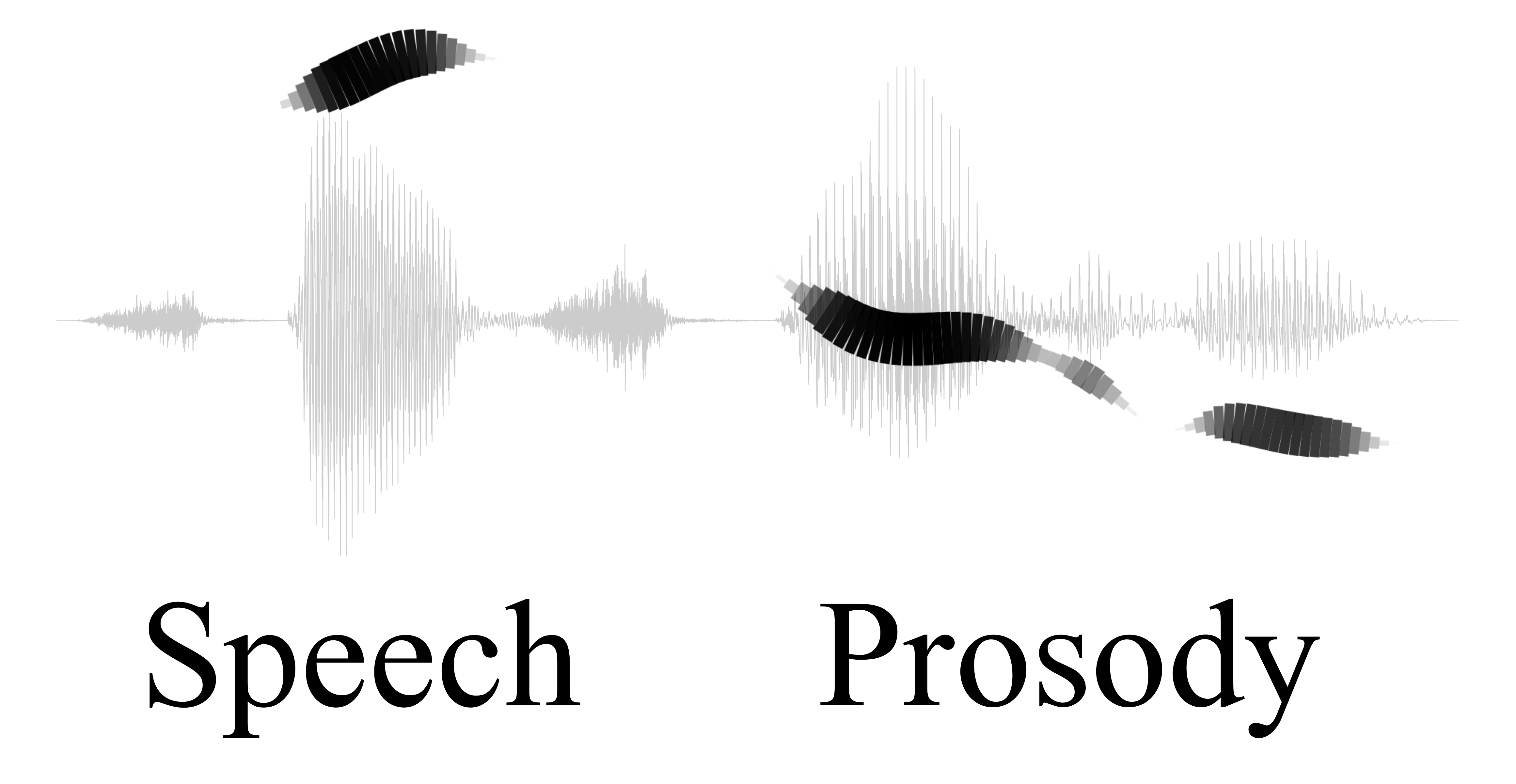
Prosody relies heavily on two sub-skills:
- Phrasing: Phrasing in reading involves grouping words together into meaningful syntactic units. Rather than reading word-by-word ("The... big... dog... barked... at... the... mailman"), a prosodic reader clusters related concepts ("The big dog / barked / at the mailman").
- Intonation: Intonation in reading involves changing the pitch of the voice to convey meaning or reflect punctuation. An upward lilt of the voice signals a question; a sudden drop in pitch signals a definitive statement; a pause reflects a comma.
Automaticity vs. Fluency
It is crucial to distinguish between automaticity and true fluency.
Automaticity is the ability to recognize individual words effortlessly and instantly.
If you flash the word "elephant" on a screen for a split second to a skilled reader, they cannot stop themselves from reading it. The brain processes it instantly. However, automaticity focuses strictly on reading speed and word-level accuracy. A student reading a text with robotic perfection at high speeds possesses automaticity, but they are not necessarily fluent.
Fluency extends beyond automaticity by requiring expressive reading at the passage level. To be fluent, a student must not only recognize words instantly but also deploy prosody to reflect the underlying architecture of the author's sentences.
Why does fluency matter deeply? To understand this, we must look at the human brain as an engine with a strictly limited power supply. We call this working memory.
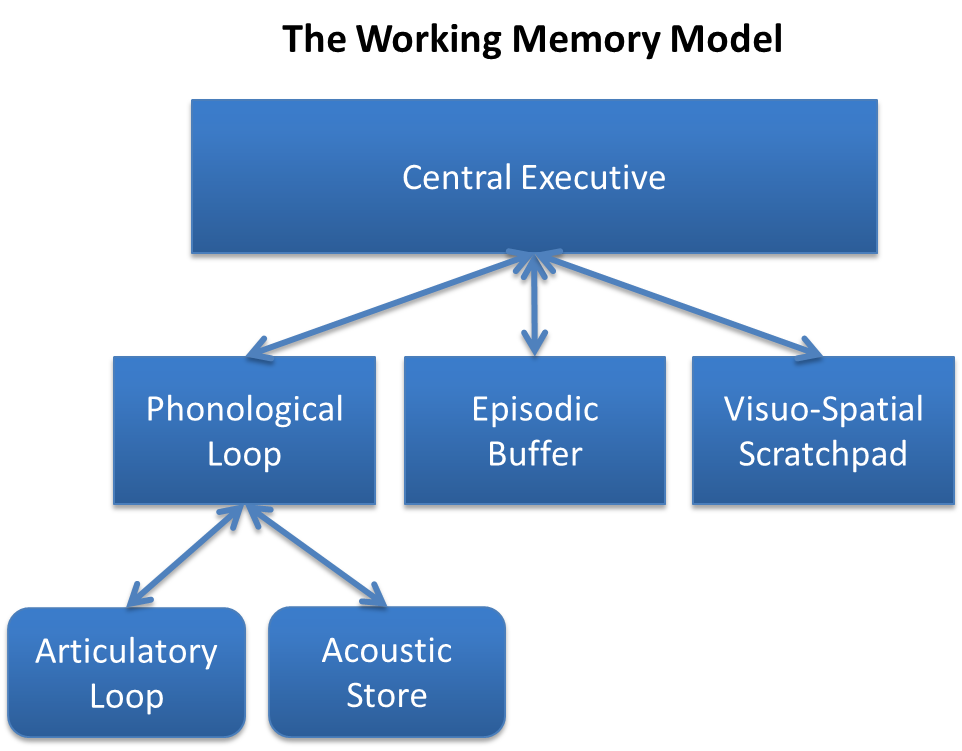
Reading fluency serves as the cognitive bridge between word recognition and reading comprehension.
Imagine a student's cognitive processing power as a fixed budget. Every cognitive task requires a portion of that budget.
- Non-fluent readers expend significant cognitive energy on decoding individual words. They are heavily taxed simply trying to figure out what the letters on the page sound like.
- Because their processing budget is finite, expending excessive cognitive energy on decoding limits the cognitive resources available for text comprehension. The brain is so exhausted from building the words that it has no energy left to synthesize the ideas.
The inverse is true for advanced readers.
- Fluent readers decode words automatically without conscious effort. The mechanical act of reading occurs purely in the background of their mind.
- Because decoding costs them almost nothing, this automatic decoding frees up cognitive capacity to focus on understanding the meaning of the text. They can evaluate characters, track the plot, and analyze metaphors because their cognitive budget is entirely dedicated to higher-order thinking.
To build fluent readers, educators must be able to precisely measure where a student stands. We assess fluency using a combination of quantitative mathematics and qualitative observation.
The Quantitative Metric: Words Correct Per Minute (WCPM)
Words Correct Per Minute is a standard quantitative measurement used to assess reading rate and accuracy simultaneously. It removes the guesswork from evaluating the mechanical speed of reading.
Calculating WCPM: WCPM is calculated by counting the total words read in one minute and subtracting the number of uncorrected errors.
Formula: (Total Words Read) - (Uncorrected Errors) = WCPM
If a student reads 120 words in 60 seconds but makes 6 uncorrected decoding errors, their WCPM is 114. By comparing a student's WCPM to national norms for their grade level, teachers can immediately identify students whose reading rate is inhibiting their comprehension.
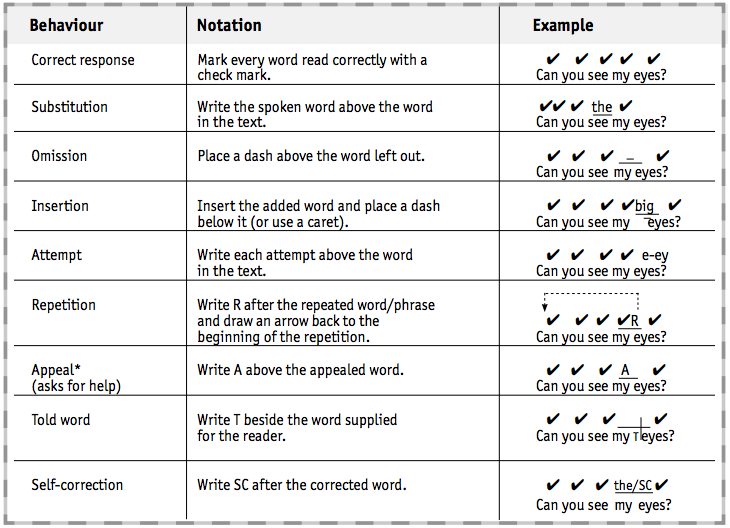
The Qualitative Metric: Observation Rubrics
You cannot use a stopwatch to measure the beauty of a student's phrasing. Therefore, prosody is typically assessed using qualitative observation rubrics.
While listening to a student read aloud, a teacher evaluates them on a descriptive scale (often 1 to 4) based on their expression, their adherence to punctuation, and whether they read in meaningful syntactic units or word-by-word staccato.
Before deploying any instructional strategies, a teacher must hand a student a book. The difficulty of that book will dictate whether fluency instruction succeeds or fails.
Fluency instruction is most effective when students practice using texts at their independent reading level.
Reading levels are strictly categorized by mathematical accuracy thresholds:
| Reading Level | Word Recognition Accuracy | Description |
|---|---|---|
| Independent Level | 95 to 100 percent | Texts a student can read with 95 to 100 percent word recognition accuracy. The student reads fluently with almost no assistance required. |
| Instructional Level | 90 to 94 percent | The text is challenging but manageable with the active guidance and support of a teacher. |
| Frustration Level | Less than 90 percent | Texts a student reads with less than 90 percent word recognition accuracy. The text is simply too difficult. |
Why must fluency practice happen at the independent level? Because practicing fluency with frustration-level texts is ineffective due to the high frequency of decoding interruptions. If a student is stopping every eighth word to sound out a complex multisyllabic noun, they cannot possibly develop a natural rhythm or build reading speed. You cannot practice running smoothly on a track covered in hurdles.
Once the right text is selected, teachers use specific, targeted interventions to build the three pillars of fluency.
Setting the Standard: Teacher Modeling
You cannot ask a child to mimic a melody they have never heard. Teacher modeling of fluent reading provides students with an auditory blueprint for appropriate rate and prosody. When a teacher reads aloud with rich expression, dramatic intonation, and perfect pacing, students hear exactly what reading should sound like. This auditory blueprint sits in their working memory as the target they must aim for.
Building Rate and Accuracy
To build the mechanical components of automaticity, the brain requires targeted repetition.
- Repeated Reading: This is an instructional strategy requiring a student to read the same short passage multiple times (usually 3 to 4 times). Just as an athlete runs drills to build muscle memory, repeated reading improves word recognition speed and reading accuracy. By the third read, the decoding barrier has been shattered, and the student reads with newfound speed.
- Audio-Assisted Reading: This strategy involves students reading a physical text while listening to a recorded fluent reading of the same text. The auditory input acts as a pacemaker, pulling the student's visual reading rate up to match the professional speed and accuracy of the recording.
Building Prosody and Phrasing
To build the musicality of reading, students must engage in collaborative and expressive vocalization.
- Choral Reading: An instructional strategy where a teacher and a group of students read a passage aloud together simultaneously. The stronger readers and the teacher set the rhythm and phrasing, sweeping the struggling readers along in the current of the text and forcing them to group words into syntactic units.
- Echo Reading: An instructional strategy where the teacher reads a sentence aloud and the student immediately reads the same sentence aloud. The student directly mimics the teacher's pitch, intonation, and phrasing, providing an immediate, micro-level correction of prosody.
- Reader's Theater: This is the crown jewel of prosody instruction. Reader's Theater is an instructional activity where students practice reading a script multiple times to prepare for an oral performance. Crucially, Reader's Theater specifically targets the development of reading prosody through expressive rehearsal. Because the students know they will be "performing" the text, the repetition is given an authentic purpose. They naturally experiment with pitch, volume, and phrasing to bring their characters to life, entirely removing the mundane sting of traditional repeated reading.
Fluency is not simply a milestone on a rubric; it is the liberation of the reader's mind. By systematically building a student's accuracy, rate, and prosody through targeted, leveled instruction, educators grant them the cognitive freedom to leave the mechanics of decoding behind and step fully into the universe of comprehension.