Speaking and Listening Skills
Not sure you’re ready?
Take the ~3-minute readiness diagnostic and see where you stand.
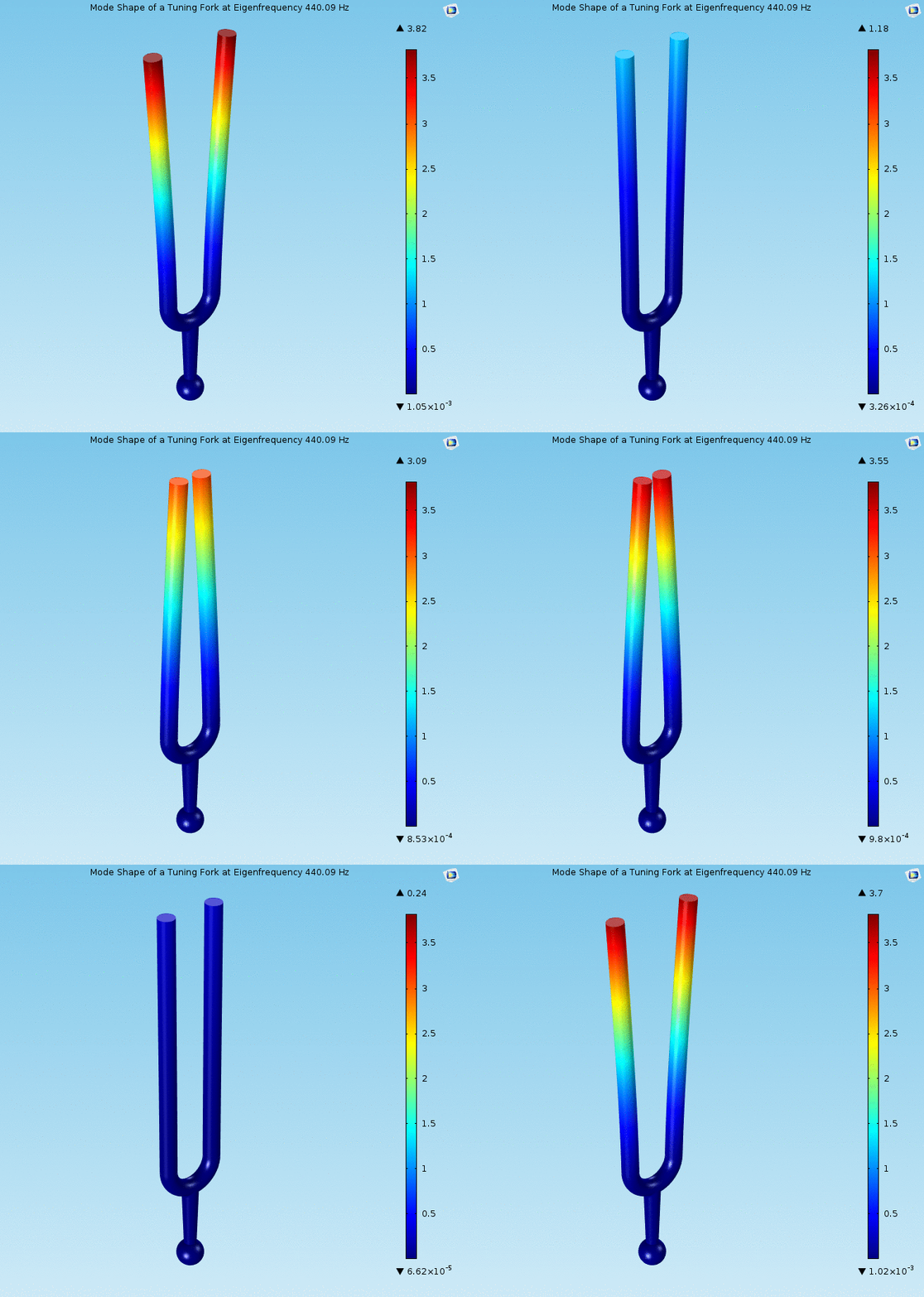
When two tuning forks of the same frequency are placed near one another and one is struck, the second begins to hum without ever being touched. This phenomenon, acoustic resonance, requires an environment free of dampening interference and a precise alignment of physical properties. Human communication operates on a remarkably similar principle. The transfer of an idea from one mind to another is not a mere broadcast of sound waves into the void; it is the deliberate construction of cognitive and emotional resonance between a speaker and an audience. To master speaking and listening in an educational setting is to understand the mechanics of this transfer. It requires the speaker to calibrate their transmission to the exact frequency of their listeners, and the listeners to construct an internal environment capable of receiving the complete, undistorted signal.
We frequently make the mistake of assuming that listening is a passive state—that it is simply the default condition of a person who happens to not be talking. But biological hearing is merely the mechanical vibration of the tympanic membrane. True listening is an intense, active cognitive endeavor.
Active listening is a communication technique involving full cognitive focus on understanding the speaker's entire message. It requires dedicating all available mental bandwidth to the incoming signal.
The Internal Mechanics of the Active Listener
To receive a signal without distortion, the receiver must be cleared of internal noise. This requires two specific internal disciplines:
- Suspending Judgment: Human beings are exceptionally quick to categorize and evaluate information. However, active listening requires the listener to suspend personal judgment while the speaker is talking. If you begin evaluating the premise of an argument before the speaker has finished delivering their conclusion, your cognitive focus shifts from receiving to judging, and the incoming signal is lost.
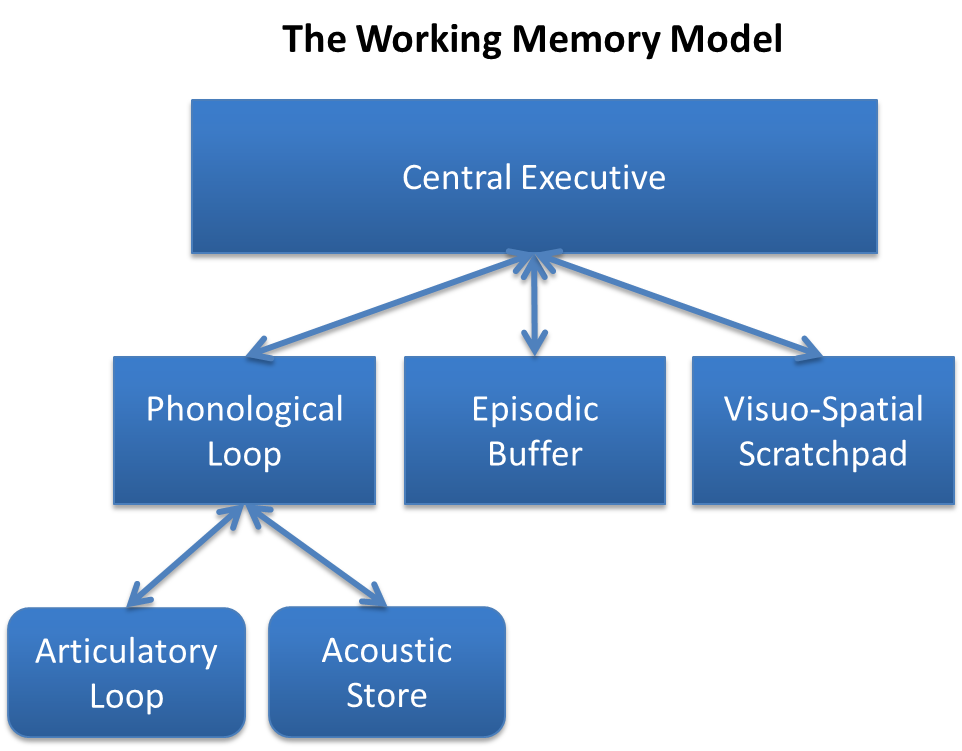
- Delaying the Response: Have you ever watched two people argue, and realized neither is actually listening, but merely waiting for their turn to speak? This is the antithesis of active listening. An active listener waits for the speaker to finish entirely before formulating a verbal response. Formulating a reply requires working memory; if you are drafting your counter-argument, you are no longer cognitively aligned with the speaker.
Crucial Concept: Active listening is the suppression of the ego's desire to speak, coupled with the focused application of the intellect to comprehend.
Externalizing the Signal: Nonverbal and Verbal Cues
A speaker needs feedback to know their signal is being received. The active listener provides this feedback through a synchronized system of physical behaviors and verbal affirmations.
Physical Behaviors:
- Visual Focus: Maintaining eye contact demonstrates active engagement with the speaker's message. It physically directs the listener's attention and signals to the speaker that they are the focal point of the environment.
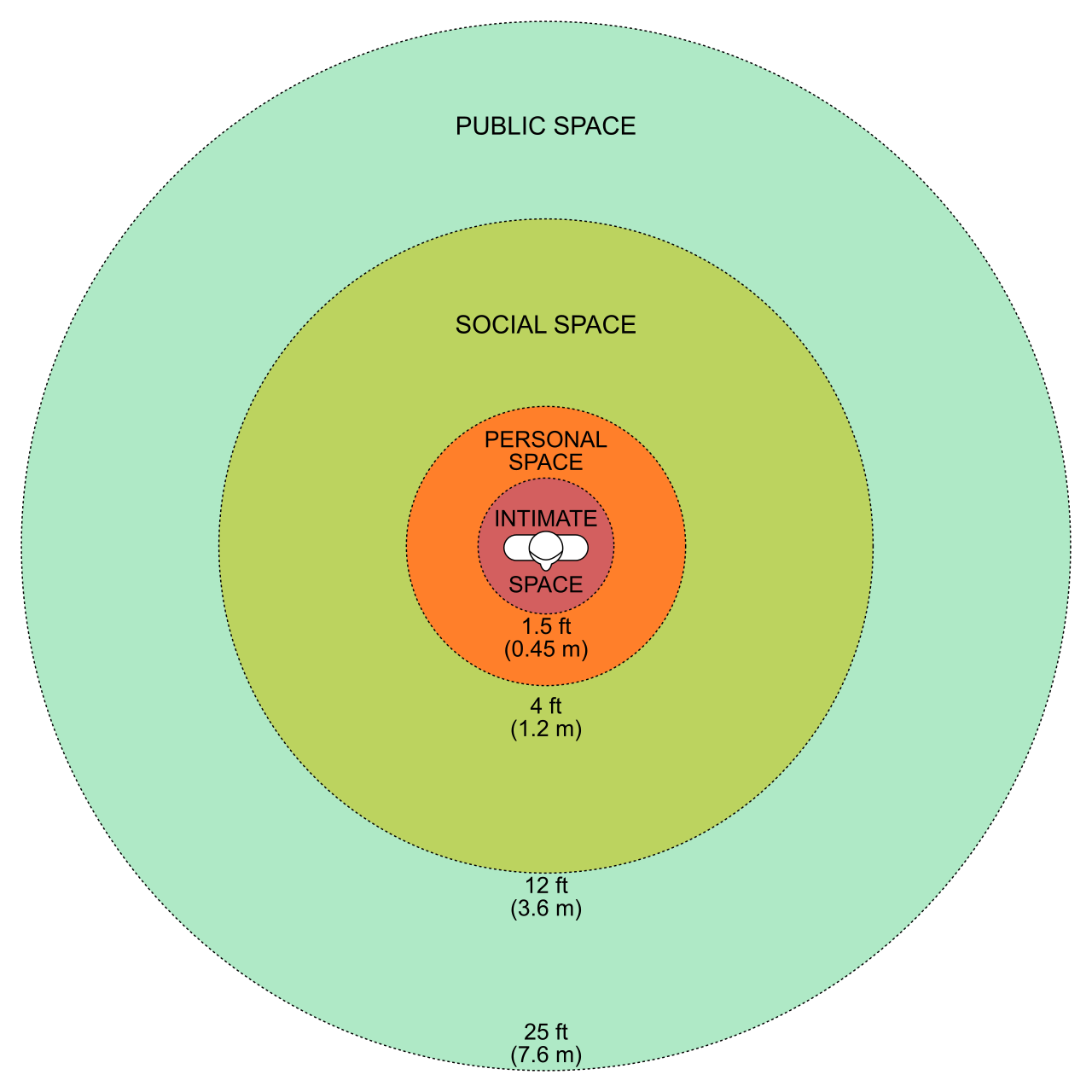
- Postural Alignment: Leaning slightly toward the speaker is a physical behavior signaling attentiveness. It subtly closes the spatial distance between the two communicators.
- Kinetic Feedback: Nodding the head is a nonverbal cue indicating comprehension during active listening. It is a continuous, frictionless way to say, "I am tracking your logic," without interrupting the flow of speech.

Verbal Strategies:
- Paraphrasing: When a speaker finishes a complex thought, paraphrasing the speaker's message verifies the listener's accurate understanding of the spoken content. By repeating the core idea in your own words, you prove that the signal was not just heard, but computationally decoded.
- Interrogation for Clarity: No message is perfectly transmitted. Asking clarifying questions helps the listener resolve ambiguities in the speaker's message. It signals an investment in precision.
When we move from one-on-one communication to group collaboration, the complexity of the system scales exponentially. A classroom discussion is a delicate ecosystem that, without structure, rapidly devolves into entropy—dominated by the loudest voices while valuable insights remain unspoken.
Establishing the Framework
To prevent this entropy, we must engineer the environment. Establishing explicit ground rules provides a structured environment for collaborative discussions. Think of these rules as the operating system for group cognition.
Common discussion ground rules include taking turns and avoiding interruptions. By removing the anxiety of being interrupted, participants can articulate fully formed, complex thoughts.
Once the framework is secure, a facilitator must manage the distribution of participation. In any group, varying temperaments dictate the natural flow of conversation. Therefore, actively inviting quiet group members to speak ensures equitable participation in collaborative learning settings. A brilliant idea locked inside a hesitant student provides no value to the collective; the educator must draw it out.
The Mechanics of Group Cognition
Collaboration is not merely serial monologue; it is the act of collective intellectual construction.
- Synthesis: The highest form of group work occurs when participants interlock their concepts. Building on the ideas of others demonstrates cognitive synthesis in a collaborative discussion. It transforms an isolated thought into a structural foundation for deeper inquiry.
- Friction and Disagreement: Progress requires the friction of opposing ideas. However, respectful disagreement requires focusing verbal critiques on the proposed idea rather than the individual speaking. By divorcing the concept from the ego of the presenter, the group can rigorously dismantle a flawed idea without dismantling the student.
- Alignment: Periodically, a complex discussion will begin to splinter into tangents. Summarizing discussion points helps ensure conceptual alignment among all members of a collaborative group. It serves as a cognitive checkpoint, ensuring everyone is standing on the same foundational understanding before moving forward.
A transmission is utterly useless if the receiver cannot decode the language in which it is broadcast. Effective communication is relentlessly audience-centric.
Audience awareness involves tailoring the presentation's topical complexity to the listeners' specific age level. You do not explain the water cycle to a first grader using the vocabulary of molecular thermodynamics; you use the vocabulary of evaporation and rainfall. Adjusting vocabulary based on the audience's background knowledge improves overall communication effectiveness. It is not "dumbing down" the material; it is translating the material into a decipherable code.

Furthermore, communication does not occur in a cultural vacuum. Effective cross-cultural communication requires adapting discussion styles to accommodate the cultural norms of diverse partners. In some cultures, direct eye contact is viewed as a challenge rather than a sign of respect; in others, lengthy periods of silence are expected before answering a question to demonstrate thoughtful consideration. An elite communicator reads these variables and recalibrates their transmission accordingly.
If active listening is the reception of the signal, the oral presentation is the physical engineering of the transmission. It requires the mastery of biological machinery—the lungs, the vocal cords, and the articulators of the mouth.
The Biological Engine: Posture and Volume
The human voice is fundamentally a wind instrument. It relies on air pressure generated by the lungs and regulated by the diaphragm. Therefore, maintaining an upright physical posture improves a speaker's diaphragmatic breathing and vocal projection. If you slump, you compress the diaphragm, strangling the very air supply required to power your voice.

With proper breathing secured, a speaker can control their volume—the perceived loudness or softness of a speaker's voice. Volume is entirely contextual. A speaker must increase vocal volume in larger rooms to ensure all audience members can adequately hear the presentation. If the acoustic energy of your voice dissipates before reaching the back row, the transmission has physically failed.
The Art of Shaping Sound: Articulation and Pacing
Generating sound is not enough; the sound must be chiseled into distinct, recognizable units of meaning.
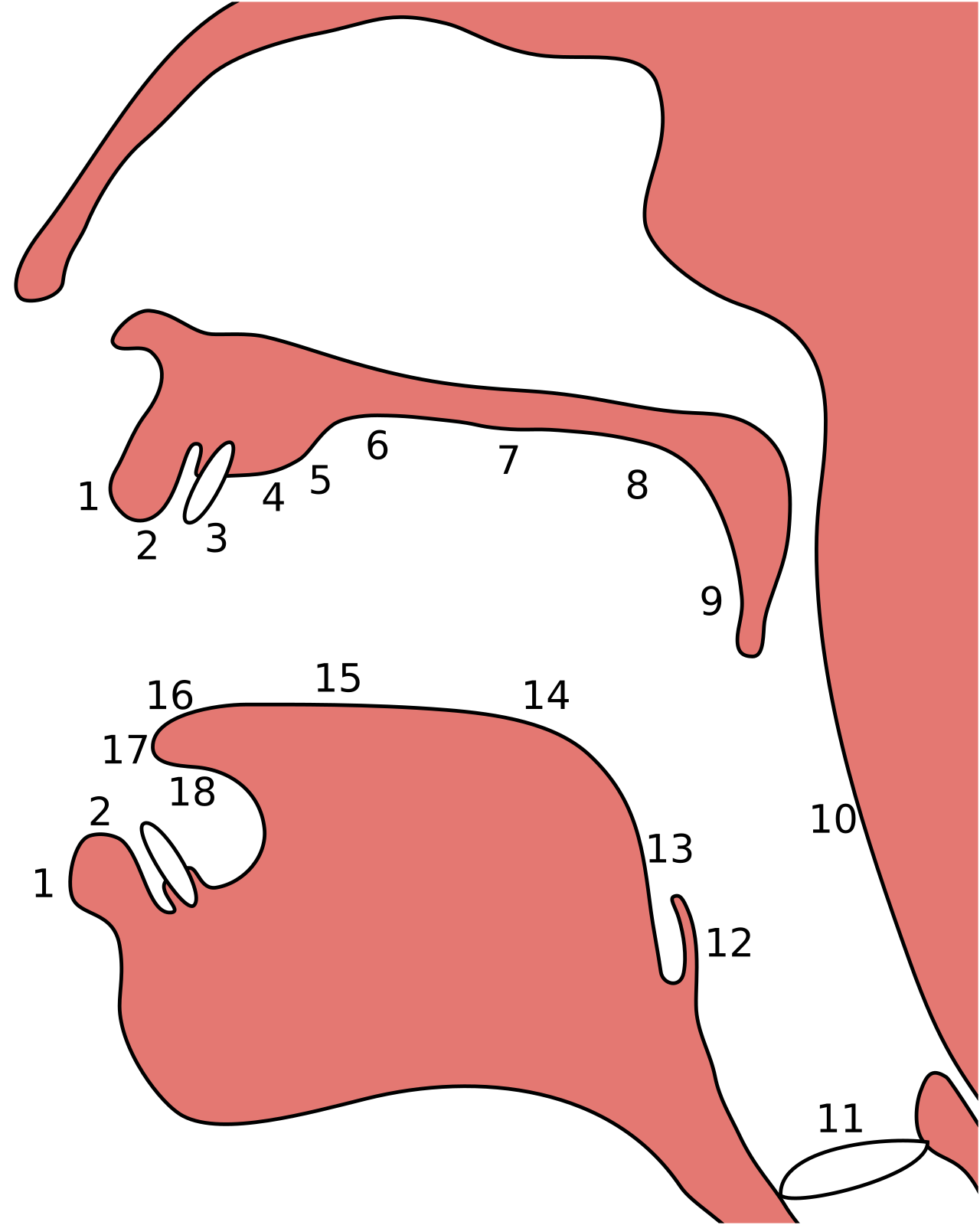
Articulation is the physical production of clear and distinct speech sounds. It requires the precise coordination of the tongue, lips, teeth, and palate. Clear articulation prevents individual spoken words from blending together unrecognizably. When a speaker mumbles, they are failing to properly execute the mechanical movements necessary to separate one phonetic unit from the next.
Once the sounds are clear, we must consider the speed of their delivery. Pacing is the relative speed at which a speaker delivers an oral presentation. A monotonous, unchanging pace acts as a metronome, lulling the brain into inattention. Varying the pace of speech helps a speaker maintain audience engagement throughout a presentation. We accelerate to convey excitement and decelerate to force the audience to lean into complex, weighty concepts.
The Melody of Speech: Pitch, Inflection, and the Power of the Pause
Human speech naturally possesses musicality, which we use to encode layers of meaning beyond the literal definitions of words.
| Vocal Attribute | Definition | Application in Oral Presentations |
|---|---|---|
| Pitch | The relative highness or lowness of a speaker's vocal tone. | Serves as the baseline frequency of the speaker's voice. |
| Inflection | The deliberate modulation or variation of pitch in the human voice. | Using vocal inflection helps a speaker convey specific emotions during an oral presentation. |
If you say the phrase, "That is fascinating," with a downward inflection, it conveys sarcasm. If you say it with an upward inflection, it conveys genuine curiosity. The words are identical; the inflection acts as the emotional payload of the transmission.
We must also recognize the profound utility of silence. In music, the rests are just as vital as the notes. In speech, deliberate pauses before key points emphasize the importance of the upcoming spoken information. A pause creates a sudden void in the acoustic environment, causing the audience's brain to snap to attention, eagerly anticipating the resolution of the silence.

Connecting the Circuit: Visuals and Eye Contact
Finally, an engaging presentation integrates the visual domain with the auditory domain.
When speaking to a group, maintaining visual eye contact with the audience establishes a personal connection during public speaking. It transforms a generalized broadcast into a series of intimate, one-to-one transmissions. It forces the speaker to look at the faces of their audience, allowing them to read the very nonverbal cues of active listening (nodding, leaning) that we discussed earlier.
Often, speakers will supplement their words with visual aids—slides, charts, or physical objects. Here, we must obey a strict law of cognitive load: the visual must serve the auditory, never compete with it. Visual aids must directly support the oral presentation without distracting the audience from the speaker's primary verbal message. If an audience is reading a dense paragraph on a screen, they are physiologically incapable of simultaneously listening to your spoken words. The visual aid should be the diagram; your voice must be the explanation.
In the end, effective communication—whether participating in a collaborative debate, listening to a peer, or delivering a complex lecture—is an act of profound empathy combined with mechanical precision. It is the mastery of resonance.