Characteristics of Major Literary Forms
Not sure you’re ready?
Take the ~3-minute readiness diagnostic and see where you stand.
When a structural engineer examines a bridge, they do not merely admire the paint; they analyze the tension of the cables, the placement of the trusses, and the physics of the load-bearing walls. In literature, form is the structural engineering of meaning. The difference between a tragedy and a melodrama, or a sonnet and a sestina, is not just a matter of arbitrary rules invented by dead writers. These forms are distinct technologies built to evoke specific psychological effects.
As a literature educator, your objective is not just to teach students to identify a poem's rhyme scheme or a novel's genre. Your task is to show them why an author chose a specific form to house their ideas. When a student understands that the obsessive, repeating lines of a villanelle physically simulate the feeling of grief, or that a dramatic monologue is designed as a psychological trap for the speaker, they stop guessing at themes and start observing literary mechanics in action.
Let us break down the blueprints of major literary forms, analyzing their structural characteristics and content differences so you can expertly dismantle them in your own classroom.
Poetry is the most mathematically rigorous of the literary genres. Its forms are distinguished by line counts, metrical rhythms, and the precise repetition of sounds and words.
The Sonnet Family
At its core, a sonnet is a fourteen-line poem traditionally written in iambic pentameter. However, the internal architecture of those fourteen lines radically changes the way an argument or emotion is presented.
| Form | Stanzaic Structure | Rhyme Scheme | Narrative Function |
|---|---|---|---|
| Petrarchan (Italian) | Divided into an eight-line octave and a six-line sestet. | ABBAABBA CDECDE (sestet varies) | The octave sets up a problem, doubt, or question. The volta (the crucial turning point) marks a shift in thought or argument between the octave and the sestet, which resolves or comments on the problem. |
| Shakespearean (English) | Consists of three four-line quatrains and a concluding two-line couplet. | ABAB CDCD EFEF GG | The quatrains allow the speaker to explore three distinct variations of a theme or metaphor, while the final couplet acts as a sharp, summarizing punchline or epigrammatic twist. |
| Spenserian | Three quatrains and a couplet, linked by interlocking rhymes. | ABAB BCBC CDCD EE | Utilizes the rhyme scheme to create a more fluid, forward-driving momentum than the Shakespearean form, seamlessly connecting the quatrains. |
Extreme Constraints: The Sestina and The Villanelle
Sometimes, an author uses intense repetition to mirror psychological states.
A villanelle is a nineteen-line poem consisting of five tercets (three-line stanzas) and a final quatrain. What makes the villanelle a brilliant technology of emotion is that it relies heavily on the repetition of two entire lines throughout the poem. Because the exact same lines keep returning, the form naturally lends itself to themes of obsession, cyclical thought, or inescapable truths (think of Dylan Thomas's "Do not go gentle into that good night").
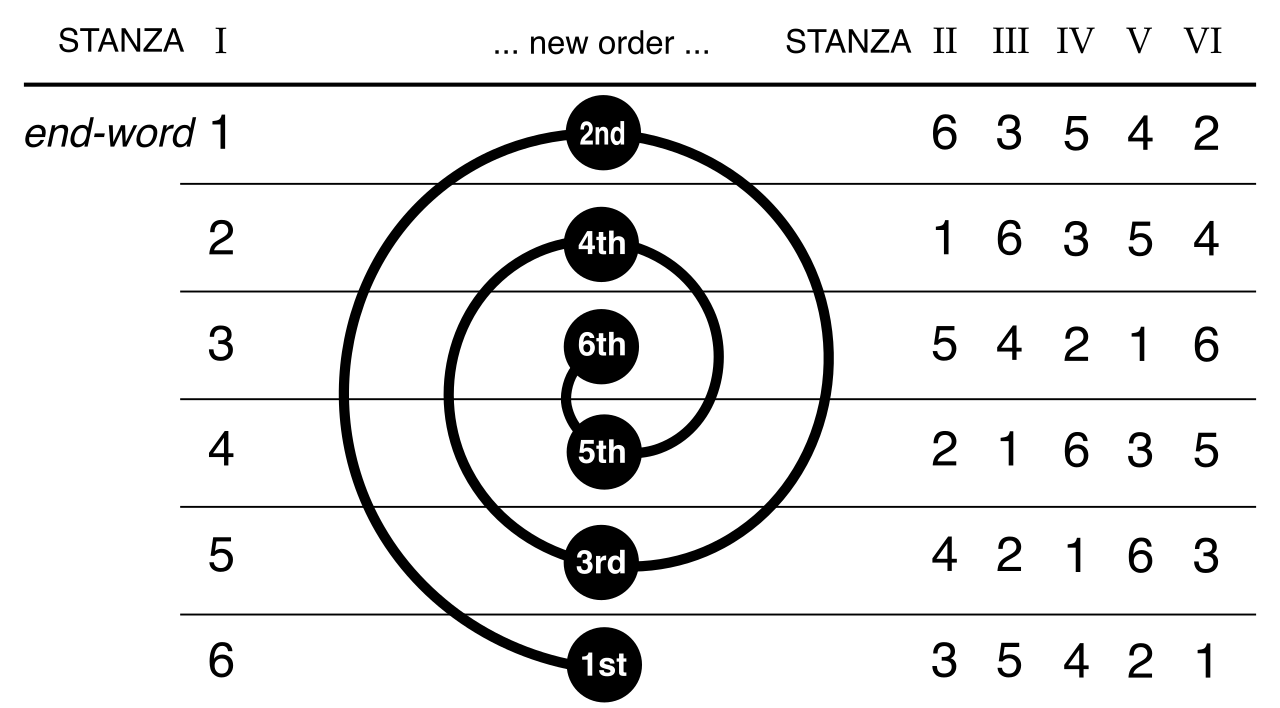
Even more complex is the sestina, a thirty-nine-line poem featuring six stanzas of six lines each and a concluding three-line envoy. Rather than rhyming, a sestina repeats the end words of the lines of the first stanza in a specific shifting order in the following stanzas. This creates a kaleidoscopic effect; the same six words are continuously viewed in different contexts, creating an echoing, inescapable atmospheric mood.
Narrative and Epic Forms
Not all poetry is designed to explore a single, static emotion. Some forms are built to move through time and action.
- An epic is a lengthy narrative poem detailing heroic deeds and events significant to a culture. Epics utilize grand, formal structures. They frequently begin in medias res (in the middle of things) to drop the reader directly into the action, and they typically include invocations to a muse to ask for divine inspiration in telling the massive tale.
- A ballad is a narrative poem originally intended to be sung. Because they were born in oral traditions, traditional ballads use four-line stanzas known as ballad meter, which alternates iambic tetrameter lines (four beats) with iambic trimeter lines (three beats). To aid memorization and musicality, ballads often feature a repeating chorus or refrain.
Emotion and Occasion: Lyric Subgenres
When a poem casts away the burden of storytelling to focus purely on feeling, we enter the realm of lyric poetry. A lyric poem is a short, highly musical verse that conveys powerful feelings. Crucially, lyric poetry focuses on the personal emotions of a single speaker rather than telling a story.
Within the lyric category, we find forms tailored to specific occasions:
- An ode is a formal lyric poem that addresses and celebrates a person, place, thing, or idea. It is an elevation of its subject.
- An elegy is a melancholic poem reflecting on death or mourning a deceased person.
- A dramatic monologue is a poem in the form of a speech or narrative by an imagined person. Here is the brilliant trick of this form: the speaker in a dramatic monologue inadvertently reveals aspects of their character while describing a particular situation. The reader plays detective, piecing together the speaker's true (often dark or flawed) nature from the clues they let slip.
Forms of Brevity and Rhythm
- Haiku: A Japanese poetic form consisting of three unrhymed lines of five, seven, and five syllables. It is an exercise in profound economy, capturing a fleeting moment in time.
- Blank Verse: Unrhymed poetry written in iambic pentameter. It closely mimics the natural cadence of English speech while maintaining a structured rhythm (the foundation of Shakespeare's plays).
- Free Verse: Poetry lacking a consistent meter and a consistent rhyme scheme. It relies instead on thematic structure, line breaks, and imagery for its musicality.
When examining prose, we distinguish forms not by meter, but by scope, structure, and their relationship to reality and truth.
Length and Structure
While a short story captures a single effect, and a novel spans vast societal canvases, the novella is a work of written fictional narrative prose longer than a short story and shorter than a novel. It allows for deep character study without the sprawling subplots of a novel.
When we look at novels, their internal engines vary drastically:
- The epistolary novel is composed entirely of letters, diary entries, or other documents written by the characters. This creates an illusion of documentary reality and restricts the reader’s perspective to the characters' immediate, intimate reactions.
- The picaresque novel details the episodic adventures of a roguish hero of low social class living by their wits. These narratives are often satirical and structurally loose, strung together by the protagonist's encounters across different social strata.
- The Bildungsroman focuses on the psychological and moral growth of the protagonist from youth to adulthood. It is the definitive coming-of-age story.
- A roman à clef is a novel in which real people or events appear with invented names. It allows authors to write thinly veiled historical or biographical truth under the safety of fiction.
Didactic and Symbolic Narratives
Stories built specifically to teach or represent abstract truths operate under distinct rules:
- A fable is a short fictional story that explicitly conveys a moral lesson. To achieve this universal distance, fables typically feature anthropomorphized animals, plants, or inanimate objects as characters.
- A parable is a short realistic didactic story illustrating a moral or religious lesson. In contrast to fables, parables feature human characters instead of the anthropomorphized animals, grounding the lesson in plausible human behavior.
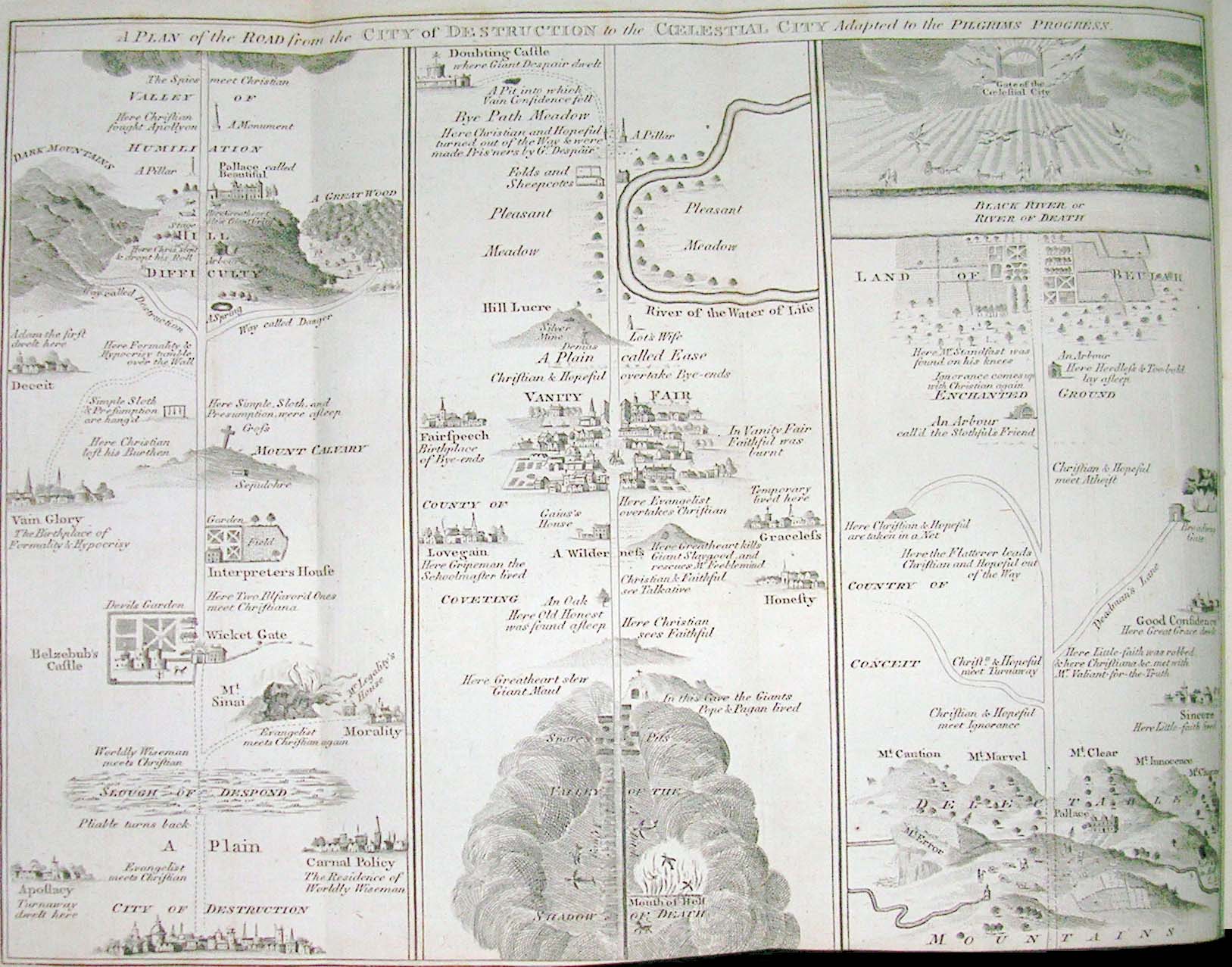
- An allegory is a narrative where characters, settings, and events represent abstract concepts or moral qualities. (e.g., Pilgrim’s Progress or Animal Farm). Every element operates on a literal level and a direct symbolic level.
Folklore and Origins
- A myth is a traditional story concerning the early history of a people or explaining some natural or social phenomenon. Because they deal with the cosmos and creation, myths typically involve supernatural beings or deities.
- A legend is a traditional story popularly regarded as historical. However, legends lack the definitive supernatural origins of a myth (they are usually about human heroes, like King Arthur), and they lack the strict factual basis of recorded history.
The Real and the Idealized
The fundamental tension in much of prose fiction is how closely it attempts to mirror reality.
- Realism attempts to represent familiar things as they are in ordinary everyday life. To do this, realist fiction actively avoids artificial, implausible, exotic, or supernatural elements.
- Naturalism is an extreme offshoot of the realism movement. Heavily influenced by Darwinian science, naturalist literature portrays characters as subjects shaped completely by their environment and heredity. Characters in naturalism rarely have free will; they are at the mercy of societal and biological forces.
- Literary romance refers to prose or poetic narratives featuring idealized characters, quests, and often supernatural events. It is the antithesis of realism, focusing on chivalry, adventure, and the triumph of the ideal.
The Satirical Spectrum
Satire uses humor, irony, exaggeration, or ridicule to expose and criticize human vices or societal flaws. But not all satire bites with the same teeth. We categorize it by its tone and target:
- Horatian satire is characterized by a gentle, mocking, and sympathetic tone. It points out human follies with a wry smile, aiming to correct through gentle laughter.
- Juvenalian satire is characterized by a bitter, dark, and pessimistic tone. It attacks corrupt institutions and profound societal evils with moral outrage.
- Menippean satire focuses on attacking mental attitudes and specific character traits rather than societal norms. It targets the pedant, the zealot, or the arrogant intellectual.
Drama relies on conflict playing out in physical space. The structural differences in dramatic forms dictate the audience's emotional journey.
Tragedy vs. Comedy
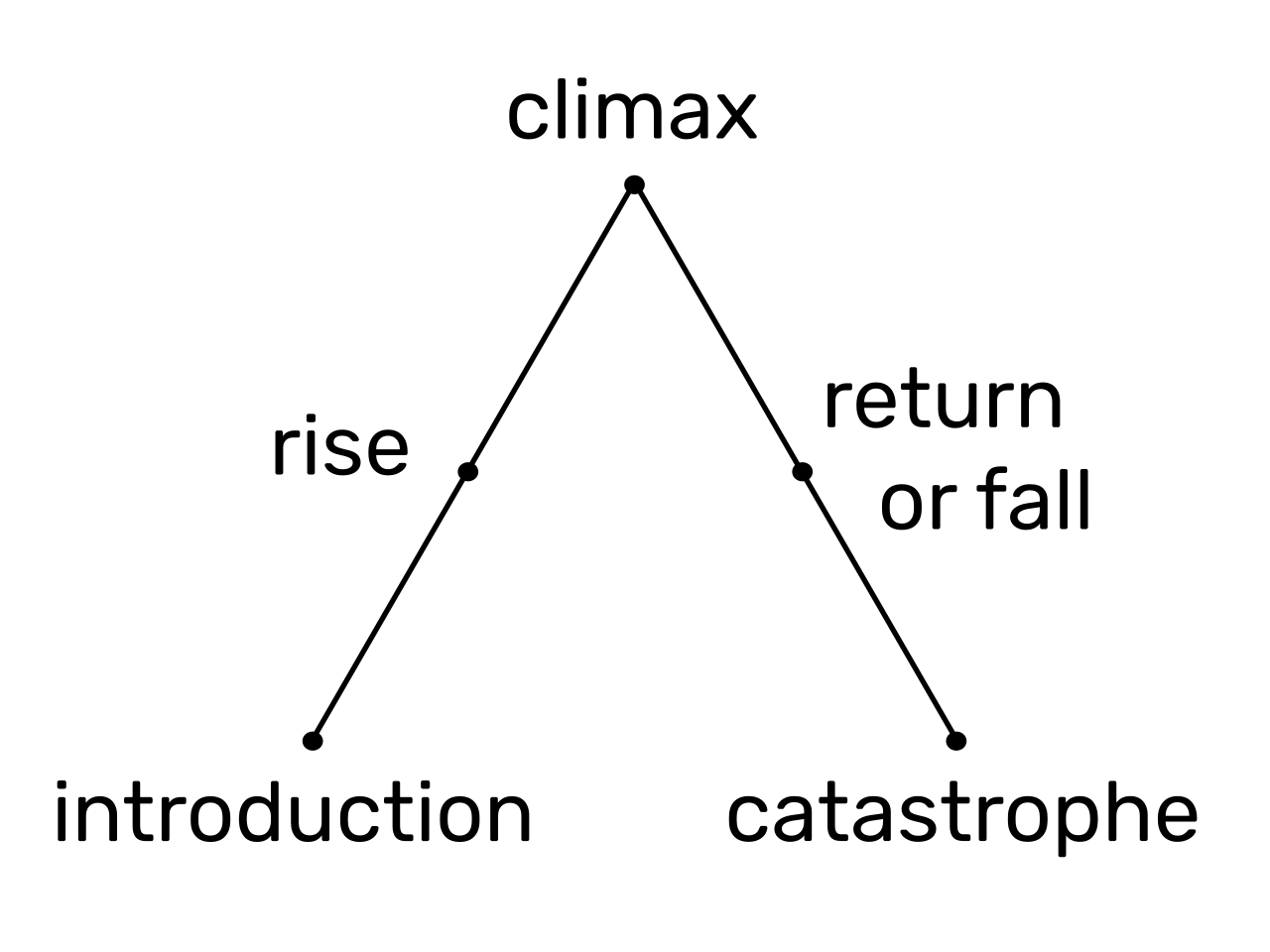
- A tragedy presents the downfall of a noble protagonist due to a fatal flaw or tragic error.
Hamartia: The specific term for the fatal flaw in a tragic protagonist. Catharsis: The emotional release or purification experienced by the audience at the end of a tragedy. The play breaks the protagonist, but cleanses the audience.
- A comedy is a dramatic work aiming to amuse the audience. Structurally, comedies typically end happily for the main characters, often culminating in marriage or societal restoration.
- A farce is a subgenre of comedy characterized by highly exaggerated, improbable situations and physical humor. It relies on slammed doors, mistaken identities, and timing rather than deep characterization.
Hybrids and Outliers
- A tragicomedy blends elements of both tragedy and comedy. Unlike pure tragedy, tragicomedy often features a serious storyline that resolves happily, or a comic storyline shadowed by existential weight.
- A melodrama emphasizes plot and action over character development. To maximize audience reaction, melodramas use highly stereotypical characters and exaggerated emotions to appeal to the audience. (Think of the classic mustache-twirling villain and the damsel in distress).
- A closet drama is a play designed to be read rather than performed on a stage. Often heavy in philosophical dialogue, it uses the script format purely as a literary device.
As human understanding of psychology, history, and reality evolved, authors invented new narrative modes to express a fractured or expanded worldview.
The Breakdown of Reality
- Gothic literature is characterized by elements of fear, horror, death, and gloom. Structurally, Gothic literature frequently features romantic elements like high emotion and a distressed female protagonist, setting intense internal psychological states against decaying physical environments (ruined castles, stormy moors).
- Theater of the Absurd emphasizes the meaninglessness of human existence through disjointed, repetitive, and illogical dialogue. Emerging after WWII, it argues that searching for rational purpose in the universe is futile.
The Inner Mind and The Artificial Text
- Modernist literature frequently employs fragmented structures and stream-of-consciousness narratives. Modernism shattered the chronological, omniscient narration of the 19th century to reflect a shattered world.
- Stream of consciousness is a narrative mode aiming to depict the continuous flow of thoughts and feelings in the waking mind. It bypasses standard punctuation and logic to mirror human cognition directly.
- Postmodern literature frequently utilizes metafiction. If Modernism was about the fragmentation of meaning, Postmodernism is about playing games with the concept of truth itself.
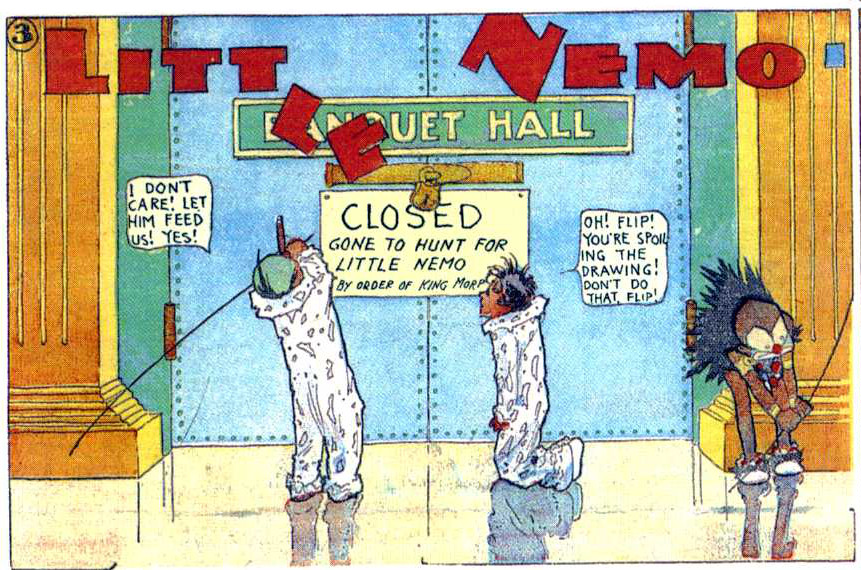
- Metafiction is a narrative technique where the text self-consciously draws attention to its own artificiality as a literary work. The book knows it is a book, and it breaks the fourth wall to remind you.
Expanding the Bounds of the Possible
- Magical realism incorporates fantastical or mythical elements into otherwise realistic fiction. Unlike traditional fantasy, where magic belongs to a different universe, magical realist texts present magical events as a normal part of an ordinary, mundane world. Ghosts sit at the dinner table, and entire towns rain yellow flowers, and the characters treat it with the exact same gravity as a change in the weather.
By deeply internalizing these distinctions, you empower your students to read not merely as consumers of plots, but as literary mechanics. When they encounter an unfamiliar passage on an exam or in life, they won't just see a poem or a paragraph; they will recognize the interlocking gears of form, immediately understanding the author's intent and the text's profound underlying architecture.