Characteristics of Primary Literary Genres
Not sure you’re ready?
Take the ~3-minute readiness diagnostic and see where you stand.
When an architect examines a blueprint, they do not merely see lines on a page; they see the fundamental constraints and affordances of the materials being used. Steel demands a different structural approach than timber; glass permits light but sacrifices privacy. Similarly, literary genres are not arbitrary filing categories in a library—they are the structural blueprints of human thought. Genre classification depends on both the formal structure of the text and the thematic content. As a secondary English teacher, you will routinely encounter students who try to read a poem exactly as they would read an informational essay, only to find themselves utterly frustrated when the text "doesn't make sense." If a student understands that the structural units of poetry differ fundamentally from the structural units of prose, they possess the critical scaffolding needed to unlock a text's deeper meaning. You are not just teaching them vocabulary; you are teaching them how to see the underlying physics of a text.
The most foundational division in literature is between prose and verse. This distinction is entirely mechanical, but it creates vastly different experiences for the reader.
Prose is a form of language that exhibits a natural flow of speech and grammatical structure. When we speak to one another, write an email, or compose a newspaper article, we use prose. Prose fiction consists of imaginary narratives written in ordinary language without metrical structure. Because it lacks a rigid rhythmic requirement, prose relies on the sentence as its basic unit, building upward into larger, logical groupings.
Conversely, the presence of a rhythmic meter or structured line breaks distinguishes verse from ordinary prose. Poetry is a literary genre that uses aesthetic and rhythmic qualities of language to evoke meanings in addition to literal meanings. A poet hits the "Enter" key not because they have run out of space on the page, but because they are controlling the pacing, sound, and visual impact of the thought.
To help your students conceptualize this, draw direct structural analogies between the two forms:
| Prose Structure | Poetic Equivalent | Function in the Text |
|---|---|---|
| Sentence | Line | A line is a single unit of language into which a poem is divided. It dictates the breath and pacing of the text. |
| Paragraph | Stanza | A paragraph is a distinct section of a piece of prose writing dealing with a single theme. A stanza in poetry is analogous to a paragraph in prose writing; it is a grouped set of lines within a poem. |
| Chapter | Canto | A chapter is a principal division of a prose book or novel. A canto is a principal division of a long poem. Therefore, a canto functions in a long poem similarly to how a chapter functions in a novel. |
The Mathematics of the Stanza
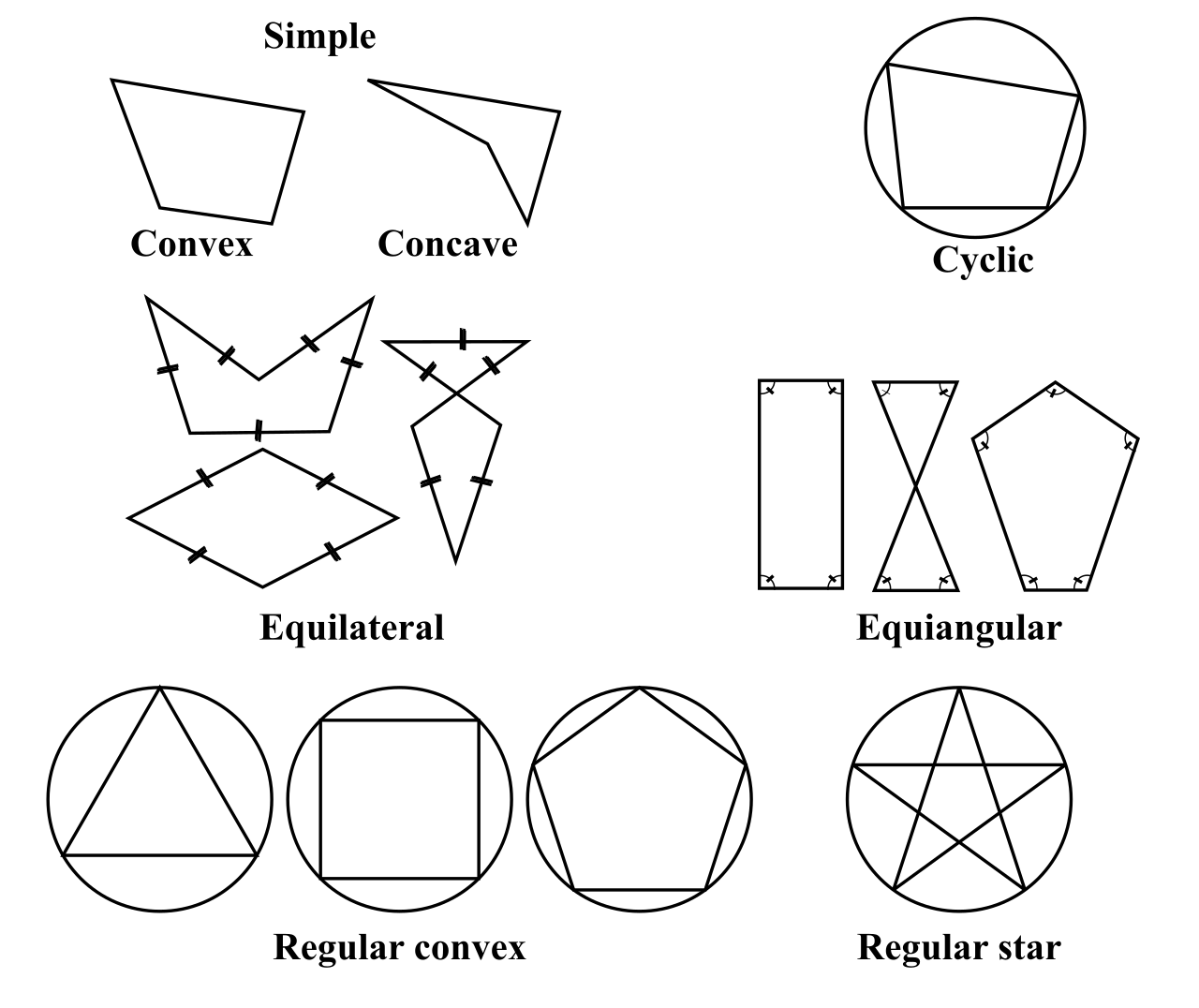
Just as we categorize polygons by their number of sides, we categorize poetic stanzas by their number of lines. These aren't just trivia terms; they describe the visual and rhythmic blocks the poet is using to build their argument:
- Couplet: A poetic stanza consisting of two lines. (Often used for swift resolution or a punchy conclusion).
- Tercet: A poetic stanza consisting of three lines.
- Quatrain: A poetic stanza consisting of four lines. (The most common stanza form in English poetry, offering a stable, balanced rhythm).
If stanzas are the macro-structure of a poem, rhythm and rhyme are the micro-physics. When teaching poetry, you must demystify how poets manipulate sound.
Meter is the basic rhythmic structure of a verse or lines in poetry. Think of meter as the heartbeat of the poem. But what happens when poets manipulate or abandon that heartbeat?
A Crucial Distinction for the Classroom: Students frequently confuse blank verse and free verse. Here is how to untangle them:
- Free verse is poetry that does not rhyme or have a regular meter. It is entirely "free" from traditional sonic rules, mimicking the erratic rhythms of natural thought or conversation.
- Blank verse is poetry written with regular metrical lines that do not rhyme. It is traditionally written in iambic pentameter (five "da-DUM" beats per line). It is "blank" of rhyme, but highly strict on meter. When Shakespeare's noble characters speak, they usually speak in blank verse.
When a poet uses strict meter and a rigid stanzaic structure, they are often operating within a highly specific poetic form. The most famous is the sonnet, a fourteen-line poem written in iambic pentameter. Writing a sonnet is like trying to paint a masterpiece on a canvas exactly the size of a postage stamp—the constraint forces incredible density of meaning.
Categorizing Poetry by Thematic Content
Just as we categorize prose into genres, poetry has thematic families:
- Lyric poem: A short verse that conveys the powerful personal feelings of the speaker. (Most modern poetry your students listen to—in the form of songs—belongs here).
- Ode: A formal lyric poem written in the form of an address to a particular subject. (e.g., Keats' "Ode on a Grecian Urn").
- Elegy: A poem of serious reflection. Typically, an elegy is written as a lament for the dead.
- Epic: A lengthy narrative poem detailing heroic deeds and adventures. (e.g., The Odyssey or Beowulf).
- Narrative poetry: This form acts as a bridge. Narrative poetry blends the storytelling elements of fiction with the metrical structures of verse.
When an author chooses to write prose fiction, the length of the text dictates the scope of the world they can build.
- Short story: A brief work of fiction usually written in prose. It relies on a tight, singular focus, often exploring a single event or a sudden realization.
- Novella: A work of fictional prose that is longer than a short story but shorter than a novel. (e.g., John Steinbeck's Of Mice and Men). It allows for more character development than a short story but maintains a tighter, more propulsive plot than a massive book.
- Novel: A long fictional prose narrative. The novel provides the vast space necessary for complex subplots, expansive timelines, and deep psychological exploration.
Subgenres of Fiction: Playing with Reality
Fiction is further categorized by its setting and its relationship to the laws of physics and history:
- Historical fiction: A literary genre where the story takes place in the past, often interacting with real historical events while utilizing imaginary characters or imagined dialogues.
- Science fiction: A genre dealing with imaginative concepts such as futuristic science and space exploration. Sci-fi asks, "What if our technology changed?"
- Fantasy: A literary genre set in a fictional universe often inspired by myth and folklore. Fantasy introduces elements like magic that operate under rules completely divorced from our reality.
- Magical realism: This is a distinct and highly sophisticated genre where magical elements are presented as a natural part of a mundane environment.
- Teacher Tip: How do you explain the difference between fantasy and magical realism to a high schooler? In fantasy, dragons exist and people battle them with enchanted swords. In magical realism, a teenage boy might sprout wings, but the community's primary concern is that he's tracking feathers into the living room. The magic is treated as mundane.
- Bildungsroman: A literary genre that focuses on the psychological and moral growth of the protagonist from youth to adulthood. This is the ultimate "coming-of-age" story—a critical term for secondary teachers, as almost all YA literature falls into this category.
- Epistolary novel: A novel written as a series of documents. Epistolary novels are frequently composed of letters or diary entries. (e.g., Mary Shelley's Frankenstein or Stephen Chbosky's The Perks of Being a Wallflower).
Nonfiction is a literary genre representing factually accurate accounts of real people and events. However, just because it is factual does not mean it is devoid of artistry or narrative drive.
Writing the Self and Others
- Biography: A detailed description of a person's life written by someone else.
- Autobiography: A self-written account of the author's own life. It attempts to span the entirety of the author's existence.
- Memoir: A factual account of a specific period or theme in the author's own life.
- The Distinction: An autobiography is a chronological drone-shot of an entire life; a memoir is a close-up photograph of a specific room in the house of that life. A politician writes an autobiography; a chef writes a memoir about their three years cooking in Paris.
The Rhetoric of Ideas
- Essay: A short piece of writing on a particular subject. The word comes from the French essayer, meaning "to attempt." It is the author's attempt to work through an idea.
- Speech: A formal address or discourse delivered to an audience. Speeches rely heavily on auditory rhetoric—repetition, cadence, and direct audience engagement.
- Literary journalism: A genre of nonfiction that combines factual reporting with narrative techniques. Writers like Joan Didion or Jon Krakauer use character development, scene-setting, and dramatic arcs to tell entirely true stories.
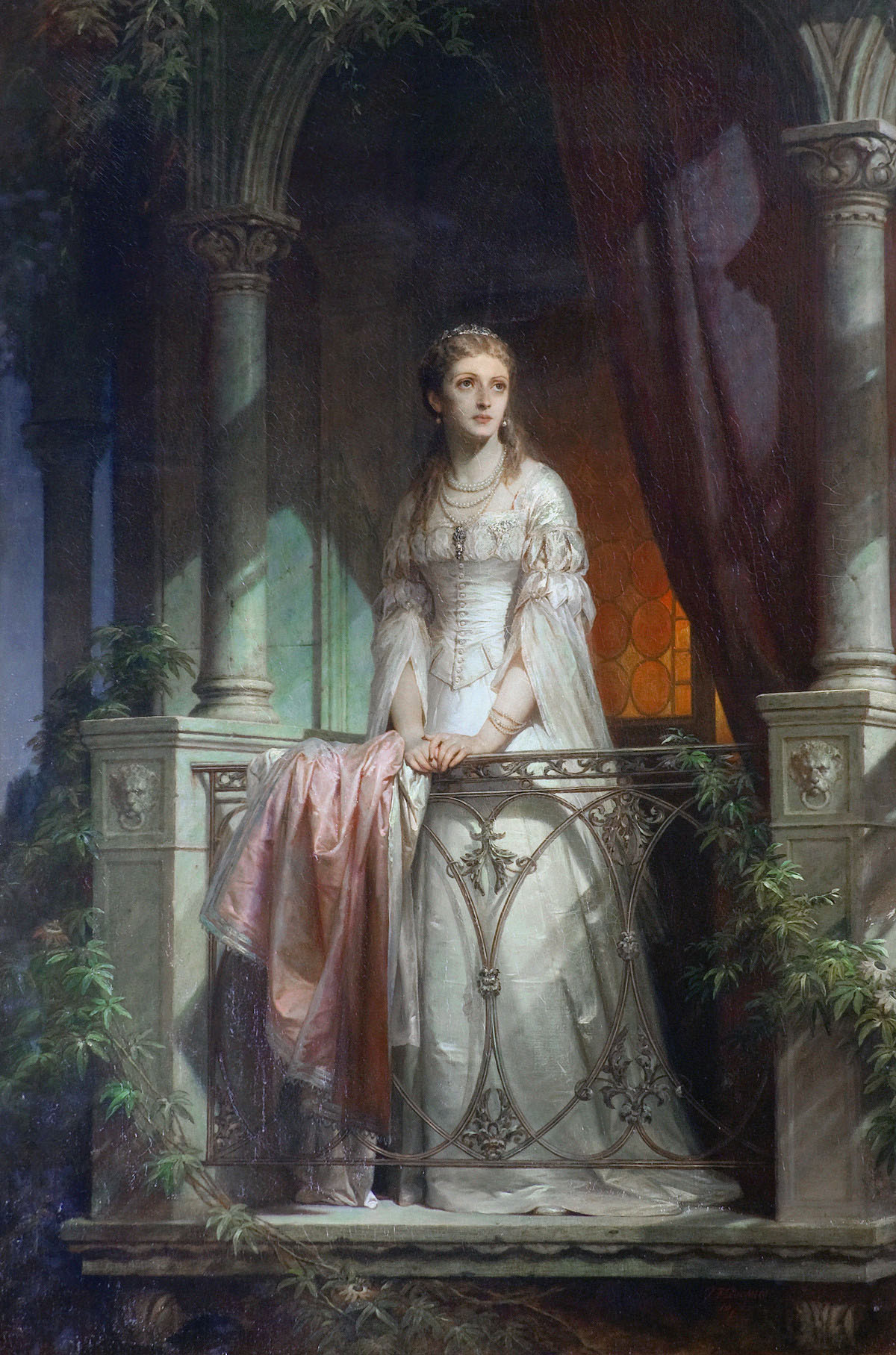
Drama is a literary genre intended for performance by actors on a stage. If a novel is a finished house, a play is a set of blueprints waiting for a construction crew. Dramatic texts rely primarily on dialogue and stage directions to convey plot and characterization. Because we cannot usually hear the narrator's internal thoughts, we only know what characters do and what they say.
The Mechanics of the Stage
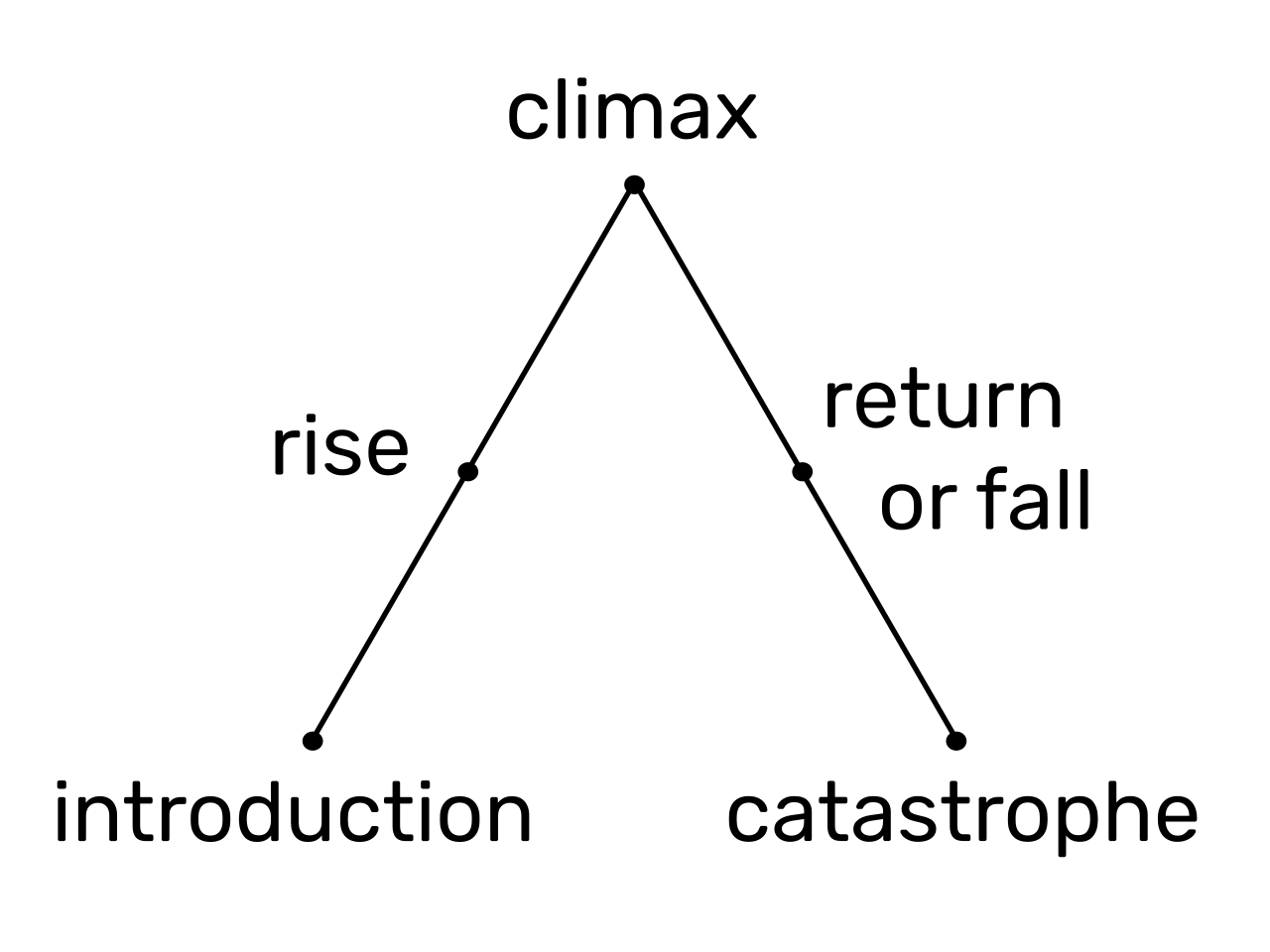
- Act: A major division within a play or drama. Acts usually correspond to the major movements of the dramatic arc (e.g., the setup, the rising action, the climax, the resolution).
- Scene: A subdivision of an act in a play. The defining characteristic of a scene is continuity: a scene takes place in a single continuous time and setting. If the location changes, or if we jump forward in time, a new scene begins.
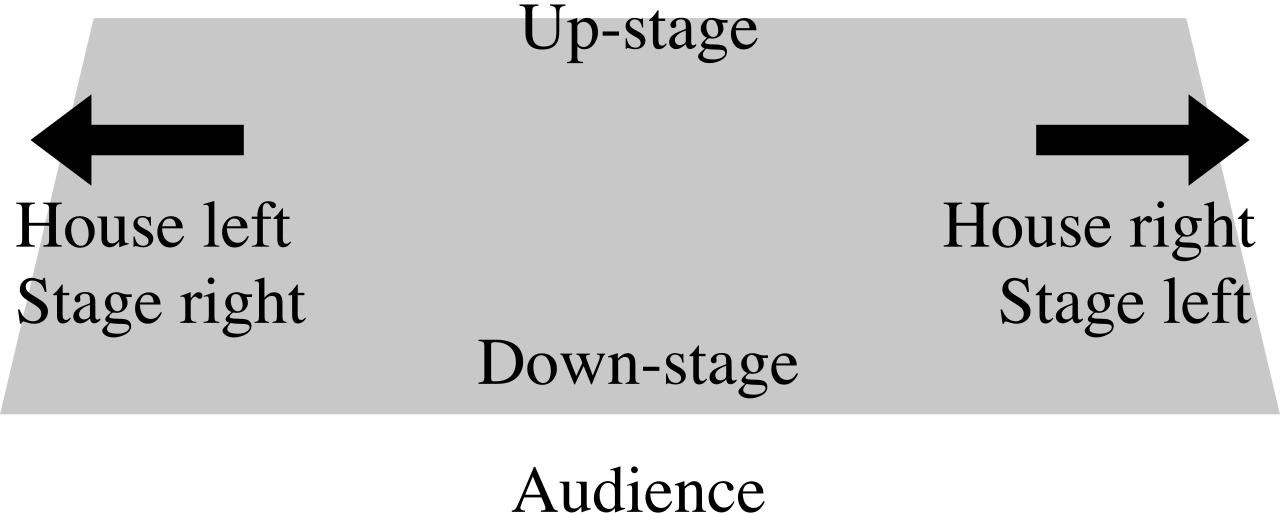
- Stage directions: Instructions in the text of a play indicating the movement or position of actors. Crucially, stage directions often indicate the tone in which an actor should deliver a line, doing the emotional heavy lifting that a narrator would do in prose fiction.
The Anatomy of Theatrical Speech
When students read Shakespeare, the variety of speeches can be overwhelming. Teach them these mechanical distinctions:
- Dialogue: A written or spoken conversational exchange between two or more characters. This is the standard lifeblood of the play.
- Monologue: A long speech presented by a single character to express thoughts aloud to other characters who are on stage listening.
- Soliloquy: A dramatic device where a character speaks personal thoughts aloud while alone on stage. The key here is isolation. The character is entirely by themselves, meaning the audience is hearing their unfiltered, unmasked truth.
- Aside: A dramatic device in which a character speaks directly to the audience. By convention, the other characters on stage do not hear a character's aside, even if they are standing right next to them. It breaks the fourth wall.
Dramatic Genres
- Tragedy: A dramatic genre depicting the downfall of a noble hero or heroine, usually due to a fatal flaw (hamartia) or the whims of fate.
- Comedy: A dramatic genre intended to make an audience laugh through amusement. In classical terms, comedies don't just mean "funny"; they mean stories that end in restoration, social cohesion, and typically a marriage, rather than death.
- Melodrama: A dramatic genre characterized by exaggerated characters and highly emotional plots. The internal logic of the world is sacrificed for the sake of maximal emotional impact.
Finally, whether exploring prose, poetry, or drama, authors frequently use structural devices at the very boundaries of the text to guide the reader's interpretation. Think of these as the threshold, the front porch, and the back porch of the literary house:
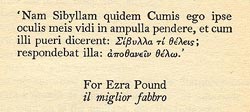
- Epigraph: A short quotation placed at the beginning of a book or chapter to suggest its theme. It is a way for an author to link their work to a broader literary conversation before the story even begins.
- Prologue: An opening section of a literary work that establishes context and background details. It occurs before the primary narrative engine engages.
- Epilogue: A concluding section of a literary work that provides closure. It occurs after the primary narrative engine has shut off, allowing the reader to see the ultimate consequences of the story.
Mastering these distinctions is not about memorizing flashcards; it is about equipping yourself—and eventually your students—with the exact vocabulary needed to dissect how human beings construct meaning. A sonnet, a monologue, and a memoir are fundamentally different tools. By understanding the specific affordances of each, you prepare your students to step into the role of the master builder, capable of analyzing any text they encounter.