Developing Themes in Literature
Not sure you’re ready?
Take the ~3-minute readiness diagnostic and see where you stand.
Imagine analyzing the intricate gears and springs of a mechanical watch and marveling at their motion, yet fundamentally failing to understand that the device’s purpose is to tell time. In the secondary English classroom, moving a student from reading for plot to reading for meaning is your most vital objective. You are teaching them to see the invisible architecture of thought. When we analyze a text, we are not merely cataloging events; we are examining how an author arranges characters, conflicts, and settings to construct a cohesive worldview.
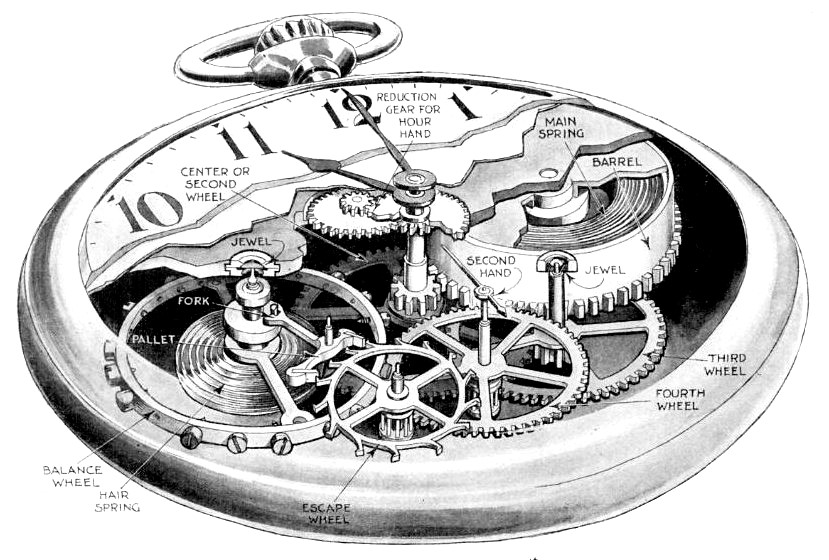
To teach literature effectively, you must understand the exact mechanisms authors use to compress vast, complex observations about the human condition into narrative form.
Before analyzing how a theme is built, we must establish rigorous boundaries around what a theme actually is. Students frequently conflate a text's subject with its theme, which stalls their analytical thinking.
A literary theme differs fundamentally from a literary subject.
- A subject is the specific topic or focus of a text. (e.g., "Love," "War," or "Revenge").
- A theme is an author's specific opinion or insight expressed about a literary subject. (e.g., "War relentlessly destroys the innocence of youth").
Ultimately, a literary theme is a broad, universal message about life or human nature explored throughout a text.
When you transition your students from fiction to informational reading, the vocabulary shifts, but the cognitive task remains the same. A central idea is the primary point an author wants to communicate to the reader in a non-fiction text. In terms of literary analysis, a central idea functions synonymously with a theme in works of fiction.
Theme vs. Moral: The Pitfall of Instruction
Novice readers inherently want to reduce a complex narrative down to a simplistic rule for living. You must train them out of this habit by distinguishing themes from morals.
A moral is a specific lesson or instruction advising the reader on how to behave (e.g., "Always tell the truth"). Because of its prescriptive nature, a moral is significantly more explicit and directive than a theme. By contrast, a theme presents an observation about life without explicitly instructing the reader on how to act. Themes ask us to observe the nature of reality; morals tell us how to act within it.
If a theme is an author's worldview, how do they transmit it without simply writing an essay? They encode it. Authors develop themes implicitly through character dialogue, layering subtext beneath spoken words, and authors develop themes implicitly through the actions of characters, forcing readers to deduce values from behavior.
Furthermore, dynamic character arcs are essentially thematic vehicles. Character growth over the course of a narrative frequently illustrates a primary theme. When a protagonist shifts from selfishness to altruism, the author is making a quiet argument about the transformative power of empathy.
Similarly, pay close attention to the mechanics of the plot itself. Authors develop themes implicitly through plot resolutions. In fact, the method of a conflict's resolution often reveals a text's primary theme. If a novel ends with a corrupt tycoon sitting alone and miserable in a sprawling mansion, the resolution itself is the author's thematic statement regarding the hollowness of material wealth.
The Geography of the Mind: Setting and Contrast
Settings in masterful literature are rarely just backdrops. Often, a narrative's setting can function to develop a theme by mirroring a character's internal psychological conflict. A tempestuous storm outside often reflects the moral chaos within the protagonist. Additionally, authors use the direct juxtaposition of opposing characters or settings to highlight central themes, placing a clinical, sterile city next to a vibrant, chaotic forest to make a thematic point about the tension between order and nature.
Authors require structural glue to hold their thematic arguments together over hundreds of pages.
- A motif is a recurring image, sound, action, or figure possessing symbolic significance. Consider the recurring sound of a breaking string in Chekhov’s work, or the recurring green light in The Great Gatsby. A motif acts as a structural device to contribute to the development of a theme. It is the repeating heartbeat that reminds the reader of the central message.
- Scaling this up, we encounter allegory. An allegory is a narrative utilizing characters, places, or events to deliver a broader message about real-world issues. In this framework, allegories make entire narratives serve as extended metaphors for specific complex themes. George Orwell’s Animal Farm is an allegory where the entire narrative structure is dedicated to exploring the theme of totalitarian corruption.

The mechanism through which we view a story deeply impacts the themes we can extract. Perspective dictates truth.
- First-person narration shapes theme development by intimately restricting the reader's perspective to a single character's worldview. This inherently biases the narrative, allowing authors to explore themes of subjective reality and isolation.
- Conversely, omniscient narration shapes theme development by providing a broad, god-like view of all characters' hidden motives and societal forces. This sweeping perspective is ideal for exploring themes related to destiny, systemic injustice, or the vast interconnectedness of humanity.
The Power of Irony
When reality subverts expectation, we have irony. Irony is frequently utilized by authors to develop themes regarding the unpredictability or absurdity of life.
More specifically, dramatic irony develops themes by exposing the tragic gap between a character's limited perception and the objective truth. When the audience knows Juliet is merely asleep, but Romeo believes she is dead, the dramatic irony forcefully develops themes about the catastrophic danger of impulsive passion.

Underneath the infinite variety of human storytelling lies a shared foundation. An archetype is a typical character, action, or situation representing universal patterns of human nature (such as the Hero, the Mentor, or the Journey). Because they tap into collective human psychology, archetypes help authors convey universal themes across different cultures and time periods.
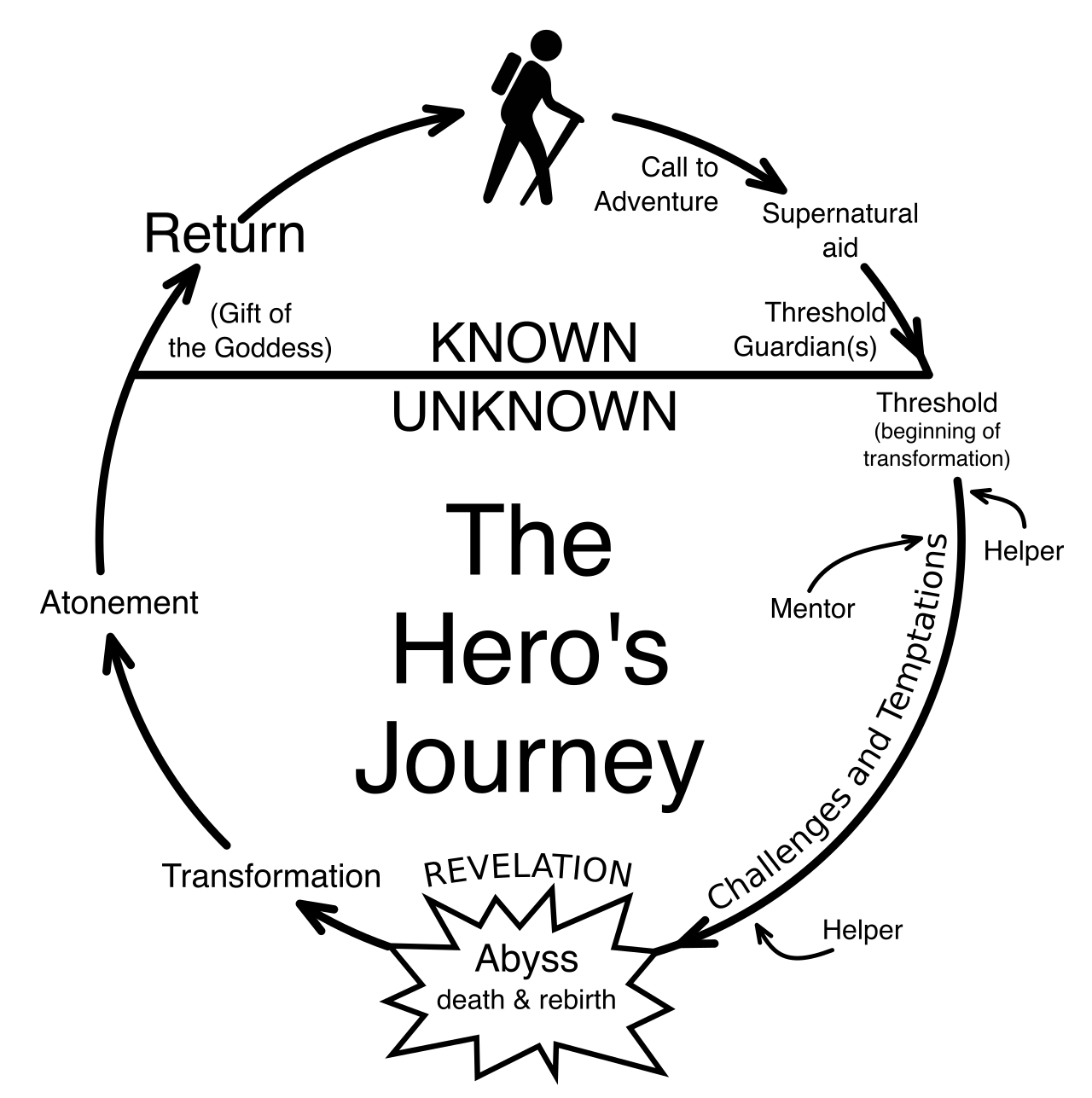
This leads us to the concept of the universal theme. A universal theme is an idea applying to anyone regardless of cultural differences or geographic location.
Here are some of the most critical universal thematic patterns you must master:
- Coming of Age: This is a universal theme involving a character's transition from childhood to adulthood. As a point of professional vocabulary, the formal literary term for a coming-of-age story is a Bildungsroman.
- Good Versus Evil: This is a universal theme frequently anchoring the conflict in religious texts and myths.
- Hubris: The danger of hubris is a universal theme exceptionally common in Greek mythology. By definition, hubris refers to excessive pride or self-confidence bringing about a character's downfall.
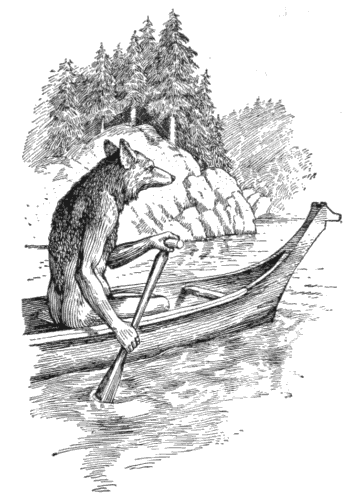
- The Trickster: Across global storytelling, traditional trickster figures in folklore develop themes of intellect or cunning overcoming physical strength. Think of Anansi the Spider or Coyote; they prove that mind can conquer muscle.
Think of an allusion as a compressed "zip file" of literary meaning. An allusion is a brief, intentional reference to a historical, mythic, or literary person, place, event, or movement.
Instead of spending fifty pages establishing a character's terrifying vanity, an author can simply compare them to Narcissus. Consequently, authors use allusions to rapidly communicate complex thematic ideas to the reader through shared cultural knowledge.
As an ELA educator, you must possess a vast internal encyclopedia of foundational allusions. Below is a rigorous breakdown of the essential Greek and Biblical references that continually arise in Western literature.
Foundational Greek Mythology Allusions
| The Reference | The Origin | Thematic Development |
|---|---|---|
| Icarus | Icarus is a figure in Greek mythology who ignored his father's warnings and flew too close to the sun. His wax wings melted, sending him into the sea. | An allusion to Icarus typically conveys the theme of the dangers of overambition. |
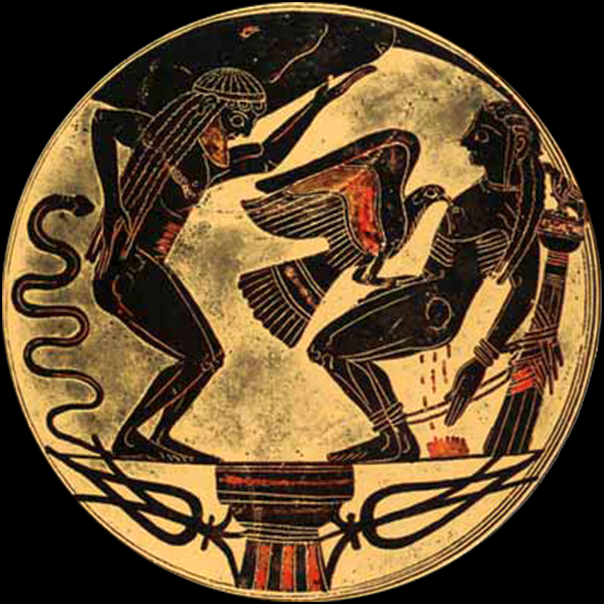
| Prometheus | Prometheus is a Greek mythological Titan who stole fire from the gods to give to humanity. He was eternally punished for this transgression. | An allusion to Prometheus explores themes of forbidden knowledge or rebellion against tyrannical authority. |
| Pandora's Box | Pandora is a figure in Greek mythology who opened a forbidden jar releasing all the evils of humanity. | An allusion to Pandora's Box explores the theme of the unintended catastrophic consequences of curiosity. |
| Narcissus | Narcissus is a figure in Greek mythology who fell in love with his own reflection in a pool of water. He withered away staring at himself. | An allusion to Narcissus conveys themes of vanity and destructive self-obsession. |
Foundational Biblical Allusions
| The Reference | The Origin | Thematic Development |
|---|---|---|
| The Garden of Eden | The Garden of Eden is a biblical paradise described in the Book of Genesis. It is the site of humanity's original innocence and subsequent exile. | An allusion to the Garden of Eden highlights themes of lost innocence or the fall from grace. |
| Cain and Abel | Cain and Abel are biblical figures and the first two sons of Adam and Eve. Cain murders Abel out of envy. | An allusion to Cain and Abel develops themes of sibling rivalry, jealousy, and foundational human sin. |
| The Prodigal Son | The Prodigal Son is a biblical parable about a wayward son welcomed back warmly by his forgiving father despite having squandered his inheritance. | An allusion to the Prodigal Son conveys themes of forgiveness, redemption, and unconditional love. |

Mastering how central ideas, motifs, archetypes, and allusions work in concert allows you to pull back the curtain on literature for your students. You move them past the superficial mechanics of "who did what to whom," empowering them to engage in the profound, centuries-long conversation about what it means to be human.