Figurative Language and its Effect
Not sure you’re ready?
Take the ~3-minute readiness diagnostic and see where you stand.
Language, at its base level, operates as a mechanism for transferring a mental image from one brain to another. When a literal description fails to capture the exact frequency or weight of a human experience, a writer must bend the linguistic light. Fundamentally, figurative language involves using words or expressions with a meaning entirely different from the literal interpretation. It is the deliberate distortion of reality to achieve a higher precision of meaning.
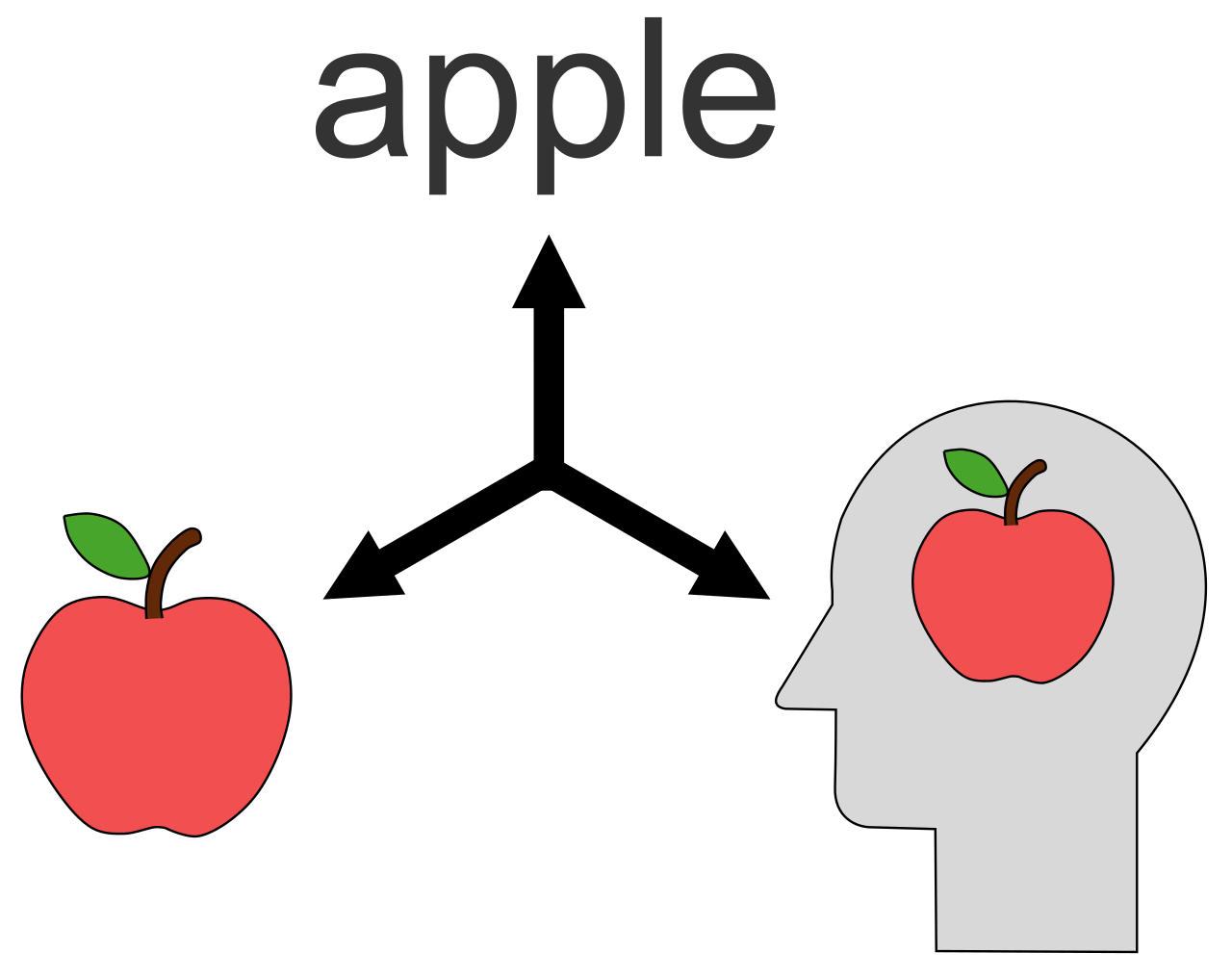
As an English educator preparing for the Content Knowledge exam, your task is not merely to help students memorize a glossary of isolated terms. You must understand, and eventually teach, how figurative language shapes the overarching tone of a text by demanding specific connotative associations from the reader. When you analyze a passage—whether it is a dense Renaissance sonnet or a piece of contemporary informational text—you are looking at the machinery beneath the prose. You are examining how writers map the unknown onto the known, how they manipulate scale, and how they hack the human nervous system through sensory cues.
Here is the definitive guide to the mechanics, effects, and pedagogical applications of figurative language.
Human beings learn by analogy. We understand a new, complex idea by tethering it to a familiar one. Writers exploit this cognitive shortcut through formal comparisons, scaling from simple sentences to entire narrative frameworks.
Simile and Metaphor: The Foundations
At the structural level, a simile compares two fundamentally different things using the explicit comparative words 'like' or 'as'. When Langston Hughes asks if a dream deferred dries up "like a raisin in the sun," the explicit linkage forces the reader to observe the relationship. The rhetorical effect of a simile is to make a description more emphatic or vivid to the reader.
If a simile is a bridge between two ideas, a metaphor is a collision. A metaphor equates two fundamentally different things without using explicit comparative words. By removing the structural scaffolding of "like" or "as," the writer forces a complete semantic fusion. Rather than saying one thing resembles another, a metaphor transfers the descriptive qualities of one object directly to another object. When Romeo declares, "Juliet is the sun," he is not suggesting she is luminous; he is structurally transferring the sun's gravity, life-giving heat, and centrality directly onto her character.
Structural Comparisons: Expanding the Frame
When a comparison proves too rich to be contained in a single line, writers stretch the architecture.
An extended metaphor unfolds across multiple lines or an entire literary work.
For your passage-based reasoning items, recognizing this is critical because an extended metaphor provides a unifying thematic structure for a poem or narrative passage. It acts as the backbone. Walt Whitman’s "O Captain! My Captain!" is not merely a poem that contains metaphors; the entire mechanism of the poem relies on mapping the assassination of Abraham Lincoln onto the death of a ship's captain returning from a perilous voyage.
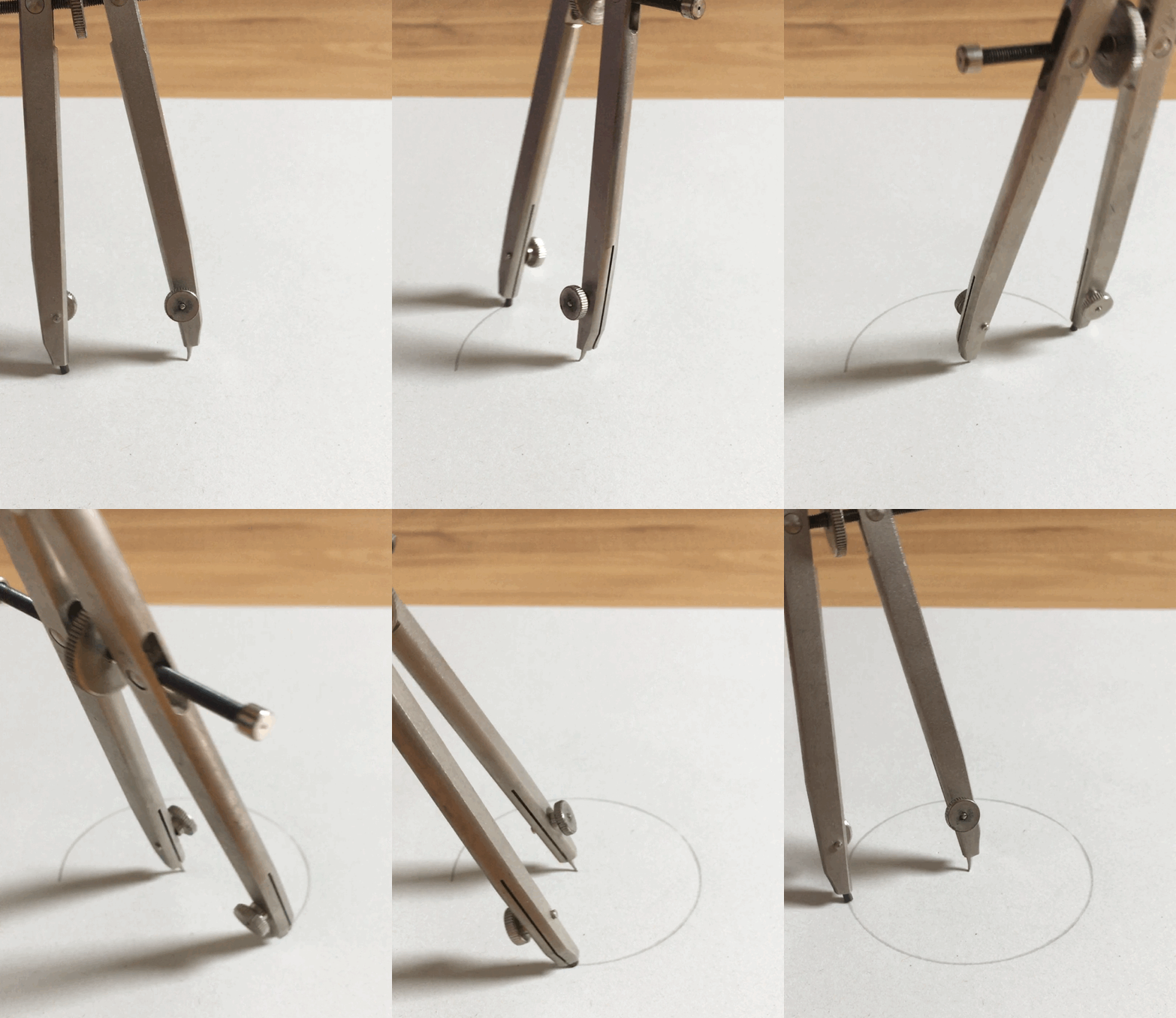
When this stretching reaches the point of the bizarre or highly intellectual, it becomes a conceit. Associated heavily with 17th-century poets like John Donne, a metaphysical conceit is a complex extended metaphor comparing two highly dissimilar things. Comparing lovers to the two legs of a drawing compass—where one remains grounded while the other roams, yet both are inextricably linked—is a hallmark of a conceit. It challenges the reader's intellect to solve the comparison like a geometric proof.
Writers frequently manipulate the boundaries between human, animal, and inanimate matter. The direction in which these traits flow determines the specific rhetorical device.
Projecting Humanity
Personification assigns human traits, emotions, or actions to non-human entities or abstract concepts. When a writer notes that "the wind howled in agony," they are projecting human suffering onto meteorology. Why? Because the human brain is highly attuned to human emotion. Personification helps readers establish an emotional connection to inanimate objects, allowing a cold, literal setting to become an active, emotional participant in the scene.
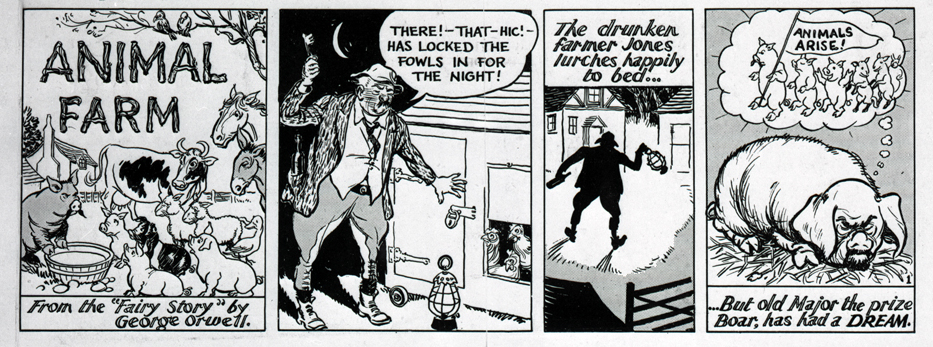
While personification lends human qualities to the non-human, anthropomorphism goes a step further into physical reality. Anthropomorphism involves making an animal or object behave or physically appear exactly like a human being. George Orwell’s Animal Farm does not merely personify pigs by saying they possess human greed; it anthropomorphizes them by having them walk on two legs and drink alcohol. Anthropomorphism literalizes human characteristics within a narrative, turning them into tangible actions rather than abstract projections.
Stripping Humanity
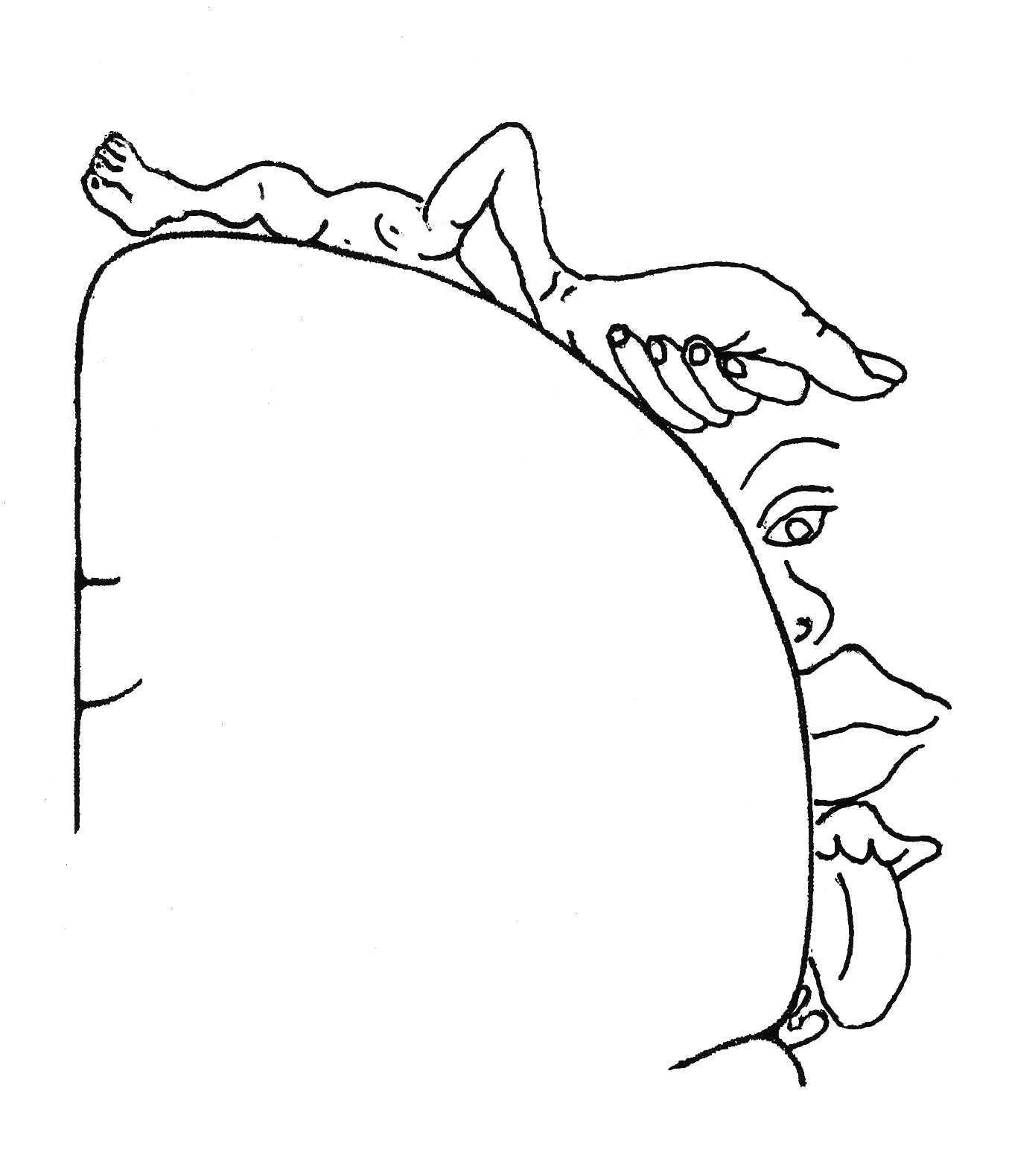
Most curricula stop at personification, but advanced textual analysis requires understanding its inverse. Chremamorphism assigns the characteristics of inanimate objects to human beings. If a passage describes an old man "crumbling into dust" or a general "calcifying into stone," the writer is stripping away biological vitality, reducing a human to mere geology or machinery.
| Feature | Direction of Transfer | Example |
|---|---|---|
| Personification | Human → Non-Human/Abstract | "The stars danced playfully." |
| Anthropomorphism | Human → Animal/Object (Literalized) | A fox wearing a tailored suit and speaking French. |
| Chremamorphism | Inanimate Object → Human | "She shattered into a thousand jagged pieces." |
Words on a page are inherently sterile ink marks. To make a reader experience a text physically, a writer must inject sensory data. Imagery consists of descriptive language appealing directly to the physical senses.
When you encounter questions asking about the atmosphere of a text, look immediately to the sensory data. Sensory imagery helps establish the primary mood or atmosphere of a literary passage. A passage heavy with the scent of rotting leaves and the physical sensation of cold dampness mathematically constructs a mood of decay before the plot even advances.
To analyze literature accurately, you must recognize all seven distinct channels of imagery:
- Visual imagery appeals to the reader's sense of sight. (e.g., the blinding, fractal glare of sunlight on ice).
- Auditory imagery appeals to the reader's sense of hearing. (e.g., the rhythmic, metallic clatter of a train).
- Olfactory imagery appeals to the reader's sense of smell. (e.g., the acrid stench of burning ozone).
- Gustatory imagery appeals to the reader's sense of taste. (e.g., the sharp, metallic tang of blood).
- Tactile imagery appeals to the reader's sense of touch. (e.g., the abrasive friction of coarse sandpaper).
- Kinesthetic imagery appeals to the reader's sense of movement or physical tension. (e.g., the sudden, stomach-dropping plunge of an elevator, or the tight coiling of muscles before a sprint).
- Organic imagery relates to internal bodily sensations such as hunger or fatigue. (e.g., the hollow, aching void in the pit of the stomach).
Crossing the Wires: Synesthesia
Occasionally, a writer will intentionally short-circuit the reader's sensory processing. Synesthesia is a rhetorical device blending different sensory experiences in a single description. At a structural level, synesthesia describes one physical sense using the terminology of a completely different physical sense. Phrases like "a loud shirt" (auditory mapped to visual) or "a sweet melody" (gustatory mapped to auditory) force the brain to process two separate neural pathways simultaneously, resulting in a highly memorable, striking description.
Efficiency in writing often requires using shortcuts. Writers frequently swap out a cumbersome literal word for a closely related concept or a recognized cultural marker.
Part and Whole
Synecdoche is a figure of speech in which a specific part of an object represents the entire object. When a captain yells, "All hands on deck," they do not merely want severed hands; the "hands" represent the entire crew of sailors. Conversely, the inverse is also true: synecdoche can utilize an entire object to represent a smaller specific part of that object. When we say, "The police arrived," we are using the entire institution to represent three specific officers.
Proximity and Association
Metonymy is a figure of speech referring to an object by the name of a closely associated concept. Unlike synecdoche, where the substitute is a physical piece of the whole (like a hand to a body), metonymy relies on conceptual proximity. Saying "The White House issued a statement" uses the physical building as a stand-in for the President and their administration.

Cultural Compression
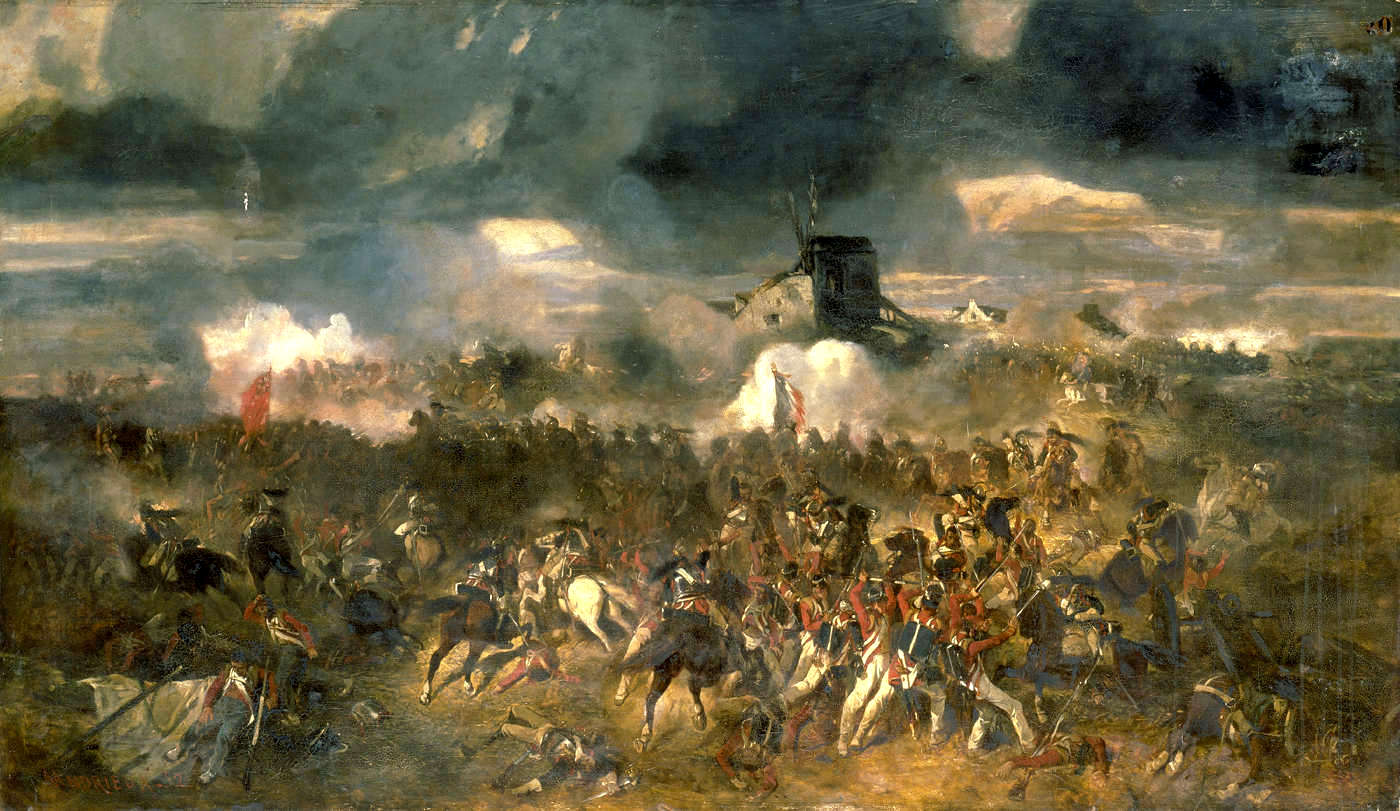
Allusion is an indirect reference to a recognized historical, cultural, or literary figure or event. Allusions act as hyperlinks within a text. By casually mentioning that a character "met his Waterloo," the writer doesn't need to spend three pages describing a devastating, final defeat. Allusions enrich a text by drawing upon the reader's prior knowledge to create deeper symbolic resonance.
Sometimes the truth of a situation can only be accurately conveyed by mathematically distorting it—either blowing it wildly out of proportion, shrinking it to absurdity, or forcing incompatible ideas to sit next to each other.
The Manipulation of Scale
Hyperbole is an intentional and extreme rhetorical exaggeration. When a student says, "I have a million hours of homework," the literal truth is sacrificed for emotional truth. Writers use hyperbole to create dramatic emphasis, ensuring the reader cannot ignore the magnitude of the situation. Furthermore, writers use hyperbole to evoke strong emotional responses from the audience, bypassing logic to strike directly at feelings of overwhelm, awe, or despair.
On the other end of the spectrum is understatement. Meiosis is a deliberate understatement that intentionally minimizes the importance of a subject. When Mercutio in Romeo and Juliet suffers a fatal stab wound and waves it off as "a scratch," the severe understatement highlights his bravado and the tragic irony of his impending death. A specific, highly testable variant of this is litotes. Litotes is a specific form of understatement expressing a positive statement by negating its opposite. If you call an utterly brilliant performance "not bad," or say a freezing day is "not exactly tropical," you are employing litotes.
The Architecture of Contradiction
Conflict drives literature, and contradiction drives rhetorical tension. An oxymoron pairs two contradictory or opposite words side-by-side in a single phrase. Examples like "deafening silence," "jumbo shrimp," or "cruel kindness" create immediate friction. Functionally, an oxymoron creates a rhetorical effect of dramatic tension at the micro-level of the sentence.
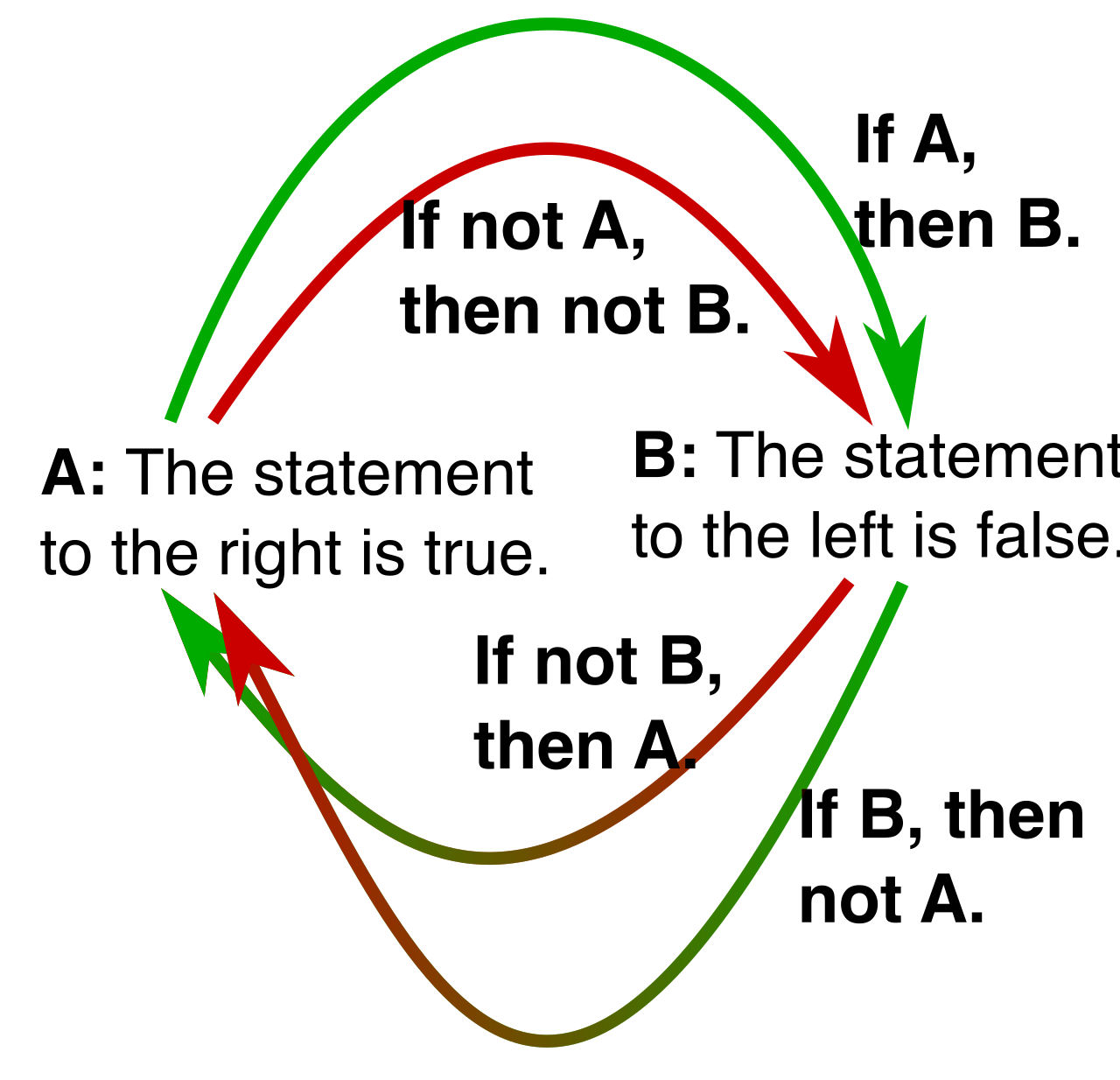
When this contradiction expands from a two-word phrase to a complete conceptual statement, it becomes a paradox. A paradox is a literary statement that appears logically self-contradictory on the surface. If a character claims, "I can resist anything except temptation," the statement loops in on itself. However, the purpose of a paradox is not merely to confuse. A paradox reveals a latent or profound truth upon deeper analytical reflection.
The final layer of figurative language involves manipulating the very mechanics of grammar, vocabulary, and societal norms.
Breaking the Fourth Wall
In poetry and drama, a speaker will often suddenly pivot and talk to something that cannot possibly talk back. Apostrophe occurs when a speaker formally addresses an absent person, an abstract idea, or an inanimate object. "O Death, where is thy sting?" is a classic apostrophe. By treating an abstraction like a character in the room, apostrophe elevates the emotional intensity of a poetic or dramatic monologue.
Structural and Semantic Gymnastics
Zeugma is a figure of speech using a single verb or adjective to modify two or more nouns in grammatically or logically different ways. Consider the sentence: "He broke my heart and my television." The verb "broke" applies to "heart" figuratively, but to "television" literally. Zeugma hinges on syntactic efficiency and often creates a jarring, witty, or tragicomic effect.
Semantic ambiguity is best achieved through wordplay. A pun is a play on words exploiting different possible definitions of a single word, or alternatively, a pun exploits multiple words sounding exactly alike despite having different literal meanings (homophones). Because puns introduce semantic ambiguity into a text, they force the reader to hold two meanings in their head simultaneously. In the context of drama (like Shakespeare's plays), puns frequently provide comedic relief in dramatic literature, serving as a pressure valve for the audience during tense scenes.
Cultural Shields
Finally, language is governed by the social realities of the people using it. Idioms are culturally specific expressions possessing figurative meanings entirely separate from the literal definitions of the constituent words. "Kicking the bucket" or "spilling the beans" makes zero literal sense to a non-native speaker; their meanings exist purely by cultural consensus.
Similarly driven by societal norms, euphemism replaces harsh or potentially offensive terms with milder alternative phrasing. We say someone "passed away" instead of "died," or that a company is "downsizing" instead of "firing people." Euphemisms soften the emotional impact of sensitive or taboo subjects, acting as verbal shock absorbers in polite society.
As an English educator, your mastery of these concepts ensures you are not just teaching students to label parts of speech. You are teaching them reverse-engineering. By understanding how metaphor transfers properties, how imagery hacks the nervous system, and how paradox reveals hidden truths, you empower your students to decode the profound mechanics of human communication.