Poetic Devices and Structure
Not sure you’re ready?
Take the ~3-minute readiness diagnostic and see where you stand.
When secondary students encounter a poem, they often perceive it as a locked safe containing a single, hidden meaning, with poetic devices acting as a frustrating combination they are expected to crack. As an educator, your task is to shift this paradigm: a poem is not a safe, but a meticulously engineered acoustic and visual machine. Every syllable, line break, and repeated consonant is a physical gear designed to manipulate the reader’s breath, heartbeat, and imagination. To teach poetry effectively—and to master the passage-based reasoning required by the Praxis—you must understand the exact function of each of these gears, recognizing not just what they are, but why they were chosen.
Before a student even comprehends the vocabulary of a poem, they feel its temporal physics. Poetic rhythm dictates the pacing of a poem, controlling how quickly or slowly the reader moves through the text. This is not accidental; poets are chronological manipulators.
Faster rhythms can create a sense of urgency or excitement in a poem. Think of the rapid, tripping syllables describing a battle or a racing heart. Conversely, slower rhythms can establish a contemplative or mournful tone in a poem, forcing the reader to linger on somber imagery or philosophical questions.
But how does a poet control the brakes and the accelerator? They use punctuation and line breaks as traffic signals.
Controlling the Flow: Enjambment, Stops, and Caesuras
A poetic line is a unit of breath. When a poet wants to manipulate that breath, they alter the line's boundary.
- An end-stopped line contains a grammatical punctuation pause at its conclusion (a period, comma, or dash). Because the reader's brain naturally halts at this punctuation, end-stopped lines slow the reading pace of a poem, giving ideas time to settle.
- Conversely, enjambment is the continuation of a sentence without a pause beyond the end of a line or stanza. By omitting punctuation at the line break, enjambment artificially increases the reading pace of a poem. The syntactic tension pulls the reader forward to the next line to complete a fractured thought. It creates momentum, breathlessness, or anxiety.
- Sometimes, a poet wants to slam on the brakes mid-line. A caesura is a deliberate grammatical pause placed in the middle of a line of poetry. A caesura breaks the natural rhythm of a poetic line to force emphasis on a specific word or thought, often creating a stark, jarring pivot right when the reader expects a smooth continuation.
Classroom Application: When teaching students to read poetry aloud, or when analyzing a passage on your exam, look at the right-hand margin. If it is heavily punctuated, the poem is meant to be read like a slow, deliberate march. If it is mostly enjambed, it is a rushing river.
Underneath the rhythm lies the mathematical heartbeat of the poem. Meter is the regular pattern of stressed and unstressed syllables in a line of poetry. If meter is the blueprint, then a poetic foot is the basic building block of meter containing a specific combination of stressed and unstressed syllables.
Understanding poetic feet is critical because the human ear is highly sensitive to stress patterns. English ELA exams frequently test your ability to identify these foundational feet:
| Poetic Foot | Pattern | Rhythm / Mnemonic |
|---|---|---|
| Iamb | Unstressed + Stressed | An iamb is a poetic foot consisting of one unstressed syllable followed by one stressed syllable. (e.g., to-DAY). It mimics the human heartbeat. |
| Trochee | Stressed + Unstressed | A trochee is a poetic foot consisting of one stressed syllable followed by one unstressed syllable. (e.g., AP-ple). It sounds forceful or chant-like. |
| Anapest | Unstressed + Unstressed + Stressed | An anapest is a poetic foot consisting of two unstressed syllables followed by one stressed syllable. (e.g., in-ter-RUPT). It creates a galloping, propulsive momentum. |
| Dactyl | Stressed + Unstressed + Unstressed | A dactyl is a poetic foot consisting of one stressed syllable followed by two unstressed syllables. (e.g., PO-e-try). It has a waltzing, falling rhythm. |
| Spondee | Stressed + Stressed | A spondee is a poetic foot consisting of two consecutive stressed syllables. (e.g., HEART-BREAK). It functions like a heavy, linguistic hammer blow. |
| Pyrrhic | Unstressed + Unstressed | A pyrrhic is a poetic foot consisting of two consecutive unstressed syllables. It is a fleeting, airy passing over words (often prepositions). |
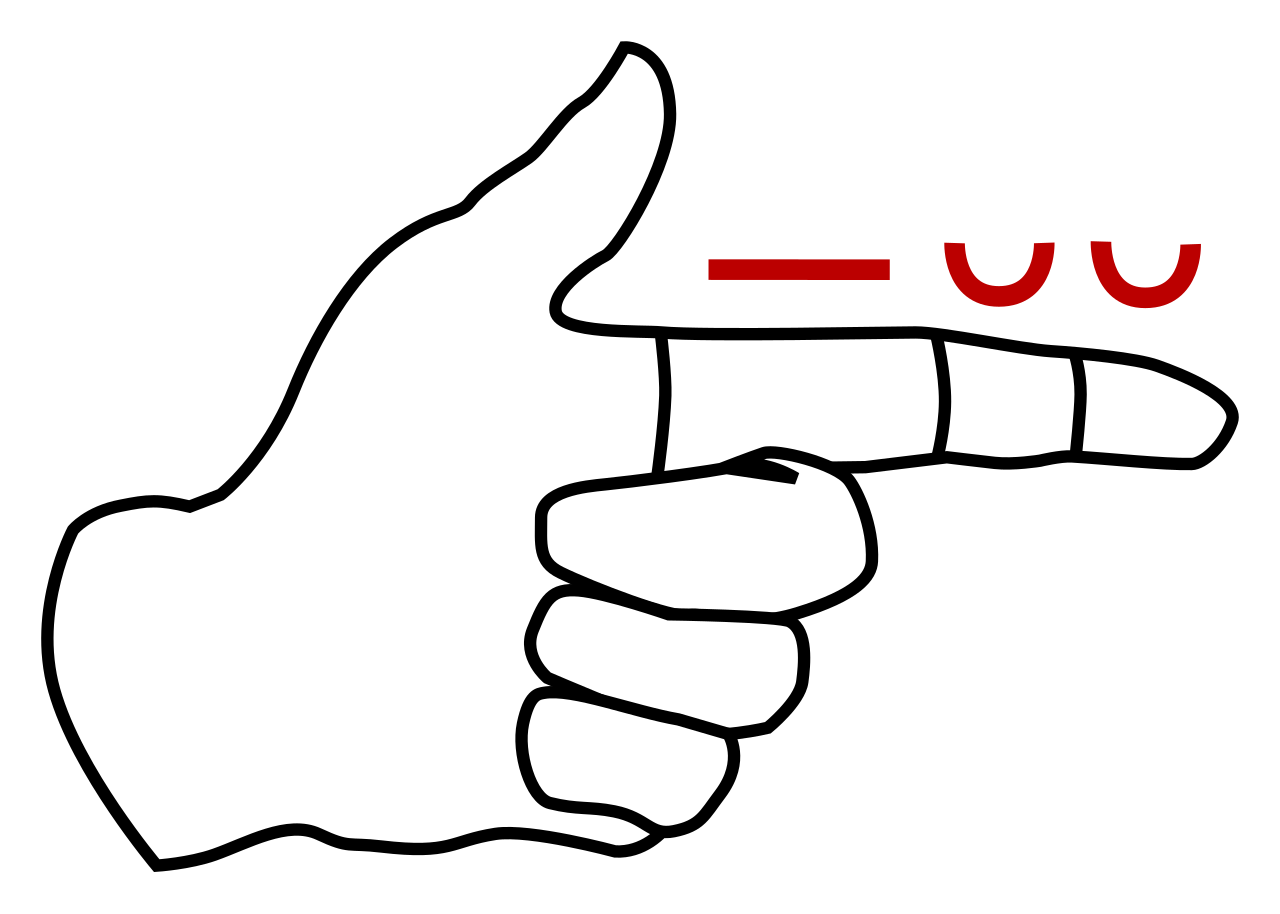
When you string these feet together, you get the dominant meter of the poem. The most famous in the English language is iambic pentameter, which is a line of poetry consisting of five iambic feet (ten syllables total, alternating da-DUM da-DUM da-DUM da-DUM da-DUM). When playwrights and poets strip the rhyme away from this structure, they are utilizing blank verse, which is poetry written in unrhymed iambic pentameter. Blank verse is crucial because it elevates the language while remaining remarkably close to the natural cadence of English speech.
Rhyme is not merely decoration; it is an auditory adhesive. A rhyme scheme is the ordered pattern of end rhymes in a poem. In literary analysis, letters of the alphabet are used to represent the sequential pattern of a rhyme scheme (e.g., AABB, ABAB).
Psychologically, rhyme scheme creates a sense of thematic unity within a poem, tying disparate lines together into a cohesive argument or narrative. Furthermore, predictable rhyme schemes often establish a comforting or lighthearted tone. When the ear anticipates a sound and receives it exactly on time, the brain experiences a tiny reward.
Because we expect these patterns, poets can weaponize our expectations. Disruptions in an established rhyme scheme draw the reader's attention to specific thematic shifts. If a poem goes ABAB CDCD EEF, that missing "F" rhyme will sound like a dropped plate, immediately signaling that something in the poem's world is broken or unresolved.
Varieties of Rhyme
Not all rhymes are perfect echoes. Poets use different classifications to achieve different resonances:
- Exact rhyme occurs when words share the same stressed vowel sounds and subsequent consonant sounds (cat/bat).
- Slant rhyme occurs when words share similar rather than identical sounds (worm/swarm). This is heavily utilized by poets like Emily Dickinson to create unease or subvert expectations.
- Eye rhyme occurs when words are spelled similarly to match visually while being pronounced differently (bough/rough).
- Internal rhyme occurs within a single line of poetry ("Once upon a midnight dreary, while I pondered, weak and weary").
- End rhyme occurs at the conclusion of poetic lines, serving as the traditional anchor of the rhyme scheme.
The Texture of Language: Sound Devices
Beyond rhyme, poets manipulate the actual phonetic friction of words.
- Alliteration is the repetition of initial consonant sounds in closely neighboring words (silent sea).
- Assonance is the repetition of similar vowel sounds within closely neighboring words (the light of the fire).
- Consonance is the repetition of internal or ending consonant sounds in neighboring words (strike a lucky spark).
- Onomatopoeia is the use of phonetic words imitating the sounds associated with their objects (buzz, crash, hiss).
When these devices combine, they create an overarching acoustic atmosphere. Euphony refers to a grouping of words designed to sound phonetically pleasant and harmonious, relying on soft consonants (l, m, n, r, w, y) and long vowels. Consequently, euphony is frequently employed to enhance themes of peace, natural beauty, or tranquility.
In stark contrast, cacophony refers to a grouping of harsh or phonetically discordant sounds (k, t, p, g, ch, sh). Unsurprisingly, cacophony is often used by poets to mirror feelings of chaos or conflict within a poem. If a poet writes about war, the language itself will sound jagged and percussive.
The visual block of text on the page is the reader's first clue to a poem's organization. A stanza is a grouped set of lines within a poem, functioning much like a paragraph in prose. Stanza breaks often signify structural shifts in time, location, or narrative perspective.
You must be able to recognize stanzas by their specific line counts:
- A couplet is a stanza consisting of exactly two lines.
- A tercet is a stanza consisting of exactly three lines.
- A quatrain is a stanza consisting of exactly four lines.
- A cinquain is a stanza consisting of exactly five lines.
- A sestet is a stanza consisting of exactly six lines.
- An octave is a stanza consisting of exactly eight lines.
Canonical Poetic Forms
Poets often pour their ideas into historically established molds, leveraging the constraints of the form to heighten the emotion.
The Sonnet A sonnet is fundamentally a poem of logical argument and emotional realization.
- A Shakespearean sonnet consists of fourteen lines written in iambic pentameter.
- The rhyme scheme of a standard Shakespearean sonnet is ABAB CDCD EFEF GG. The final couplet usually delivers a punchy summary or twist.
- A Petrarchan sonnet consists of an octave followed immediately by a sestet. The octave typically presents a problem or asks a question, while the sestet provides the resolution.
- The transition between the problem and the resolution—the hinge upon which the whole poem swings—is called the volta. The volta is the dramatic turning point in thought or argument within a sonnet.
Complex Repetitive Forms Some forms rely on maddening, beautiful constraints to trap the reader in an obsession or a cyclical thought.
- A villanelle is a nineteen-line poem consisting of five tercets and a concluding quatrain. What makes it unique is its obsessive echo: a villanelle relies on the structural repetition of two entire lines interspersed throughout the poem (think of Dylan Thomas's "Do not go gentle into that good night").
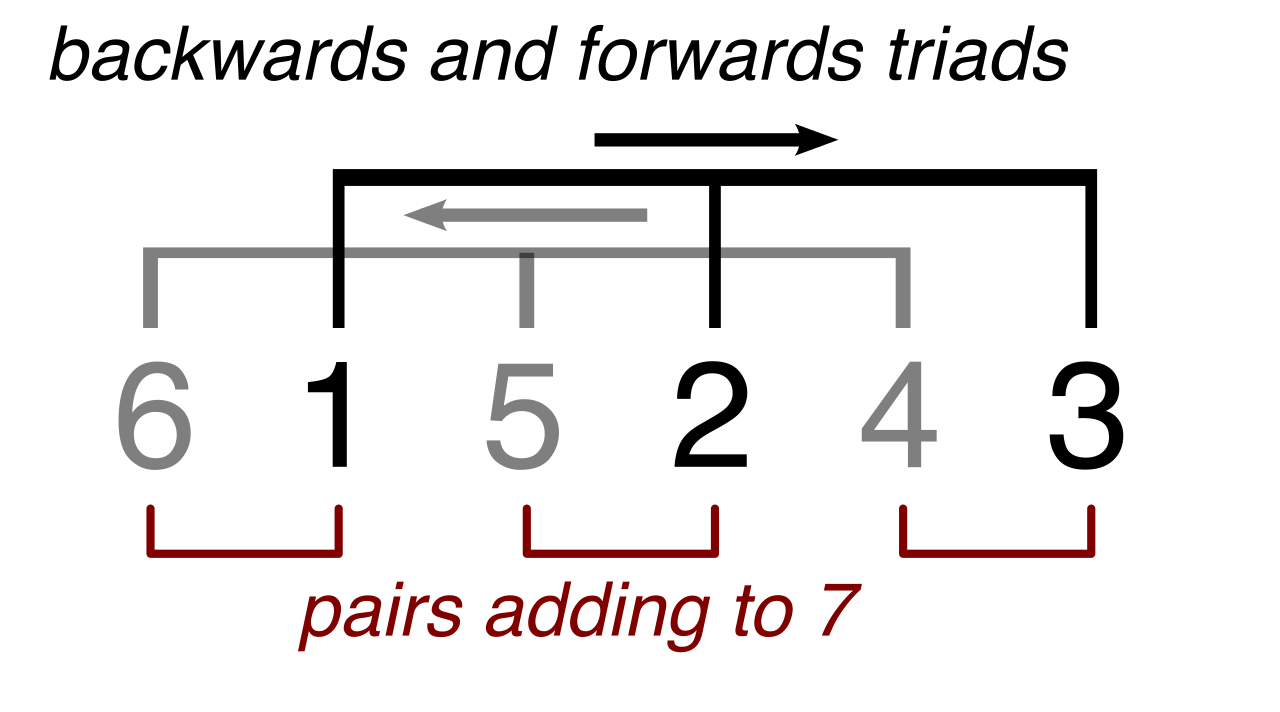
- Even more complex is the sestina. A sestina is a poetic form consisting of six sestets followed by a three-line envoy (a concluding summary stanza). Instead of rhyming, a sestina relies on a mathematically complex pattern of repeating end words rather than a rhyme scheme. The exact same six words end the lines of every stanza, constantly recontextualizing the core themes.
Other Notable Forms
- A haiku is a Japanese poetic form consisting of three unrhymed lines of five, seven, and five syllables. It is a snapshot of time, focusing on pure imagery over narrative.
- Free verse is poetry lacking consistent meter or regular rhyme schemes. However, it is not lacking structure. Free verse relies on natural speech rhythms to convey thematic meaning, utilizing line breaks and spacing to dictate pacing.
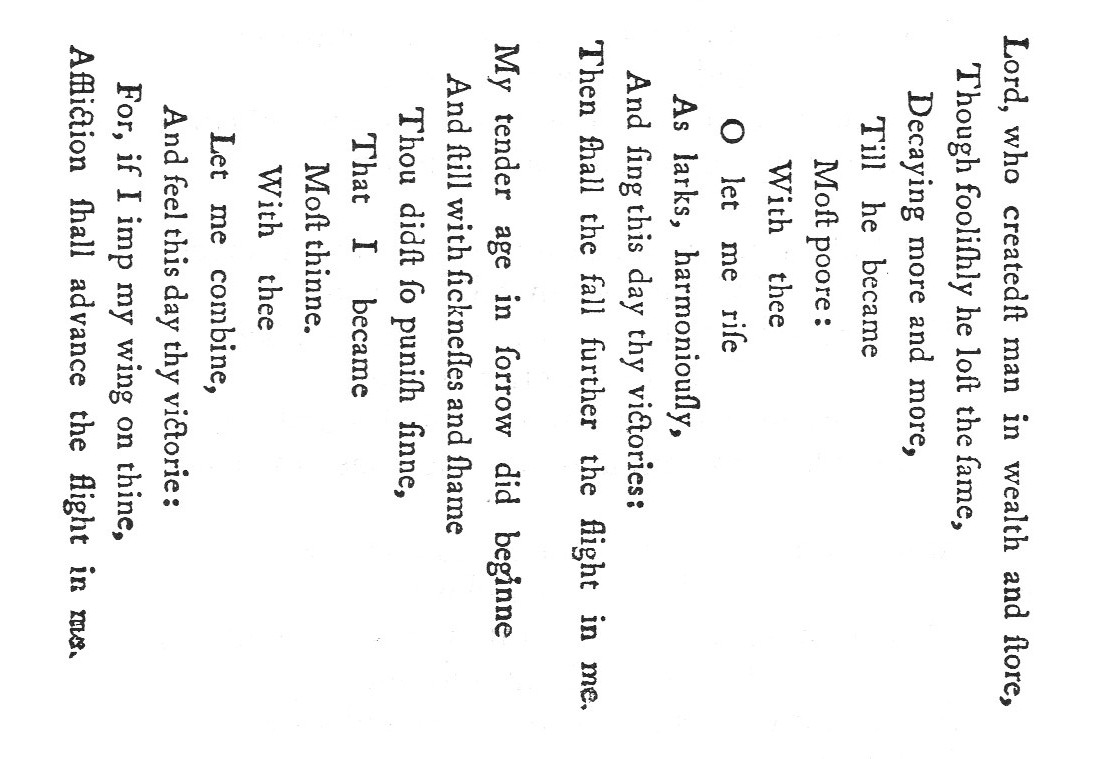
- A concrete poem uses lines and stanzas arranged to form a visual silhouette matching the topic. In this case, concrete poetry relies heavily on typographical arrangement to enhance thematic elements (e.g., a poem about a swan shaped like a swan on the page).
The Poetic Genres
Just as films have genres (action, documentary, romance), poems fall into broad thematic categories:
- A narrative poem contains structural storytelling elements like characters and a sequential plot.
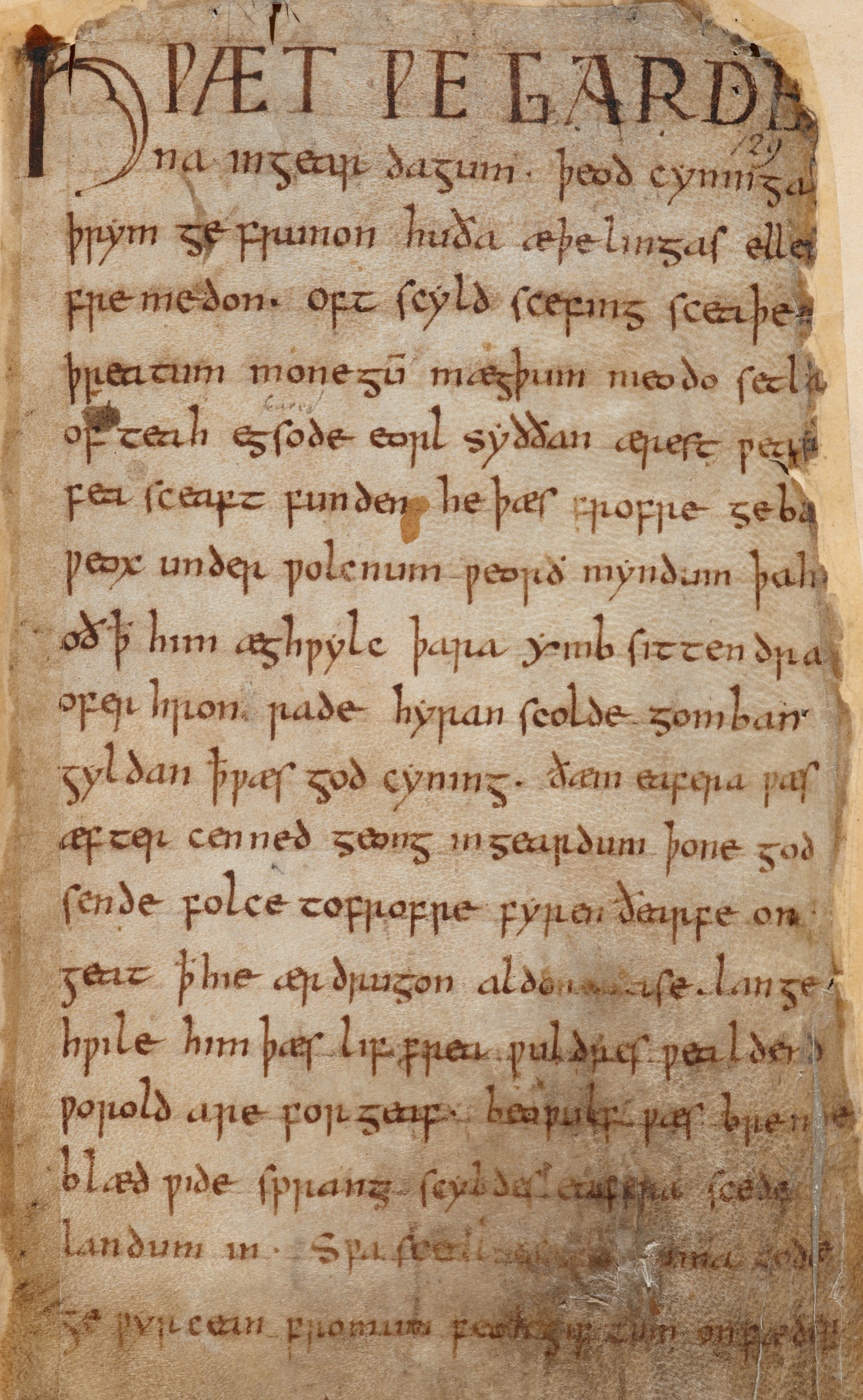
- An epic is a lengthy narrative poem detailing the deeds of a culturally significant heroic figure (like The Odyssey or Beowulf).
- A ballad is a heavily rhythmic narrative poem originally intended to be sung, often utilizing quatrains and telling stories of tragedy or folklore.
- A lyric poem is designed to express personal emotions or subjective feelings, rather than telling a linear story.
- An ode is a formal lyric poem dedicated to praising or glorifying a specific subject.
- An elegy is a melancholic poem lamenting the death of a specific subject.
We finally arrive at the imagery—the lens through which the poem translates the abstract into the tangible.
Poetic imagery consists of descriptive language directly appealing to the five human senses (visual, auditory, olfactory, gustatory, tactile). When literal language fails to capture the intensity of an experience, poets rely on figurative language to force the reader into a new perspective.
Comparisons and Substitutions
- A simile compares two categorically unlike things using explicit connecting words such as 'like' or 'as'.
- A metaphor makes a direct equation between two categorically unlike things without using explicit connecting words (saying "the moon is a ghostly galleon").
- Personification attributes human actions or characteristics to nonhuman entities ("the wind whispered").
Praxis Warning: Synecdoche vs. Metonymy Exam items frequently test the fine distinction between these two concepts.
- Synecdoche is a specific figure of speech wherein a part of something represents the entirety of the whole. (e.g., "All hands on deck" — the hands represent the entire sailor).
- Metonymy conceptually replaces the name of a thing with the name of an object closely associated with it. (e.g., "The Crown issued a decree" — the crown is an object associated with the monarch, replacing the monarch's title).

Exaggeration and Contradiction
- Hyperbole utilizes extreme rhetorical exaggeration to emphasize a point rather than literal truth ("I’ve told you a million times").
- A paradox is a rhetorical statement appearing self-contradictory while simultaneously revealing an underlying truth. (e.g., "I must be cruel to be kind"). It operates on the level of an entire thought or statement.
- An oxymoron pairs two directly contradictory terms adjacent to one another ("deafening silence," "jumbo shrimp"). It operates on the micro-level of a phrase.
Addressing the Unseen and the Known
- An apostrophe is a direct poetic address to an absent person, abstract idea, or inanimate object. (e.g., "O Death, where is thy sting?").
- An allusion is a brief, indirect literary reference to a recognizable person, place, or historical event. By doing this, the poet borrows the emotional and historical weight of the referenced material without having to explain it.
As a secondary ELA teacher, your mastery of this domain must extend far beyond memorization. When you sit for your Content Knowledge exam—and more importantly, when you stand in front of your classroom—you are not just listing definitions. You are demonstrating how a heavy spondee forces the reader to feel the weight of an elegy. You are showing how the chaotic cacophony of a disrupted rhyme scheme mirrors the psychological breakdown of the poem's speaker. By understanding poetic devices and structure not as arbitrary rules, but as the deliberate, interconnected gears of an acoustic machine, you empower your students to unlock the text on their own terms.