Variations in Dialect and Diction
Not sure you’re ready?
Take the ~3-minute readiness diagnostic and see where you stand.
Imagine attempting to map the currents of an ocean without acknowledging the wind, the moon, or the temperature of the water. To study the English language without studying its variations is to do exactly that. Language is not a static monolith carved into a dictionary; it is a highly fluid, living ecosystem shaped by human migration, social stratification, time, and collision. As a secondary English teacher, you are constantly encountering this ecosystem. You hear it in the hallways, you read it in the dialogue of Mark Twain and Zora Neale Hurston, and you see it navigating its way through your students' essays.
To master this domain, we must look at language through two entirely different, yet equally necessary, lenses. First, there is prescriptive linguistics, which is the practice of elevating one variety of language over others and dictating how language should be used. This is the realm of the red grading pen and the grammar textbook. But beneath that lies descriptive linguistics, the objective study of how language is actually used by speakers in the real world. While prescriptive rules tell a student where to place a comma, descriptive linguistics tells us why a student from a specific community naturally phrases a sentence in a brilliantly distinct way.
To teach literature, writing, and communication effectively, we must act as descriptive linguists first, understanding the vast, rule-governed machinery of human speech.
When we talk about how language changes from person to person, we are primarily dealing with the mechanics of dialects and accents. In everyday conversation, people often use these terms interchangeably. In the study of linguistics, they are strictly distinct.
A dialect is a variety of a language that is characteristic of a particular group of the language's speakers. Crucially, a dialect involves distinct variations in vocabulary, grammar, and pronunciation.
An accent, on the other hand, refers strictly to regional or social differences in language pronunciation.
If a speaker from Boston drops the "r" in "car" but uses standard syntax and vocabulary, they are speaking with a regional accent. If a speaker uses unique grammatical structures and local vocabulary alongside distinct pronunciation, they are speaking a dialect.
Dialects scale up and down depending on the size of the group we are observing:
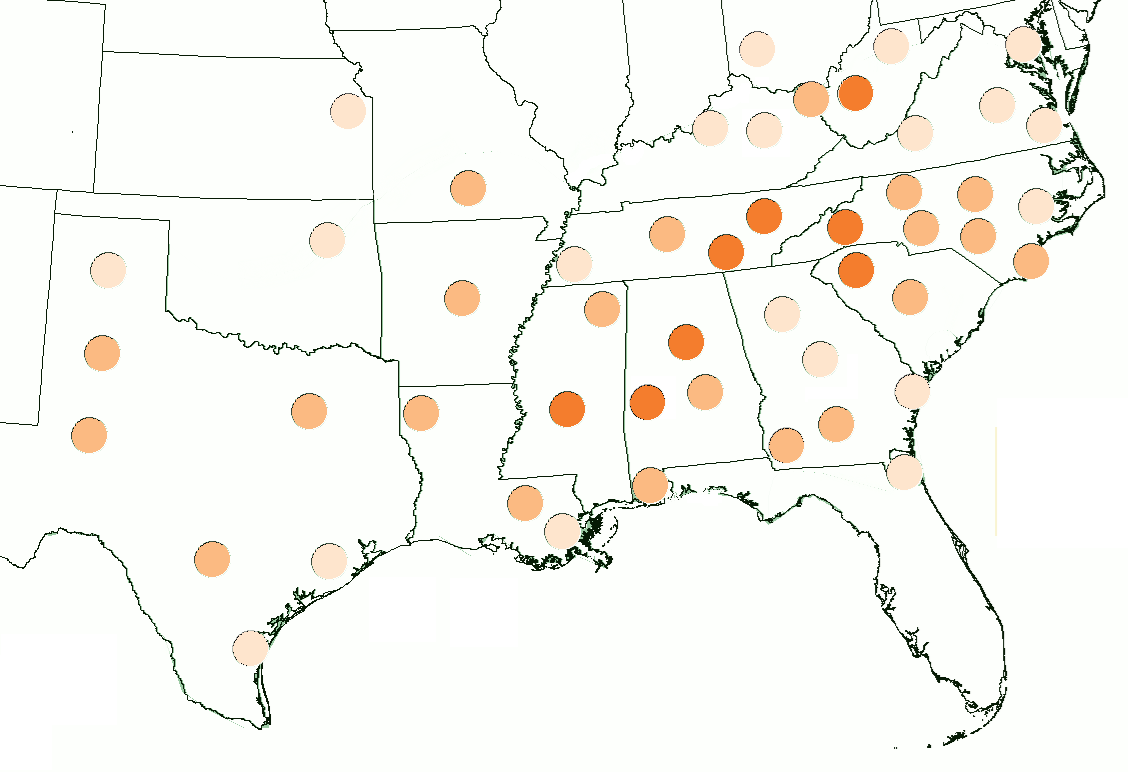
- Regional dialect: A language variety spoken in a specific geographical area. (Think of the distinct vocabulary and syntax found in the American South or the Pacific Northwest).
- Sociolect: A variety of language associated with a specific social class or demographic group.
- Idiolect: Zooming all the way in to the individual, an idiolect is the unique and distinctive use of language by an individual speaker. (When you analyze the unique, unmistakable "voice" of a specific character in a novel, you are analyzing their idiolect).
Rule-Governed American Dialects
One of the most pervasive misconceptions you will counter in the classroom is the idea that non-standard dialects are just "broken" English. They are not. They are highly complex, logical systems.
Take African American Vernacular English (AAVE). AAVE is a rule-governed dialect with distinct grammatical, vocabulary, and phonological features. Far from being random, it operates on precise linguistic logic. For example, one grammatical feature of African American Vernacular English is the use of the habitual "be" to indicate ongoing action. If a speaker says, "He working," it means he is working right now. If a speaker says, "He be working," it means he works habitually or frequently. This is an elegant, highly specific grammatical distinction that Standard English completely lacks!
Similarly, Appalachian English is a regional American dialect characterized by preserved older English vocabulary and distinct vowel pronunciations. Tucked into the mountains, this dialect retains linguistic features tracing all the way back to early Scots-Irish settlers.
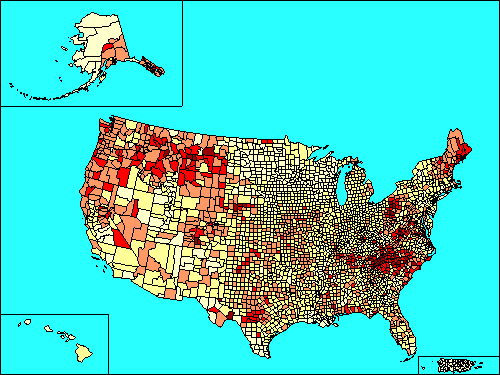
We also see profound linguistic systems emerging in specific cultural demographics, such as Chicano English, which is a rule-governed dialect of American English spoken primarily by Hispanic Americans. It is vital to recognize that Chicano English is a native English dialect with its own distinct phonology and syntax, entirely separate from someone speaking English as a second language.
When Languages Collide: Pidgins and Creoles
What happens when two groups who share absolutely no common language are suddenly forced to interact—say, for trade or as a result of colonization? The human brain creates a bridge.
First, a pidgin forms. A pidgin is a simplified language that develops as a means of communication between groups lacking a common language. It has a rudimentary grammar and limited vocabulary.
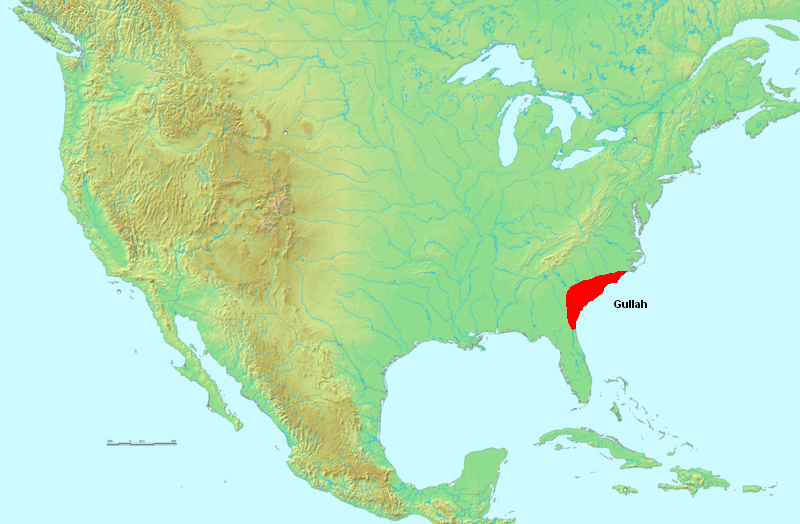
However, human beings are wired for complex communication. When children are born into a community where a pidgin is spoken and they learn it as their native tongue, their brains rapidly expand its grammar and vocabulary. Within a single generation, it transforms into a creole, which is a fully developed natural language that originates from a mixture of different languages. A vivid American example is Gullah, an English-based creole language spoken by the Gullah people off the coast of South Carolina and Georgia, blending English with various West African languages.
While dialects describe the systems we inherit, our daily communication involves endless, active choices.
Diction refers to a writer's or speaker's distinctive vocabulary choices and style of expression.
When you ask students to write an essay, you are asking them to manage their diction. But diction is deeply tied to register, which refers to the degree of formality of language use in a particular social context. You speak to your principal in a different register than you speak to your best friend.
Mastering register requires audience analysis, the process of adjusting vocabulary and syntax to match the knowledge, interests, and attitudes of the listeners. This is the cornerstone of rhetoric.
Lexical Tiers in the Real World
To analyze an author's diction, or to help a student elevate their writing, we have to categorize the types of words they are choosing.
| Term | Definition | Application |
|---|---|---|
| Colloquialism | An informal word or phrase typically used in ordinary or familiar conversation. | Words like "y'all" or "gonna." They give writing a conversational, relaxed register. |
| Slang | Consists of highly informal words and phrases that are typically restricted to a particular context or social group. | Ephemeral and rapidly changing. Used heavily by teenagers to establish in-group identity. |
| Jargon | Consists of special words or expressions used by a particular profession or group. | Terms like "formative assessment," "pedagogy," or "IEP." Warning: Jargon is often difficult for individuals outside of a specific profession or group to understand. |
| Euphemisms | Mild or indirect words substituted for ones considered to be too harsh or blunt. | Saying someone "passed away" instead of "died," or is "between jobs" instead of "unemployed." Used to soften the blow of reality. |
The Power of Code-Switching
Because humans navigate multiple social spheres—family, school, professional life, peer groups—we rarely stick to one variety of language. Code-switching is the practice of alternating between two or more languages or varieties of language in conversation.
Why do we do it? Speakers use code-switching to align with different social groups, audiences, and rhetorical purposes. A student might use AAVE in the cafeteria to signal solidarity and belonging with peers, but seamlessly code-switch into Standard English during a debate tournament to align with academic expectations. Recognizing code-switching in literature (like in Angie Thomas's The Hate U Give) is a profound way to teach character motivation and social dynamics.
Language is a time traveler. The English we speak today is the scarred, hybridized survivor of centuries of invasions, technological shifts, and migrations. When your students ask why English spelling makes absolutely no sense, you can point them to historical linguistics.
The Eras of English
- Old English: The earliest historical form of the English language. It was spoken in England from the fifth to the eleventh century. It looks and sounds almost entirely foreign to modern readers (think of the epic poem Beowulf).
- Middle English: Spoken from the late eleventh to the late fifteenth century. This era began roughly with the Norman Conquest of 1066. Because of this, Middle English vocabulary was heavily influenced by the Norman French language, bringing thousands of French legal, culinary, and governmental words into the English lexicon (think of Chaucer's The Canterbury Tales).
- Early Modern English: Spoken from the late fifteenth to the late seventeenth century. This is the era of the Renaissance. Most notably, the literary works of William Shakespeare were written in Early Modern English.

The Tectonic Shifts of Sound and Meaning
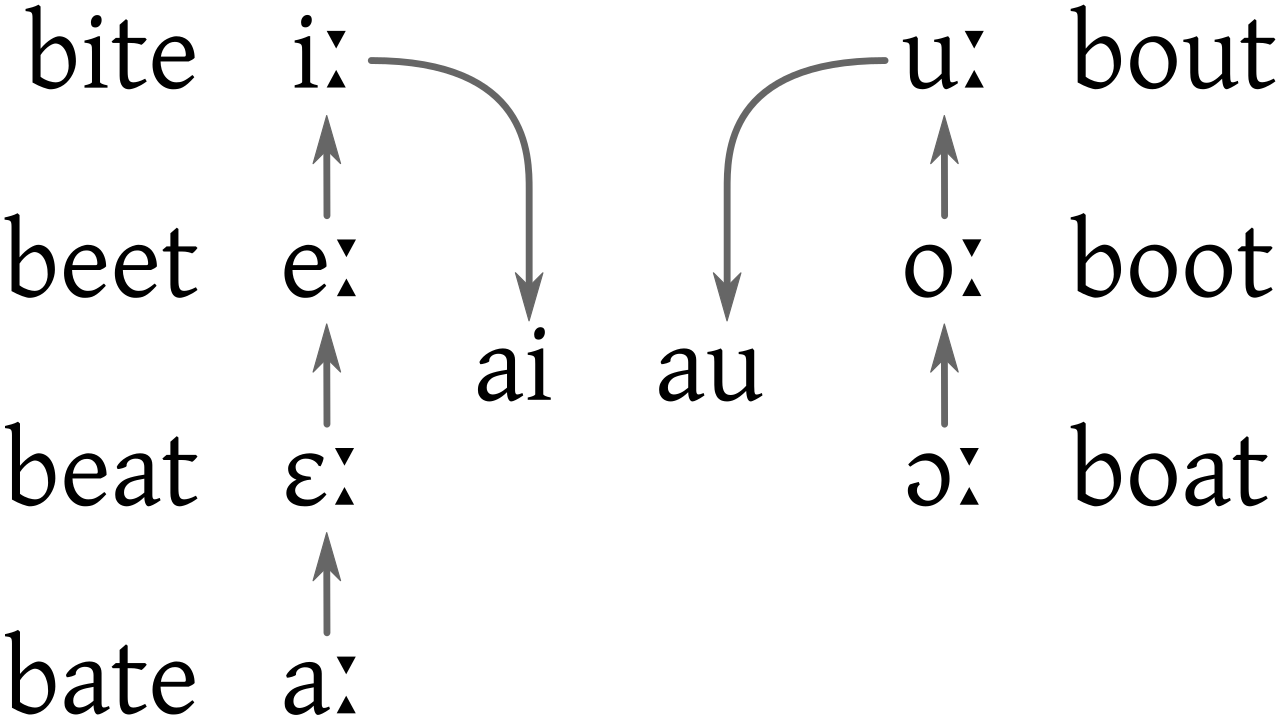
Between the era of Chaucer and Shakespeare, something bizarre and monumental happened to the language. Linguists call it The Great Vowel Shift, which was a series of changes in the pronunciation of the English language. The Great Vowel Shift took place primarily between the years 1400 and 1700. Long vowels systematically shifted higher up in the mouth (the sound "ah" became "ay", "ee" became "eye", etc.). Because the printing press locked in English spelling before the shift was complete, our modern spelling reflects how words used to sound, rather than how we say them today.
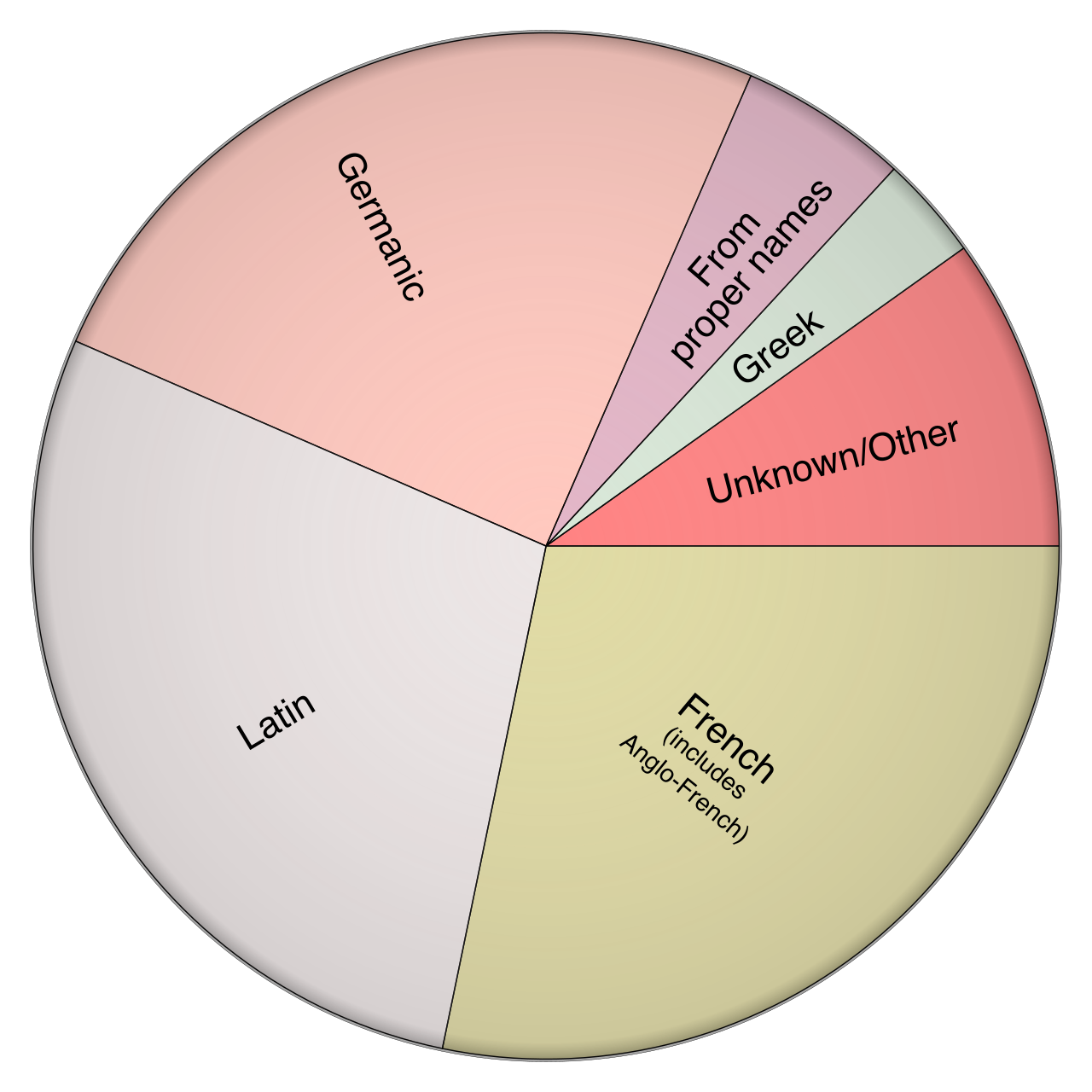
Words change from the inside out, as well. Through semantic shift, a historical process where the meaning of a word changes over time, a word can flip entirely (e.g., "nice" originally meant "silly" or "foolish" in Middle English). Furthermore, English is a notoriously aggressive borrower. Lexical borrowing is the process by which a word from one language is adapted for use in another language. (Words like karaoke from Japanese, ballet from French, or algebra from Arabic).
The Architects of Standardization
For centuries, spelling was phonetic and chaotic. The drive to establish a "standard" required technology and intention.
- William Caxton: In 1476, William Caxton introduced the printing press to England. Mass production requires uniformity. Therefore, the introduction of the printing press to England by William Caxton helped standardize English spelling and grammar.
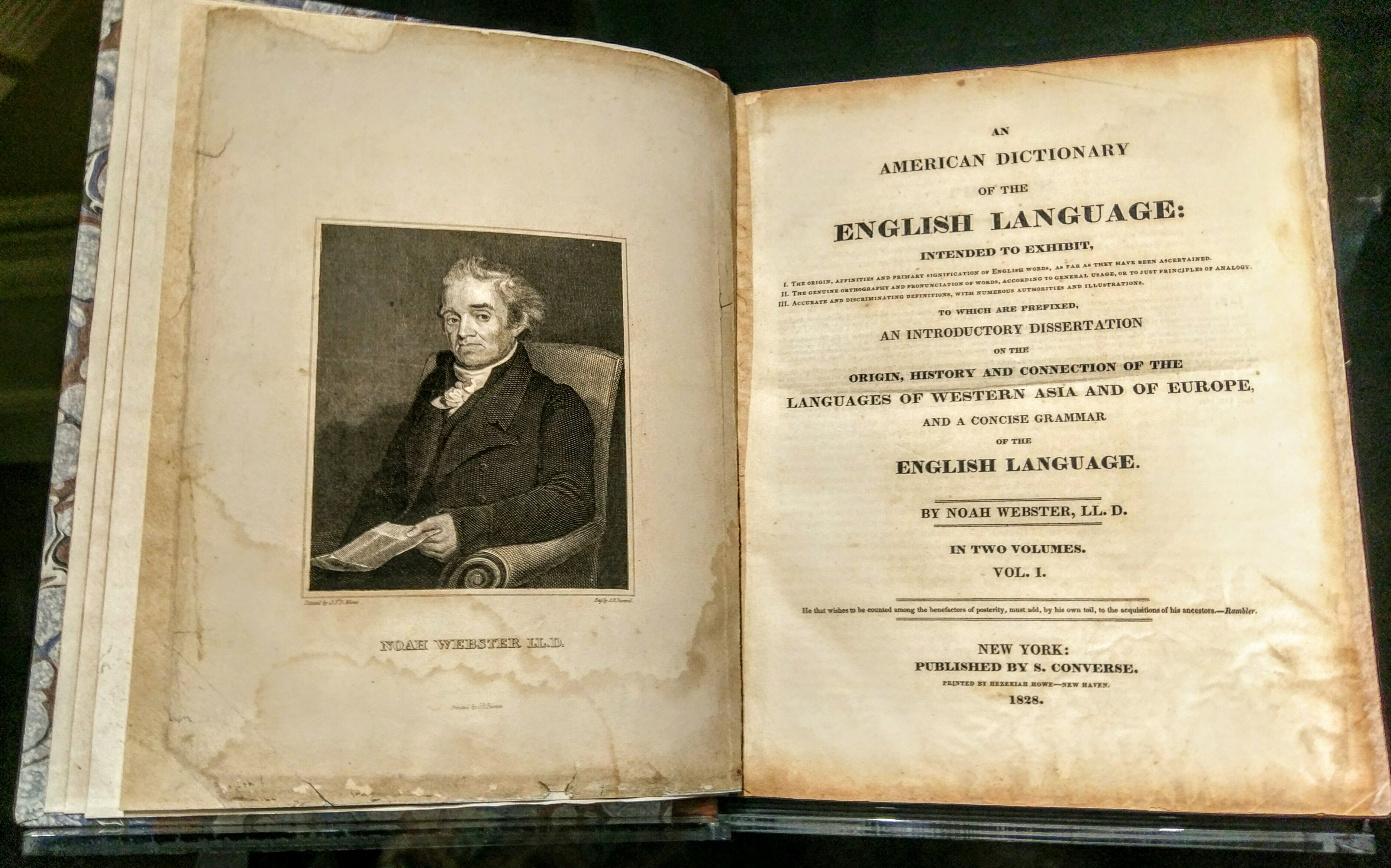
- Noah Webster: Centuries later in America, an intentional fracture occurred. Noah Webster's 1828 dictionary played a crucial role in standardizing American English spelling. But Webster wasn't just recording words; he had a political agenda. Noah Webster deliberately altered English spellings to create a distinct American linguistic identity. He dropped the 'u' in 'colour' and changed 'centre' to 'center' as an act of linguistic independence from Britain.
So, where does this leave you as the teacher at the front of the room? You must teach your students how to wield Standard English, which is the variety of English widely accepted as the correct form for public discourse and formal writing. It is the language of college admissions, legal contracts, and professional resumes.
However, we must never frame Standard English as the only valid form of communication. The appropriateness of a dialect is determined by the speaker's purpose, the audience's expectations, and the context.
If a student is writing a poem about their grandmother's kitchen, employing their regional dialect or sociolect is highly appropriate—it captures authenticity, voice, and truth. If that same student is writing an argumentative research paper on climate policy, Standard English is appropriate to meet the academic audience's expectations.
Your ultimate goal is to give students rhetorical flexibility. Teach them the mechanics of their own linguistic ecosystem, and then hand them the map to navigate all the others.