Print and Digital Reference Materials
Not sure you’re ready?
Take the ~3-minute readiness diagnostic and see where you stand.
Language is not merely a vehicle for communication; it is a highly specialized instrument. Like any precise instrument, it requires the right tools for maintenance, calibration, and refinement. When a student misuses a semicolon, struggles to decode a 19th-century primary source, or relies on a flat, repetitive vocabulary, the solution is rarely to simply give them the answer. The solution is to direct them to the precise tool built to solve that exact linguistic problem. Understanding the architecture of reference materials—knowing how they are built and why they function the way they do—transforms an English teacher from a mere corrector of errors into a master mechanic of the written word.
When we look at words in isolation, we are dealing with the foundational building blocks of thought. The tools used to analyze these blocks are designed to dissect words into their component parts: meaning, sound, history, and relation to other words.
Dictionaries: The Anatomical Charts of Language
Most students believe dictionaries exist solely to tell them what a word means. Indeed, dictionaries provide definitions for words, but to view them only as definition-dispensers is to miss their full utility. A dictionary is a comprehensive anatomical chart of a word.
Beyond definitions, dictionaries indicate the part of speech for listed words (noun, verb, adjective), dictating how the word can be legally deployed within a sentence's syntax. They are also phonetic guides; dictionaries provide phonetic pronunciations of words, translating visual symbols into auditory sounds.
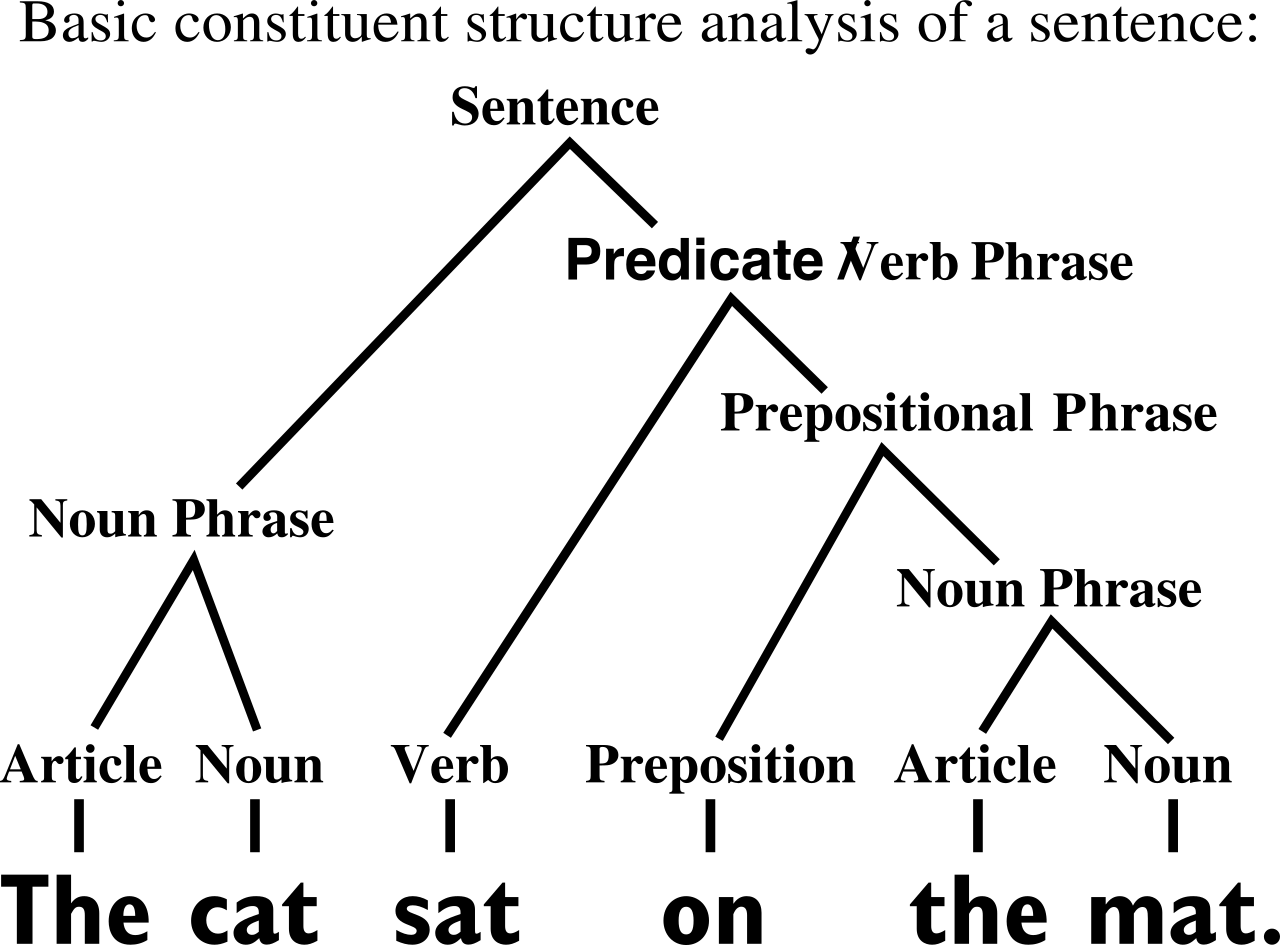
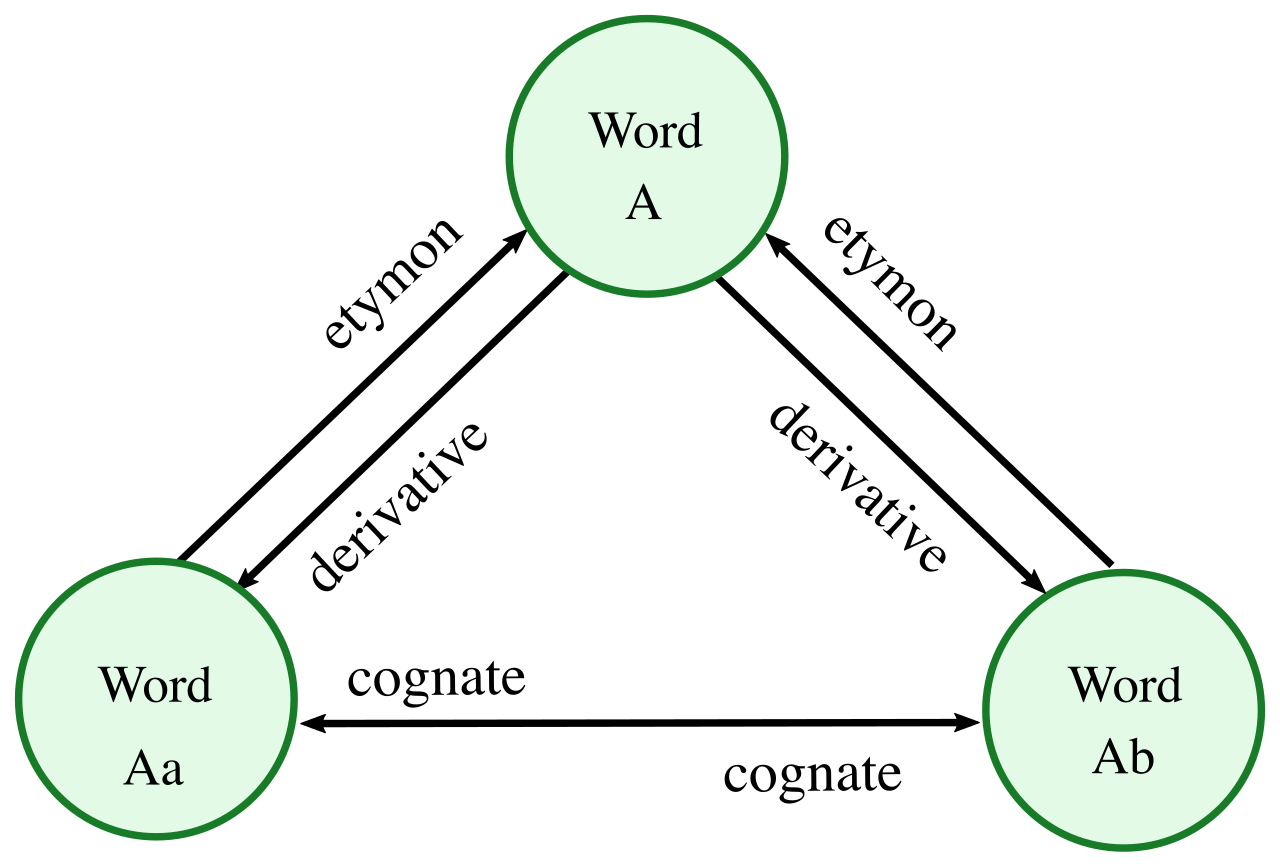
Crucially, dictionaries include word etymologies. Etymology traces the historical origin and development of a word. Why does this matter in the secondary classroom? Because English is a composite language—a collision of Germanic roots, Latinate structures, and French vocabulary. Showing a student the etymology of benevolent (from Latin bene "well" + velle "to wish") does not just teach them one word; it gives them the skeleton key to unlock dozens of others.
Thesauruses: Mapping Semantic Topography
If a dictionary is an anatomical chart, a thesaurus is a map of semantic neighbors. A thesaurus provides lists of synonyms for a given word, as well as lists of antonyms for a given word.
The amateur writer approaches a thesaurus simply to swap a common word for a longer one. However, the sophisticated writer uses it as an instrument of precision. Writers use a thesaurus to find varied vocabulary, to avoid tedious repetition, and more importantly, writers use a thesaurus to locate words with specific nuances of meaning.
The Precision of Nuance: Obstinate, resolute, and stubborn are synonyms, but they are not interchangeable. A hero is resolute; a toddler is stubborn. A thesaurus provides the options, but the writer must apply the nuance.
The Digital Advantage
Today, reference materials are no longer bound by the physical constraints of a printed spine. Digital reference materials allow for full-text searching, meaning a user can locate every instance of a word not just as a headword, but embedded deep within the definitions or examples of other entries. Furthermore, digital reference materials often include multimedia elements like audio pronunciations, allowing a student to hear a native speaker vocalize a word rather than relying on abstract phonetic symbols.
Standard dictionaries are broad and universal. But language is highly contextual, and sometimes a broad tool is insufficient. For specialized linguistic challenges, writers require specialized dictionaries.
Navigating Phrasing and Translation
- Bilingual Dictionary: In an increasingly globalized classroom, a bilingual dictionary translates words and phrases from one language to another. It acts as the bridge between two entirely different linguistic operating systems.
- Collocations Dictionary: Why do we say "heavy rain" instead of "thick rain"? Or "commit suicide" instead of "undertake suicide"? These unwritten rules of word-pairing are called collocations. A collocations dictionary identifies words that frequently occur together in natural language. This is an invaluable tool for helping English Language Learners (ELLs) achieve fluency, as it moves them beyond individual definitions into the natural rhythm of phrasing.
- Dictionary of Idioms: Language is frequently metaphorical. When a character "spills the beans" or "bites the bullet," a standard dictionary is useless. A dictionary of idioms explains the figurative meanings of common phrases, decoding the cultural shorthand that makes language colorful but confusing.
- Reverse Dictionary: We have all experienced "tip-of-the-tongue" syndrome—knowing the concept, but lacking the word. A reverse dictionary allows users to find a word based on its definition or related concepts. It works backward from meaning to target vocabulary.
Arbitrating "Correctness"
Language evolves, and with evolution comes conflict. When students ask whether it is acceptable to use who instead of whom, or whether irregardless is a "real" word, they are stepping into the territory of prescriptive versus descriptive linguistics.
To navigate these disputes, writers consult a usage dictionary to resolve questions about standard versus nonstandard English. A usage dictionary provides guidance on common grammatical errors and disputed language usages.
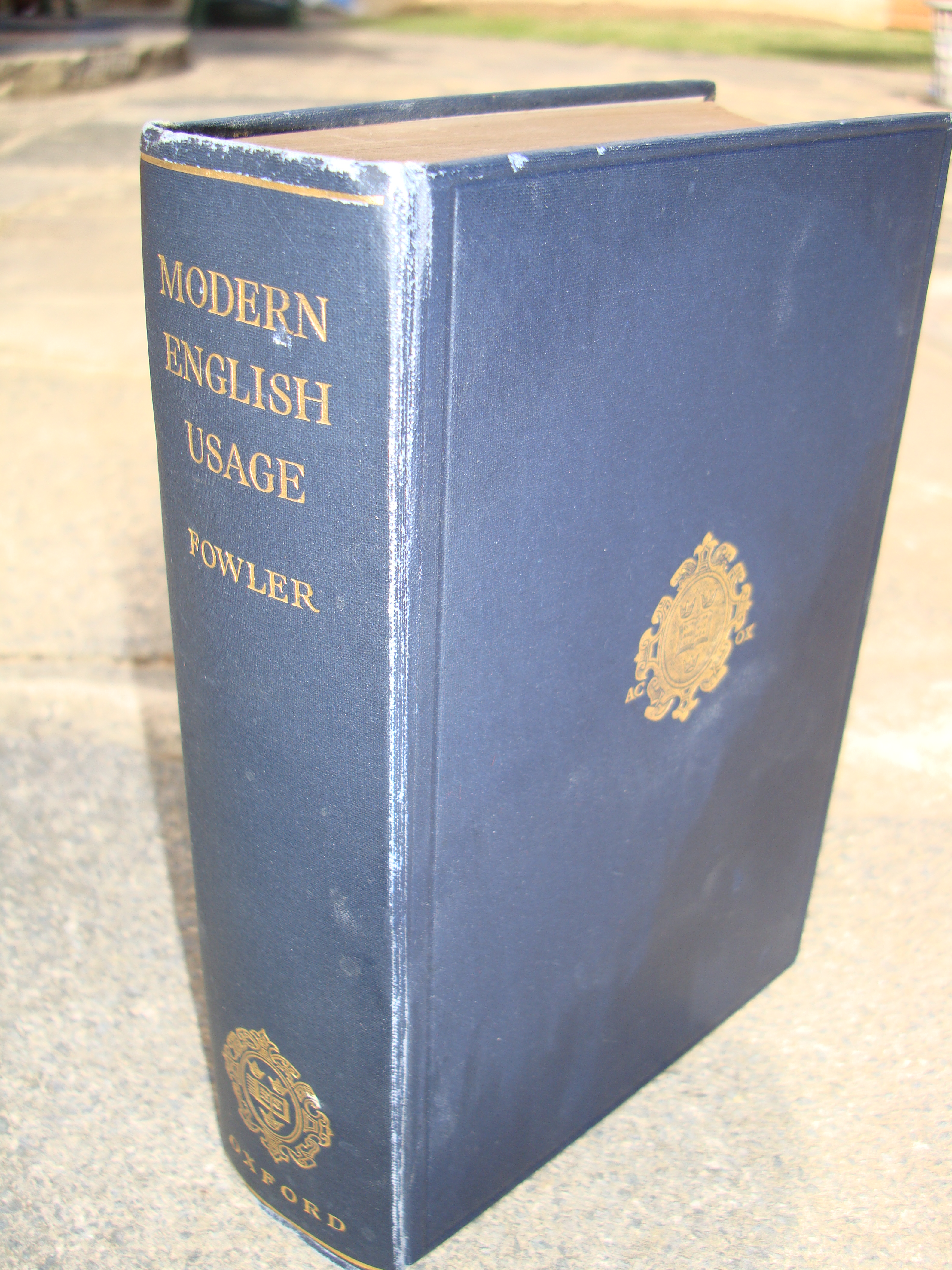
Essential Exam Fact: Fowler's Modern English Usage is a well-known example of a usage dictionary. Originally published in 1926, it remains a gold standard reference for navigating the shifting sands of acceptable British and American English conventions.
Sometimes, vocabulary only matters within the boundaries of a specific text or a specific discipline.
- Glossary: When reading a complex textbook or technical document, a dictionary might offer a definition too broad to be useful. In these cases, a glossary helps readers understand domain-specific vocabulary within a specific text. A glossary is an alphabetical list of specialized terms with their definitions, and unlike a standalone dictionary, glossaries are typically located at the end of a book or document. It acts as a localized decoder ring for the text in the reader's hands.
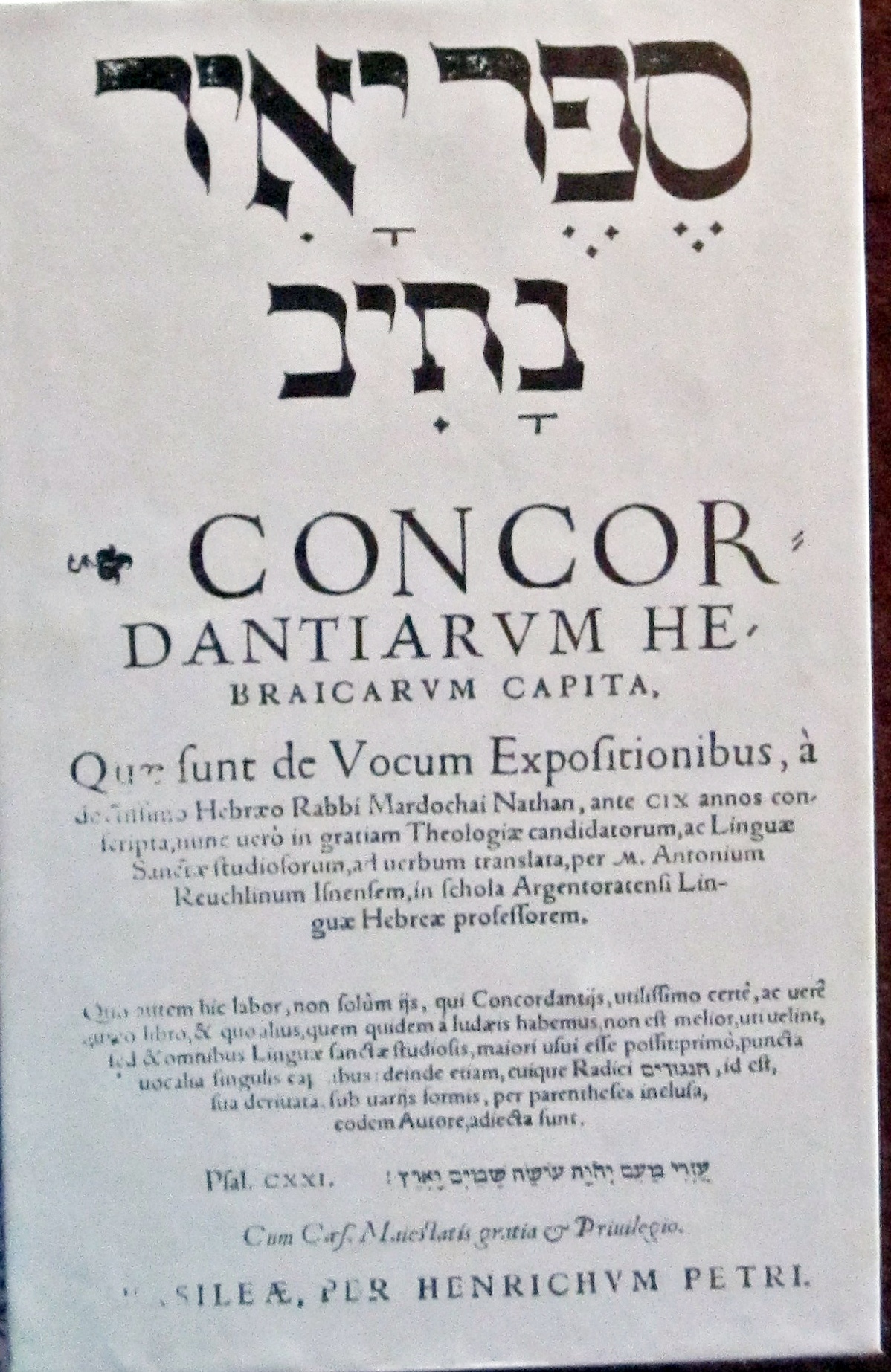
- Concordance: Imagine a scholar studying Shakespeare's Hamlet or the King James Bible. They need to find every single instance where the author used the word blood. A concordance is an alphabetical index of the principal words used in a specific book or body of work. Before the invention of "Ctrl+F", concordances were painstakingly compiled by hand. Today, scholars use a concordance to locate specific passages within a major text, allowing them to trace thematic repetition and motif development.
Once words are chosen, they must be arranged and formatted according to established conventions. The tools in this category govern the social contract between the writer and the academic or professional community.
Style Manuals: The Architecture of Publication
Style manuals dictate rules for academic citation and formatting. They ensure that a reader in California can easily trace the research footsteps of a writer in New York. Beyond citations, style manuals provide guidelines for standard capitalization and punctuation, resolving debates over the Oxford comma, the capitalization of specific titles, and the formatting of numerical data.
Different disciplines prioritize different types of information, leading to the creation of distinct style manuals. You must know these distinctions:
| Style Manual | Primary Discipline | Rationale |
|---|---|---|
| MLA (Modern Language Association) | Humanities disciplines (Literature, Arts, Philosophy) | Prioritizes the author's name and page number (e.g., Smith 42), as literature analysis relies heavily on specific textual location. |
| APA (American Psychological Association) | Social Sciences (Psychology, Education, Sociology) | Prioritizes the author and the date of publication (e.g., Smith, 2023), because the timeliness of research is paramount in the sciences. |
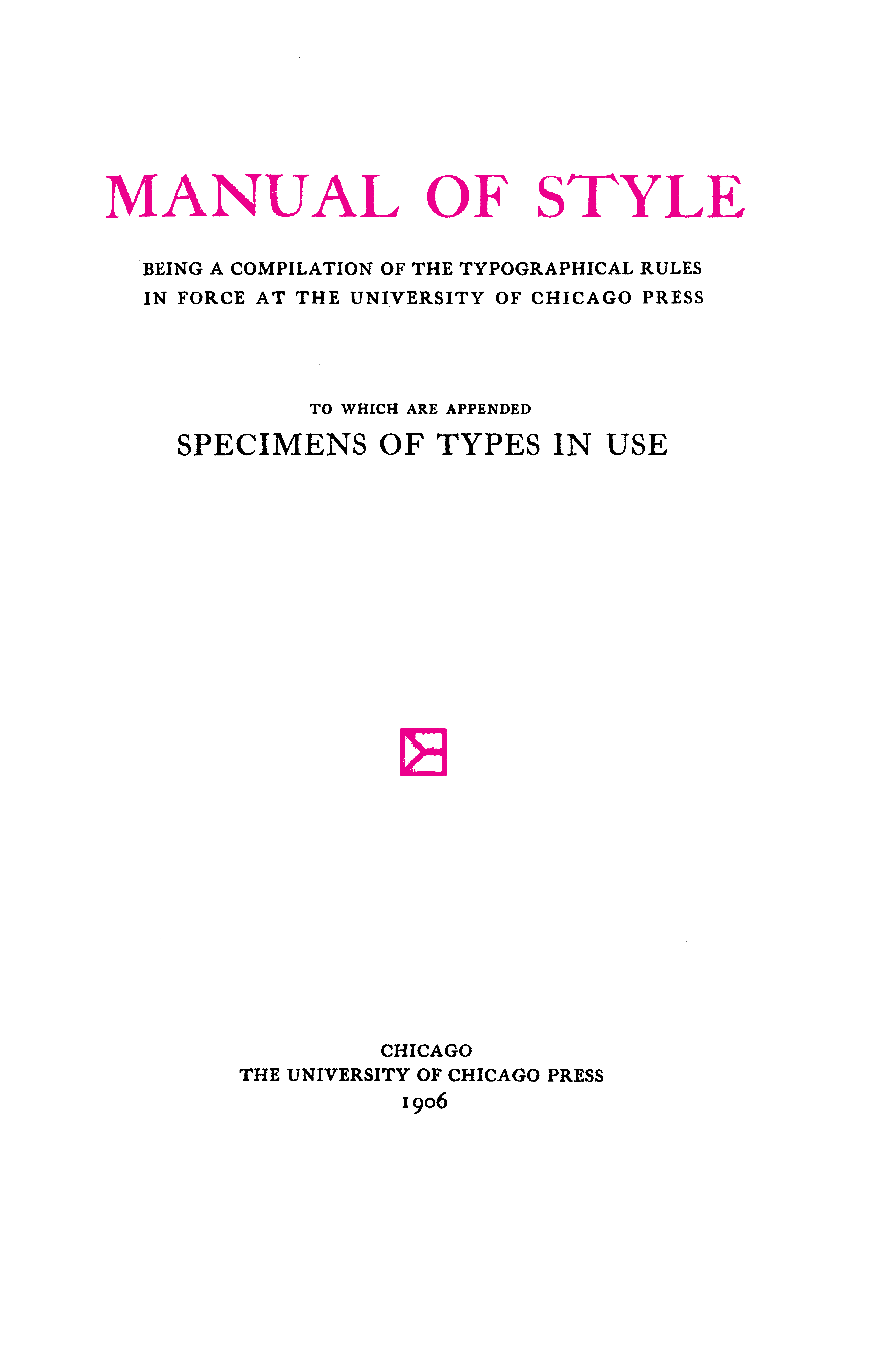
| Chicago (Chicago Manual of Style) | History and Professional Publishing | Employs footnotes/endnotes, allowing historians to provide extensive contextual commentary without interrupting the narrative flow. |
Digital Checkers: Strengths and Blind Spots
Modern students write almost entirely on digital platforms equipped with automated proofreaders. As an ELA teacher, you must understand—and teach—the mechanisms and limitations of these tools.
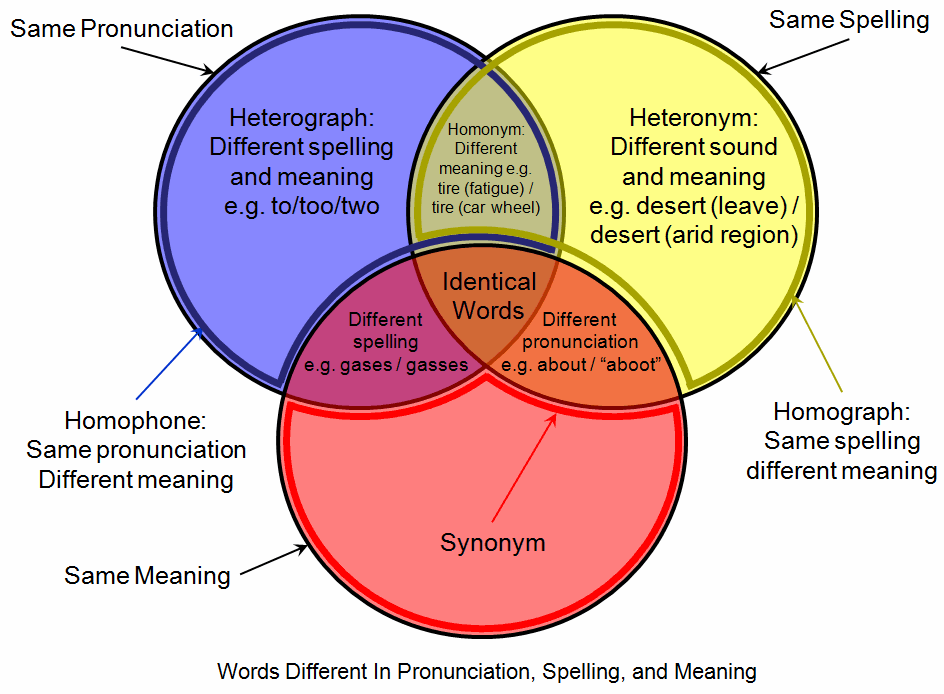
Digital spell checkers identify misspelled words by comparing text to an internal dictionary database. If the string of letters is not in the database, it gets a red squiggly line. However, because it only checks for the existence of the word and not its context, digital spell checkers often fail to identify homophone errors. A student who writes "I went their to see the bare" will not trigger a spell check error, because their and bare exist in the database.
Similarly, digital grammar checkers suggest corrections for syntax and punctuation by running the text against standard grammatical algorithms. The danger here is that digital grammar checkers may misinterpret complex sentence structures. A masterfully crafted periodic sentence, or an intentional inversion of Subject-Verb-Object syntax for rhetorical effect, will often confuse the algorithm, prompting it to suggest a "correction" that actually flattens or ruins the writer's prose. Algorithms recognize patterns; they do not comprehend meaning.
Finally, writers do not just deal in words; they deal in realities. When a writer needs to verify the facts, statistics, or locations they are writing about, they turn to broad reference materials.
- Encyclopedias: When a student is beginning research and needs a wide-angle lens on a topic, encyclopedias provide comprehensive background information on a wide range of subjects. They are the starting line for inquiry, not the finish line.
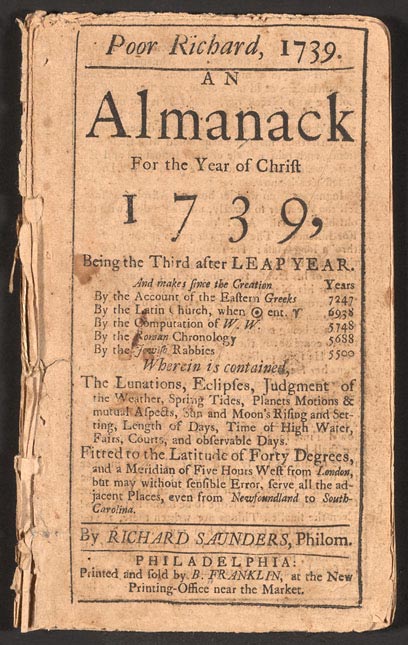
- Almanacs: Time stops for no one, and facts change annually. Almanacs are annual publications containing statistical data and facts. If a writer needs to know the population of Chicago in 1994, the phases of the moon for the upcoming agricultural season, or the winner of the 1982 World Series, writers consult an almanac to find specific and up-to-date statistical information.
- Atlases: Space, like time, requires verification. An atlas is a collection of maps used to verify geographical locations. Whether charting the path of the Oregon Trail for a historical essay or checking the modern borders of Eastern Europe, an atlas grounds the text in physical reality.
Mastering these tools is the essence of professional literacy. When you know precisely what each reference material is designed to do, you can seamlessly guide a struggling writer from the frustration of a linguistic roadblock to the exact resource that will clear their path.